
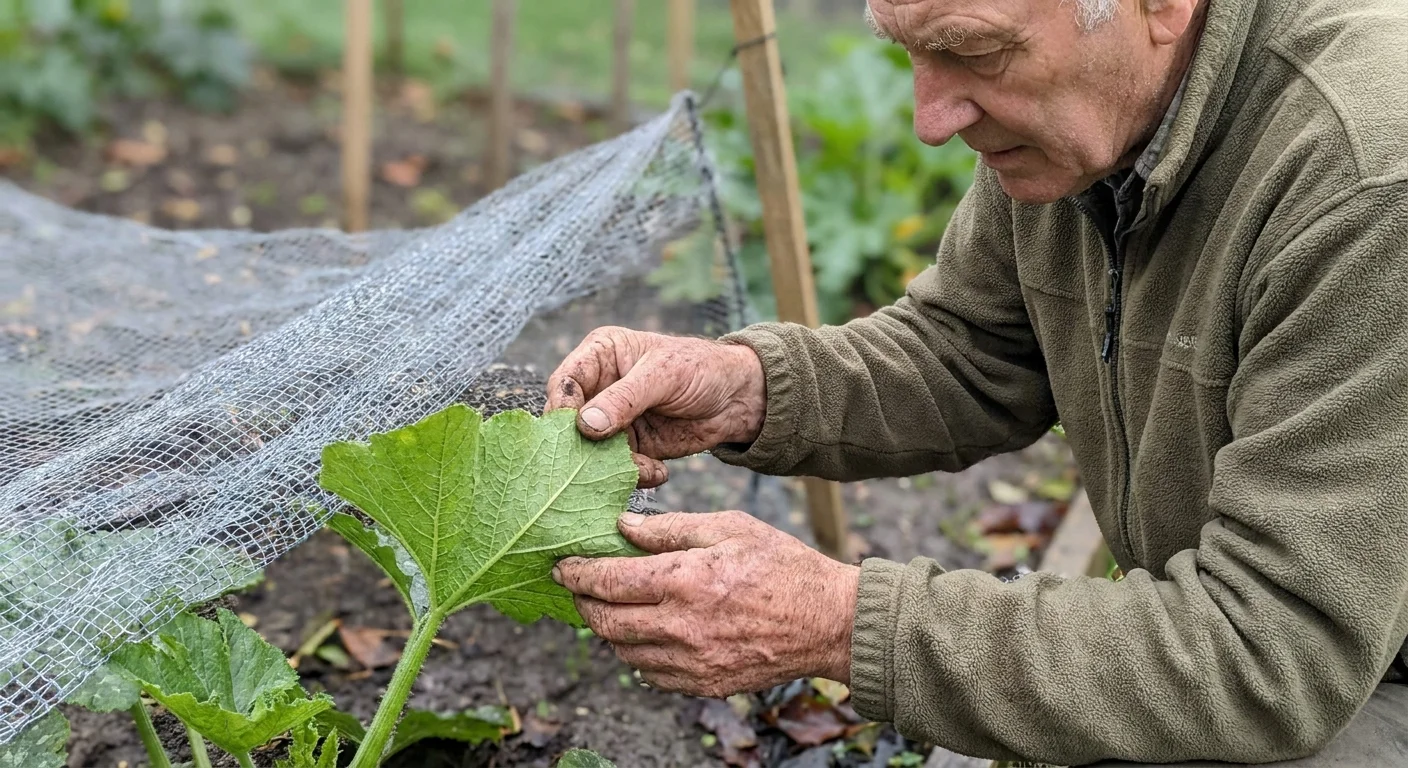
Dealing with Outdoor Pests and Weather
Managing the inevitable challenges of insects and unpredictable weather does not require heavy chemical sprayers or exhausting physical battles. The smartest approach to pest control involves utilizing lightweight, physical barriers. Floating row covers—made from ultra-lightweight spun polyester—are an absolute game-changer. By simply draping this inexpensive fabric over your vulnerable crops, you instantly block out aphids, cabbage moths, and even curious deer. The fabric is light enough to let sunlight and rain pass through freely, meaning you can leave it in place for weeks with zero maintenance.
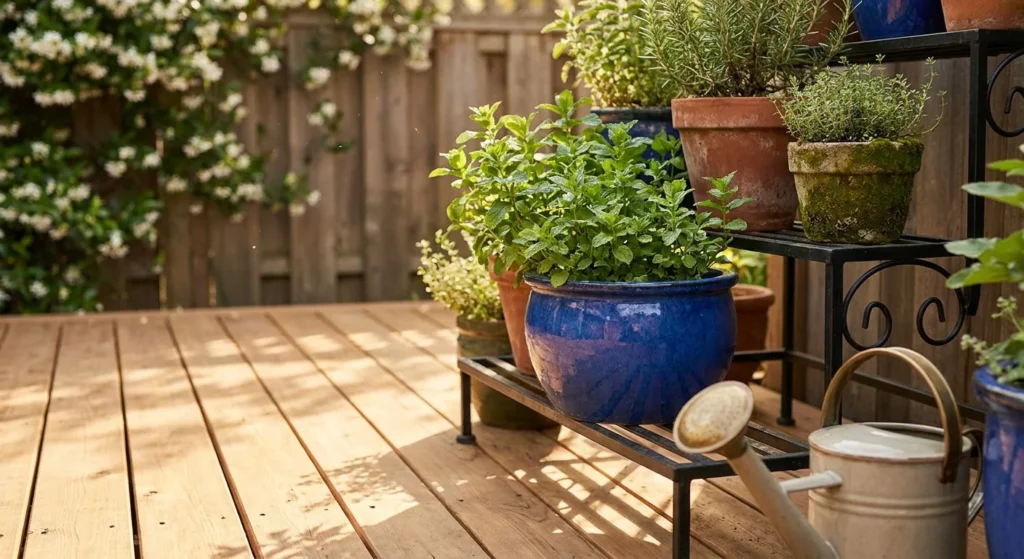
When battling summer droughts, you must remove the physical burden of hauling heavy watering cans across your yard. Carrying a two-gallon watering can puts immense strain on your shoulders and spine. Instead, invest in a simple, inexpensive drip irrigation system. You can easily weave lightweight soaker hoses through your vegetable beds and connect them directly to a battery-operated faucet timer. This automated setup delivers a slow, deep watering exactly where the plants need it—at the root zone—while you relax inside your air-conditioned home.
Finally, never underestimate the power of organic mulch to regulate your garden’s environment. Spreading a two- to three-inch layer of clean straw, shredded leaves, or cedar bark across all exposed soil surfaces solves multiple problems simultaneously. The mulch acts as a heavy blanket, locking moisture into the soil during dry spells and keeping the root zones cool. Furthermore, mulch completely suffocates dormant weed seeds, eliminating the physically taxing chore of bending over to pull weeds every weekend.
Frequently Asked questions
How deep should raised beds be for optimal accessibility?
For maximum physical comfort, elevated planter boxes or raised beds on sturdy legs should ideally sit at waist height—roughly 30 to 36 inches off the ground. This height allows you to plant, water, and harvest from a standing position or while seated on a tall stool, completely eliminating the need to bend your spine or drop to your knees. If you are building traditional raised beds directly on the ground, aim for a minimum depth of 12 to 18 inches; this provides ample room for deep root systems while raising the soil line just enough to make reaching the plants slightly easier.
What is the most effective way to improve heavy clay soil without digging?
If you are dealing with dense, heavy clay soil, you should immediately abandon the exhausting practice of deep tilling. Instead, adopt a technique called sheet mulching. Lay down a thick layer of plain, unwaxed cardboard directly over the clay and top it with four to six inches of high-quality compost and shredded leaves. Over the course of a single season, earthworms and beneficial fungi will naturally break down the cardboard and pull the rich organic matter deep into the heavy clay, effectively tilling the soil for you.
Can I grow these summer vegetables on a shaded patio?
Most summer vegetables—particularly fruiting crops like tomatoes, peppers, and zucchini—require a minimum of six to eight hours of direct, unfiltered sunlight to produce a meaningful harvest. If your outdoor space is heavily shaded by large trees or neighboring buildings, you should skip the fruiting crops entirely. Instead, focus all your energy on growing loose-leaf lettuce, Swiss Chard, and radishes. These specific crops actually appreciate a cooler, shaded environment and will thrive with as little as three to four hours of dappled sunlight per day.
Are there specific garden tools recommended to reduce hand fatigue?
Yes; upgrading your hand tools is one of the best investments you can make for an accessible garden. Look for trowels and cultivators featuring thick, brightly colored, ergonomic grips made of soft rubber. A thicker handle prevents you from closing your fist tightly, which dramatically reduces the joint pain associated with arthritis. Additionally, tools with long, extended handles allow you to reach across deep garden beds without leaning forward or stretching uncomfortably.
Check your USDA Plant Hardiness Zone at the USDA’s website. For lawn and garden care advice, consult your local University Extension program (listed here). Find native plant information from the National Wildlife Federation.
Disclaimer: This article provides general outdoor gardening advice. Success can vary greatly based on your specific climate, soil type, and local conditions. Always choose plants appropriate for your USDA Hardiness Zone.
One Response
this is great information! Thank you!