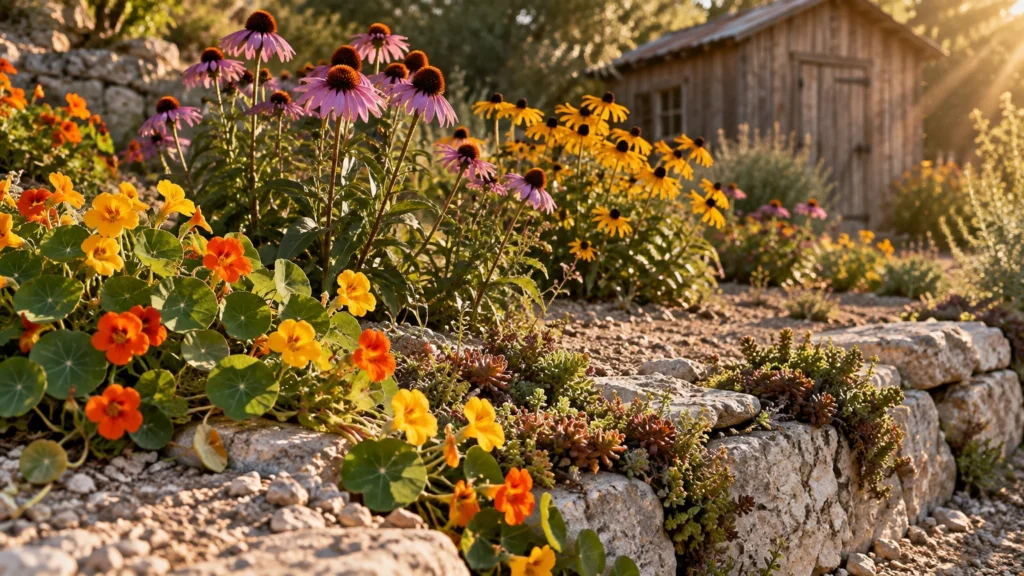
Transforming your sun-scorched yard into a refreshing oasis starts with strategically selecting the right vegetation. Plants act as nature’s air conditioners through evapotranspiration, releasing water vapor that actively lowers the surrounding air temperature. Adding broad-leaved perennials, fast-growing vines, and dense shrubs blocks harsh UV rays from baking your soil and hardscaping. You can noticeably drop the ambient temperature of your outdoor living spaces by utilizing canopy shade, wall-climbing insulators, and ground-covering foliage. Instead of retreating indoors when summer peaks, you can enjoy a lush, naturally chilled sanctuary right outside your door. Discover the specific varieties that will help your garden survive the heat and keep you comfortably cool.
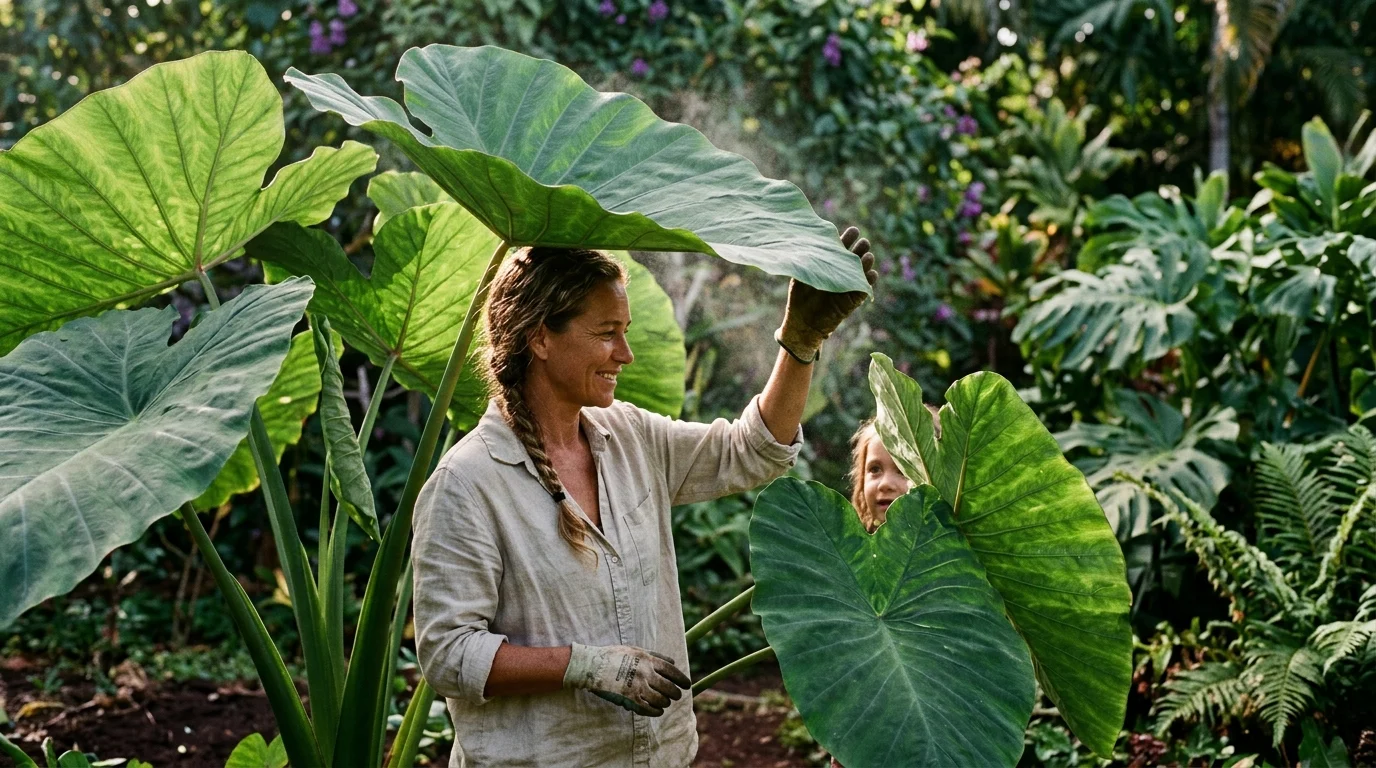
Tip #1: Grow Elephant Ears for Massive Shade and Evapotranspiration
Elephant ears feature colossal leaves that span up to three feet across, providing an instant umbrella for the vulnerable soil beneath them. These tropical beauties excel at evapotranspiration; they actively draw water from the soil and release it into the air as water vapor, cooling the immediate microclimate. When you place a cluster of elephant ears near a patio or seating area, you benefit directly from this natural air-conditioning effect. You must keep their soil consistently moist to support their massive foliage and maximize their cooling potential. Incorporate a thick layer of organic mulch around the base to trap moisture and protect their shallow roots. Because their broad leaves catch the wind, position them in a sheltered spot where they receive morning sun and afternoon shade. Varieties like Giant Taro or the dramatically dark Black Magic add incredible visual interest alongside their physical cooling properties. The resulting dense canopy will drastically lower the ground temperature, giving smaller understory plants a cool refuge during the harshest heat waves.
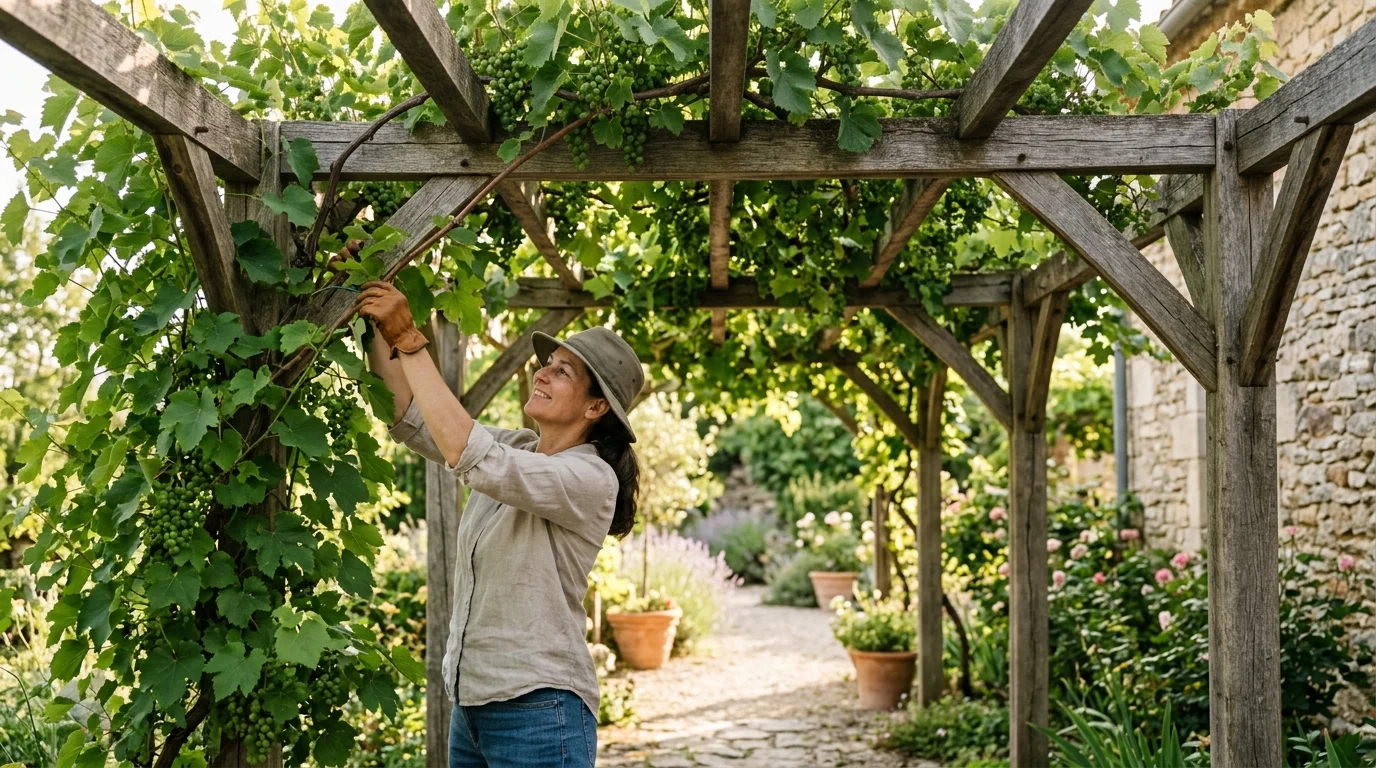
Tip #2: Train Grapevines Over a Pergola for Overhead Relief
Grapevines offer a spectacular way to build a living roof over your outdoor seating areas. When trained over a sturdy wooden pergola, a mature grapevine produces a dense canopy of foliage that completely blocks brutal ultraviolet rays. Shaded structures protected by living vines can feel up to fifteen degrees cooler than the exposed surrounding areas. The thick leaves intercept solar radiation before it ever hits your paved patio, preventing brick and concrete from absorbing and radiating heat back at you. To achieve this cooling shade, you need to tie the young vines securely to the support structure and guide their growth upward. Prune the vines aggressively in late winter to encourage vigorous, leafy growth the following spring. Beyond the incredible thermal relief, you will enjoy the added reward of plucking fresh grapes directly from your natural sunshade while relaxing outdoors. By choosing disease-resistant varieties suited for your specific hardiness zone, you guarantee a vigorous canopy that will perform reliably year after year.
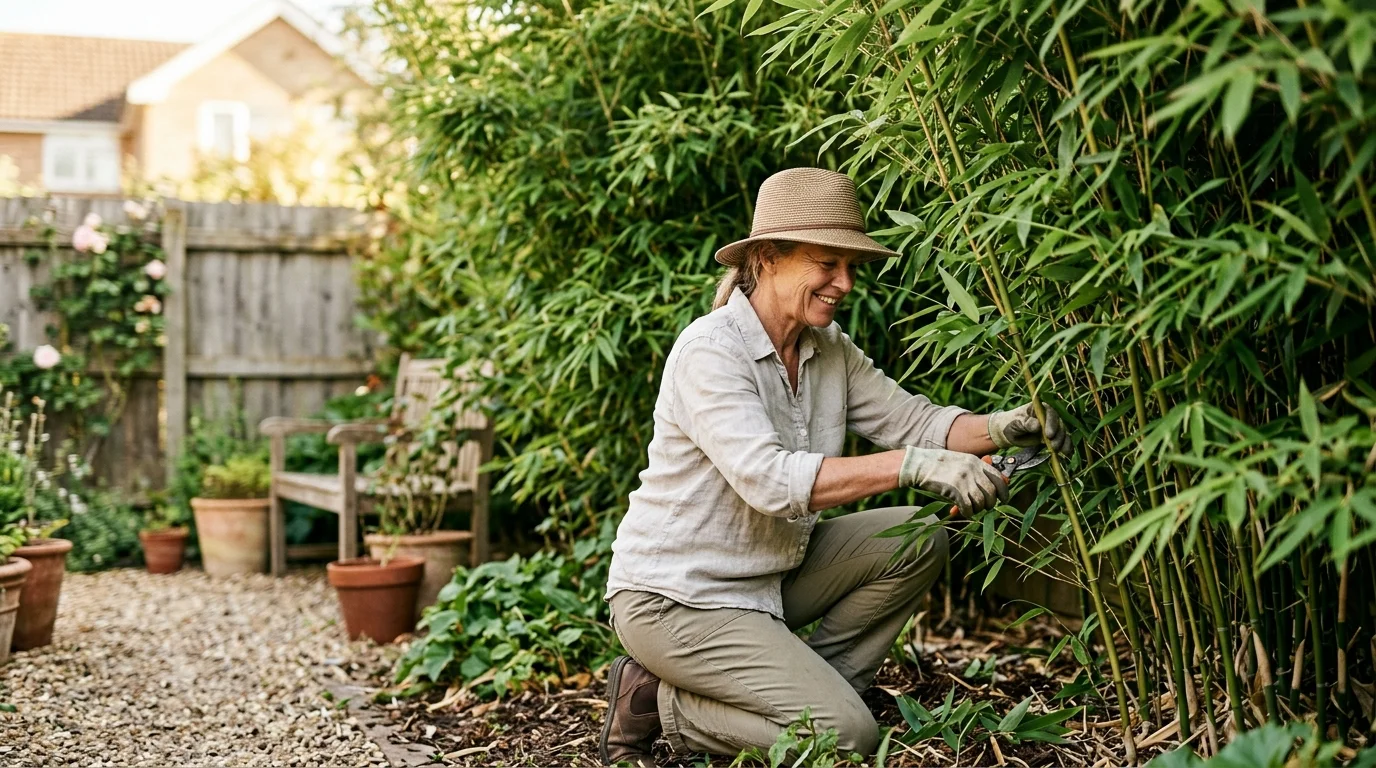
Tip #3: Plant Clumping Bamboo to Filter Hot Breezes
Bamboo introduces a fast-growing vertical screen that effectively filters hot, stagnant summer winds. A dense grove creates a shaded microclimate where the air feels noticeably fresher and cooler. As the wind moves through the tall stalks, it sheds excess heat and creates a soothing rustling sound that provides psychological relief on sweltering afternoons. You must choose a clumping variety—such as Fargesia—rather than a running type to ensure the plant stays contained and manageable in a home landscape. Plant your clumping bamboo along the western edge of your yard to intercept the intense afternoon sun. Water the clumps deeply and frequently during their first two seasons to establish a robust root system. Applying a thick layer of nitrogen-rich mulch will feed the grasses and trap essential moisture. Once established, these towering grasses serve as an exceptional privacy hedge and a powerful thermal barrier that significantly drops the ambient temperature of your garden sanctuary.
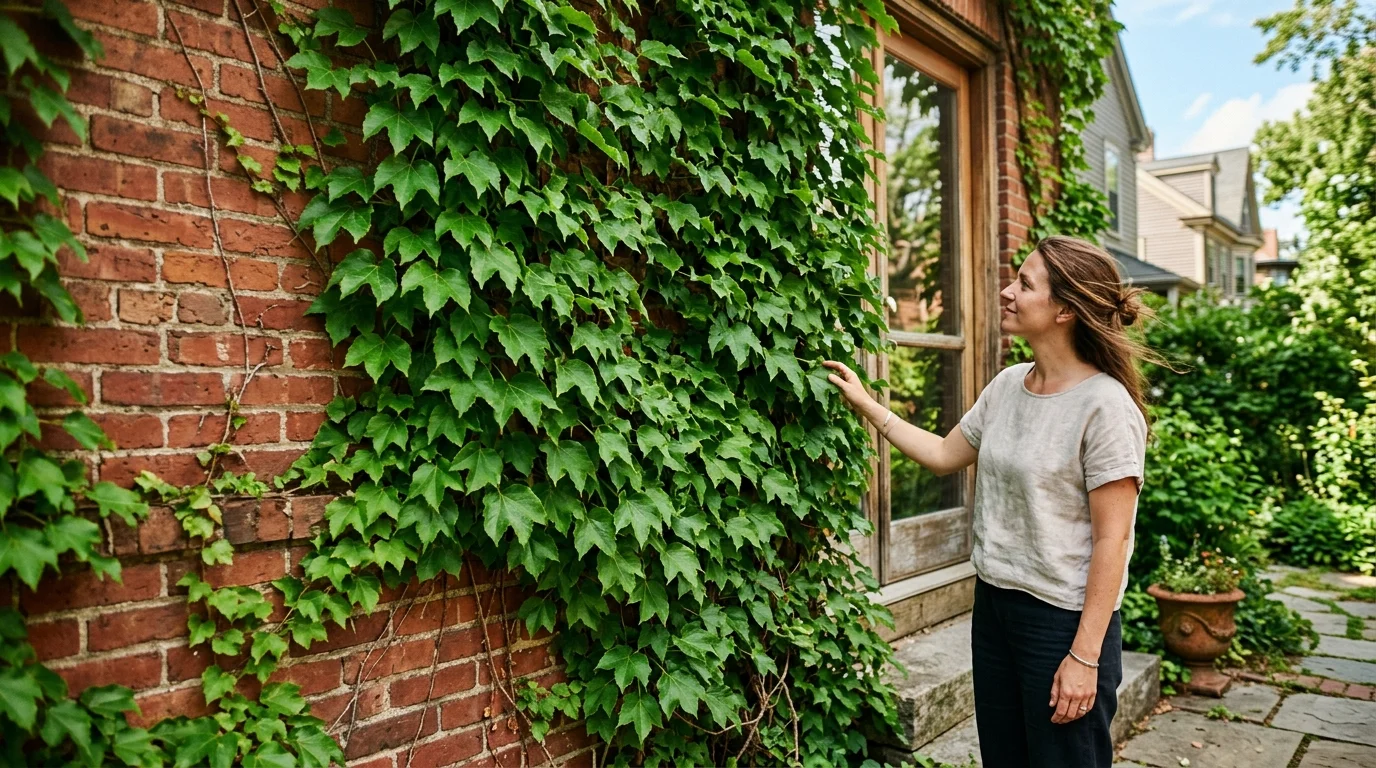
Tip #4: Utilize Boston Ivy to Cool Sun-Baked Walls
Boston ivy transforms blistering brick and stone walls into beautifully insulated surfaces. Unprotected masonry absorbs intense heat all day and slowly releases it throughout the night, keeping your garden uncomfortably warm long after the sun goes down. A lush layer of Boston ivy physically blocks the sun from baking your walls, creating a buffer zone of cooler air between the leaves and the stone. This living insulation dramatically reduces the surface temperature of your hardscaping. You can easily train Boston ivy to scale fences, retaining walls, and home exteriors without the need for additional trellises. Plant the vines in well-draining soil and water them regularly until they take hold of the surface. Maintain control of the growth by trimming the ivy away from gutters, windows, and rooflines twice a year. The resulting wall of greenery will instantly refresh the visual aesthetic of your yard while noticeably lowering the local heat index during peak summer days.
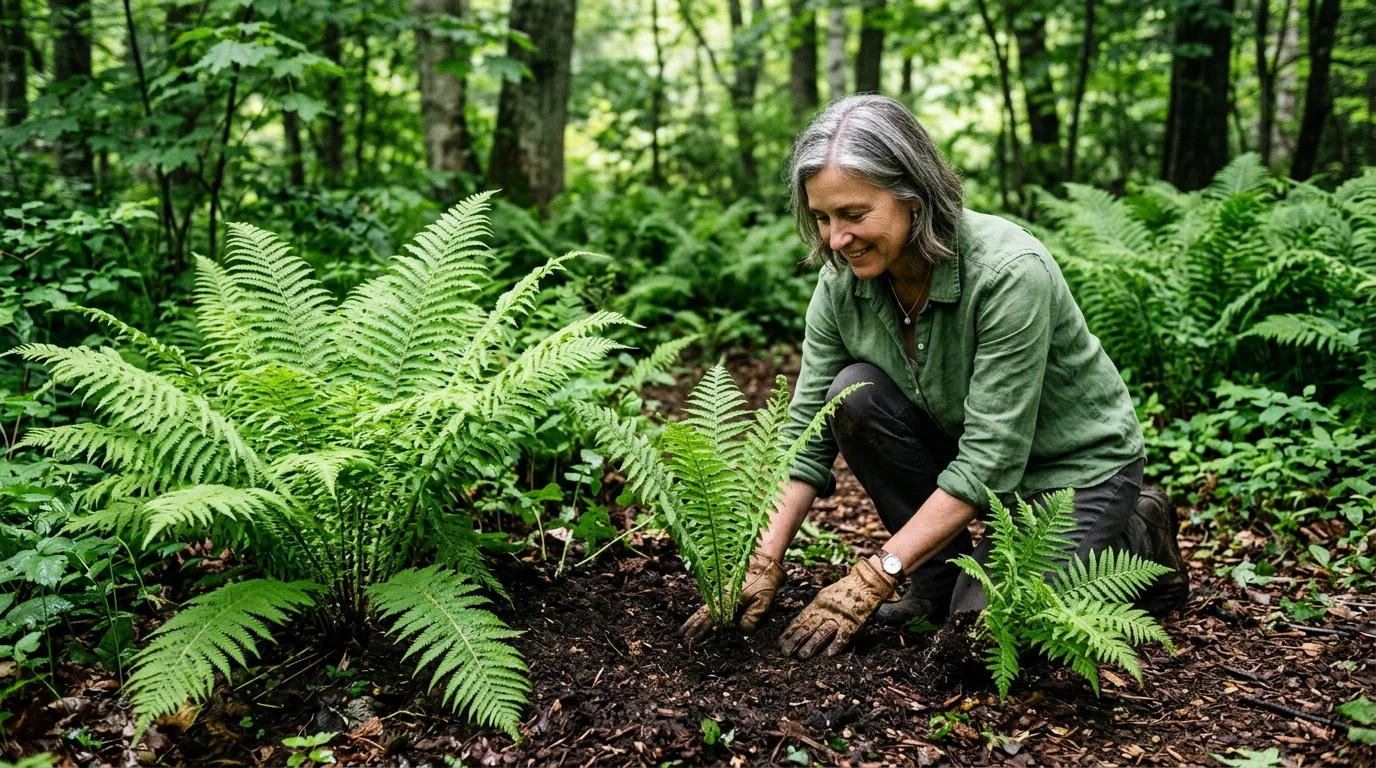
Tip #5: Add Ostrich Ferns to Cool the Soil and Retain Moisture
Ostrich ferns act as a phenomenal ground-level coolant by completely shielding the earth from harsh solar rays. Their large, feathery fronds spread out to create a continuous canopy just a few feet above the dirt. This dense shade prevents the sun from evaporating essential soil moisture, ensuring the root zones of your neighboring plants stay remarkably cool. The fronds also trap a layer of humid air close to the ground, which supports a thriving, heat-resistant ecosystem. Plant ostrich ferns in areas that receive dappled sunlight or deep shade, as their delicate leaves will scorch in direct afternoon heat. You should amend your planting site with generous amounts of rich compost to mimic their natural woodland habitat. Because they spread easily via underground rhizomes, a few starter plants will quickly multiply into a lush, cooling carpet. Pair them with large hostas to create the ultimate woodland-inspired, heat-resistant understory that thrives with minimal maintenance.
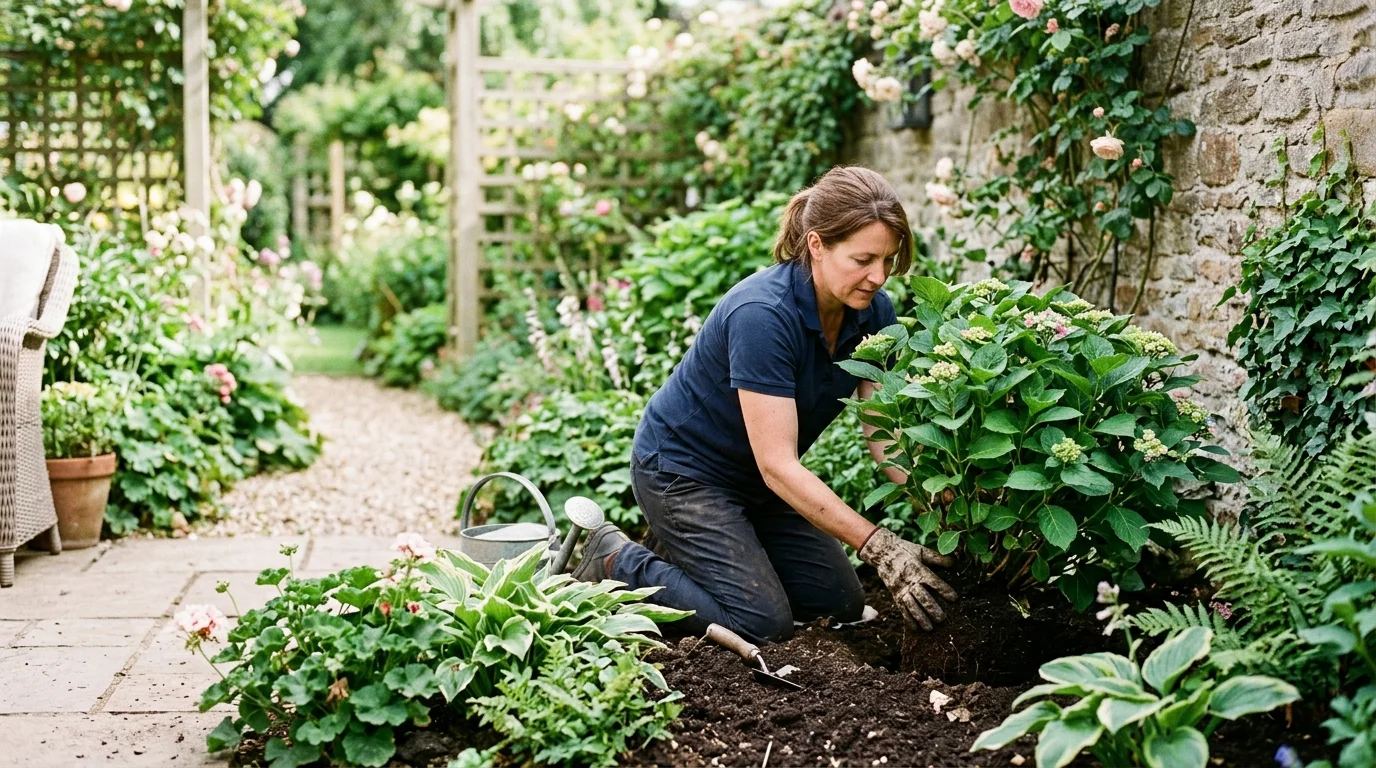
Tip #6: Plant Hydrangeas to Provide Dense Canopy Cover for Small Beds
Hydrangeas provide a double benefit during a heat wave; they deliver substantial leafy shade and offer tremendous visual cooling through their massive, cool-toned blooms. Gazing at a sea of icy blue, crisp white, or soft lavender flowers psychologically tricks the mind into feeling more refreshed. Physically, a mature hydrangea bush casts a wide shadow that cools the soil and suppresses heat-loving weeds. Their large, textured leaves also participate heavily in evapotranspiration, adding valuable moisture to dry, hot air. To keep your hydrangeas performing at their peak, plant them in a location that receives gentle morning sun and complete protection from the scorching afternoon glare. You need to water them deeply at the base to keep the roots thoroughly hydrated without wetting the leaves. Applying a two-inch layer of pine bark mulch around the base will further insulate the soil. Whether you choose panicle hydrangeas or bigleaf varieties, their robust foliage will actively improve the microclimate of your garden beds.
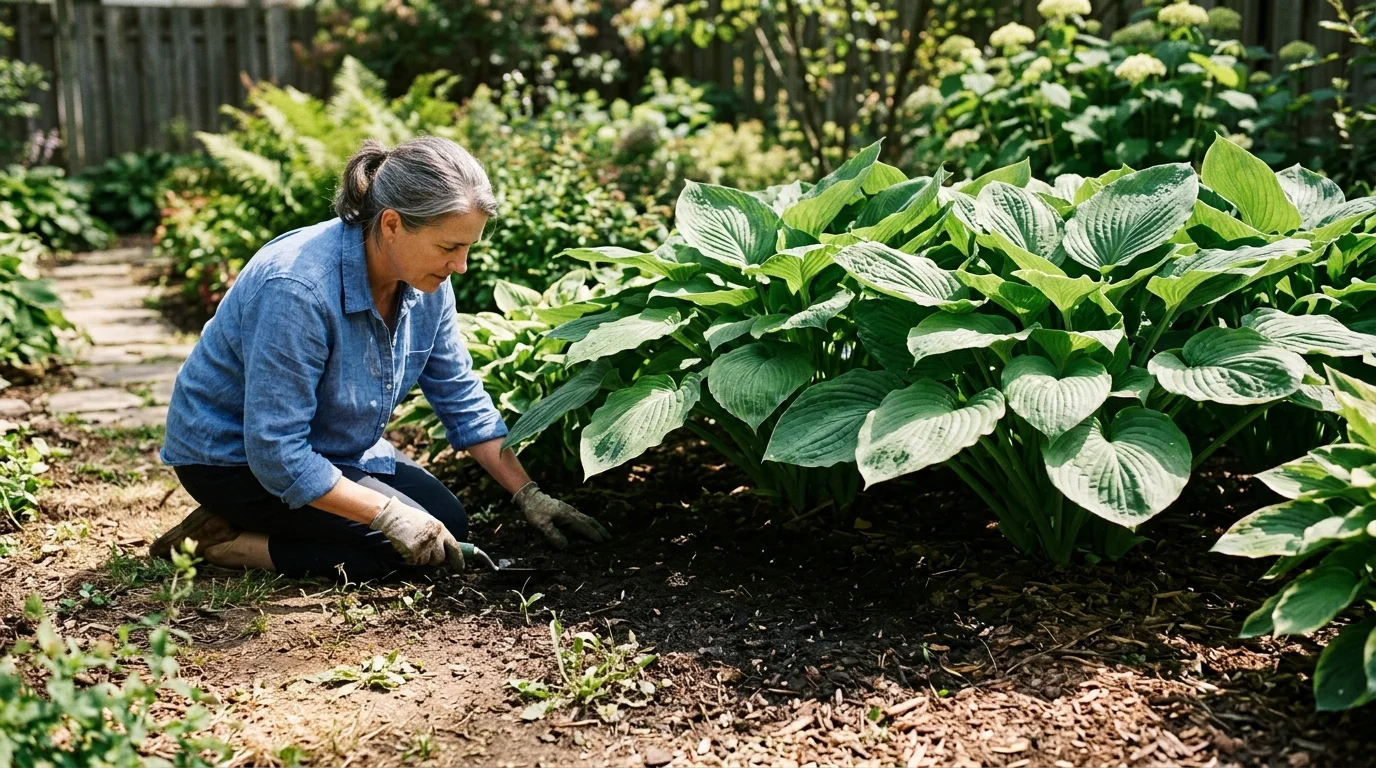
Tip #7: Grow Hostas to Protect the Ground from Direct Sunlight
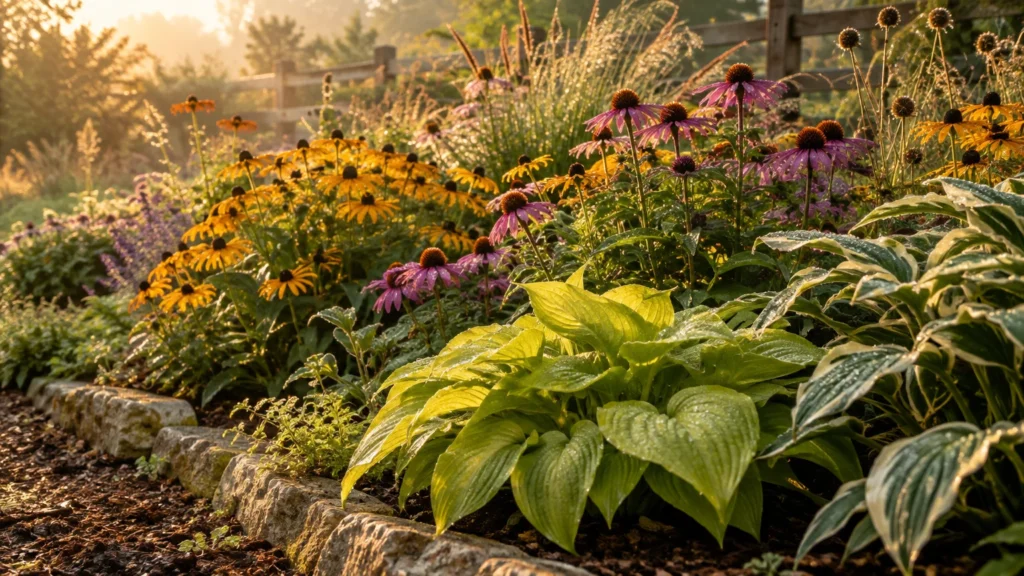
Hostas serve as the ultimate solution for dark, dry corners that unexpectedly heat up during the peak of summer. Their broad, overlapping leaves create an impenetrable barrier that totally blocks sunlight from reaching the ground. This shading effect regulates the soil temperature, providing a cool haven for essential earthworms and beneficial soil microbes. You can choose from hundreds of varieties, ranging from deep emerald greens to variegated edges of stark white and pale yellow. The lighter-colored varieties reflect more sunlight, adding to their cooling efficiency. Plant hostas generously beneath large trees or along the north side of your home to maximize their impact. You must keep a close eye out for slugs and snails, which love to hide in the cool, moist environment the hostas create. Water them deeply once a week, directly at the soil level, to encourage deep root growth. Dividing overgrown hosta clumps every few years keeps the plants vigorous and gives you free greenery to expand your shaded zones.
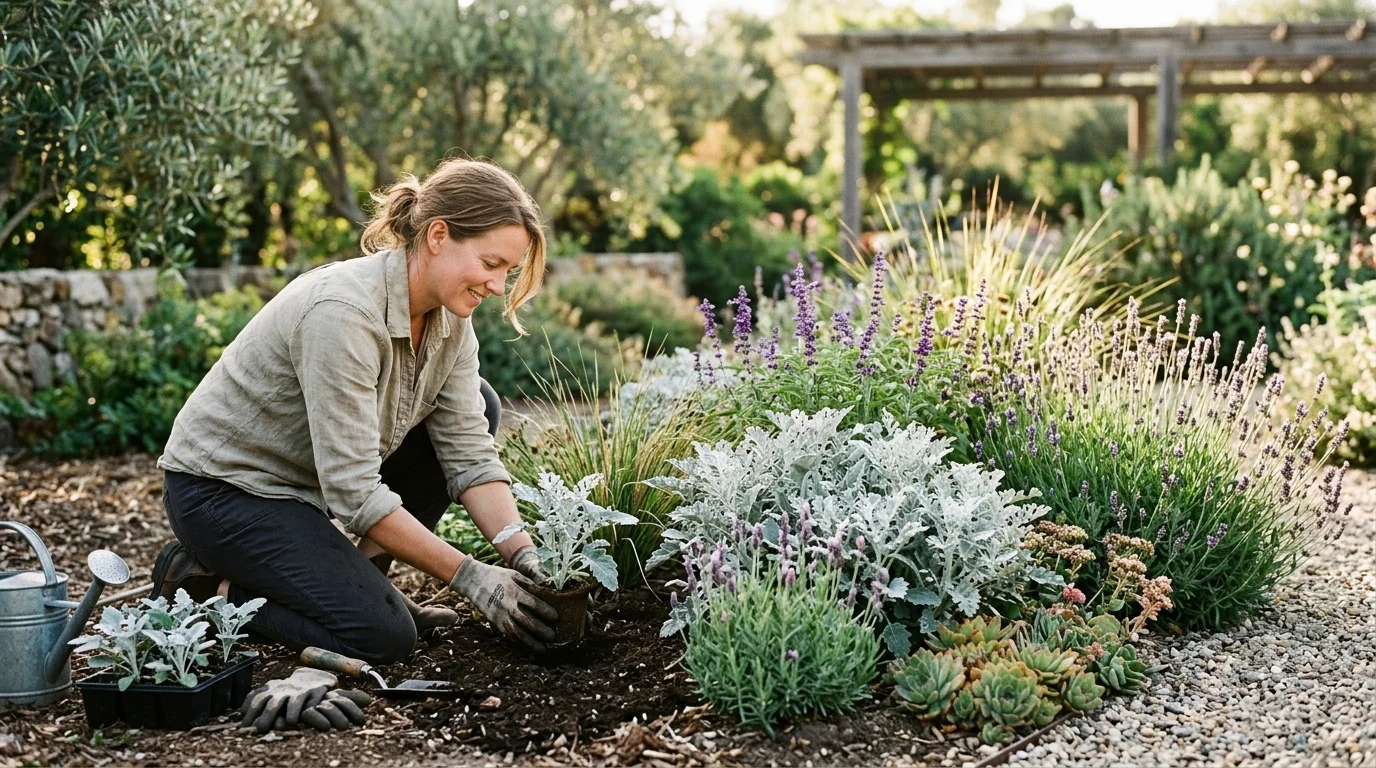
Tip #8: Create a Heat-Resistant Oasis with Silver-Leaved Dusty Miller
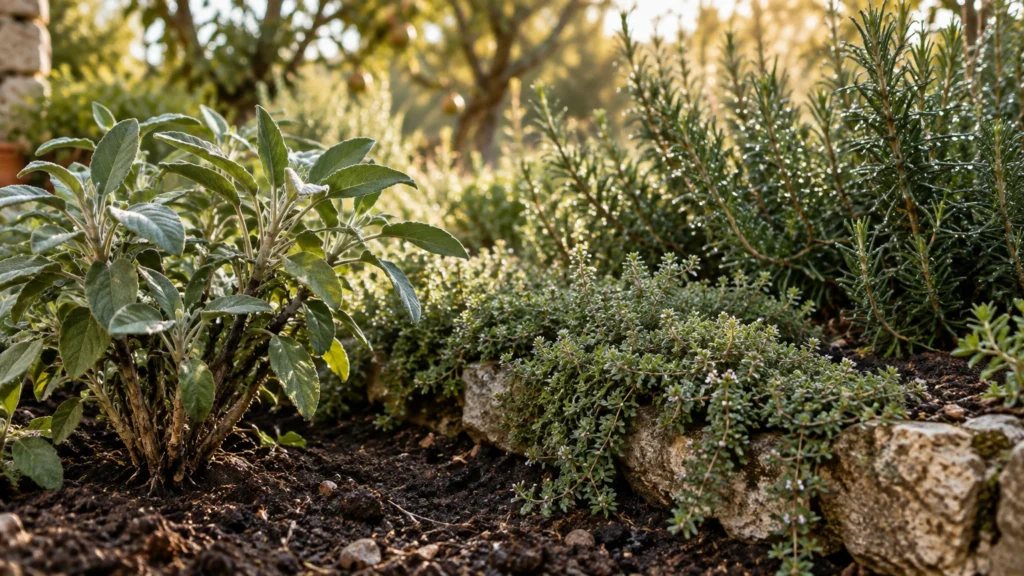
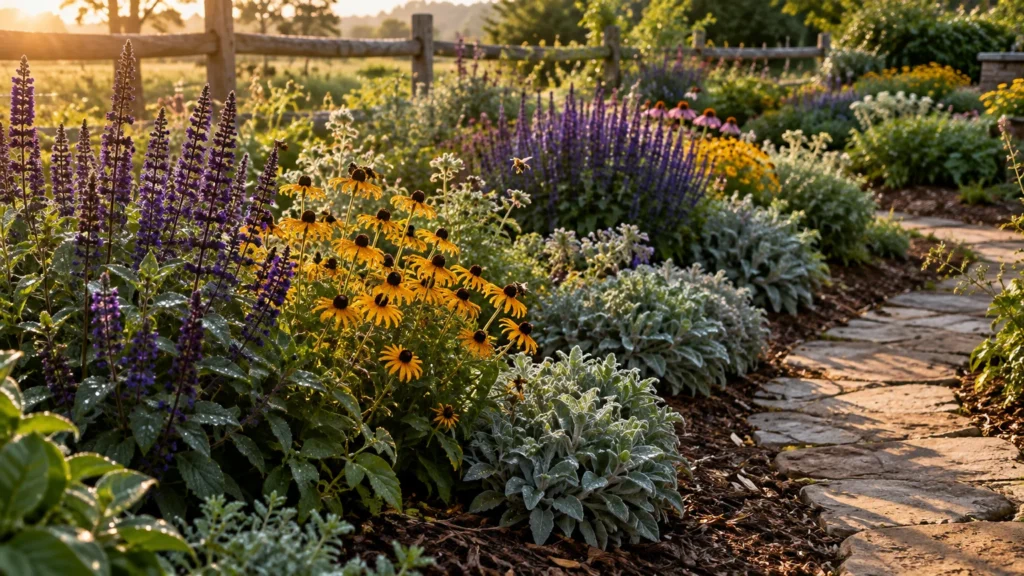
Dusty miller introduces an essential element of sunlight reflection to your garden beds. Plants with thick, silver, or gray foliage naturally deflect harsh solar radiation rather than absorbing it. By planting a border of dusty miller, you bounce a significant amount of light away from the soil, preventing the immediate area from baking under the midday sun. This reflective quality makes the surrounding microclimate slightly cooler and protects the delicate roots of neighboring plants. The icy, frosted appearance of the finely cut leaves also provides a striking visual contrast that looks remarkably refreshing on a ninety-degree day. Dusty miller thrives in full, intense sun and requires excellent drainage to prevent root rot. Once established, this tough perennial exhibits incredible drought tolerance, making it an entirely fuss-free addition. You can use it to edge your walkways, where it will actively mitigate the heat radiating off hot concrete and asphalt.
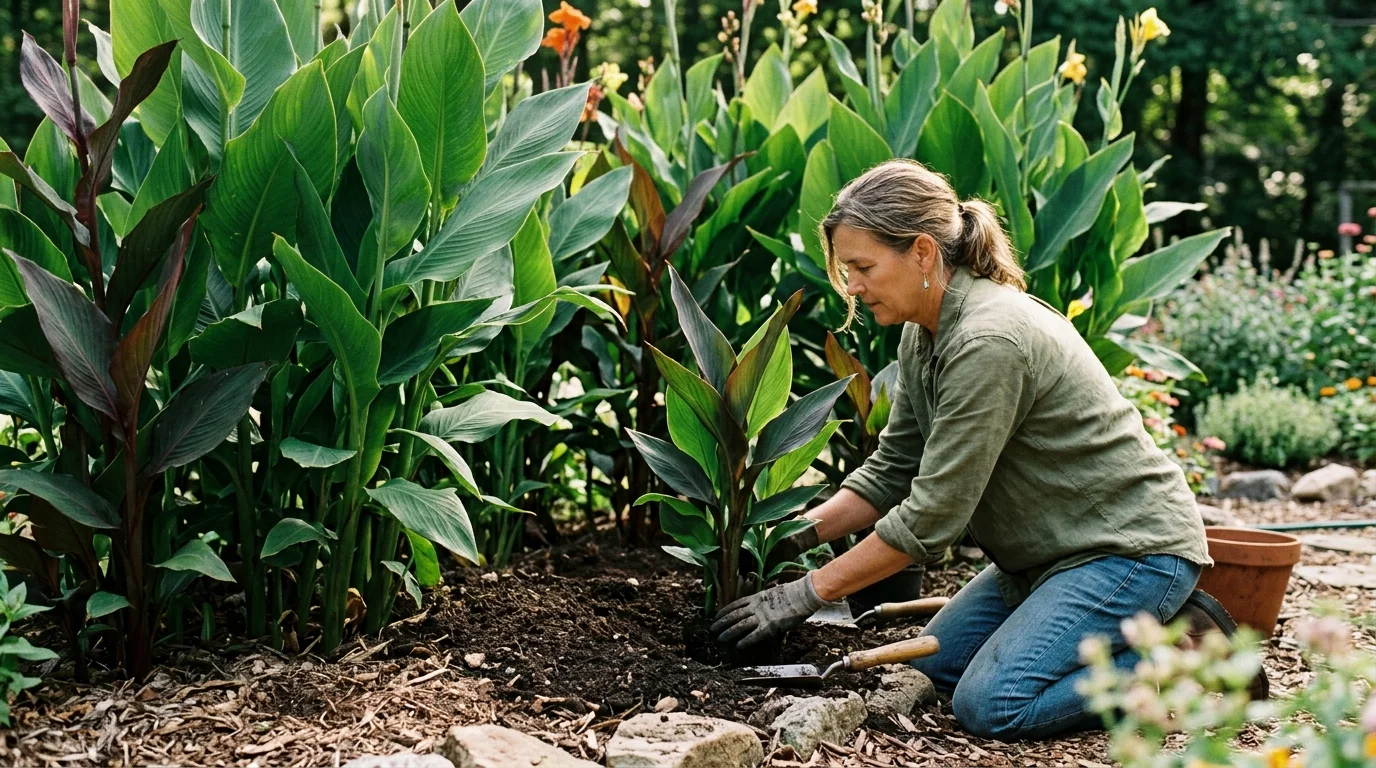
Tip #9: Cultivate Canna Lilies for Fast-Growing Foliage
Canna lilies combine rapid vertical growth with large, paddle-shaped leaves that work overtime to cool your garden. Because they originate in tropical environments, cannas genuinely love the heat, provided they receive enough water. They draw up massive quantities of water and continuously transpire it through their oversized foliage, creating a localized pocket of high humidity and cooler air. A tall row of cannas effectively functions as a temporary summer hedge, casting significant shadows across smaller garden beds or patios. You should plant the rhizomes in rich, well-amended soil after the danger of the last frost has passed. To fuel their explosive growth and high transpiration rate, you must water them aggressively; the soil should never fully dry out. Feed them every few weeks with a balanced liquid fertilizer to support both their architectural foliage and their brilliant blooms. When autumn arrives, simply dig up the rhizomes in cooler climates to store indoors.
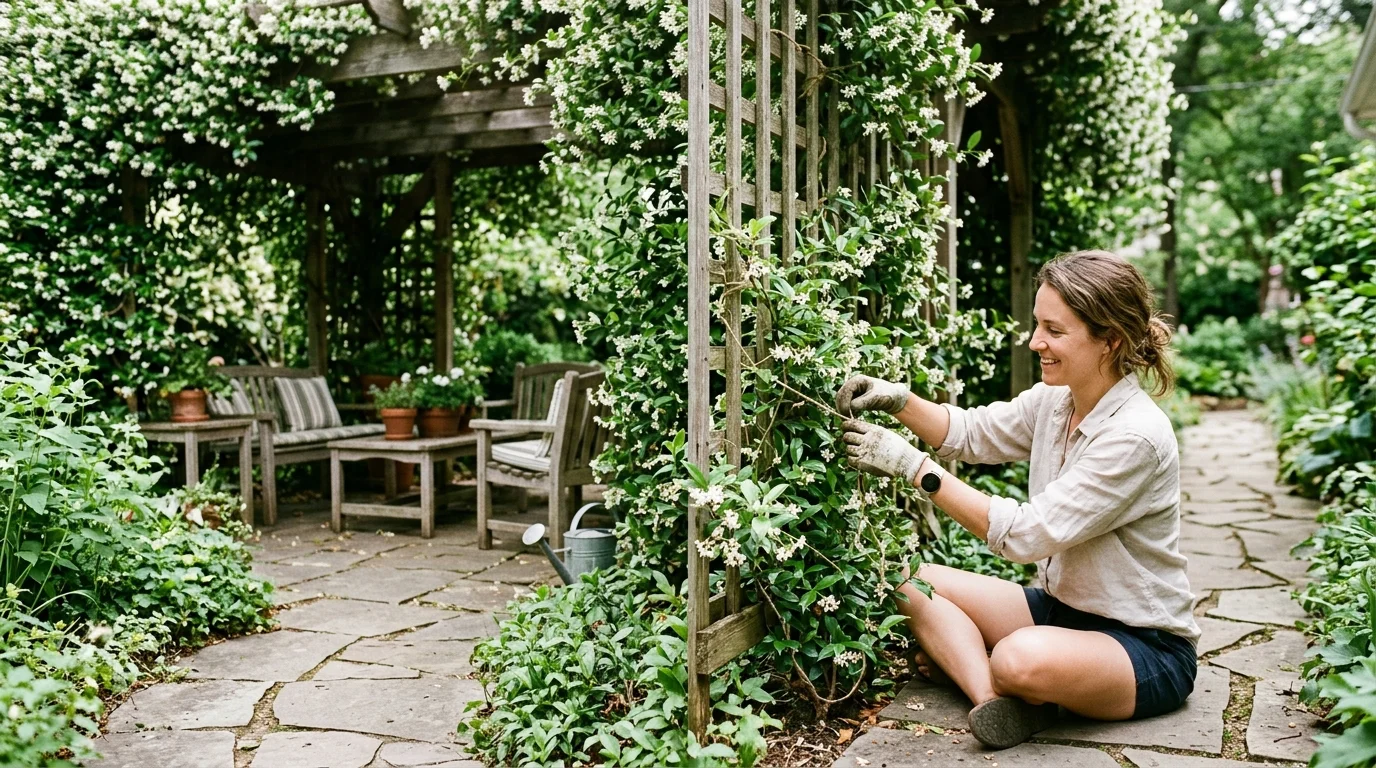
Tip #10: Plant Climbing Jasmine to Cool Down Patios and Walkways
Climbing jasmine offers a highly effective way to soften and cool down the hardscapes in your yard. When allowed to scramble up a trellis or wrap around porch columns, its dense foliage blocks sunlight from hitting the brickwork and wood, stopping those materials from holding onto daytime heat. The vines transpire moisture as they grow, contributing a gentle cooling effect right where you want to sit and relax. Beyond the physical temperature drop, the star-shaped white flowers release an intoxicating fragrance that makes your outdoor space feel like a luxurious, breezy resort. You need to provide a sturdy support system, like a wire grid or wooden lattice, to help the twining stems climb efficiently. Plant your jasmine in a spot that gets plenty of light but is shielded from the absolute hottest afternoon rays. Training the vines horizontally across the top of a trellis will encourage thicker growth, maximizing the amount of shade and cooling transpiration it delivers.
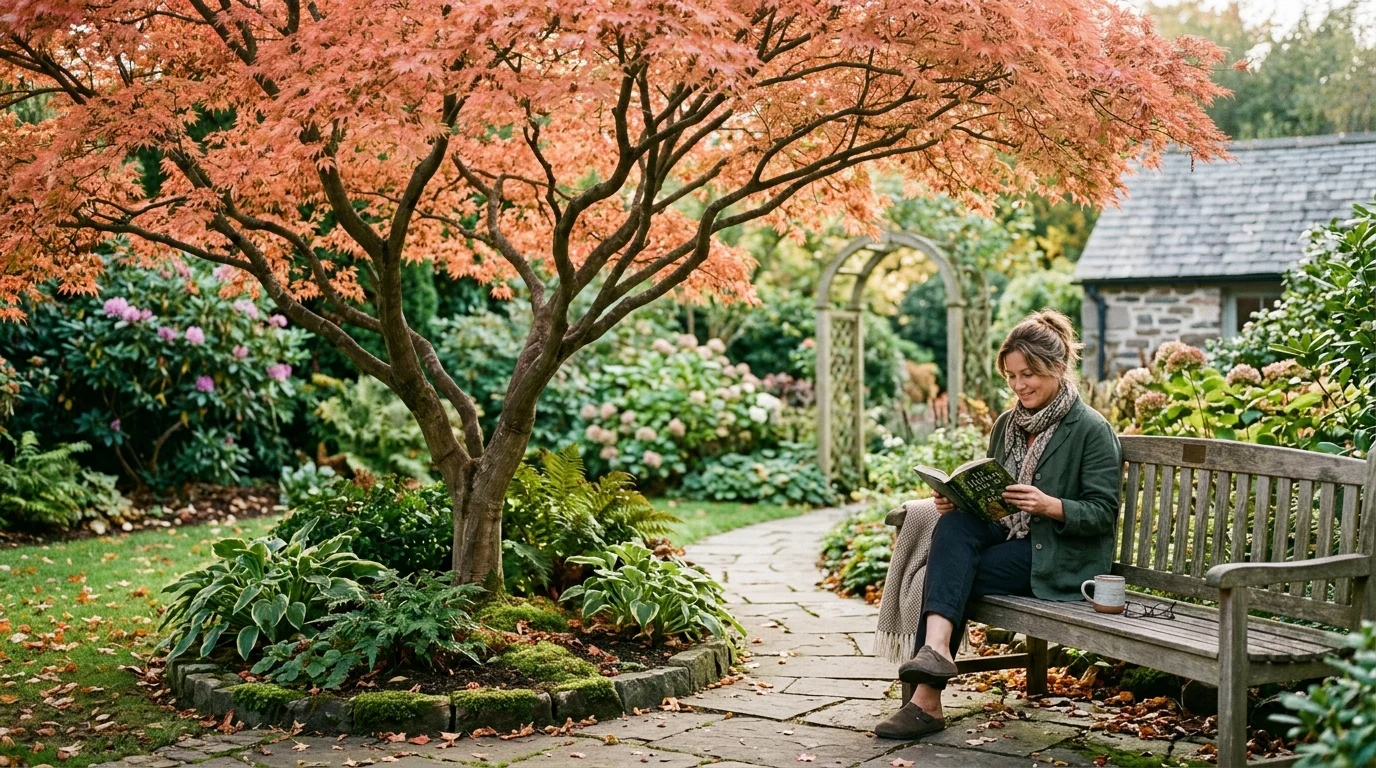
Tip #11: Anchor Your Yard with a Japanese Maple for Elegant Shade
Japanese maples serve as the perfect anchor for a cool, serene garden landscape. Unlike massive oak or maple trees that require decades to mature, a Japanese maple provides a beautiful, deeply shaded canopy in a relatively short amount of time without overwhelming a modest yard. The intricate, layered branches diffuse harsh sunlight, turning an intensely bright spot into a tranquil area of dappled, cooling shade. Placing a garden bench directly beneath a Japanese maple guarantees a comfortable retreat during a heat wave. To ensure the tree thrives, you must carefully select a planting site protected from aggressive, drying winds, which can easily scorch the delicate leaf tips. Mulch the root zone heavily to mimic the forest floor and ensure consistent soil moisture. Water them regularly, as dry soil coupled with high heat causes significant stress to their root systems. The elegant structure and profound shade cast by this exquisite tree will immediately lower the temperature of your entire garden layout.
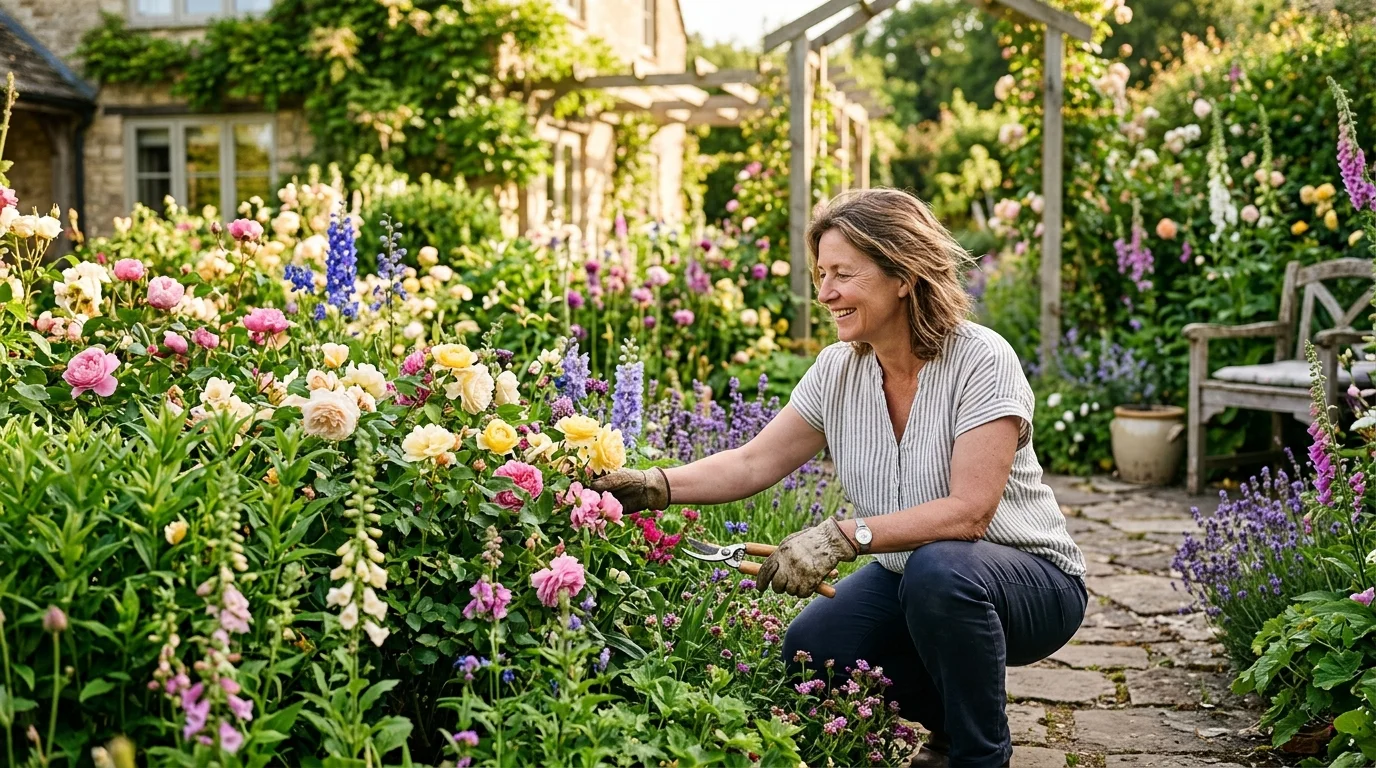
Putting It All Together: Enjoy Your Beautiful Garden
Transforming a sweltering yard into a manageable, cooling oasis is entirely within your reach. By strategically layering your landscape with canopy trees, climbing vines, and broad-leaved perennials, you actively harness the power of evapotranspiration and dense shade. You no longer have to surrender your outdoor living spaces when the temperatures soar. Every vine you train up a pergola and every ground cover you plant to shield the soil works together to lower the ambient heat index of your property. Implement these eleven plant choices to build a resilient, beautiful environment that thrives despite the harsh summer sun. Provide consistent watering and strategic mulching to ensure these natural air conditioners operate at maximum capacity. Grab your trowel, map out your sunny spots, and start planting your way to a cooler, more comfortable backyard sanctuary today.
Frequently Asked Questions
How long does it take for climbing vines to provide noticeable shade?
Fast-growing vines like climbing jasmine and Boston ivy can provide significant coverage in just two to three growing seasons. If you provide consistent watering and a sturdy trellis system early on, you will see a massive reduction in ambient heat by the end of their second summer in the ground.
Can I grow these cooling plants in containers on my patio?
Absolutely. Elephant ears, canna lilies, and hostas thrive in large containers. Potted plants give you the flexibility to move your natural shade exactly where you need it most. Just remember that containers dry out much faster than garden beds, so you must check their soil moisture daily during a severe heat wave to keep the evapotranspiration cycle going.
Does increasing garden humidity make a heat wave feel worse?
In a closed, stagnant indoor environment, high humidity feels oppressive. However, outdoors, the process of evapotranspiration actively cools the air as the water transitions from a liquid state to vapor. When combined with a gentle breeze or the rustling leaves of bamboo, this released moisture significantly drops the immediate air temperature around your seating areas.
What is the best time of day to water plants during extreme heat?
You should always water your garden in the early morning hours before the sun gets too intense. Morning watering ensures the moisture reaches the root zone before it can evaporate off the soil surface. This equips your plants with the essential hydration they need to actively transpire and naturally cool the air throughout the hottest parts of the day.
For region-specific advice, consult your local University Extension program (find yours via the USDA directory). For plant databases and inspiration, visit the Missouri Botanical Garden or the Royal Horticultural Society.
Disclaimer: This article provides general gardening advice. Always consider your specific climate, soil conditions, and local pests. Follow safety guidelines when using gardening tools and products.