Protecting your garden during severe summer heat requires knowing exactly which plants need immediate intervention before they wilt, scorch, or die. You can save your most vulnerable blooms by identifying the species that lack natural drought resistance and providing them with targeted shade, hydration, and soil cooling techniques. While native prairie plants might shrug off ninety-degree days, delicate woodland perennials and cool-season favorites will rapidly deteriorate without your help. When temperatures soar, the relentless sun evaporates soil moisture at an accelerated rate, leaving shallow-rooted and large-leafed beauties gasping for relief. By prioritizing these eleven specific heat-sensitive flowers, you ensure your garden survives the toughest heat waves and continues to thrive throughout the entire summer season.
Tip #1: Hydrangeas (Hydrangea macrophylla)
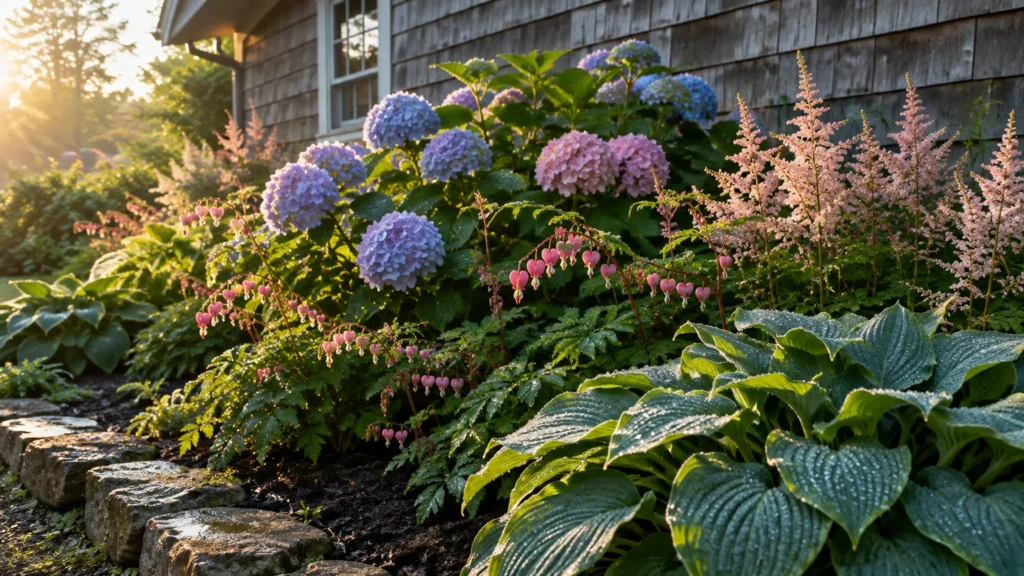
Bigleaf hydrangeas serve as the drama queens of the summer garden, and their enormous leaves act like giant solar panels that rapidly transpire water. When a brutal heat wave strikes, these beloved shrubs often droop dramatically by midday. This afternoon wilt acts as a natural defensive mechanism to conserve moisture. However, if the leaves remain limp the following morning, your shrub faces a severe hydration crisis.
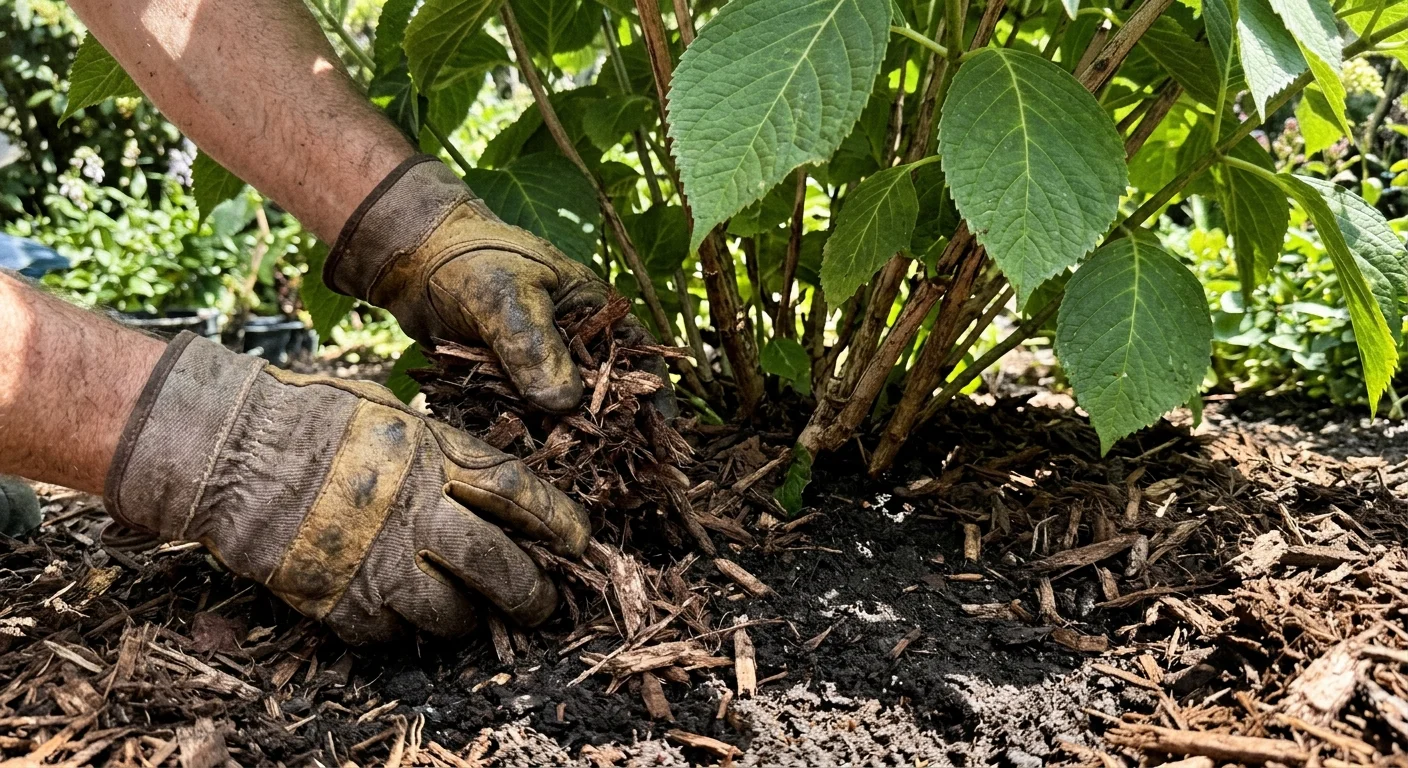
You must intervene by delivering slow, deep watering directly to the root zone using a soaker hose or drip irrigation system. Avoid splashing the foliage; wet leaves combined with high summer humidity invite fungal diseases like powdery mildew. If your hydrangeas sit in a particularly sunny spot, construct a temporary shade structure using patio umbrellas or a piece of shade cloth draped over tall stakes. Applying a thick, three-inch layer of shredded bark mulch around the base will dramatically lower the soil temperature and lock in vital moisture to keep the root system cool.
Tip #2: Fuchsias (Fuchsia spp.)
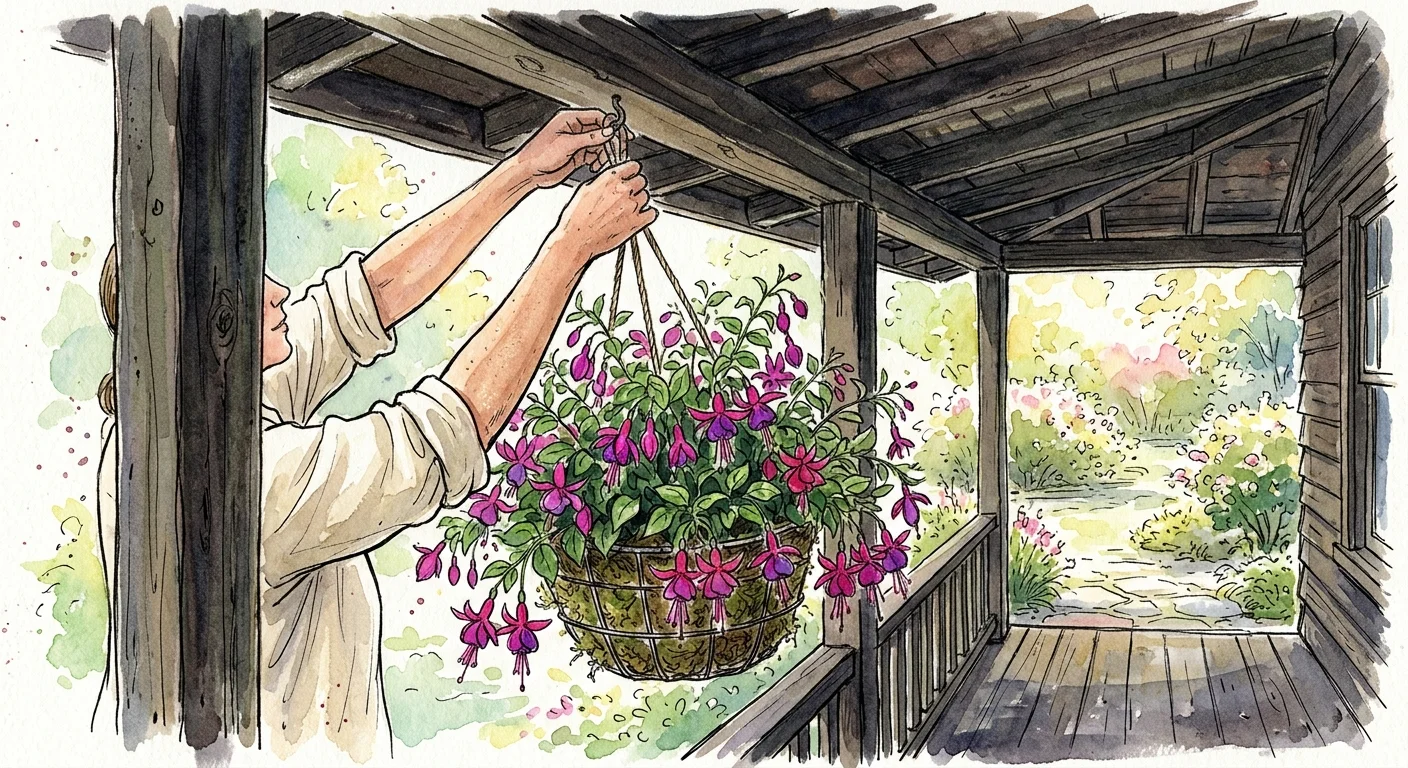
Fuchsias originate in cool, misty cloud forests, making them exceptionally poorly suited for scorching summer temperatures. Once the thermometer climbs above eighty degrees, these stunning plants often drop their delicate, teardrop-shaped blossoms and cease producing new buds entirely. Heat radiates fiercely from paved surfaces and container walls, literally cooking their sensitive, fine root systems before you even notice a problem.
You need to relocate potted fuchsias into deep, absolute shade immediately when a heat wave is forecast. Check the soil moisture twice a day; the potting mix should feel like a damp sponge—neither bone dry nor completely waterlogged. Since fuchsias absorb moisture through their foliage as well as their roots, you can help them survive by lightly misting the surrounding air during the coolest parts of the early morning. Never mist them when the sun hits the leaves, as the water droplets act as magnifying glasses and cause severe foliage scorch.
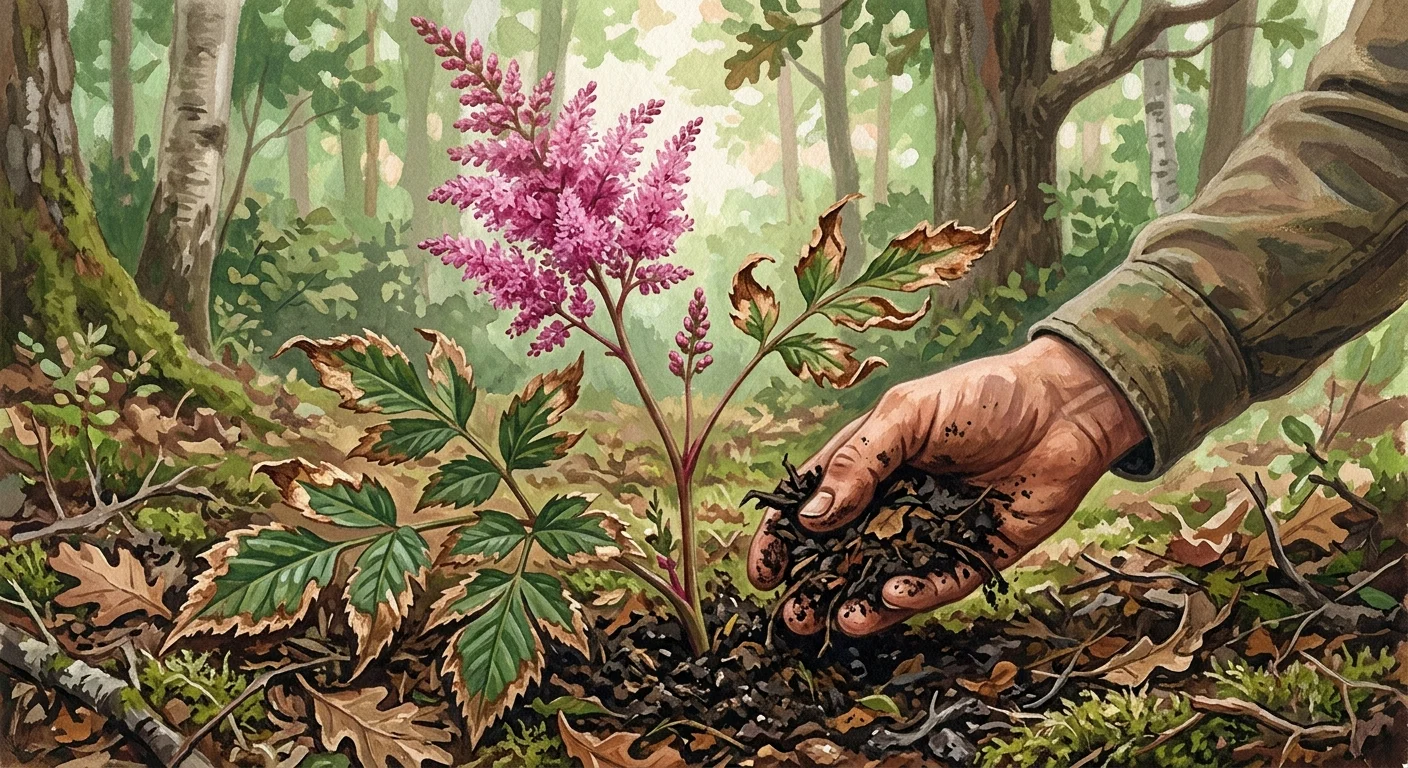
Tip #3: Astilbes (Astilbe spp.)
With their feathery, vibrant plumes, astilbes light up the darker, shaded corners of the garden, but they demand consistently moist soil to survive. During a severe heat wave, an astilbe will let you know exactly how thirsty it is when its lush green foliage turns crispy and brown at the edges. Once the leaves crisp up, they will not recover their vibrant green color, leaving your plant looking battered for the remainder of the growing season.
Prevent this irreversible damage by checking the soil around your astilbes daily. Dig your finger about two inches into the dirt; if it feels dry, you need to water immediately. Spread a generous layer of compost or leaf mold over their root zones to act as an insulating blanket. This organic mulch helps regulate the soil temperature, retains moisture, and perfectly mimics the damp woodland floor where these plants naturally thrive.
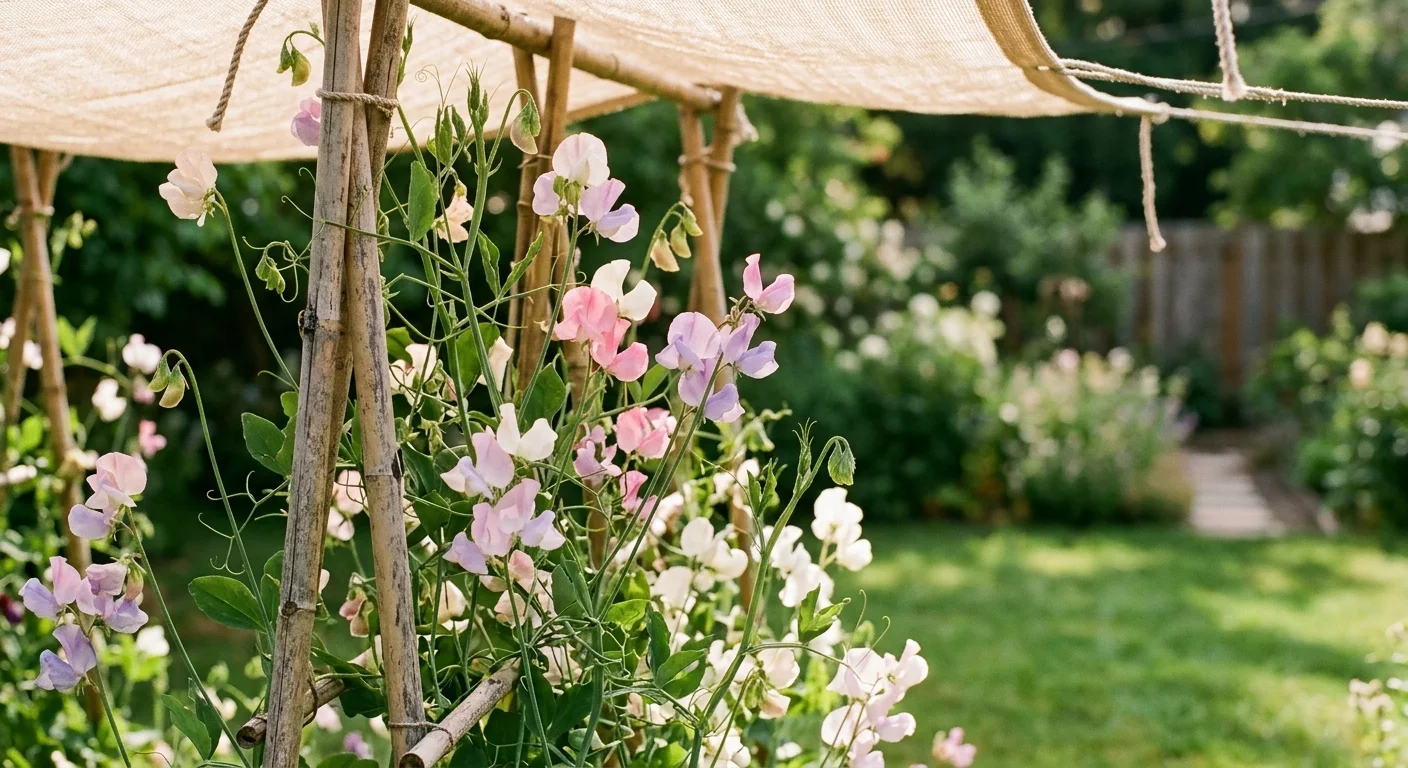
Tip #4: Sweet Peas (Lathyrus odoratus)
Sweet peas thrive in cool, brisk weather, sending out their intensely fragrant blooms during the gentle days of spring and early summer. When a relentless heat wave rolls in, these delicate climbers quickly become stressed, yellowing from the bottom up and producing far fewer, much smaller flowers. High temperatures signal to the plant that its life cycle is ending, prompting it to stop flowering and rapidly go to seed.
You can extend their lifespan by ensuring their roots remain as cool as possible. Plant low-growing, bushy annuals at their base to cast living shade over their root zones, or apply a thick layer of straw mulch. Keep up with your daily deadheading; snipping off spent blooms prevents the stressed plant from wasting precious energy on seed production. Provide a deep soak at the soil level every single morning during a heat wave to keep the vines hydrated through the scorching afternoons.
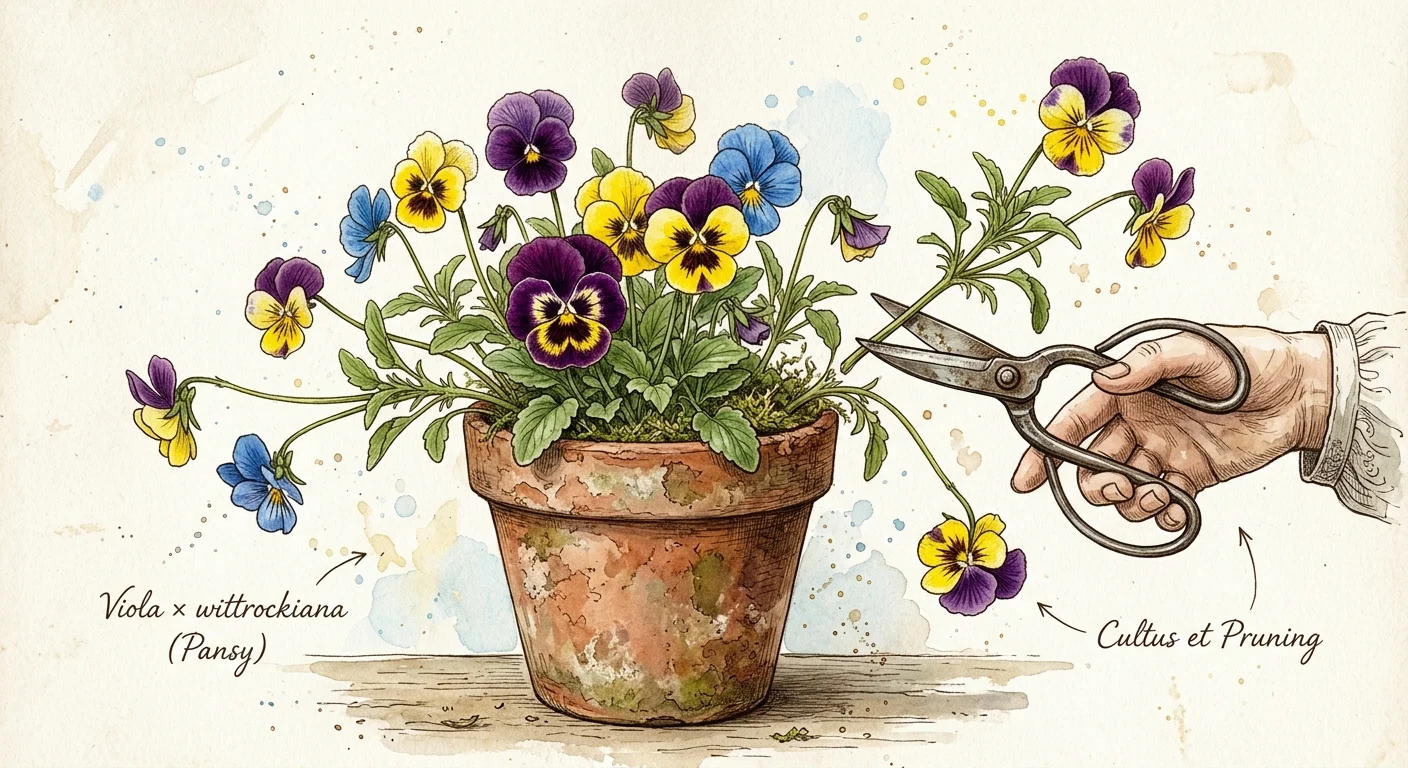
Tip #5: Pansies (Viola tricolor var. hortensis)
Pansies rank among the most popular cool-season bedding plants, but they despise the sweltering heat of midsummer. Under a blazing sun, their compact growth habit vanishes as they stretch out, becoming tall, spindly, and unattractive while their flower production grinds to a complete halt. Many gardeners assume the plants are dead, but they are simply suffering from severe heat exhaustion.
Rather than ripping them out when they look tired, you can nurse them through the heat wave. First, move any container-grown pansies to a location that receives only morning sun and full afternoon shade. For in-ground plants, cut the stems back aggressively to about two inches above the soil line. This severe pruning prevents the plant from exhausting itself and encourages a bushy, rejuvenated flush of growth once the late summer temperatures finally cool down. Keep the trimmed plants evenly moist until autumn arrives.
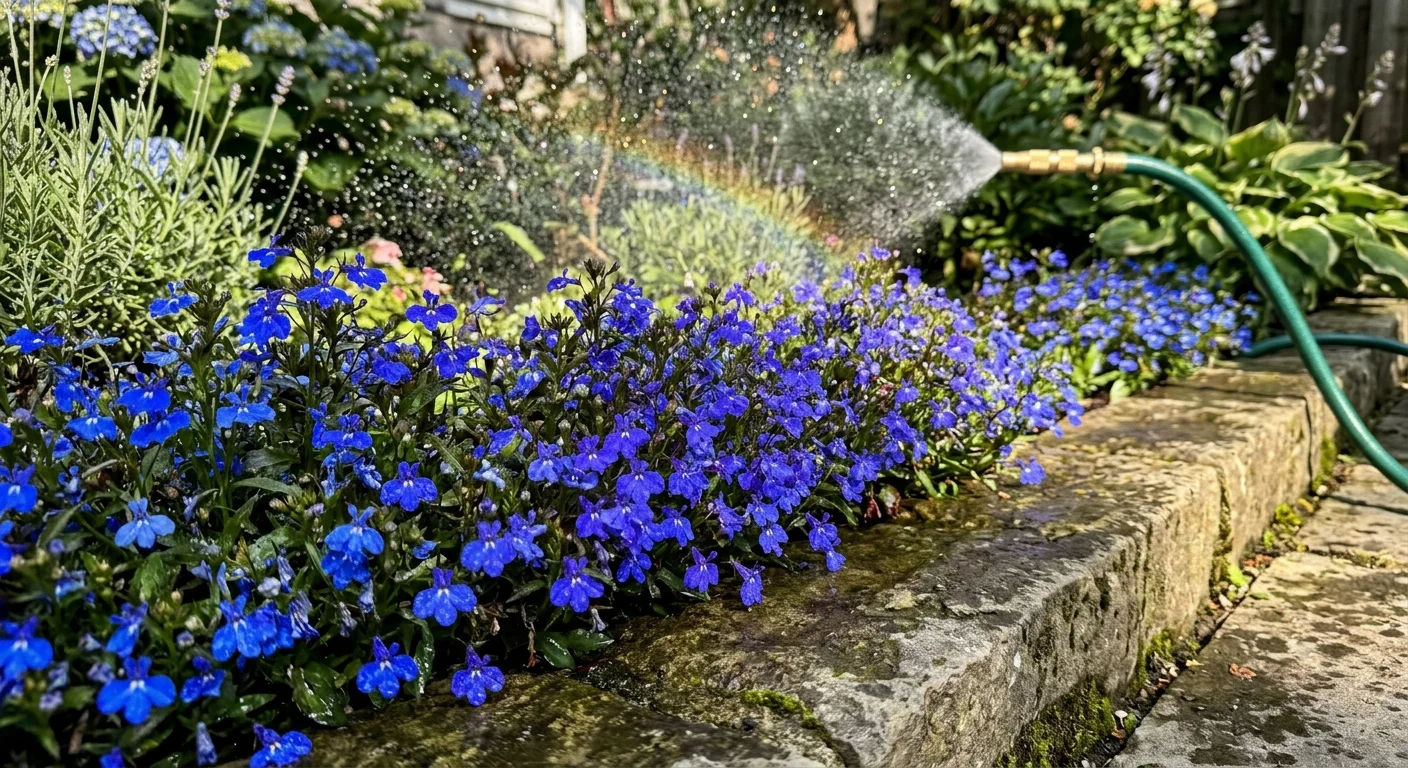
Tip #6: Lobelias (Lobelia erinus)
Trailing lobelias provide a waterfall of intense, electric blue color that cascades perfectly over the edges of hanging baskets and window boxes. Unfortunately, their extremely thin leaves and dense, shallow root systems make them highly susceptible to drying out during prolonged periods of intense heat. A single day without water in a ninety-degree environment can turn a thriving lobelia basket into a mass of brown, crispy stems.
To protect them, take your hanging baskets down from exposed, windy spots and place them directly on the shaded ground, where the ambient temperature remains significantly cooler. If your lobelias have already stopped blooming due to the heat, grab your gardening shears and trim the entire plant back by one-third. This haircut reduces the foliage surface area, minimizing water loss while setting the stage for a spectacular second act of blooms when the weather moderates.
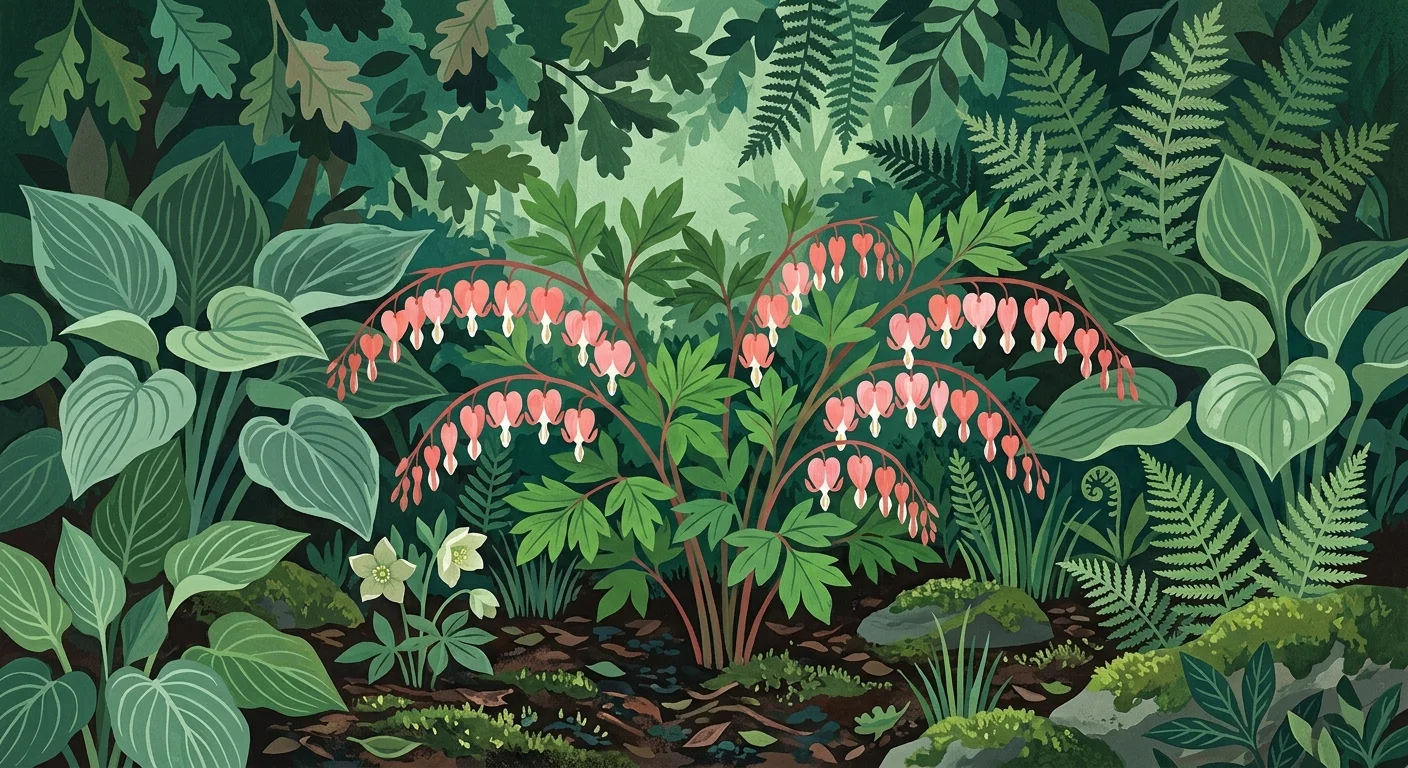
Tip #7: Bleeding Hearts (Lamprocapnos spectabilis)
The graceful, arching stems of the bleeding heart plant create a spectacular spring display, but this herbaceous perennial naturally tends toward summer dormancy. An aggressive heat wave acts as a powerful catalyst, accelerating this process and causing the foliage to turn yellow and die back much earlier than you might prefer. Do not panic and assume the plant has succumbed to the heat.
The fleshy roots are simply pulling energy underground to survive the hostile above-ground conditions. You must resist the urge to overwater a dormant bleeding heart, as soggy, hot soil quickly leads to root rot. Instead, provide a moderate, deep soaking once a week to keep the root system viable. Most importantly, mark the exact spot where your bleeding hearts are planted with a sturdy stake to prevent yourself from accidentally digging into the dormant roots later in the season.
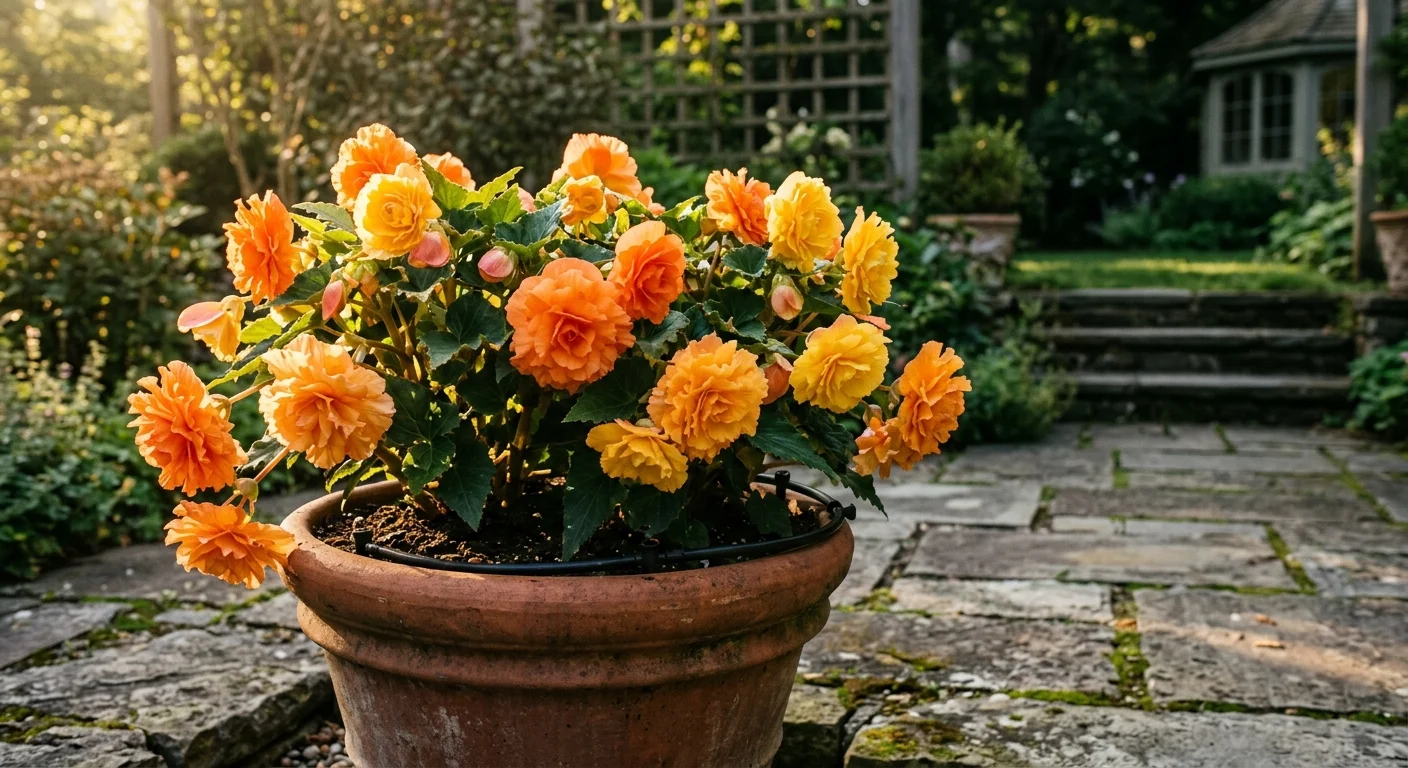
Tip #8: Tuberous Begonias (Begonia × tuberhybrida)
Tuberous begonias offer incredibly showy, rose-like blooms that brighten up shaded patios and under-canopy garden beds. However, their thick, fleshy stems are packed tightly with water, making them highly vulnerable to both extreme heat and high humidity. In a severe heat wave, these plants can quite literally melt away from stem rot if left in direct sunlight or planted in poorly draining soil.
To keep your begonias intact, ensure they receive absolutely no direct midday or afternoon sun. Dappled shade under a large tree or a covered porch provides the ideal safe haven. When watering, you must target the soil directly and keep the foliage entirely dry. Wet begonia leaves in hot, humid weather create a perfect breeding ground for powdery mildew. Allow the top inch of the potting mix to dry out slightly between waterings, striking a delicate balance between essential hydration and preventing waterlogged roots.
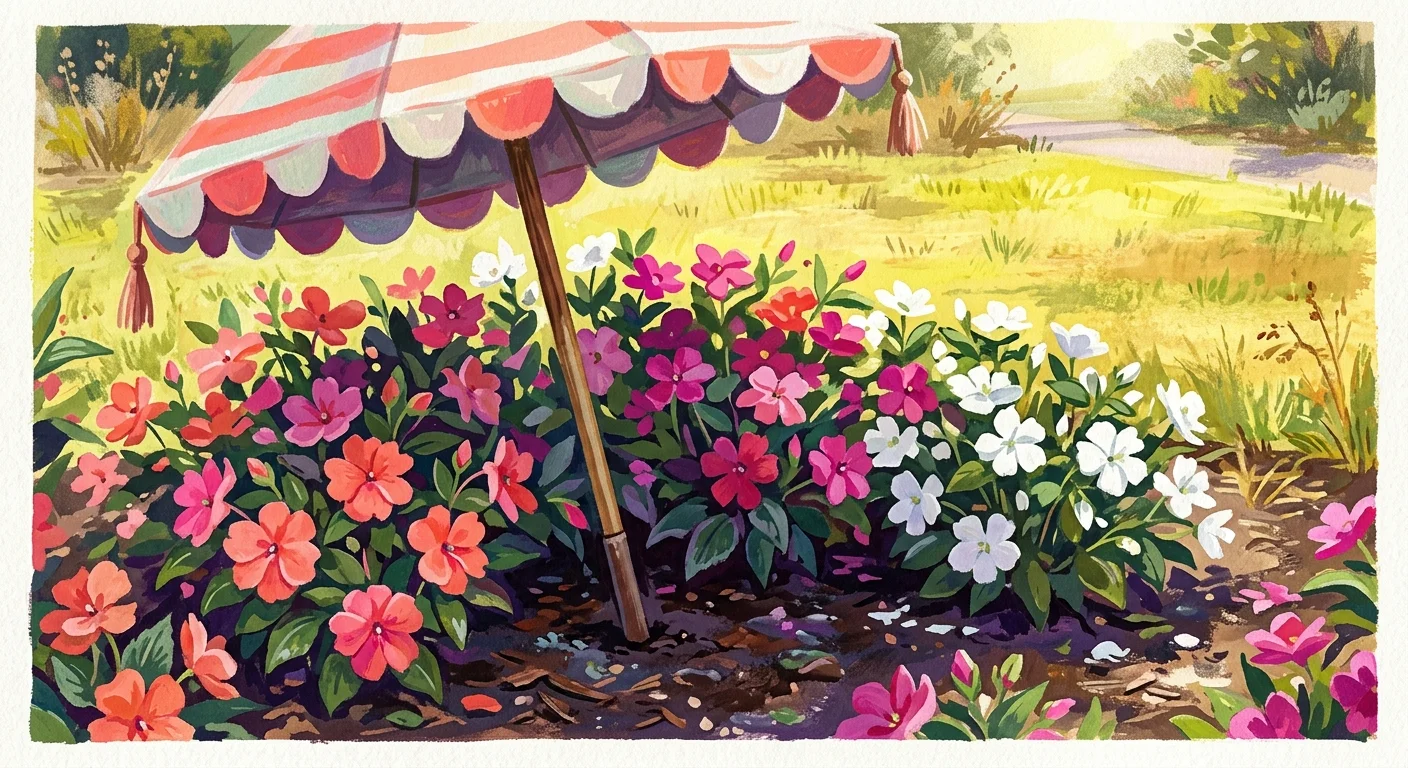
Tip #9: Impatiens (Impatiens walleriana)
Standard impatiens serve as the reliable backbone of the shade garden, providing relentless color right up until the first frost. Because they possess hollow, succulent-like stems and broad leaves, they lose moisture at an alarming rate during a heat wave. You will frequently notice them flopping over dramatically as the afternoon temperatures peak, looking completely lifeless.
While a slight afternoon wilt serves as a normal stress response, your impatiens should perk back up quickly as the sun goes down. If you check them in the early morning and they still look wilted, you need to water them immediately. Water your impatiens beds deeply early in the day, allowing the moisture to seep down into the root zone before the sun hits its peak intensity. Adding a continuous-release, water-absorbing polymer to your container-grown impatiens helps bridge the gap between waterings.
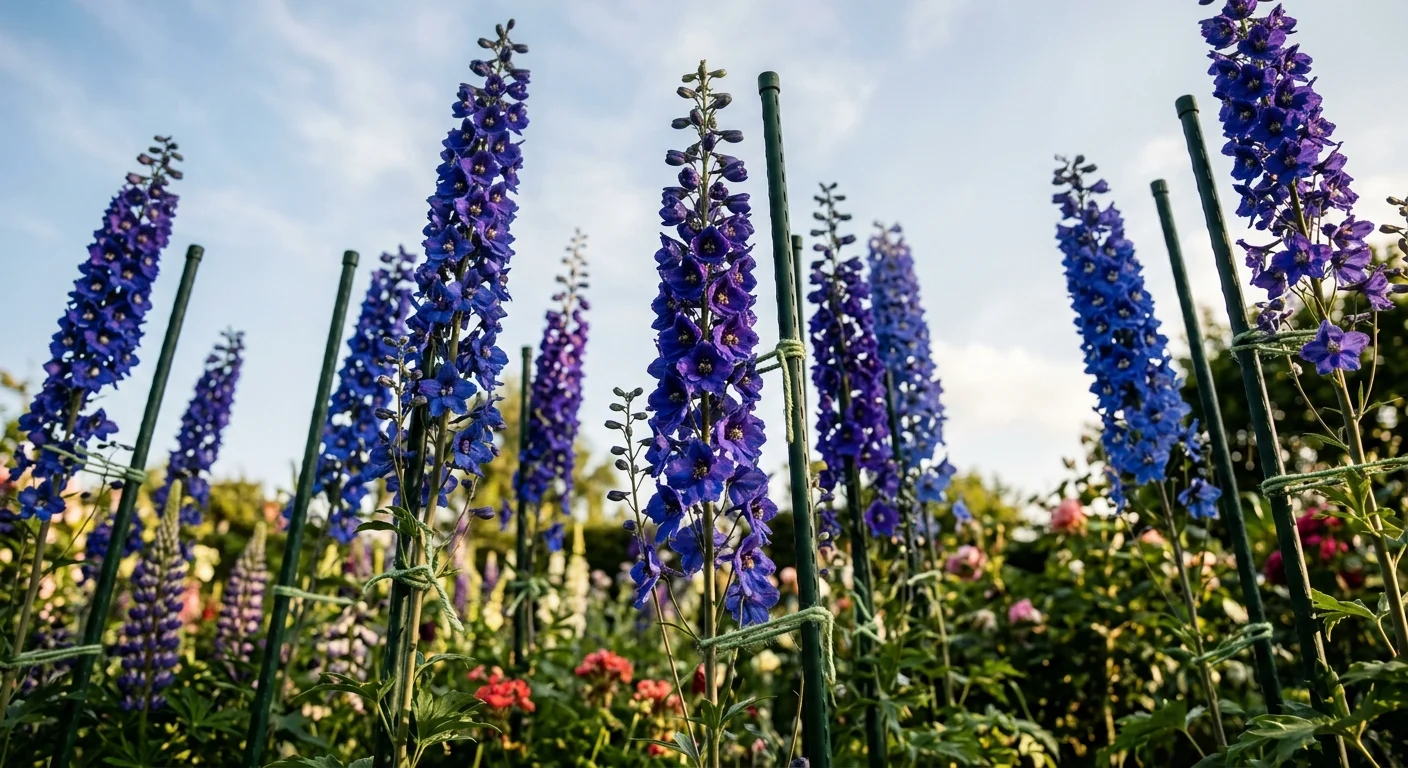
Tip #10: Delphiniums (Delphinium elatum)
Standing tall and majestic, delphiniums bring dramatic vertical spikes to the perennial border. Because they natively prefer the mild, temperate summers of the English countryside, a blistering North American heat wave easily stresses them. Their root systems sit relatively close to the soil surface, meaning the surrounding dirt heats up and dries out rapidly, depriving the massive flower spikes of necessary water.
You can protect your delphiniums by layering three inches of organic compost heavily around their base, keeping the mulch an inch away from the actual stems to prevent crown rot. Heat waves often bring sudden, violent summer thunderstorms with high winds that easily snap water-stressed, brittle delphinium stalks. Securely tie the main flower spikes to sturdy bamboo stakes using soft plant ties. Soak the soil deeply at the base of the plant twice a week.
Tip #11: Peonies (Paeonia)
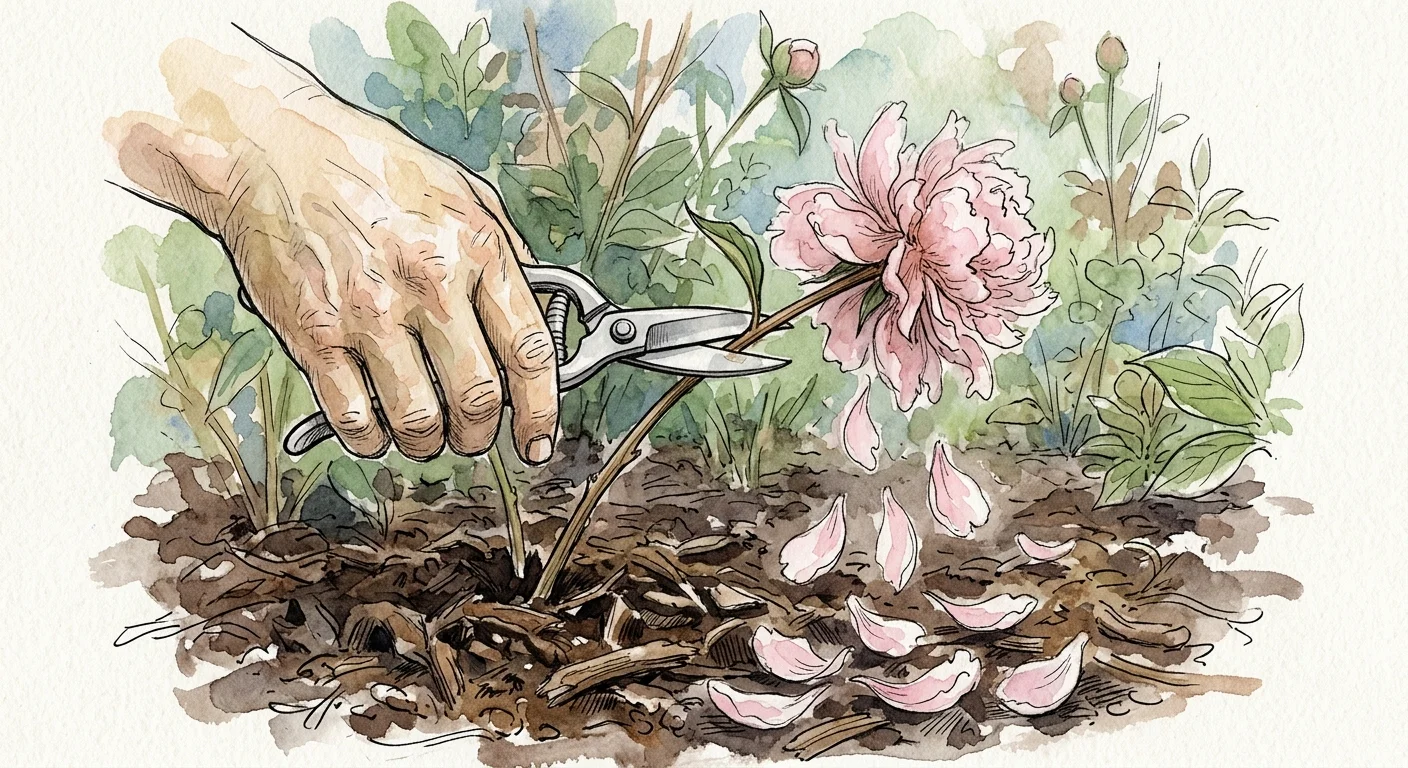
Peonies boast a well-earned reputation for long-term survival, often outliving the gardeners who initially plant them. Despite their rugged nature, a heat wave striking just as they finish blooming causes severe, invisible stress to the plant. The period immediately following the bloom cycle is highly critical; this is the exact time the plant stores energy and develops the underground “eyes” that will become next year’s flowers.
If the plant dehydrates severely during this window, next year’s blossom count will plummet. Keep your peonies robust by deploying a drip irrigation line around their drip line—the area right below the outer edge of the leaves. Run the drip line for an hour early in the morning twice a week to ensure the water reaches a depth of at least six inches. Never use overhead sprinklers, as heat and wet peony foliage guarantee a severe outbreak of fungal blights.
Putting It All Together: Enjoy Your Beautiful Garden
Maintaining a lush, vibrant garden through a blistering heat wave certainly requires extra effort, but your dedication pays massive dividends. By proactively identifying and coddling the most vulnerable flowers in your landscape, you prevent the widespread wilting and scorching that ruins so many carefully planned summer displays. Remember that the ultimate key to heat wave survival centers around timing and quiet observation.
Walk your garden every morning before the sun reaches its peak, checking soil moisture levels and looking for early signs of stress. Use mulch strategically to cool the earth, employ temporary shade structures when the sun turns brutal, and focus your watering efforts directly on the root zones. Your delicate hydrangeas, fragrant sweet peas, and vibrant fuchsias rely entirely on your attentive care to make it through the toughest weather. Armed with these targeted strategies, you can confidently steer your garden through the hottest weeks of the year and continue enjoying a breathtaking, healthy landscape until the cool relief of autumn arrives.
Frequently Asked Questions
Should I fertilize my flowers during a heat wave?
You should never apply fertilizer during a severe heat wave. Heat-stressed plants go into survival mode and intentionally slow down their active growth. Applying chemical fertilizers introduces heavy salts into the soil, which instantly pulls moisture away from the plant and burns the already dehydrated root systems. Wait until the temperatures drop and consistent rainfall returns before resuming your normal feeding schedule.
Is it better to water flowers in the morning or the evening?
Early morning watering stands as the absolute best practice during a summer heat wave. Watering at dawn provides your plants with the vital hydration they need to face the hottest part of the day, allowing the roots to absorb moisture efficiently. Evening watering leaves the foliage and soil surface wet overnight, which creates an ideal, damp environment for harmful fungal diseases to develop and spread.
How do I know if my flower is dying from heat or needs more water?
Test the soil moisture before reaching for the garden hose. Stick your index finger two inches into the dirt around the base of the plant. If the soil feels dry, the plant desperately needs water. If the soil feels wet but the plant still wilts, the roots are likely suffocating from overwatering, or the extreme air temperature is causing temporary, defensive wilting. In the latter case, provide temporary shade rather than adding more water to an already saturated bed.
Can I prune my flowers when it is extremely hot outside?
Limit your pruning strictly to deadheading spent blooms and removing entirely dead or diseased foliage. Avoid hard pruning or cutting back healthy, green tissue during a heat wave, as pruning naturally stimulates a plant to push out new growth. Forcing a plant to produce delicate new shoots when it is already struggling to survive extreme heat rapidly drains its energy reserves and can ultimately kill it.
For region-specific advice, consult your local University Extension program (find yours via the USDA directory). For plant databases and inspiration, visit the Missouri Botanical Garden or the Royal Horticultural Society.
Disclaimer: This article provides general gardening advice. Always consider your specific climate, soil conditions, and local pests. Follow safety guidelines when using gardening tools and products.