Adding bright, vibrant foliage to your living space instantly transforms the room and boosts your mood—and you do not need a horticulture degree to achieve it. Many striking houseplants forgive occasional neglect while delivering spectacular hues ranging from deep burgundy to neon green. If you want to move beyond basic green vines without adopting a complicated watering schedule, exploring easy-care, colorful varieties offers the perfect solution. You can successfully cultivate a brilliant indoor jungle by choosing species naturally adapted to typical household conditions. This guide reveals nine stunning, beginner-friendly plants that thrive on ordinary window ledges, complete with straightforward care instructions to ensure your new botanical companions flourish year-round.
Tip #1: Chinese Evergreen (Aglaonema)
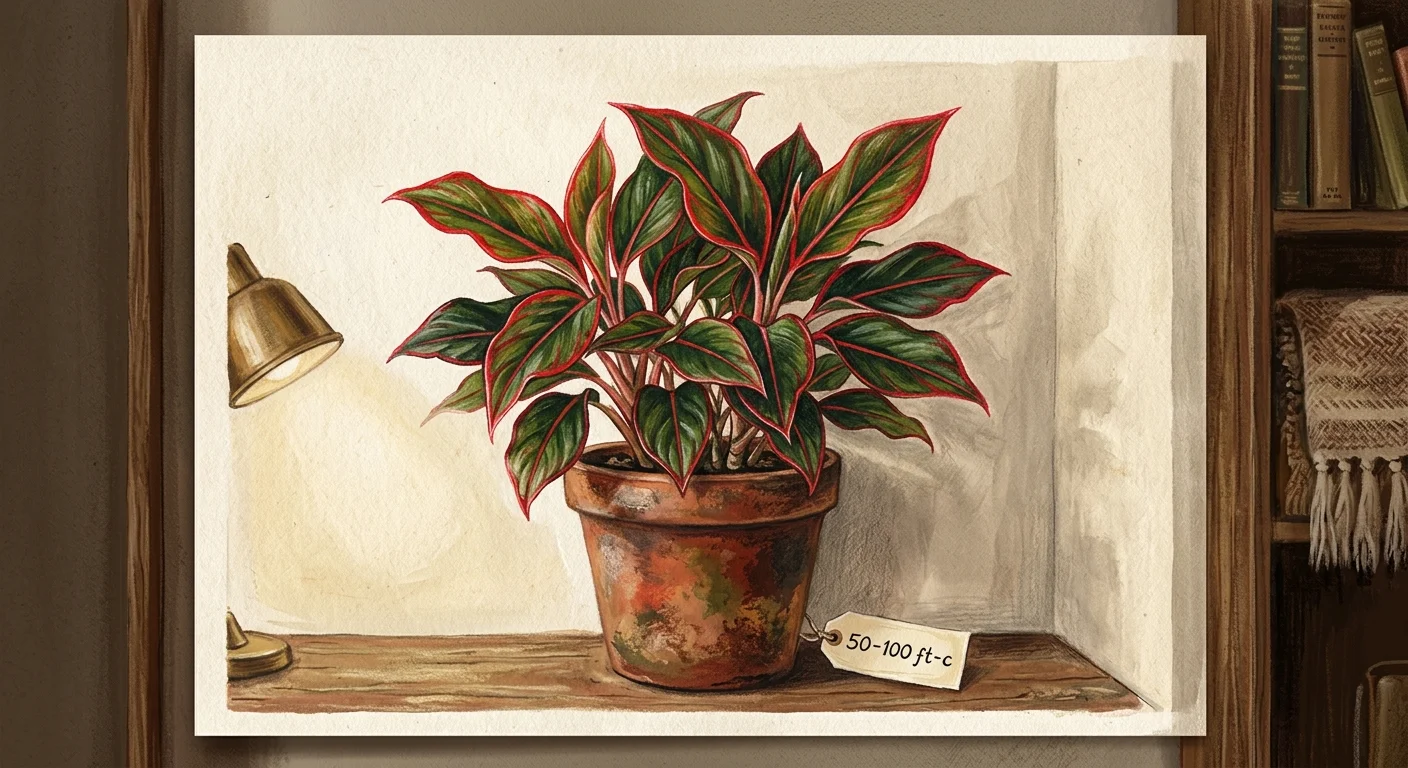
Start your indoor gardening journey with the Chinese Evergreen, an incredibly forgiving plant that commands attention. The popular Siam Aurora variety boasts fiery red margins that beautifully outline deep green centers, making it a standout feature in any room. Aglaonema thrives in environments that mimic its native tropical forest floor; this means it comfortably tolerates the dim corners of your home where other plants struggle. It requires only 50 to 100 foot-candles of light to survive, making it an ideal candidate for offices or north-facing bedrooms.
You should place this plant in low to bright indirect light, taking care to keep it completely out of harsh direct sun, which will rapidly scorch the vibrant foliage. Water your Chinese Evergreen when the top two inches of the potting mix feel completely dry to the touch. Because these plants retain moisture efficiently in their thick stems, they easily bounce back if you accidentally miss a watering day. For optimal growth, feed it with a balanced liquid houseplant fertilizer diluted to half strength once a month during the active growing seasons of spring and summer.
Tip #2: Inch Plant (Tradescantia zebrina)
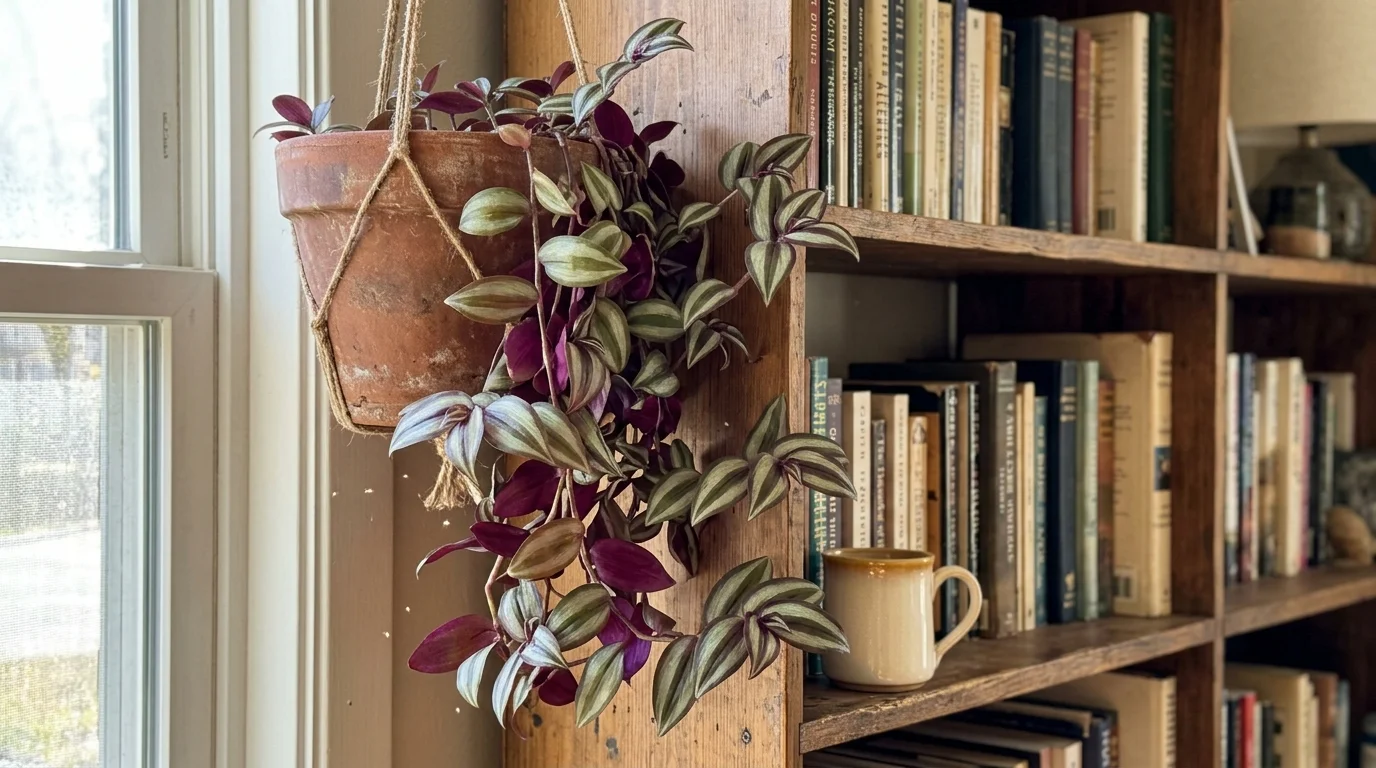
If you want rapid growth and striking contrast, you cannot go wrong with the spectacular Inch Plant. Its trailing, lance-shaped leaves feature shimmering bands of silver and purple on top, coupled with a rich, solid magenta underside. In optimal indoor conditions, this plant grows up to an inch per week, quickly forming a lush, cascading waterfall of color. This dramatic trailing habit looks phenomenal in a hanging basket near an east-facing or west-facing window.
The Inch Plant needs bright, indirect light to maintain its bold stripes; too much shade causes the vibrant purple hues to fade into a dull, muddy green as the plant struggles to photosynthesize. Keep the soil evenly moist but never completely soggy, watering thoroughly once the top inch of soil dries out. You can easily propagate Tradescantia by snipping a few inches off a trailing stem and popping it straight back into the moist soil or into a glass of water. Within a week, vigorous new roots will form, giving you free plants to expand your collection or share with fellow gardeners.
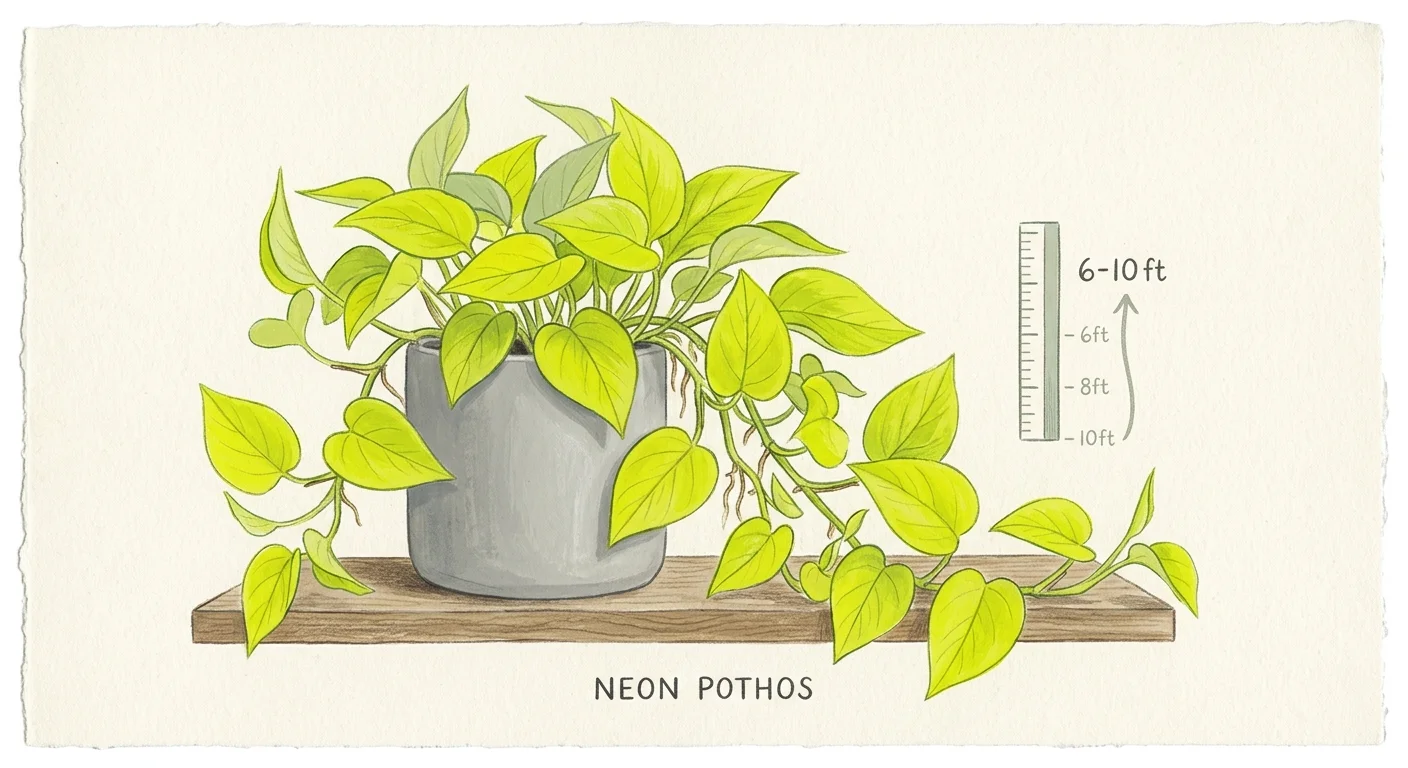
Tip #3: Neon Pothos (Epipremnum aureum ‘Neon’)
The Neon Pothos introduces an electric pop of chartreuse to your indoor garden. This brilliant cultivar behaves exactly like a traditional, easy-to-grow golden pothos but features solid, luminous yellow-green leaves that instantly brighten up dark spaces. Under the right care, the sturdy vines easily reach six to ten feet indoors, providing you with plenty of vibrant foliage to drape across bookshelves or train up a vertical moss pole.
To keep the foliage glowing at its absolute brightest, provide your plant with plenty of bright, indirect light. While the Neon Pothos readily survives in low-light environments, the leaves will gradually darken to a standard green to compensate for the lack of sun. You only need to water your plant when the top two to three inches of soil dry out entirely. Overwatering remains the only real threat to this incredibly hardy vine; you must ensure your chosen pot has adequate drainage holes so the roots never sit in standing water. Wipe the smooth leaves with a damp cloth occasionally to remove household dust and maintain their brilliant neon shine.
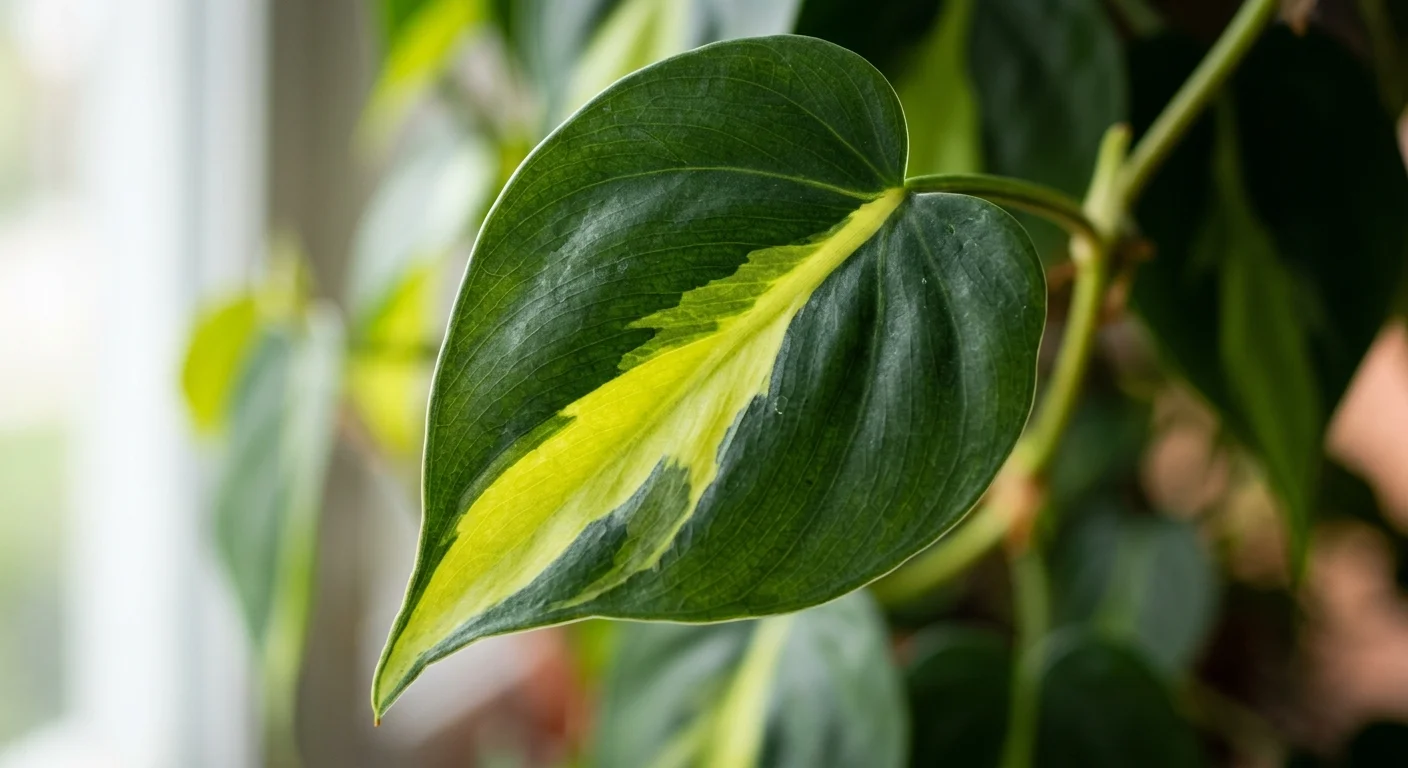
Tip #4: Brasil Philodendron (Philodendron hederaceum ‘Brasil’)
The Brasil Philodendron looks exactly like it was hand-painted by a masterful artist. Every heart-shaped leaf showcases a unique, unpredictable splash of lime green and bright yellow down the center, framed perfectly by deep emerald green edges. Native to the Caribbean and Central America, this forgiving trailing plant adapts quickly to typical household conditions, making it virtually indestructible for absolute beginners.
Place your Brasil Philodendron in a spot receiving bright, filtered sunlight to encourage the most vibrant color variegation. It handles a forgotten watering with absolute grace; simply wait until the top half of the soil feels completely dry before giving it a thorough, deep soak. Because dust quickly builds up on the broad leaves and blocks vital light, make it a habit to wipe the foliage down with a soft, damp cloth every few weeks. This simple maintenance step drastically improves photosynthesis and keeps those gorgeous painted leaves looking fresh, vibrant, and incredibly healthy year-round.
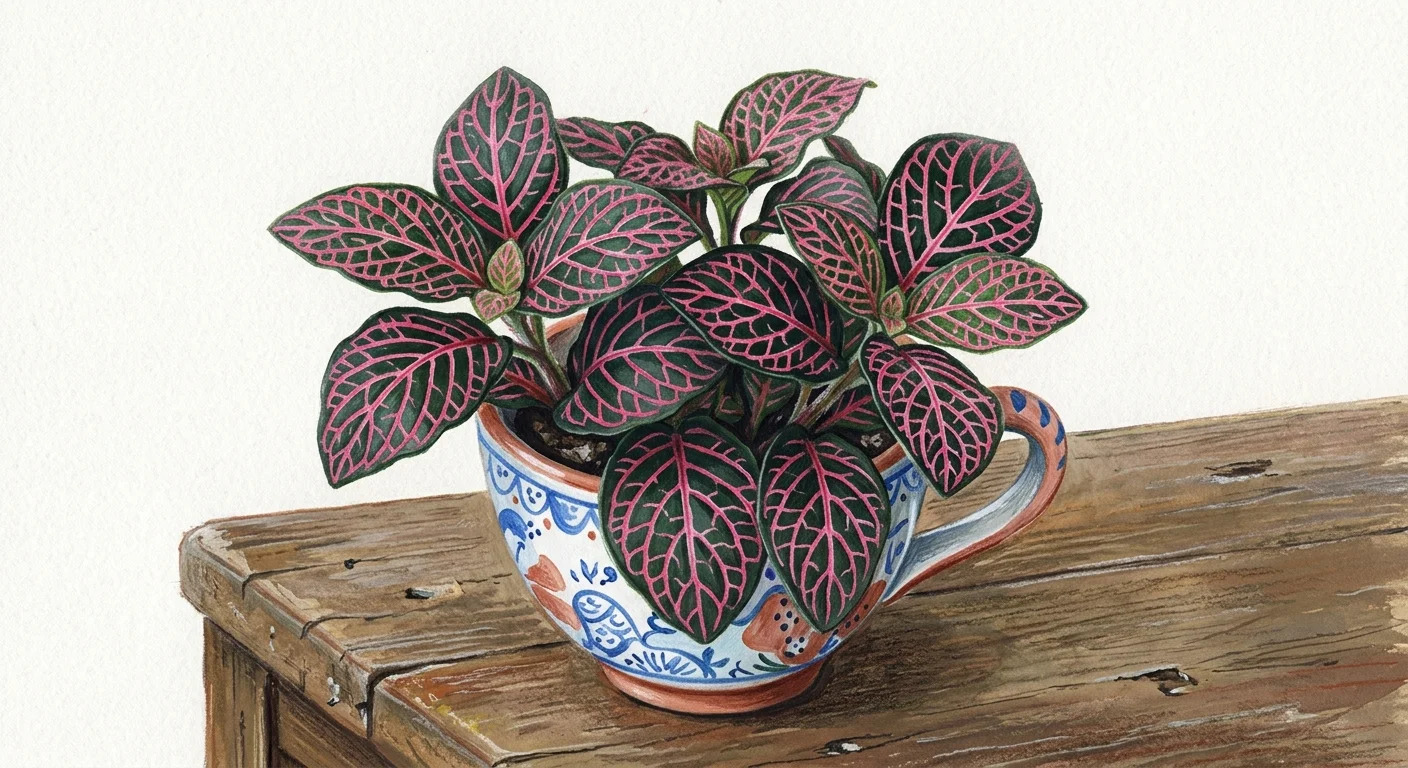
Tip #5: Nerve Plant (Fittonia albivenis)
Nerve Plants look intricate and delicate, but they are actually quite simple to maintain once you understand their specific environmental needs. The dark green foliage acts as a striking canvas for a dense network of bright pink, deep red, or crisp white veins. Maintaining a compact height of three to six inches, this petite species fits perfectly on small bathroom ledges or crowded office desks.
Because Fittonia originates from the dense rainforests of South America, it naturally craves higher humidity levels than typical houseplants require. You will find great success growing this colorful plant in a closed glass terrarium, a brightly lit bathroom, or clustered closely near a small room humidifier. Keep the soil consistently moist but never waterlogged. The Nerve Plant is famous among gardeners for its highly dramatic communication style; if you forget to water it, the entire plant will collapse flat over the edge of the pot. Do not panic when this happens. Simply give the soil a good drink of room-temperature water, and watch the stems perk back up to their normal, upright posture within a few hours.
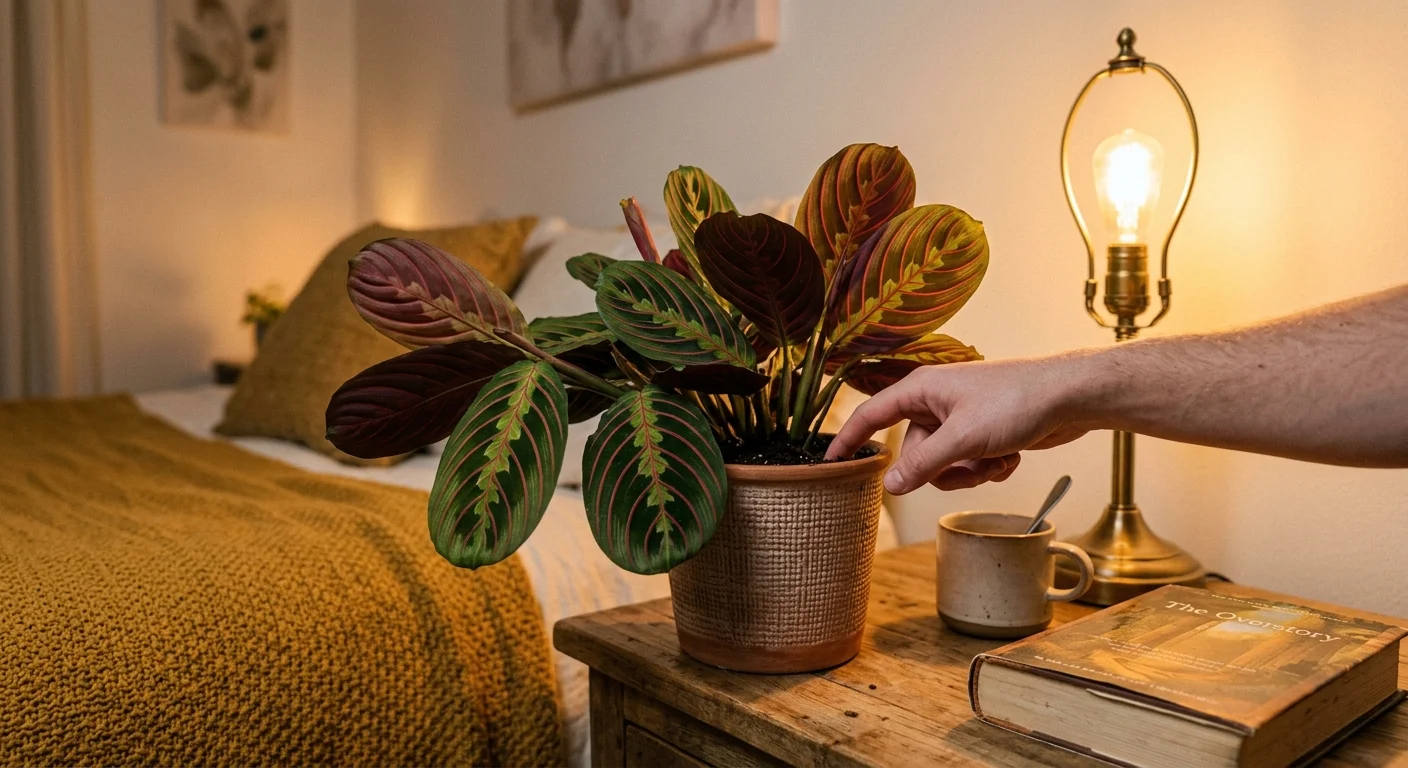
Tip #6: Red Prayer Plant (Maranta leuconeura)
The Red Prayer Plant offers unmatched visual interest, featuring soft, velvety leaves decorated with bright red veins and a striking pattern of light and dark green splotches. Beyond its colorful appearance, this dynamic plant puts on an incredible daily show. You will notice the leaves folding upward at night—resembling hands pressed together in prayer—and lowering back down when the sun rises. This natural response, known scientifically as nyctinasty, maximizes light absorption during the day and conserves precious moisture at night.
Place your Maranta in bright, indirect light to keep the intricate red veins vibrant and clearly defined. It heavily prefers evenly moist soil, so water it thoroughly as soon as the top inch of the potting mix feels dry to the touch. Because Prayer Plants are notoriously sensitive to the harsh minerals and chlorine found in standard tap water, consider using filtered water or collected rainwater. Upgrading your water source easily prevents the leaf tips from turning brown and crispy, keeping your plant looking flawless.
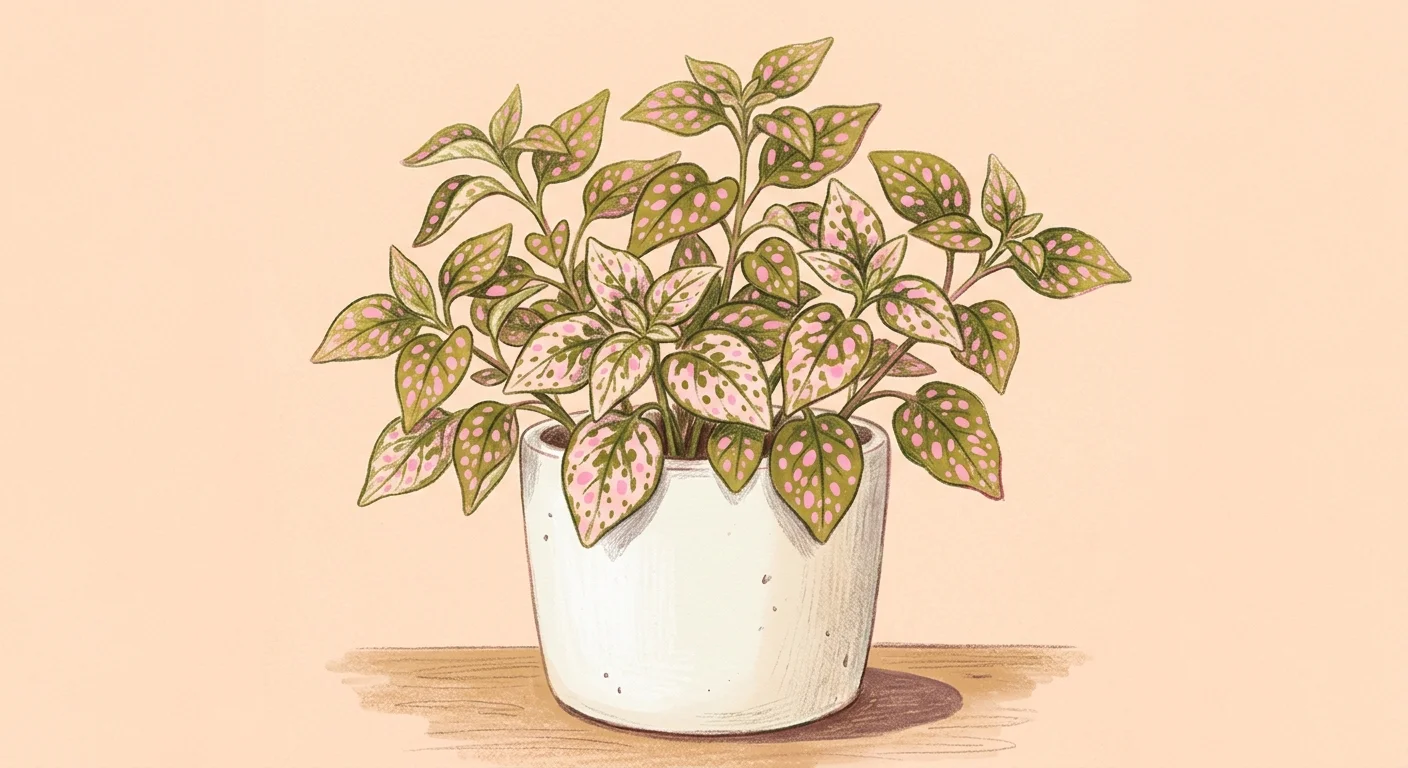
Tip #7: Polka Dot Plant (Hypoestes phyllostachya)
Bring a distinct sense of joy and whimsy into your home with the heavily speckled Polka Dot Plant. Available in striking shades of vivid pink, bright red, and pure white, the foliage often features so much color that the green background is barely visible to the naked eye. Hailing originally from Madagascar, this lively plant appreciates standard indoor temperatures kept consistently between 65°F and 80°F.
To maintain its compact, bushy shape and intense coloration, give your Polka Dot Plant a permanent location with very bright, indirect sunlight. If the stems begin to stretch out and become leggy, it simply means your plant is desperately reaching for more light. You can easily correct this issue by pinching off the top leaves with your fingers; this gentle pruning forces the plant to branch out from the base and grow substantially fuller. Check the soil frequently, as this vibrant little plant heavily prefers a moderately moist environment. Water it thoroughly when the top half-inch of soil feels dry, ensuring the excess water drains completely from the bottom of the nursery pot.
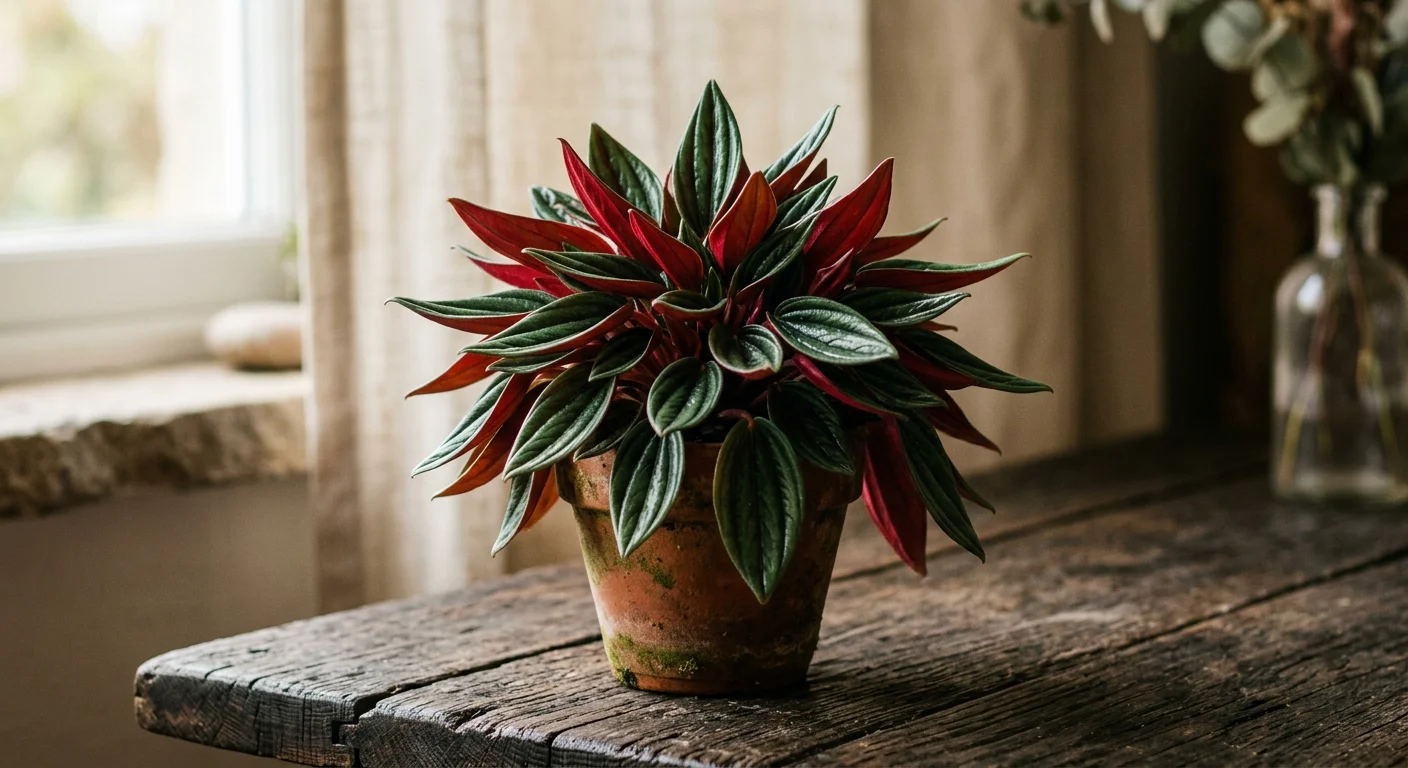
Tip #8: Rosso Peperomia (Peperomia caperata ‘Rosso’)
Peperomias make fantastic beginner plants, and the ‘Rosso’ variety truly stands out for its incredible physical texture and hidden pops of rich color. The top of each deeply corrugated, lance-shaped leaf is a rich, dark green, but the real magic hides underneath. The entire underside of the foliage displays a brilliant, blood-red hue. Because it rarely grows taller than eight inches, the Rosso Peperomia fits perfectly on narrow window sills, kitchen counters, or compact shelving units.
Native to Brazilian rainforests, this clever plant holds up to 90 percent of its water inside its fleshy leaves and stems, acting very much like a desert succulent. You must let the soil dry out significantly between waterings to prevent devastating root rot. Provide medium to bright indirect light, and strictly avoid direct midday sun, which will rapidly bleach the sensitive leaves. A light, well-aerated potting mix containing plenty of coarse perlite ensures the fragile root system receives the vital oxygen it needs to thrive.
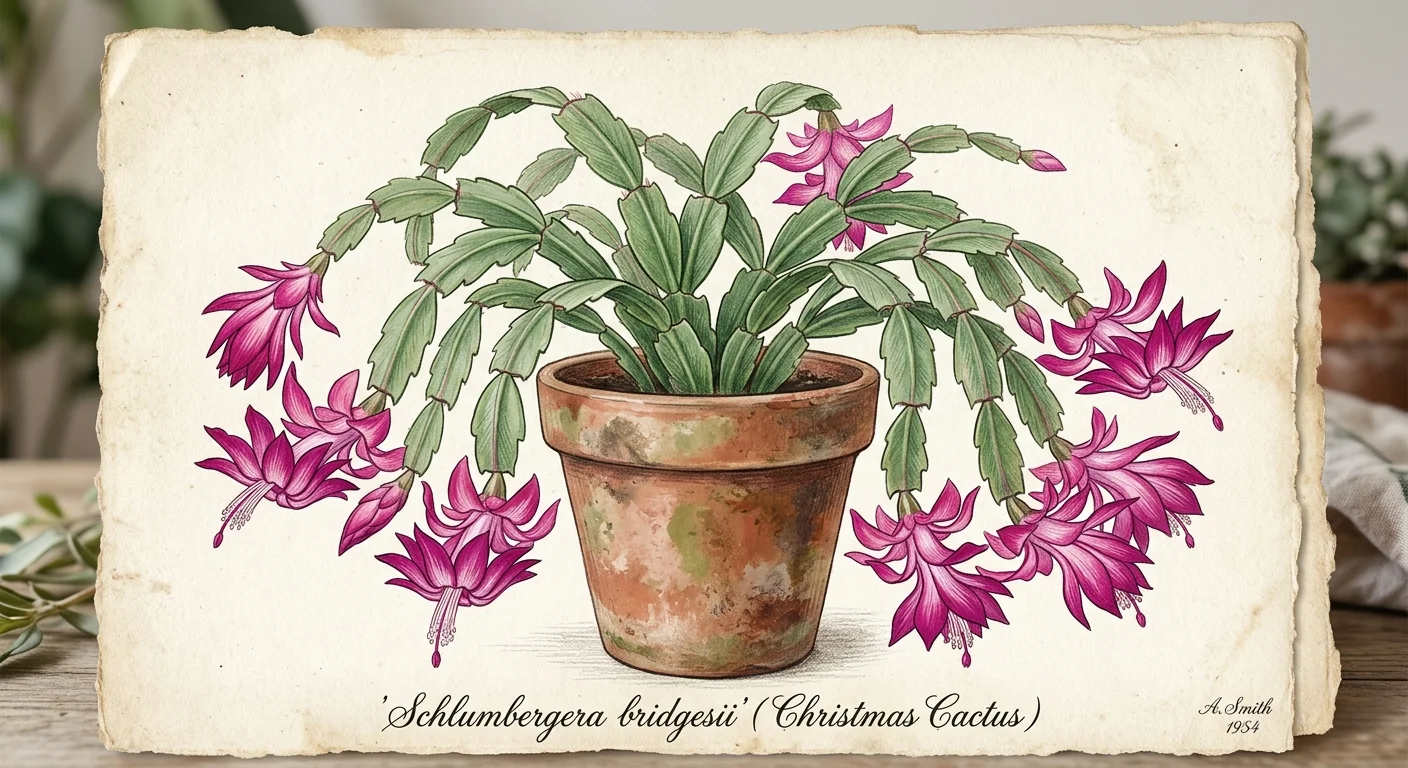
Tip #9: Christmas Cactus (Schlumbergera bridgesii)
While most houseplants are grown strictly for their foliage, the Christmas Cactus provides beginners with an incredibly easy opportunity to enjoy massive bursts of colorful winter flowers. Native to the damp coastal mountains of Brazil, this epiphytic cactus grows naturally on tree branches and rocks rather than in arid desert sand. It produces flattened, segmented green stems that drape beautifully from hanging pots. With basic, consistent care, a healthy Christmas Cactus can easily live for 20 to 30 years, often becoming a treasured family heirloom.
During the darkest, coldest days of winter, the tips of these stems erupt into complex, tubular blooms in stunning shades of neon pink, fiery red, soft peach, or crisp white. Unlike traditional desert cacti, the Christmas Cactus heavily prefers regular, consistent watering. Keep the soil slightly moist during the spring and summer active growth periods, and allow the top two inches to dry out entirely in the fall. To successfully trigger those spectacular winter blooms, make sure the plant experiences cooler temperatures and exactly 12 to 14 hours of complete, uninterrupted darkness each night starting in early October.
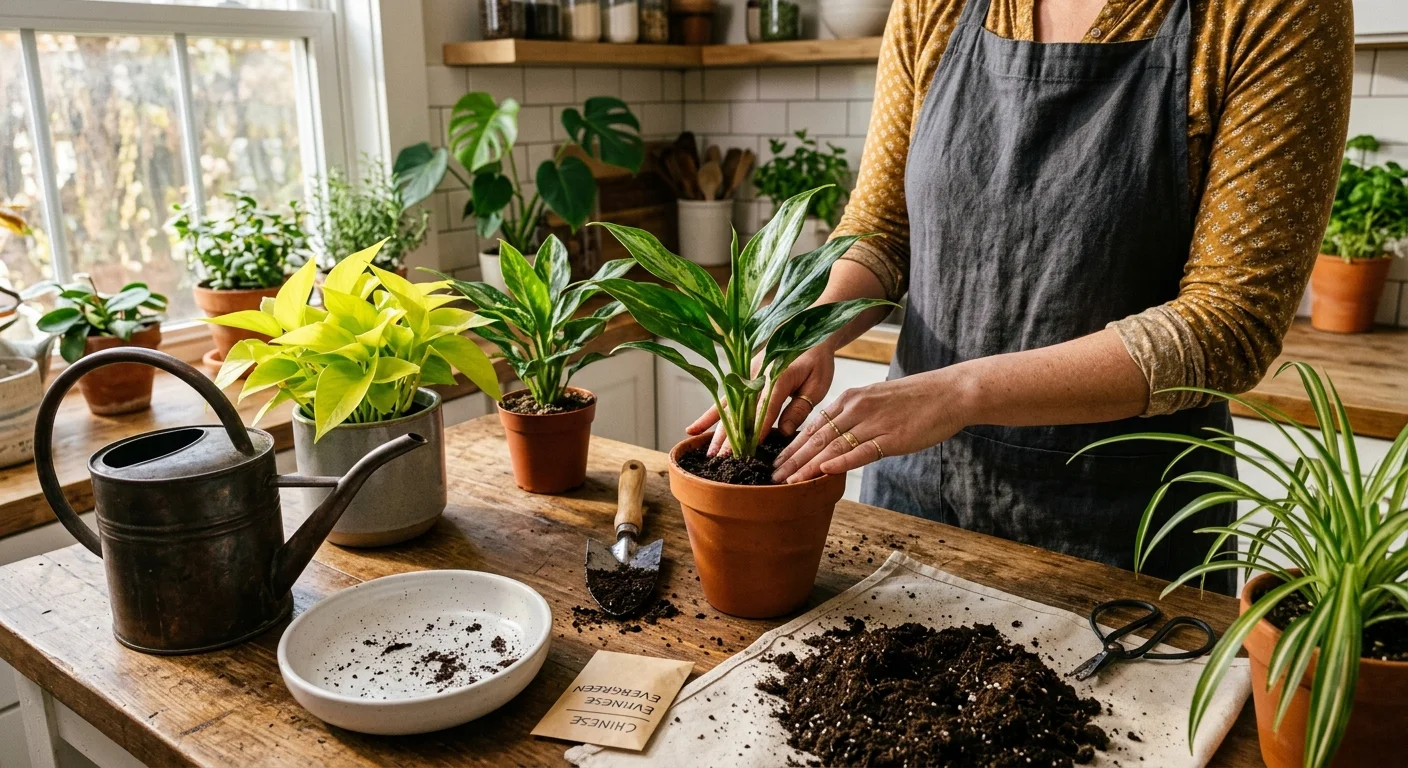
Putting It All Together: Enjoy Your Beautiful Garden
Transforming your home with colorful houseplants does not require endless hours of tedious maintenance or a complicated, stressful watering schedule. By selecting naturally resilient species like the neon pothos, the painted Brasil philodendron, or the striking Chinese evergreen, you set yourself up for immediate success. The secret to a thriving indoor garden lies simply in observing your plants closely and responding to their basic needs. Take time each week to check the moisture levels in your soil; feel the weight of your pots, and adjust your watering routine based on the changing seasons rather than sticking to a rigid calendar.
As you build confidence with these nine beginner-friendly varieties, you will quickly learn how to read the subtle signs your plants give you. Wilting leaves usually ask for a drink, while fading colors gently request a bit more sunlight. Gardening is a rewarding, ongoing practice of patience and observation. Embrace the process, celebrate the new growth, and enjoy the incredible vibrancy and life these beautiful plants bring into your daily environment.
Frequently Asked Questions
How do I increase humidity for my colorful indoor plants?
Many vibrant houseplants, like the Nerve Plant and Prayer Plant, originate from highly humid tropical environments. You can easily boost the moisture in your home’s air by grouping several plants closely together; as they release moisture through their leaves, they create a mutually beneficial microclimate. Alternatively, you can place your pots on top of a shallow pebble tray filled with water, ensuring the bottom of the pot rests on the stones and not directly in the water. For the most consistent results, running a small ultrasonic room humidifier near your indoor garden works wonders.
Why are the bright colors fading on my houseplant’s leaves?
When brilliantly colored foliage begins to lose its contrast and fade to a dull green, improper lighting is almost always the culprit. Variegated plants naturally possess less chlorophyll than solid green plants. If you place a colorful plant in a low-light corner, it will aggressively produce more green chlorophyll to survive, causing it to lose its spectacular pinks, reds, or yellows. Moving your plant closer to an east-facing or west-facing window usually restores the bright colors on all new growth.
Can I use standard tap water for all my indoor plants?
While many hardy plants tolerate standard tap water perfectly well, certain sensitive species—particularly Prayer Plants and Spider Plants—react poorly to the chlorine, fluoride, and heavy minerals treated water contains. These minerals slowly build up in the potting soil and often cause the delicate tips of the leaves to turn brown and crispy. To avoid this entirely, you can switch to using filtered water, distilled water, or collected rainwater. If you must use tap water, try leaving it sitting out in an open container overnight so the chlorine has time to safely evaporate.
What type of potting soil works best for beginner houseplants?
Beginners often make the critical mistake of using dense garden soil inside their containers, which rapidly suffocates tender indoor roots. Your colorful houseplants absolutely require a light, airy, and well-draining potting medium. You can easily create the perfect blend by mixing two parts of a high-quality, peat-free indoor potting soil with one part coarse perlite and one part orchid bark. This chunky mixture holds just enough moisture to keep the plant hydrated while allowing vital oxygen to flow freely around the root system, ultimately preventing devastating issues like root rot.
For region-specific advice, consult your local University Extension program (find yours via the USDA directory). For plant databases and inspiration, visit the Missouri Botanical Garden or the Royal Horticultural Society.
Disclaimer: This article provides general gardening advice. Always consider your specific climate, soil conditions, and local pests. Follow safety guidelines when using gardening tools and products.