Elevate your outdoor space by adding breathtaking vertical interest with elegant tall flowers that instantly draw the eye upward and transform ordinary borders into magnificent focal points. Planting towering blooms provides dramatic structure and depth to your garden landscaping while maximizing limited ground space. Choosing the right tall perennial flowers ensures a vibrant, show-stopping display that lasts from early summer through the first frost. Whether you need an impressive privacy screen or a dynamic backdrop for shorter flowering garden plants, incorporating these sky-reaching varieties delivers reliable color and architectural beauty. You will discover robust ornamental flowers that thrive in various conditions, giving you the practical foundation to cultivate a spectacular landscape.
Tip #1: Delphinium (Delphinium elatum)
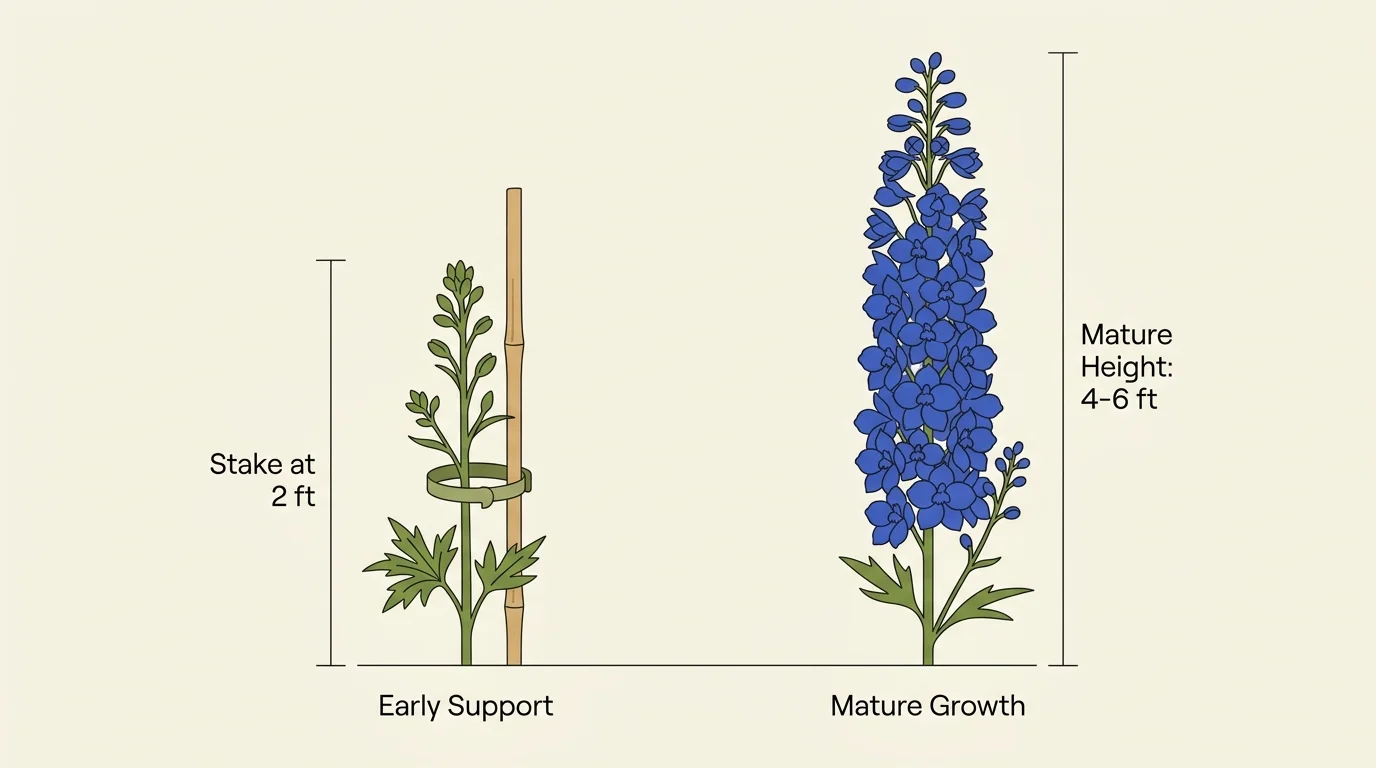
Introduce unparalleled drama to your backyard with the towering spires of Delphiniums; these majestic beauties routinely reach heights of four to six feet. Delphiniums produce densely packed, intensely colored blooms ranging from deep cobalt blue to soft lavender and pristine white. You will appreciate how their bold vertical lines immediately establish a sense of elegance and visual hierarchy in your garden beds.
Planting these tall perennial flowers at the back of a border provides a stunning backdrop that makes shorter foreground plants pop. Because Delphiniums carry heavy flower spikes, you must stake them early in the season to prevent strong winds from snapping their hollow stems. Secure the stems to bamboo stakes using soft plant ties when the plants reach about two feet tall.
For the best results, position Delphiniums in a spot that receives full sun but remains sheltered from harsh gusts. They thrive in rich, well-draining soil mixed with plenty of organic compost. Always water at the base of the plant; keeping the foliage dry helps prevent common fungal diseases like powdery mildew. Apply a balanced liquid fertilizer every few weeks to support their rapid growth and ensure a robust display of ornamental flowers.
Tip #2: Hollyhock (Alcea rosea)
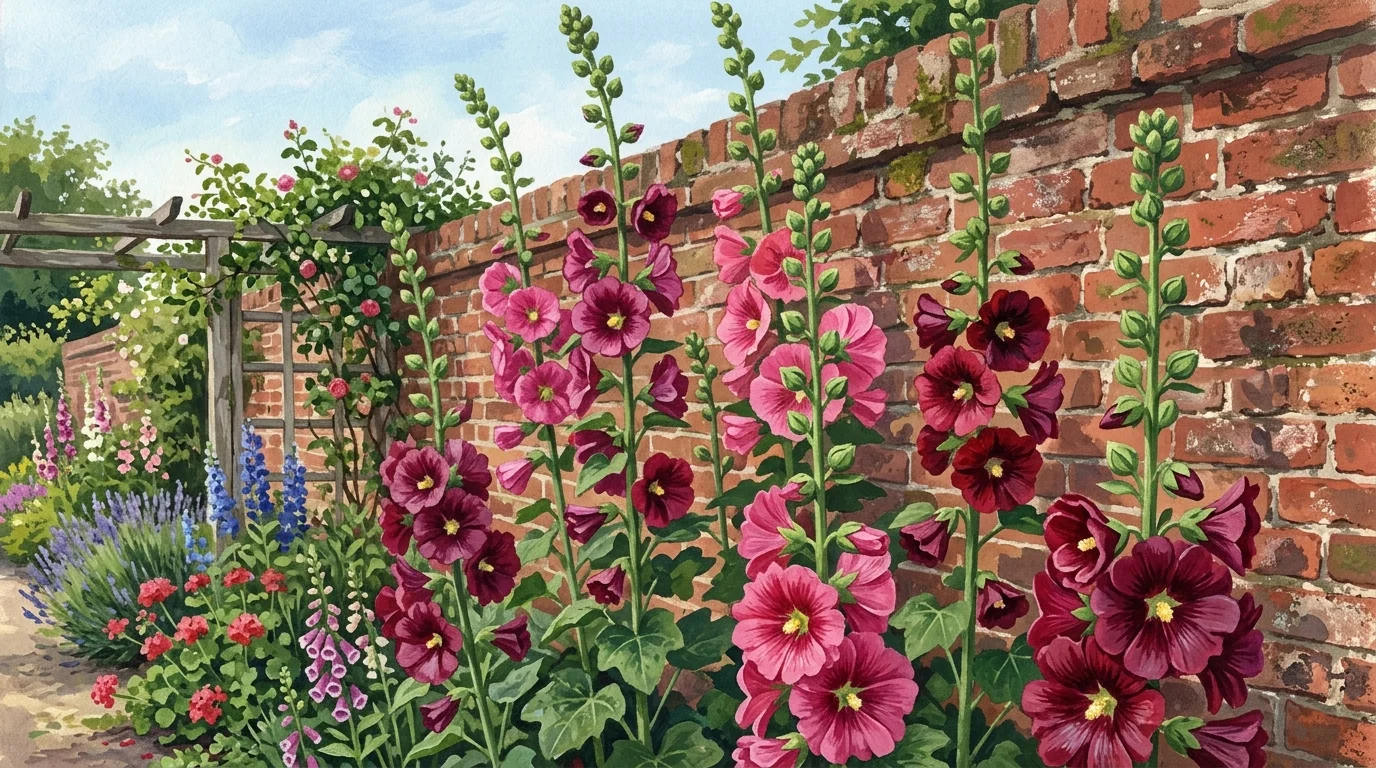
Capture the essence of a classic cottage garden by planting Hollyhocks, which effortlessly shoot up to an impressive six to eight feet. These biennial or short-lived perennial plants feature sturdy, upright stalks covered in large, funnel-shaped blossoms that open sequentially from the bottom upward. Hollyhocks offer a wide color palette—including rich burgundy, bright pink, sunny yellow, and pure white—giving you ample choices to match your landscape design.
Hollyhocks serve as exceptional architectural elements; they easily disguise bare fences, soften harsh masonry walls, and create natural privacy screens. Since they possess a deep taproot, you should sow their seeds directly into the garden rather than trying to transplant established seedlings. Plant them in an area with full sun and excellent air circulation to minimize the risk of rust, a common fungal disease that aggressively affects their lower leaves.
Keep the soil consistently moist but never waterlogged. While Hollyhocks often die back after their second year, they generously self-seed. By leaving a few faded flower stalks standing in late summer, you allow the seeds to scatter naturally, guaranteeing a continuous generation of tall flowers year after year.
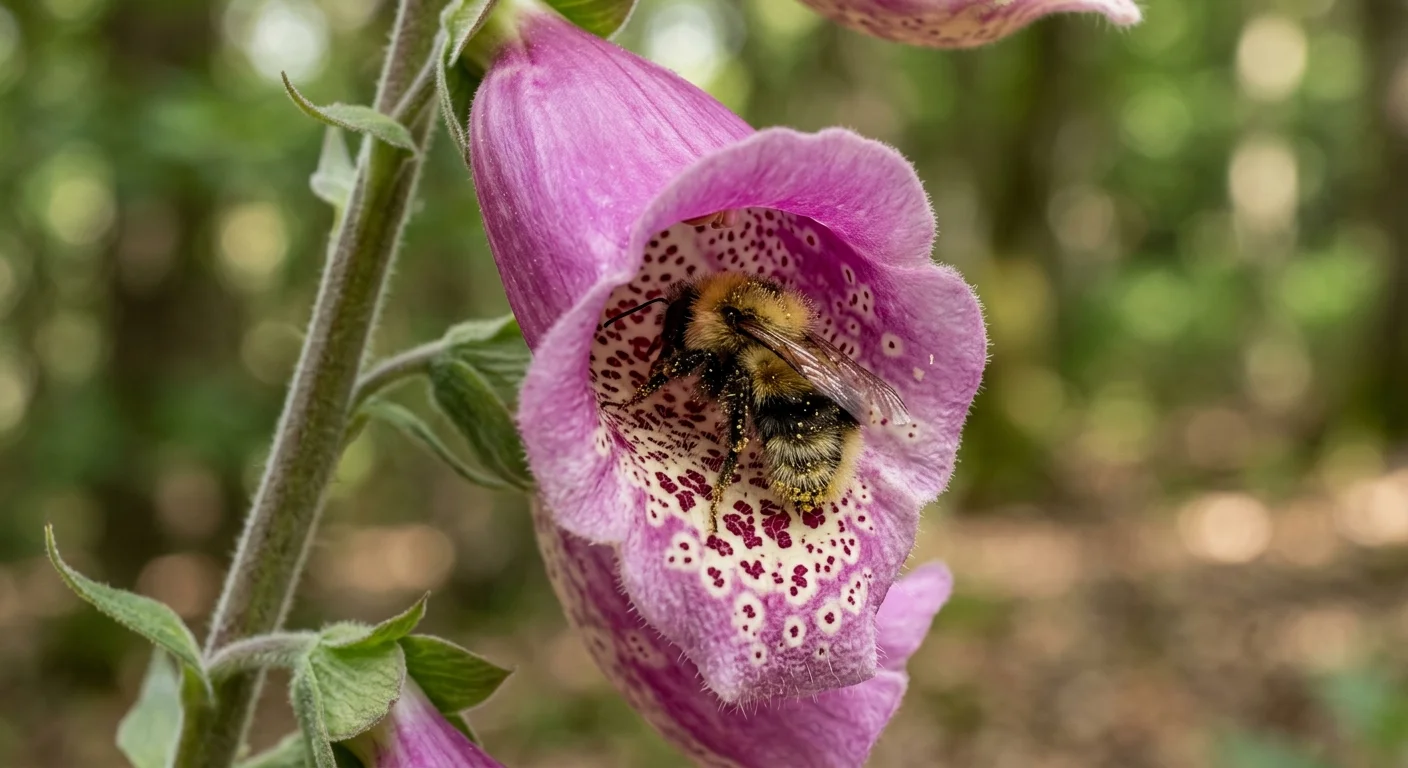
Tip #3: Foxglove (Digitalis purpurea)
Transform shaded or partially shaded areas of your yard with the woodland charm of Foxgloves. These elegant plants typically grow between three and five feet tall, sending up striking spikes adorned with tubular, bell-shaped flowers. The interior of each blossom features intricate speckling that serves as a vital visual guide for visiting bumblebees and hummingbirds.
Integrating Foxgloves into your garden landscaping adds essential height to areas where many other tall blooming plants might struggle due to a lack of direct sunlight. They thrive in dappled shade and prefer rich, loamy soil that retains moisture without becoming soggy. Because most Foxgloves grow as biennials, they spend their first year developing a low rosette of leaves and reserve their spectacular floral display for the second year. Please remember that all parts of the Foxglove plant are highly toxic if ingested, so plant them cautiously if you have curious pets or young children.
To ensure a yearly blooming cycle, plant new Foxglove seeds or nursery transplants two years in a row. Once established, they readily self-sow and naturalize beautifully among ferns and hostas. Space the plants about eighteen to twenty-four inches apart to promote adequate airflow and keep the foliage vibrant.
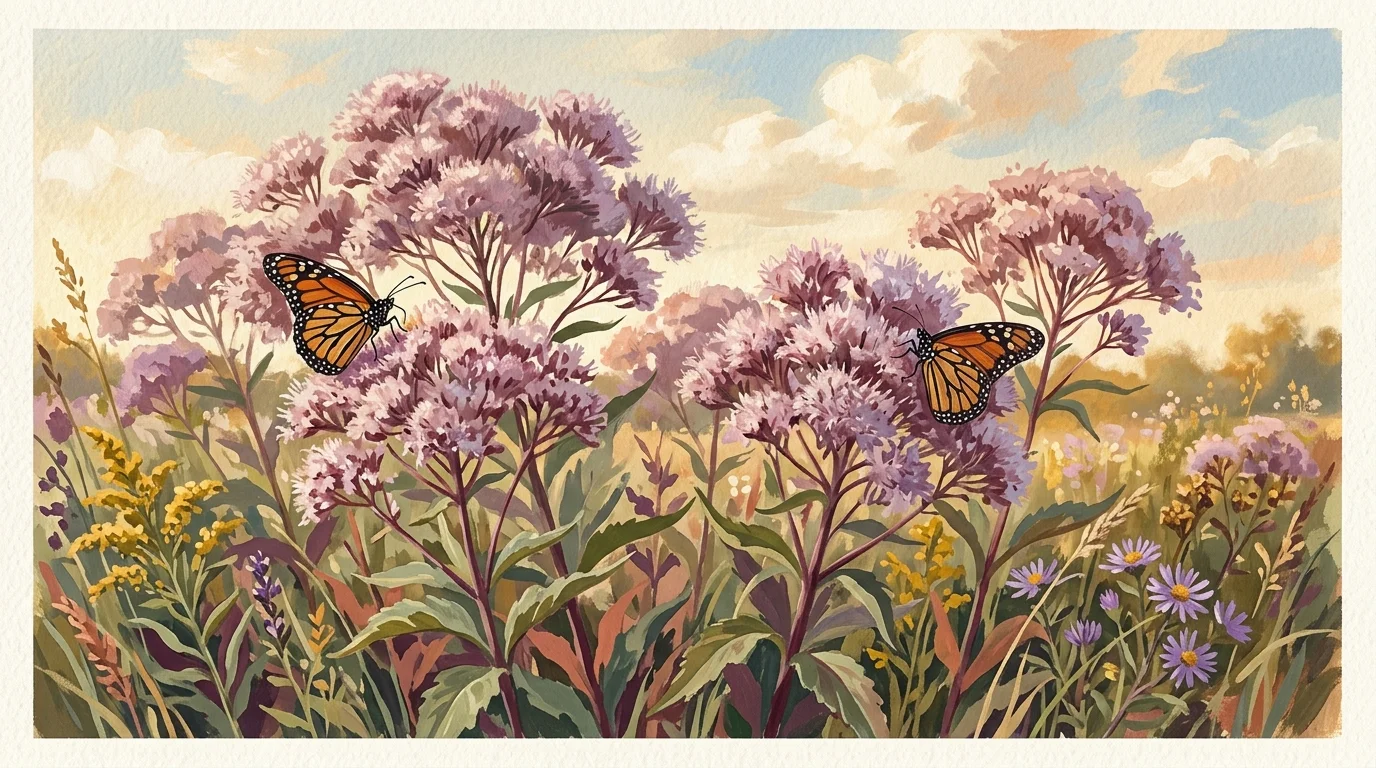
Tip #4: Joe-Pye Weed (Eutrochium purpureum)
Embrace the robust beauty and ecological benefits of Joe-Pye Weed, a magnificent native perennial that easily reaches heights of five to seven feet. From mid-summer through early fall, this towering plant produces massive, dome-shaped clusters of tiny, vanilla-scented pink or purplish flowers. You will quickly notice how these expansive blooms act as a powerful magnet for monarch butterflies, swallowtails, and countless other beneficial pollinators.
Joe-Pye Weed provides exceptional late-season architecture and works perfectly as a structural anchor in rain gardens or low-lying landscape depressions. Unlike many other tall flowering garden plants that demand pristine drainage, Joe-Pye Weed actually thrives in moist to wet soils. You can use it to naturalize the edges of a backyard pond or fill a tricky spot in your yard where water tends to collect after a heavy rain.
Plant this low-maintenance giant in full sun to partial shade. Because of its substantial height and spread, grant it plenty of room to expand; spacing plants at least three feet apart is ideal. To encourage a slightly bushier growth habit, you can cut the stems back by half in early summer. Once established, Joe-Pye Weed requires very little intervention.
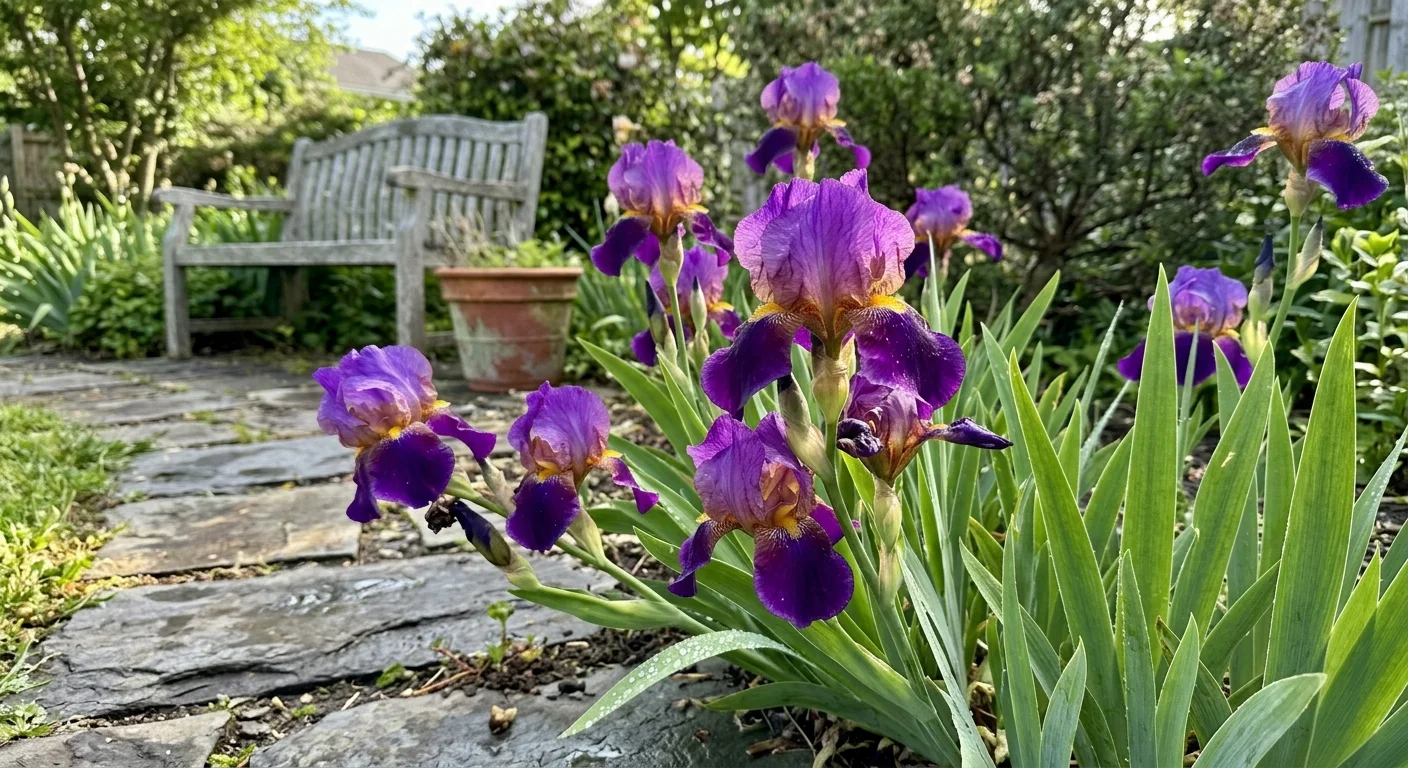
Tip #5: Tall Bearded Iris (Iris germanica)
Infuse your spring and early summer garden with the sophisticated elegance of the Tall Bearded Iris. Growing between three and four feet tall, these classic ornamentals feature stiff, sword-like foliage and incredibly complex, ruffled blooms. Each flower boasts upright petals called standards and cascading lower petals known as falls, which prominently display the distinctive fuzzy beard that gives the plant its name.
Tall Bearded Irises offer an astonishing array of colors—from deep, velvety blacks and royal purples to bright oranges, soft yellows, and dual-toned combinations. You can rely on them to provide striking vertical accents in the middle or back of your borders before the peak summer perennials take over. Their structural foliage remains attractive even after the blooms fade, continually contributing crisp texture to your garden beds when planted alongside softer plants like poppies or alliums.
To cultivate healthy Irises, you must plant their thick, fleshy rhizomes partially exposed above the soil line; burying them too deeply leads to rot and a complete lack of flowers. Provide them with full sun and exceptionally well-drained soil. Divide the rhizomes every three to four years during late summer to rejuvenate the plants and maintain their vigorous blooming capabilities.
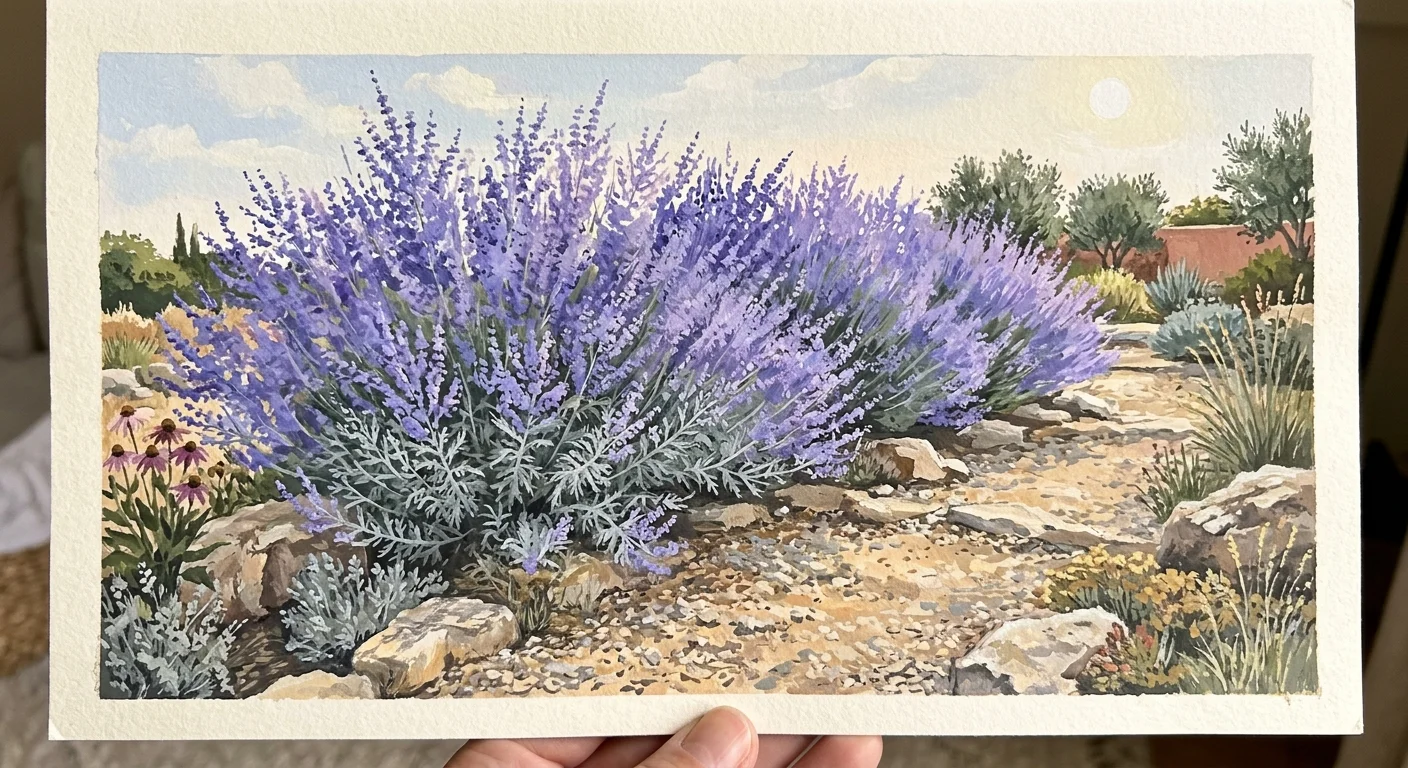
Tip #6: Russian Sage (Perovskia atriplicifolia)
Create a mesmerizing, hazy backdrop of color with Russian Sage, an airy, woody perennial that grows up to four or five feet tall. This incredibly resilient plant features silvery-gray foliage and delicate spikes of lavender-blue flowers that bloom relentlessly from mid-summer until the first hard frost. The contrast between the metallic stems and the soft blue blossoms offers a highly sophisticated visual texture.
Russian Sage stands out as one of the most drought-tolerant tall perennial flowers available to home gardeners. Once its root system establishes, it thrives on neglect and easily handles intense heat and prolonged dry spells. You can use its wispy, translucent profile to weave together different elements of your garden landscaping; it softens the look of rigid evergreens and beautifully complements brightly colored companions like coneflowers and black-eyed Susans. Furthermore, its minty fragrance naturally deters deer and rabbits.
Plant Russian Sage in full, baking sun and lean, well-draining soil. Rich, heavily amended soil actually causes the plant to become leggy and flop over. To maintain a compact, tidy shape and encourage vigorous new blooming stems, prune the old branches back to about six to eight inches above the ground in early spring.
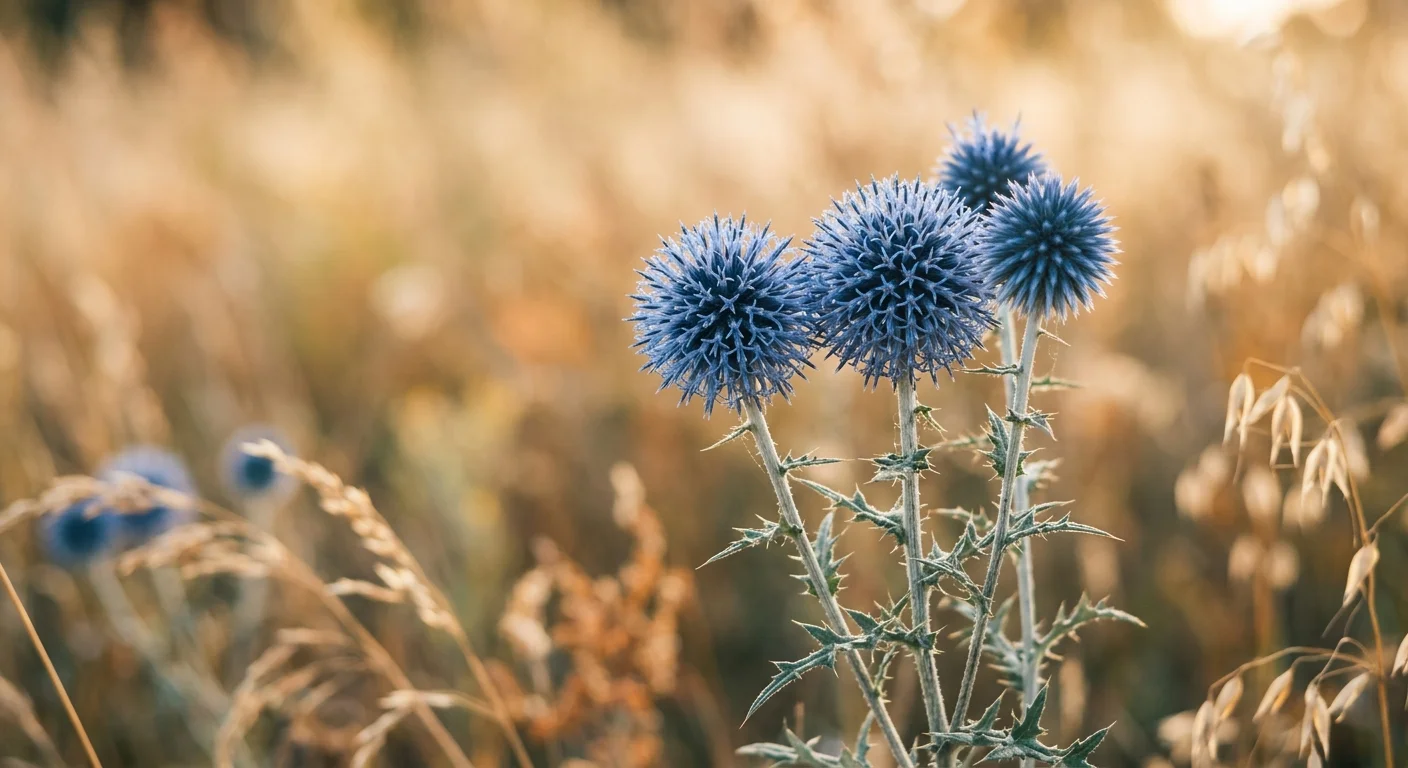
Tip #7: Globe Thistle (Echinops ritro)
Add a touch of architectural wonder and unexpected geometry to your yard with Globe Thistle. Standing three to four feet tall, this distinctive plant produces perfectly spherical, metallic-blue flower heads that hover neatly above deeply lobed, silvery-green foliage. The spiky texture of the blooms contrasts brilliantly with the softer, traditional petal shapes of surrounding plants in your flowerbed.
Globe Thistle excels as a unique focal point in a mixed border and thrives as a spectacular cut flower in both fresh and dried floral arrangements. The rigid stems easily support the weight of the spherical blooms, meaning you rarely have to worry about staking this robust perennial. Additionally, the blossoms are highly attractive to foraging bees and butterflies, while the prickly foliage effectively deters grazing deer.
For optimal growth, position Globe Thistle in an area that receives full sun and features well-drained, slightly alkaline soil. Like Russian Sage, it possesses excellent drought tolerance and performs best without excessive fertilizer. Deadhead the initial flush of flowers by clipping the stems down to the nearest set of leaves; this simple practice frequently encourages a second, lighter round of blooming later in the season.
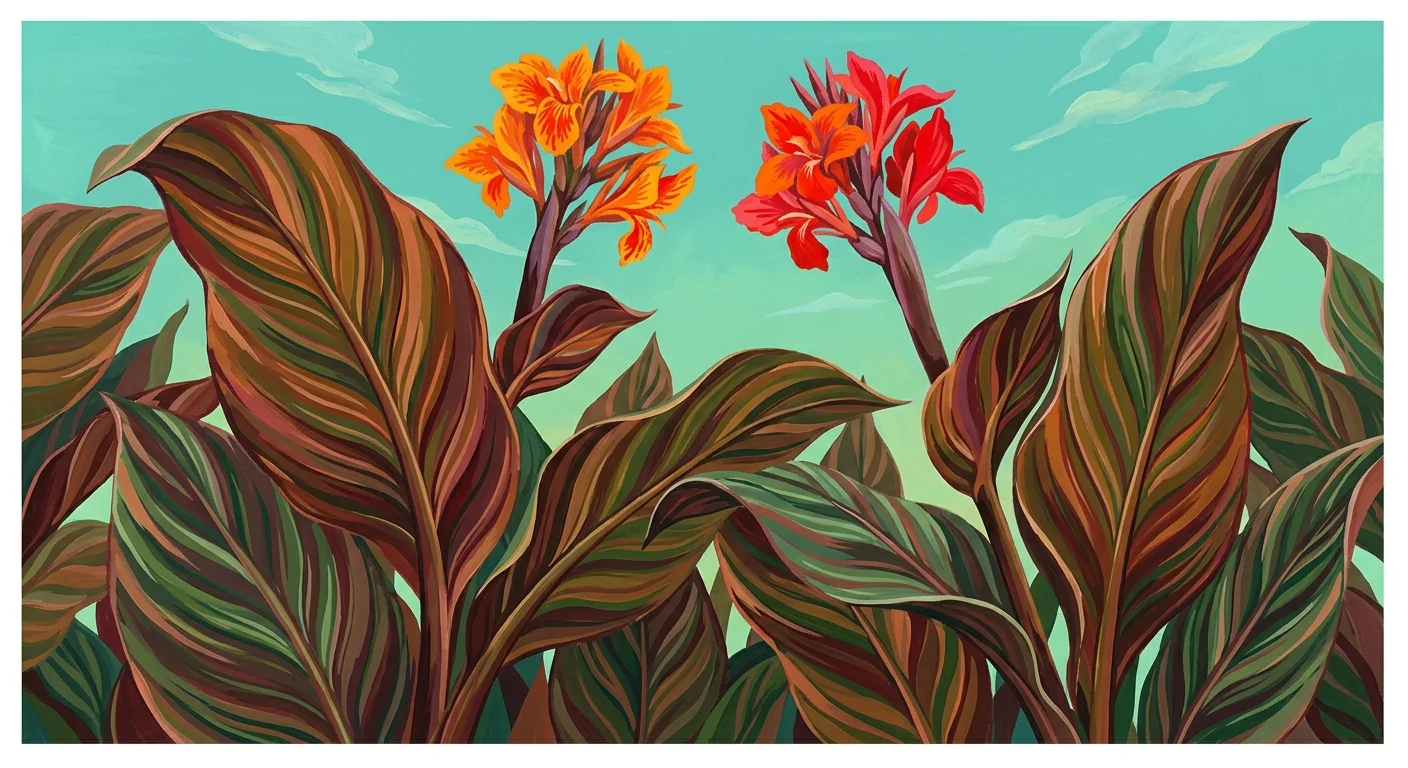
Tip #8: Canna Lily (Canna indica)
Inject a bold, tropical flair into your temperate garden with the spectacular foliage and vibrant blooms of the Canna Lily. Depending on the variety, these vigorous plants can rocket to heights of four to eight feet in a single growing season. Cannas produce massive, paddle-shaped leaves that rival the flowers in beauty—often featuring striking, colorful stripes of bronze, burgundy, green, and yellow.
Atop these impressive leafy stalks, Cannas push out brilliant clusters of flowers in blazing shades of red, orange, pink, and yellow. They function exceptionally well as quick-growing summer privacy screens or dramatic centerpieces in large container gardens. Their imposing size easily anchors the back of a sunny border, instantly giving your landscape a lush, exotic atmosphere. They pair wonderfully with other bold plants like elephant ears and coleus.
Cannas are heavy feeders that require full sun, rich soil, and consistent moisture to reach their maximum potential. Dig generous amounts of compost into the planting hole and apply a slow-release granular fertilizer to sustain their rapid growth. Because they are tender perennials, gardeners in colder climates must dig up the rhizomes after the first autumn frost and store them indoors until spring.
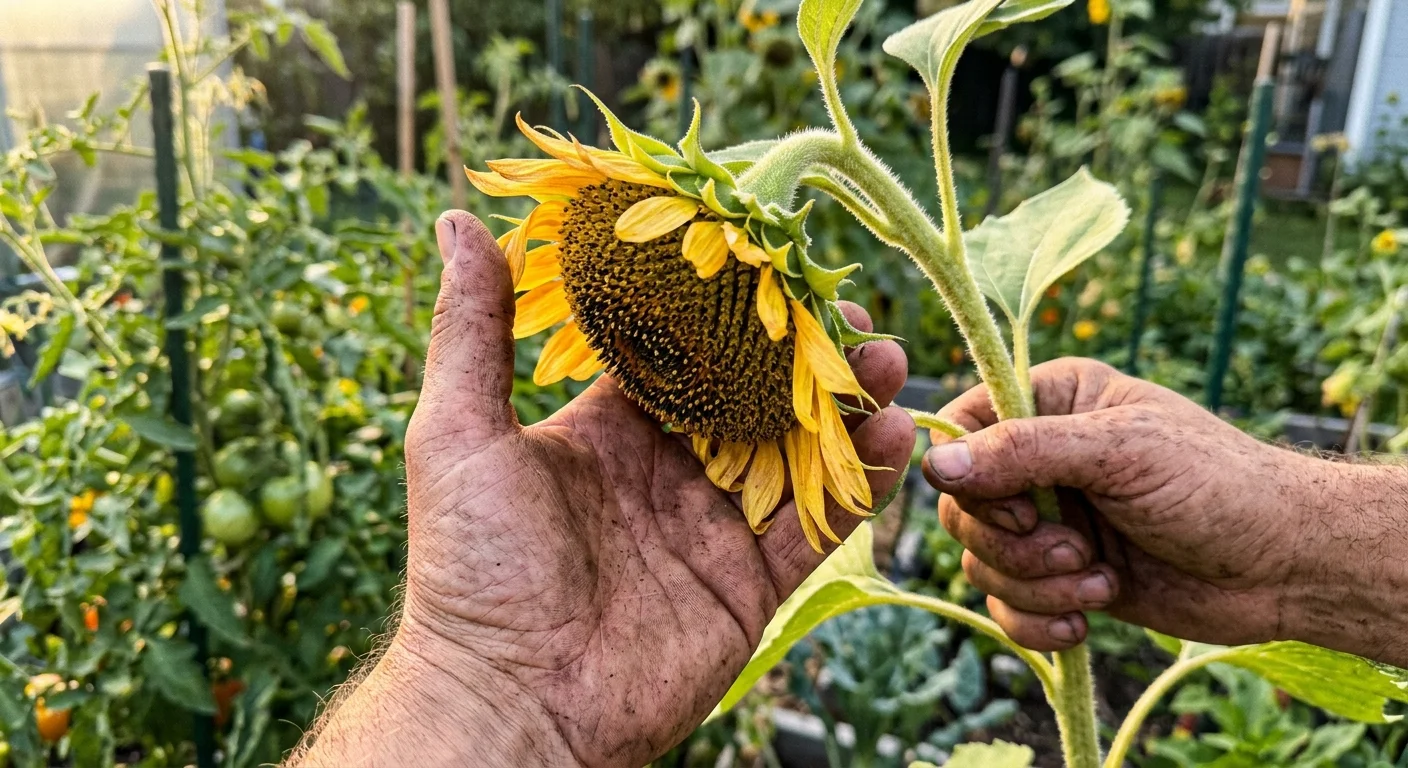
Tip #9: Sunflower (Helianthus annuus)
No list of tall flowers would be complete without the cheerful, iconic presence of the Sunflower. While dwarf varieties certainly exist, traditional annual Sunflowers can easily tower from six to twelve feet tall, depending on the specific cultivar you choose. They produce massive, daisy-like flower heads with bright yellow petals radiating from a prominent, seed-filled dark center.
Growing Sunflowers offers a highly rewarding, fast-paced gardening experience that easily captures the imagination of both children and adults. You can plant them in tight rows along a property line to create a temporary, vibrant summer hedge, or group them at the back of a vegetable garden to attract vital pollinators. In late summer and autumn, the mature seed heads provide a crucial, natural food source for local songbirds, bringing lively wildlife to your yard.
Sunflowers develop deep taproots and perform best when you sow the seeds directly into warm soil after all danger of frost has passed. They demand exactly what their name implies: full, unobstructed sun. Because the tallest varieties carry exceptionally heavy heads, plant them in locations protected from strong winds or secure them to sturdy stakes to prevent sudden uprooting.
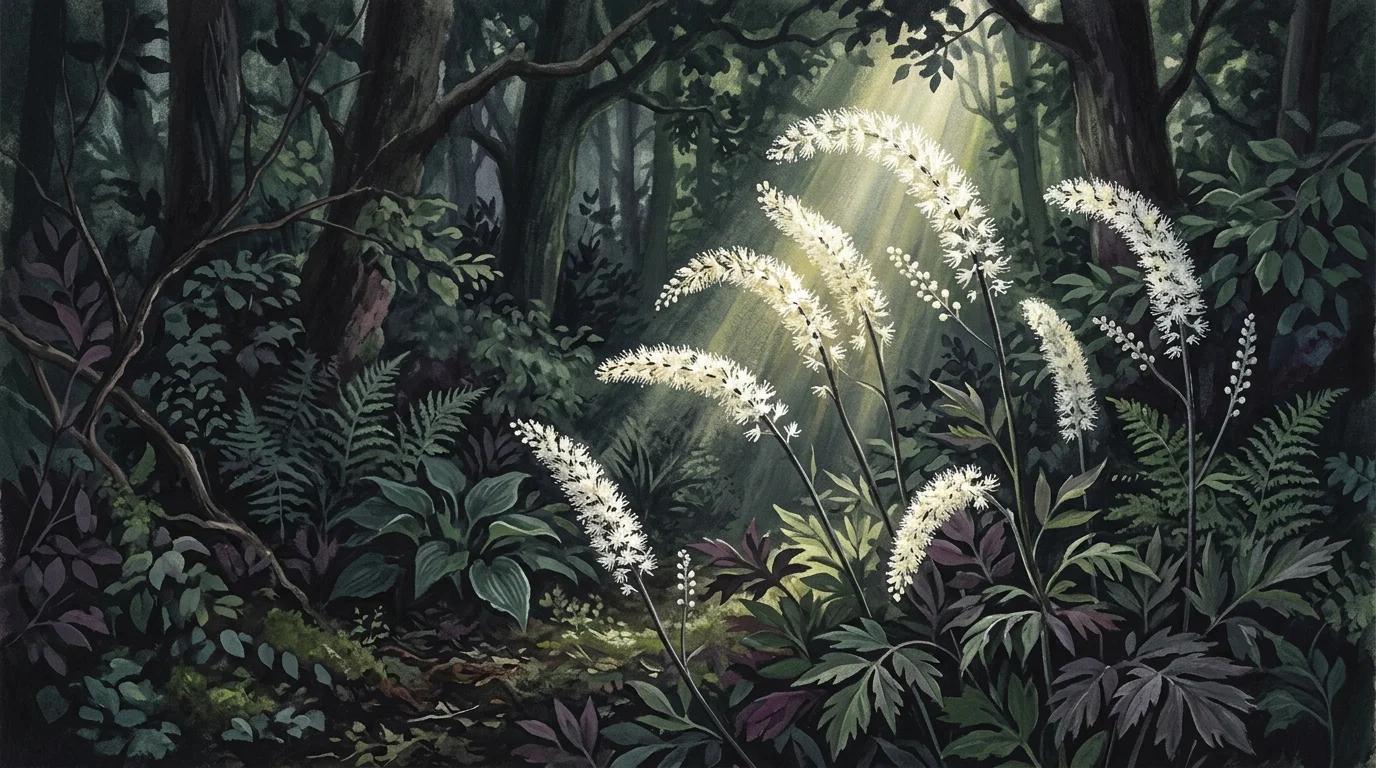
Tip #10: Bugbane (Actaea racemosa)
Illuminate the darker, shaded corners of your landscape with Bugbane, a sophisticated woodland plant that sends up slender, wand-like flower spikes reaching four to six feet high. Also known as Black Cohosh or Snakeroot, this elegant perennial features deeply cut, fern-like foliage that creates a lush, textural base. In late summer, the tall stems erupt into fuzzy, bottlebrush-like white blooms that carry a sweet, distinct fragrance.
Bugbane provides essential vertical interest in shade gardens, a space typically dominated by low-growing hostas, coral bells, and ferns. The bright white flower spikes beautifully catch and reflect the limited sunlight, appearing to glow effortlessly in the dappled shade. As an added benefit, the strong scent of the dense foliage naturally repels many common insect pests, making it a highly functional addition to your collection of flowering garden plants.
For a spectacular display, plant Bugbane in partial to full shade, ensuring the soil remains consistently moist and rich in organic matter. Add a thick layer of organic mulch around the base of the plant to help retain moisture and keep the roots cool during the heat of summer. Your patience will be rewarded with decades of graceful, towering blooms.
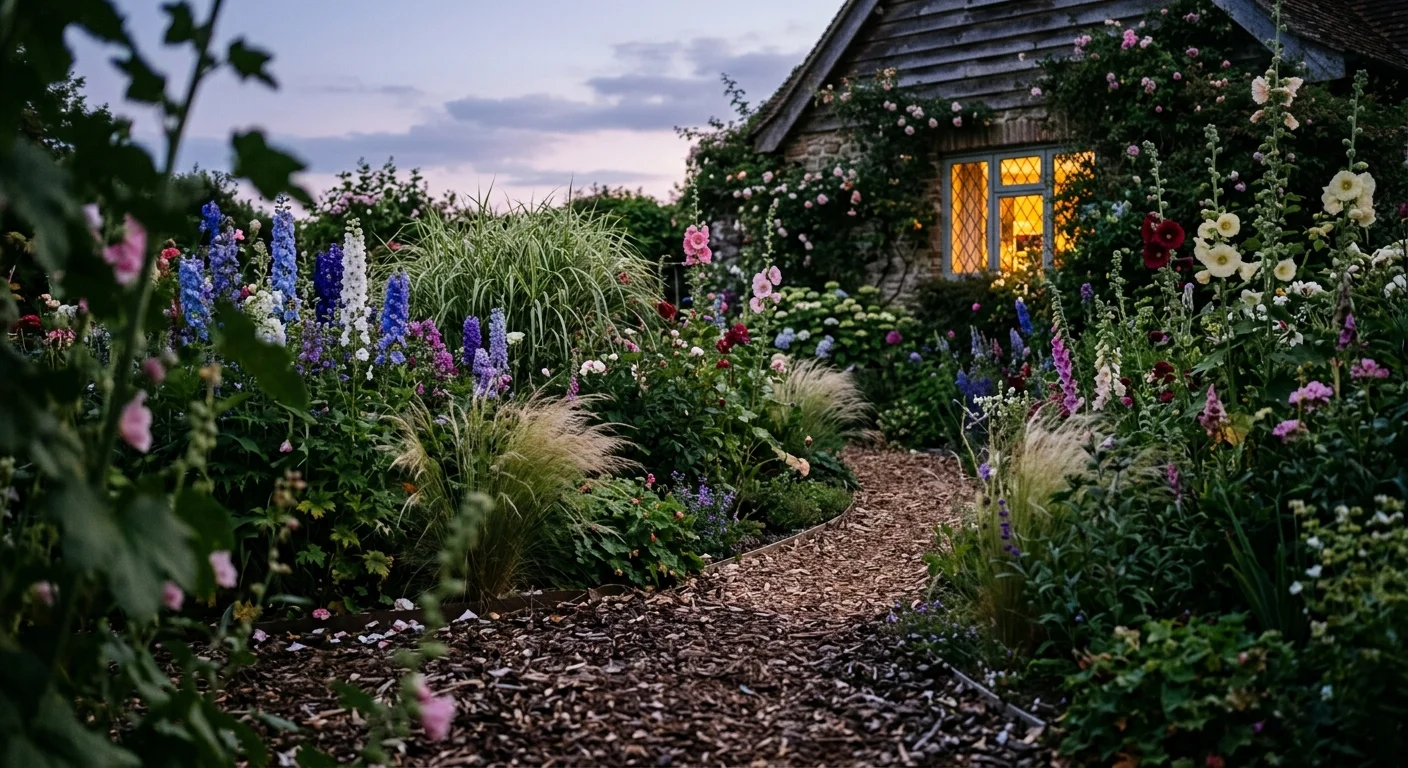
Putting It All Together: Enjoy Your Beautiful Garden
Creating a truly spectacular landscape design relies heavily on utilizing varying plant heights, and incorporating these ten elegant tall flowers provides the exact vertical dimension you need. By strategically placing towering blooms at the back of your borders or using them as standalone structural elements, you add immediate drama, depth, and architectural interest to your yard. You do not need professional landscaping skills to achieve a breathtaking outdoor space; you simply need the right mix of ornamental flowers and a solid understanding of their specific growing requirements.
Remember to evaluate the unique light and soil conditions of your property before selecting your plants. Mix and match sun-loving varieties like Delphiniums and Sunflowers with shade-tolerant beauties such as Foxgloves and Bugbane to ensure every corner of your garden thrives. Apply regular maintenance, appropriate staking, and consistent watering to help your sky-reaching plants reach their maximum potential. Now, gather your gardening tools, select your favorite tall perennial flowers, and start planting the show-stopping garden you have always envisioned.
Frequently Asked Questions
How do I protect tall flowers from wind damage?
To prevent strong gusts from snapping your towering blooms, you must provide adequate support early in the growing season. Use bamboo stakes, metal grow-through grids, or tall tomato cages before the plants reach their mature height. Always secure the stems loosely with soft plant ties or twine to allow for natural movement, and try planting taller varieties near fences or walls that act as natural windbreaks.
Can I grow tall perennial flowers in containers?
Yes, you can successfully cultivate many tall blooming plants in pots, provided you choose the right containers. Select large, heavy pots made of ceramic or thick resin to prevent the top-heavy plants from tipping over in the wind. Ensure the containers have adequate drainage holes, use a high-quality, nutrient-rich potting mix, and remember that potted plants dry out much faster than those grown directly in the ground, requiring more frequent watering.
Do tall flowers require more fertilizer than shorter plants?
Because they produce massive amounts of foliage and large blooms in a relatively short timeframe, many tall garden plants act as heavy feeders. While it depends on the specific species, fast-growing giants like Canna Lilies and Sunflowers significantly benefit from regular applications of a balanced liquid or granular fertilizer. However, always test your soil first; over-fertilizing certain resilient plants like Russian Sage can cause weak, leggy growth that flops over.
For region-specific advice, consult your local University Extension program (find yours via the USDA directory). For plant databases and inspiration, visit the Missouri Botanical Garden or the Royal Horticultural Society.
Disclaimer: This article provides general gardening advice. Always consider your specific climate, soil conditions, and local pests. Follow safety guidelines when using gardening tools and products.