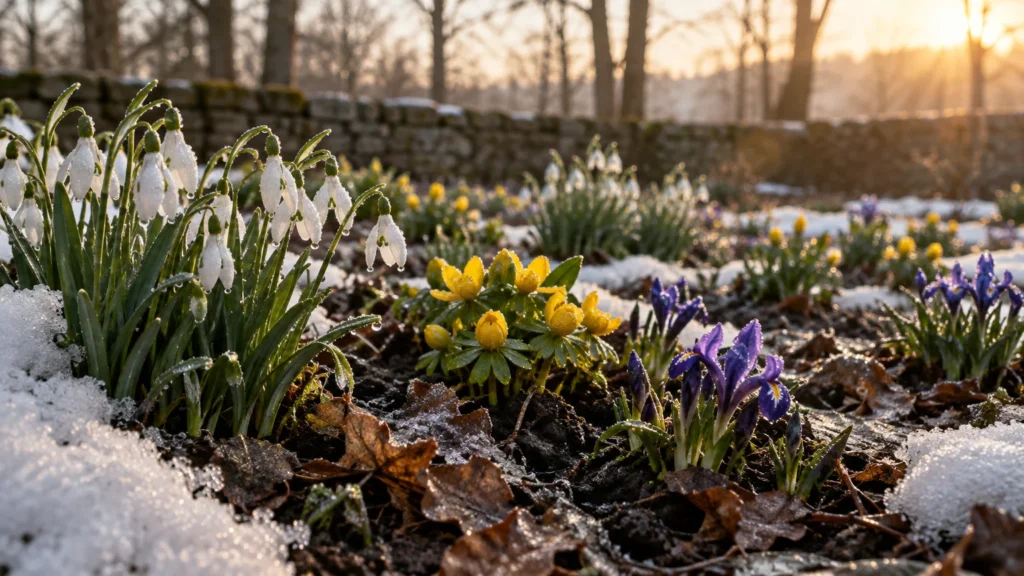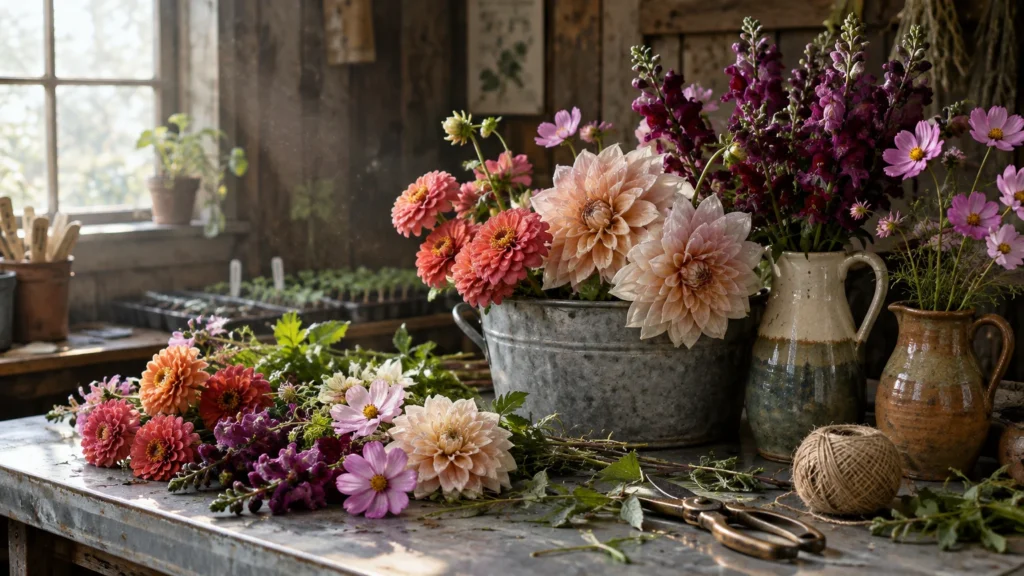
Maximize your garden space, reduce pest damage, and create stunning visual contrasts by strategically matching your plants. Companion planting offers a proven method to boost yields and build a healthier ecosystem right in your backyard. Instead of treating each flower or vegetable as an isolated specimen, you can pair them based on their complementary needs and natural defenses. Whether you want to improve soil health, deter hungry insects, or design breathtaking aesthetic plant arrangements, the right combination changes everything. From sunny vegetable beds to vibrant ornamental borders, these nine pairings will help you cultivate a thriving, resilient, and beautifully coordinated landscape without relying on harsh chemicals.
Tip #1: Tomatoes and Marigolds
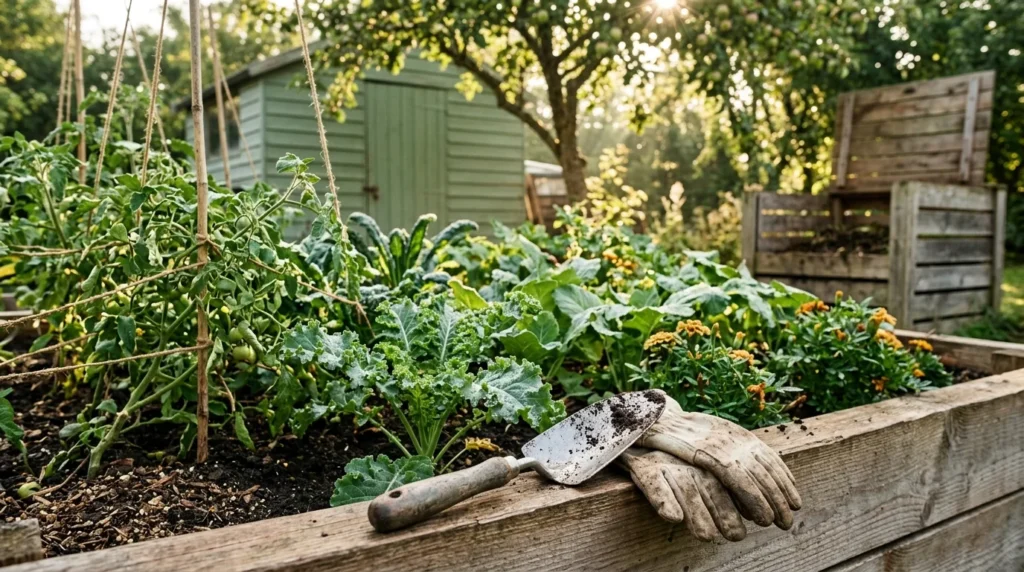
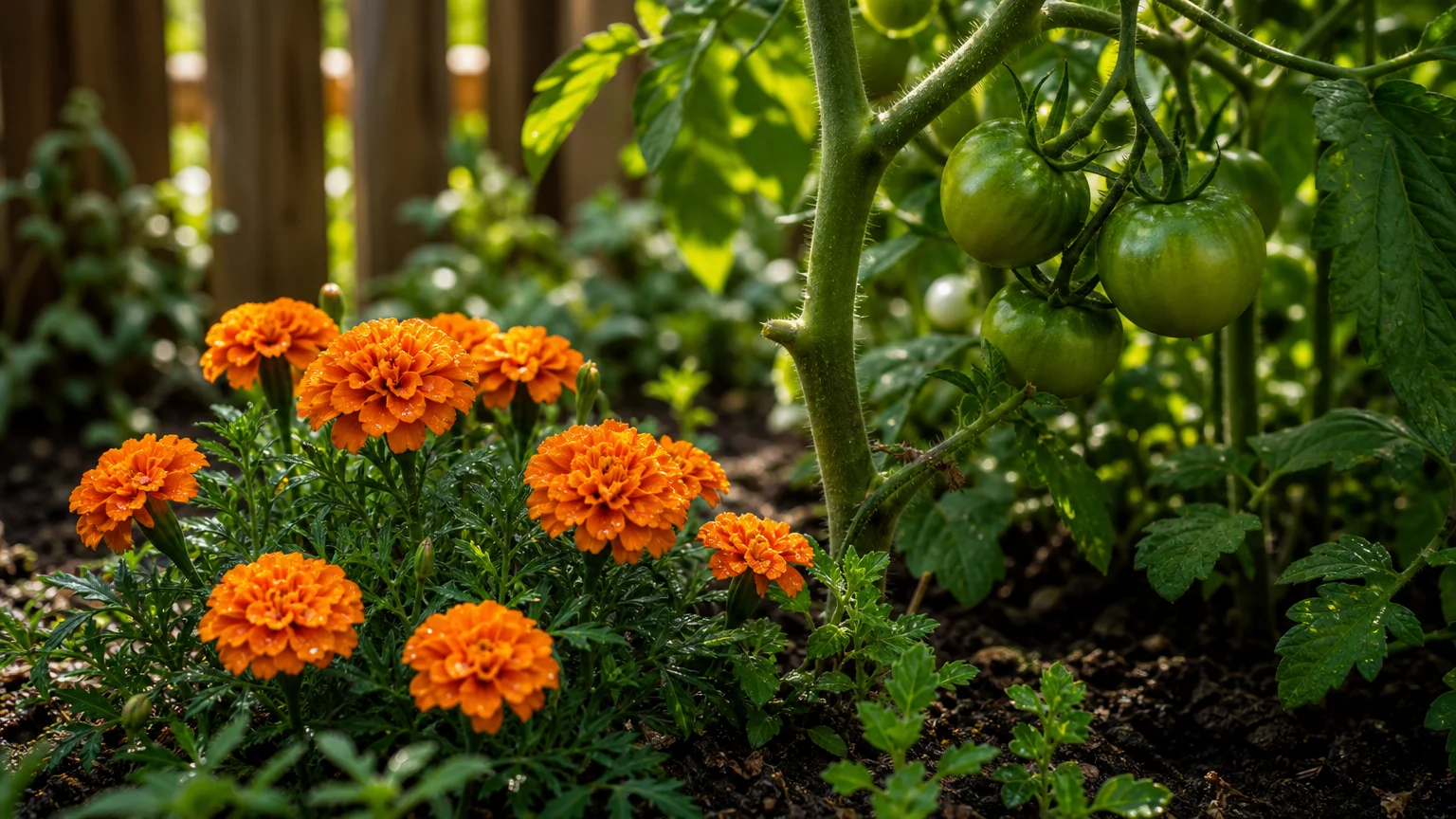
Few garden plant pairings are as celebrated and widely practiced as the classic combination of tomatoes and marigolds. This dynamic duo offers significant benefits that extend far beyond their cheerful visual contrast in the summer garden. When you plant pungent French marigolds near the base of your tomato vines, you establish a powerful biological defense system against some of the most destructive garden pests.
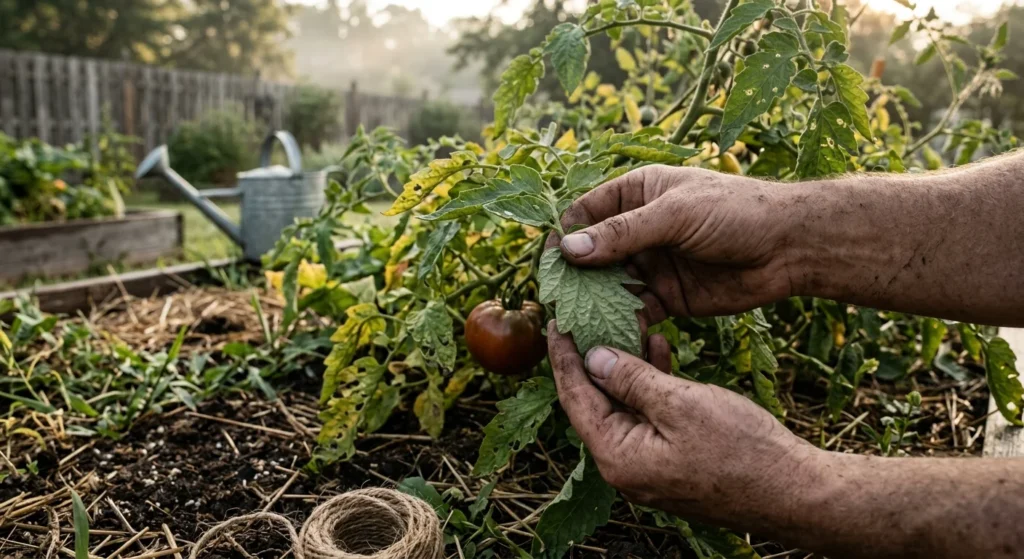
Marigolds release a naturally occurring chemical compound called alpha-terthienyl into the surrounding soil. This potent compound actively suppresses root-knot nematodes—microscopic soil-dwelling worms that attack tomato roots, stunt plant growth, and severely diminish your harvest yields. By blanketing the root zone of your tomatoes with marigolds, you create an inhospitable environment for these invisible attackers.
Above ground, the strong scent of marigold foliage serves as a masking agent. It confuses airborne pests like whiteflies and tomato hornworms, making it much harder for them to locate your prized heirloom tomatoes. To get the best results, plant a border of marigolds completely around your tomato patch or alternate them between every single tomato plant in your raised beds. The marigolds will act as a living mulch, shading the soil to retain essential moisture during the hottest days of summer.
Tip #2: Corn, Beans, and Squash
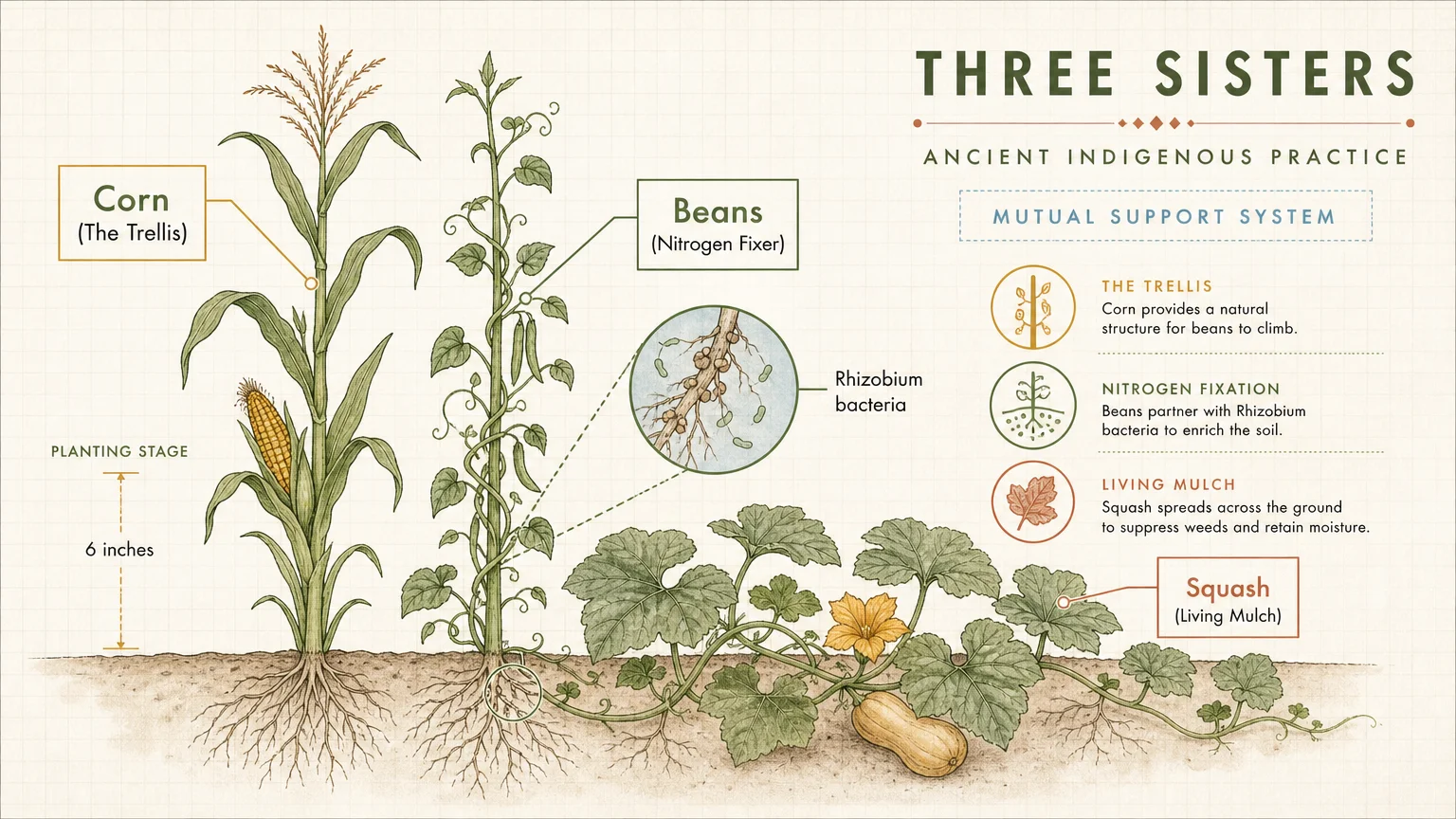
Known traditionally as the “Three Sisters,” this brilliant combination of corn, beans, and squash represents an ancient indigenous agricultural practice that perfectly demonstrates the power of mutual support. Each plant in this triad plays a specific, indispensable role, creating a highly efficient micro-ecosystem that requires less water, less fertilizer, and less physical weeding than single-crop plantings.
The corn provides a sturdy, natural trellis for the pole beans to climb, eliminating your need to build artificial support structures. As the beans vine upward, they perform a critical function for the heavy-feeding corn—they pull nitrogen from the atmosphere and fix it into the soil through a symbiotic relationship with Rhizobium bacteria. Finally, the sprawling squash vines act as an aggressive living mulch; their massive leaves shade the earth, drastically reducing soil temperature, preventing weed seed germination, and locking in vital moisture.
Timing remains the crucial factor for achieving success with this arrangement. You must plant your corn seeds first. Wait until the corn stalks reach at least six inches tall before you sow your bean seeds, ensuring the beans do not overwhelm the young corn. Once the beans emerge, plant your squash seeds around the perimeter. This staggering technique ensures each “sister” matures at the perfect pace to support the others.
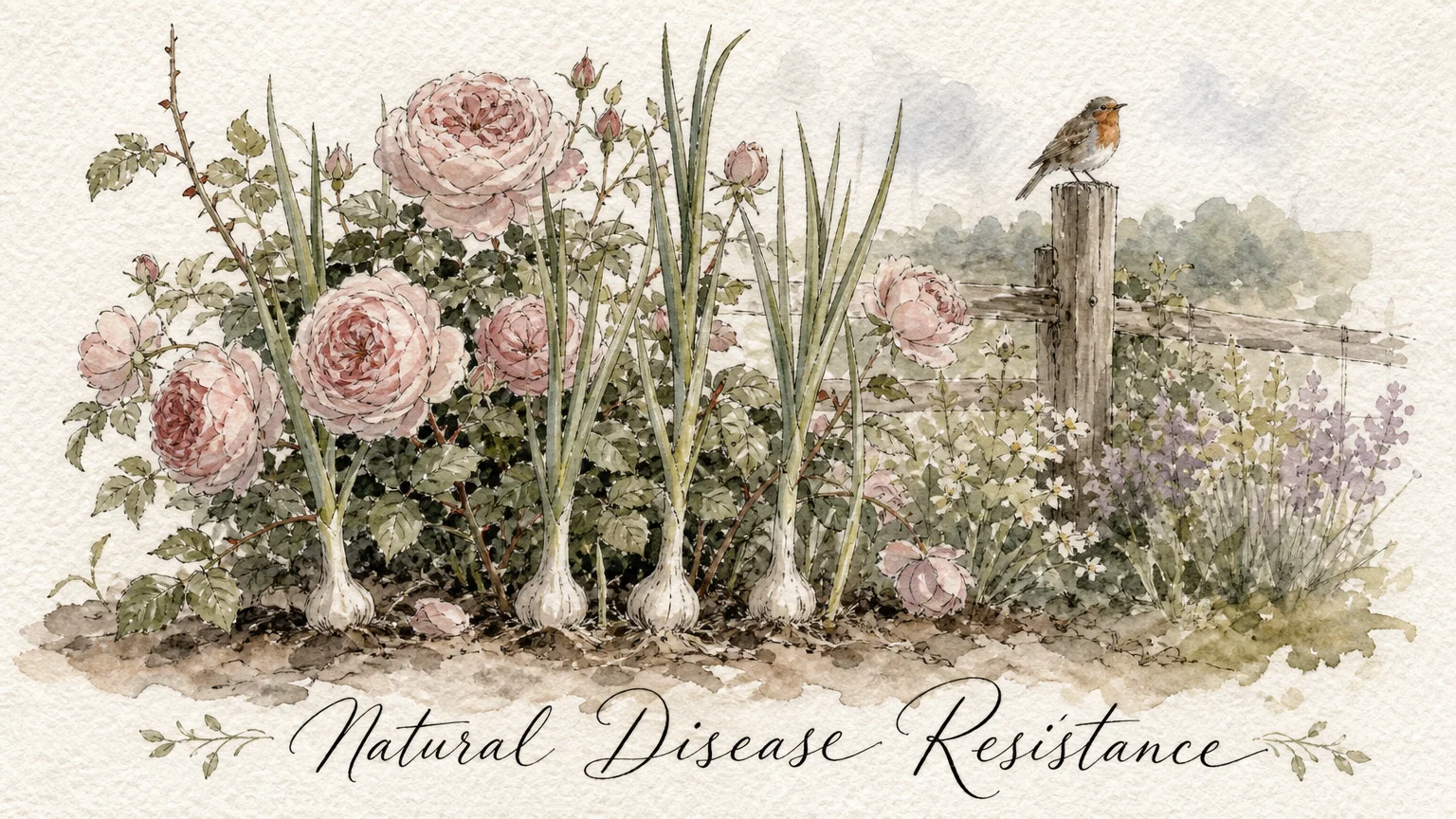
Tip #3: Roses and Garlic
While pairing delicate, romantic roses with pungent culinary garlic might sound highly unconventional, this combination provides exceptional disease resistance and pest control. Roses often suffer from relentless attacks by aphids and debilitating fungal diseases like black spot. Interplanting garlic around your rose bushes offers an organic, highly effective solution to these persistent problems.
Garlic bulbs accumulate sulfur naturally as they grow. This accumulated sulfur acts as a powerful subterranean fungicide, effectively suppressing the soil-borne fungal spores that cause black spot and powdery mildew. Furthermore, the strong scent of the garlic foliage repels aphids, spider mites, and Japanese beetles. These pests rely on their acute sense of smell to find sweet-smelling rose foliage; the overpowering garlic aroma masks the scent of the roses, completely disrupting the pests’ radar.
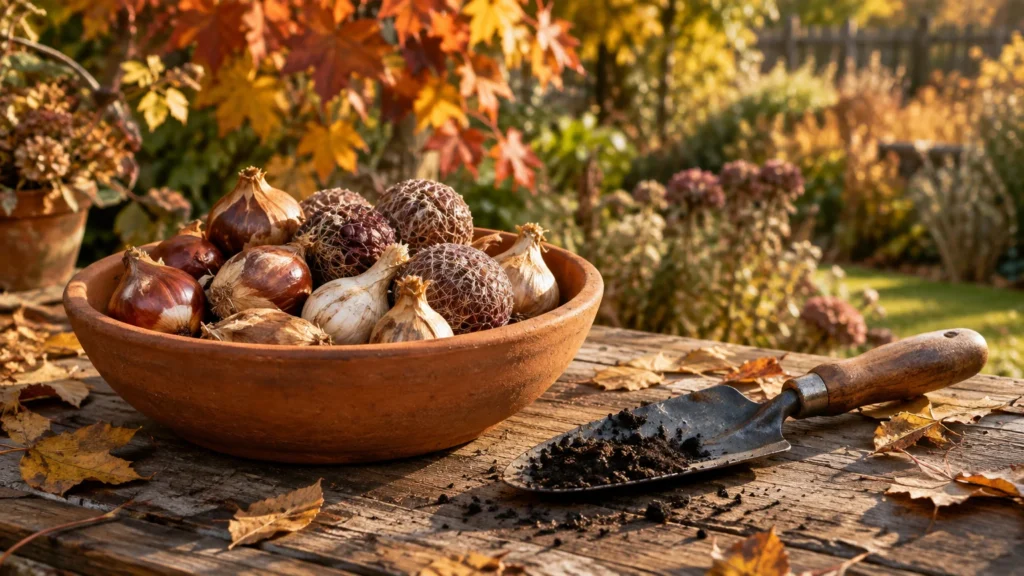
If you need fresh plant pairing ideas that double as edible landscapes, this is the perfect starting point. Plant individual garlic cloves directly around the drip line of your rose bushes in late autumn. The garlic will sprout in early spring, just as the roses begin pushing new growth. By mid-summer, you can harvest fresh garlic bulbs for your kitchen, leaving behind beautifully vibrant, pest-free rose bushes.
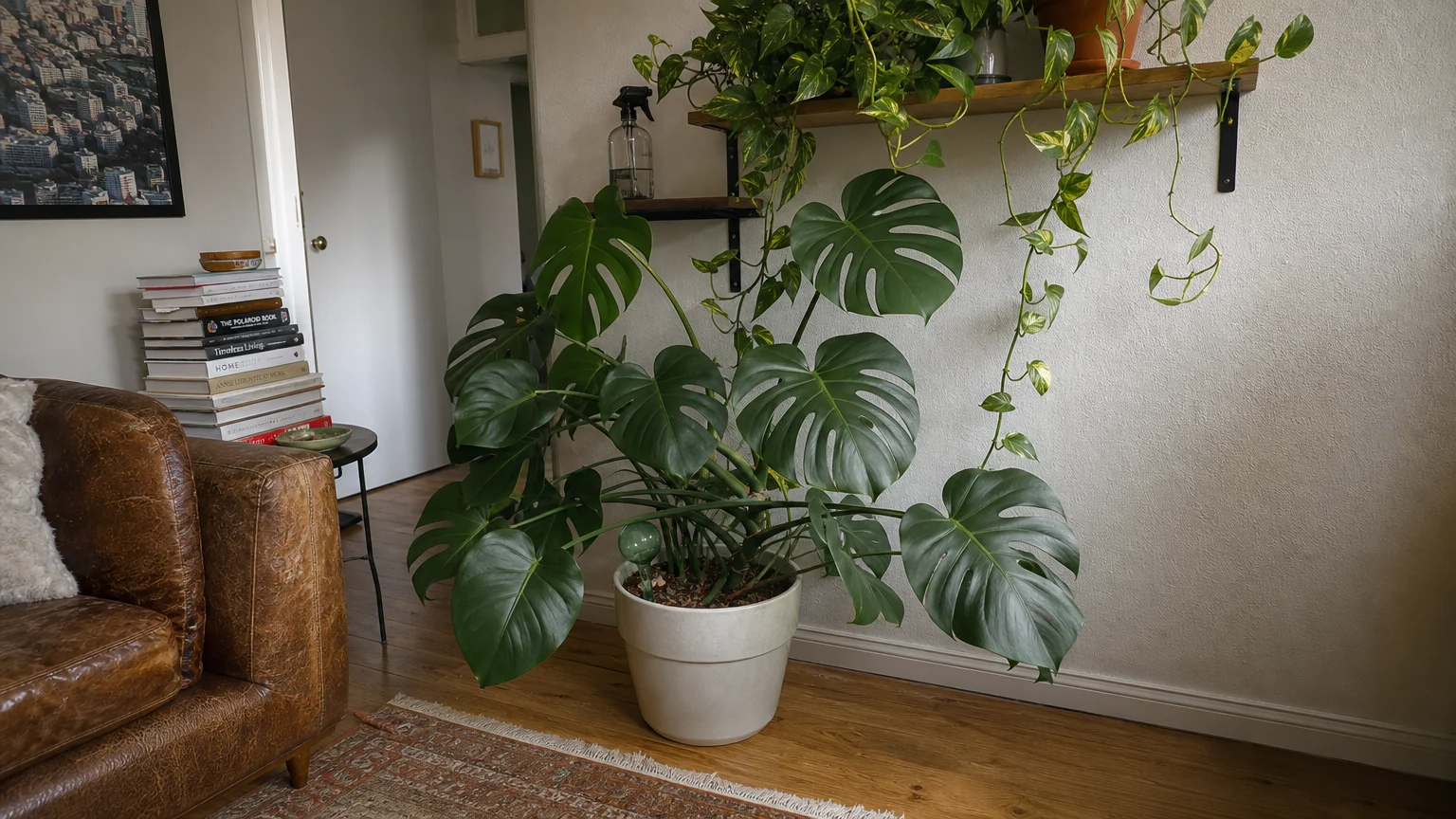
Tip #4: Monstera and Pothos
Bringing the concept of companion planting indoors allows you to create lush, tropical microclimates right in your living room. When designing indoor plant combinations, you must select species that share identical light, water, and soil requirements. Pairing a climbing Monstera deliciosa with a trailing golden pothos achieves exactly that, resulting in a breathtaking vertical display.
Both of these popular aroids originate from the understory of tropical rainforests. They thrive in bright, indirect sunlight and prefer a chunky, well-draining soil mix that dries out slightly between waterings. By placing them in the same large decorative planter, you mimic their natural layered environment. The large, fenestrated leaves of the Monstera create a striking structural canopy, while the pothos vines gracefully cascade over the rim of the pot, softening the arrangement and hiding the bare soil.
This pairing also maximizes your indoor space. You can train the Monstera to climb upward on a moss pole, drawing the eye vertically, while the pothos functions as a vibrant “spiller” plant. Because their root systems play nicely together, they will happily coexist for years, provided you use a container large enough to accommodate their combined growth and fertilize them regularly during the active spring and summer growing seasons.
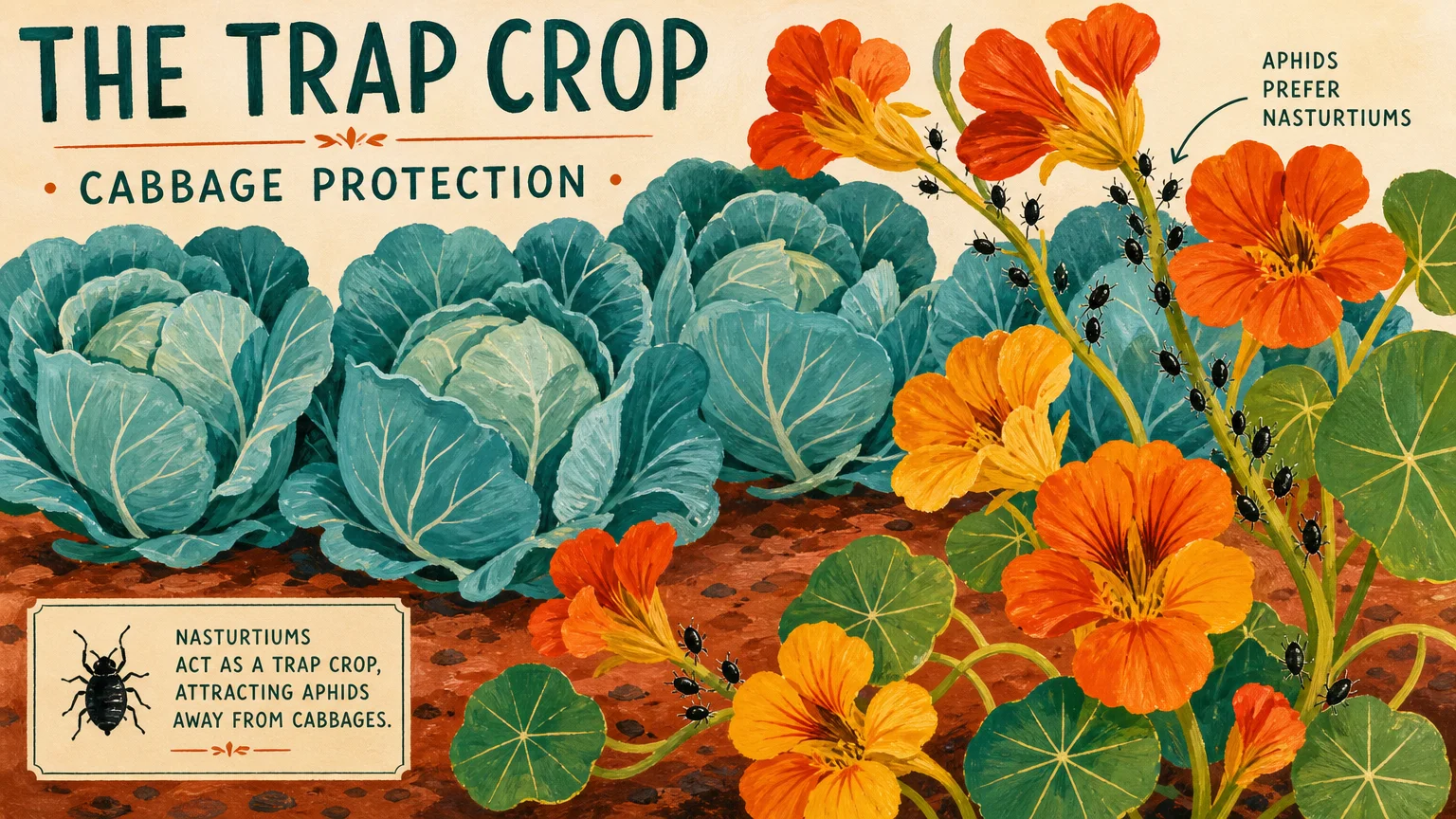
Tip #5: Cabbage and Nasturtiums
Protecting vulnerable brassicas—such as cabbage, broccoli, kale, and cauliflower—often feels like an endless battle against caterpillars and aphids. Introducing nasturtiums into your vegetable garden changes the rules of engagement. Nasturtiums serve as a highly effective “trap crop,” which means you intentionally plant them to attract destructive insects away from your valuable primary harvest.
Cabbage white butterflies find nasturtiums absolutely irresistible. They will actively bypass your healthy cabbage heads to lay their eggs on the broad, circular leaves of the nasturtium plants. Similarly, aphids will congregate on the fleshy nasturtium stems rather than sucking the sap from your tender broccoli shoots. By sacrificing the nasturtiums, you ensure your main vegetable crops remain completely pristine and ready for the dinner table.
To implement this strategy successfully, plant your nasturtiums as a sacrificial border approximately two to three feet away from your brassica beds. Do not plant them too close, or you risk drawing the pests directly into the cabbage patch. As an added bonus, nasturtiums produce brilliant, jewel-toned flowers that look gorgeous and are entirely edible, offering a peppery bite perfect for summer salads.
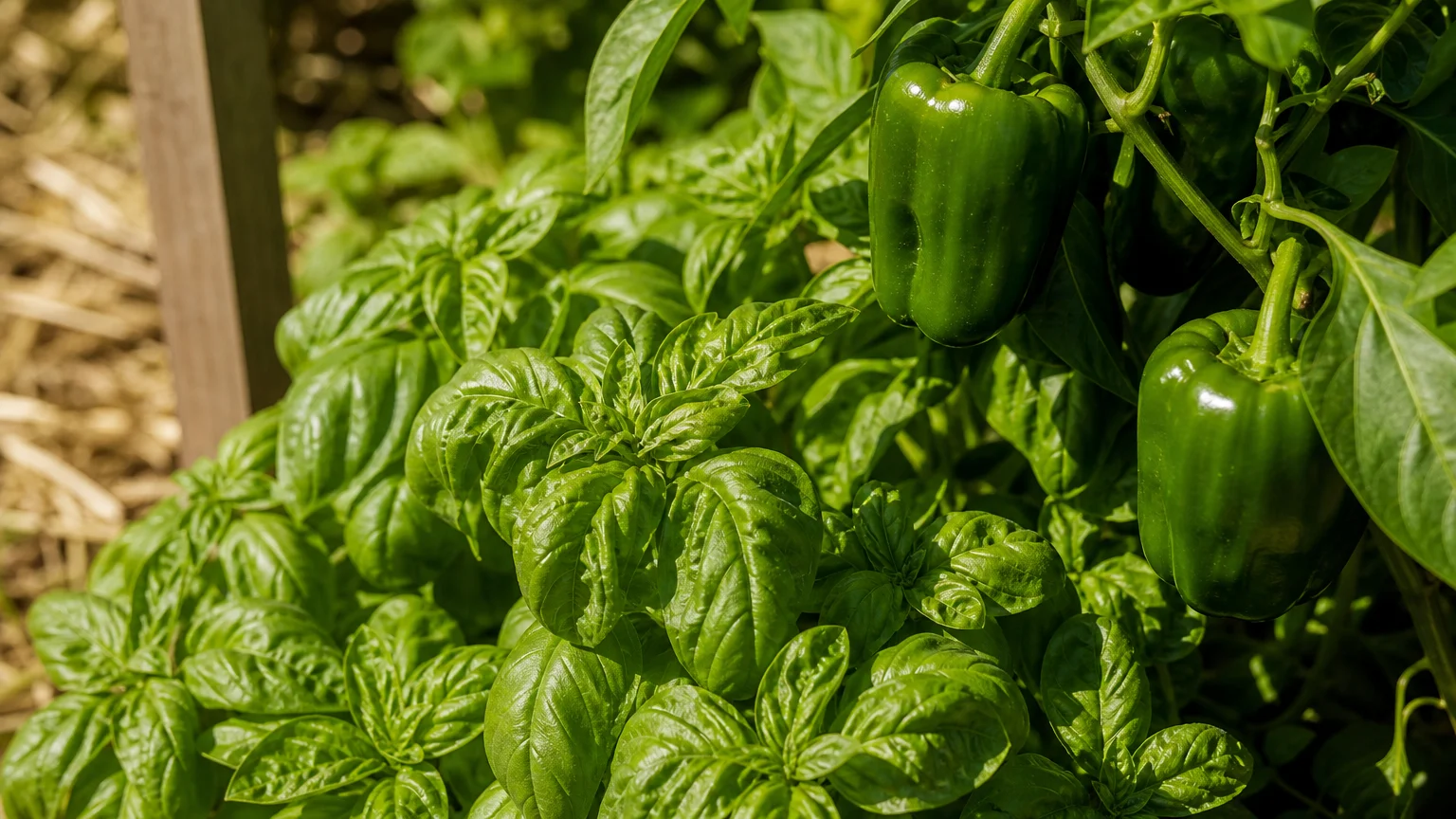
Tip #6: Basil and Peppers
Maximizing the flavor and yield of your summer nightshades requires strategic underplanting, and sweet basil stands out as the ultimate companion for bell peppers, jalapeños, and habaneros. This fragrant pairing thrives in the exact same environmental conditions, demanding full, baking sun and consistently moist, rich soil.
When you plant basil thickly around the base of your pepper plants, the dense herbaceous foliage acts as a cooling green carpet. Peppers despise dry, cracked earth; the leafy basil provides living shade that drastically reduces water evaporation from the soil surface, keeping the pepper roots cool and adequately hydrated during peak afternoon heat. Additionally, some garden studies suggest that the aromatic oils released by the basil actually improve the flavor profile of the nearby peppers.
From a pest management perspective, basil masks the scent of the pepper plants, deterring thrips, spider mites, and aphids. When you allow a few basil plants to bolt and produce flowers, they attract tiny beneficial parasitic wasps. These harmless wasps actively patrol your garden, hunting down the very caterpillars and pests that try to chew holes through your developing pepper pods.
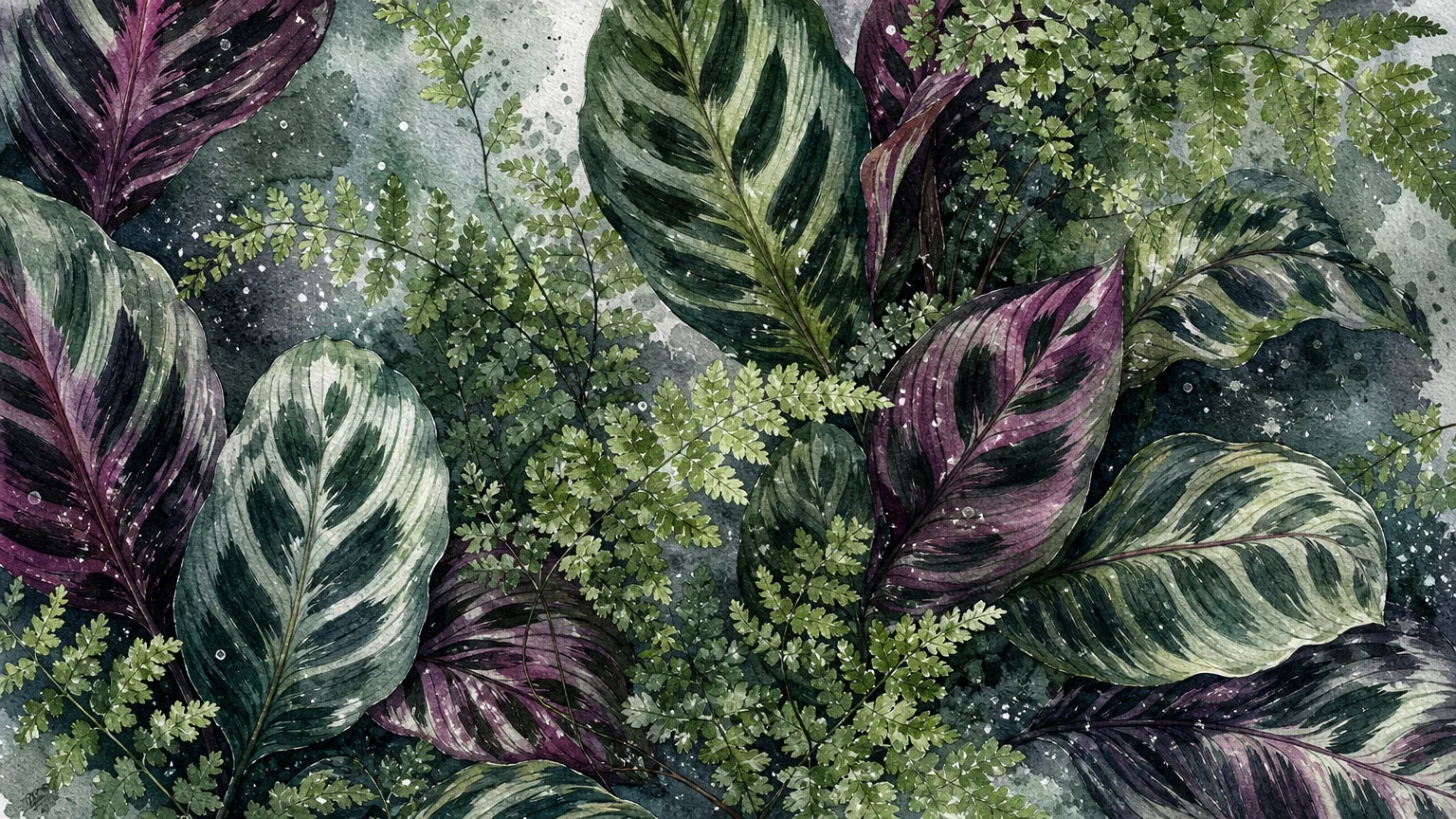
Tip #7: Calathea and Ferns
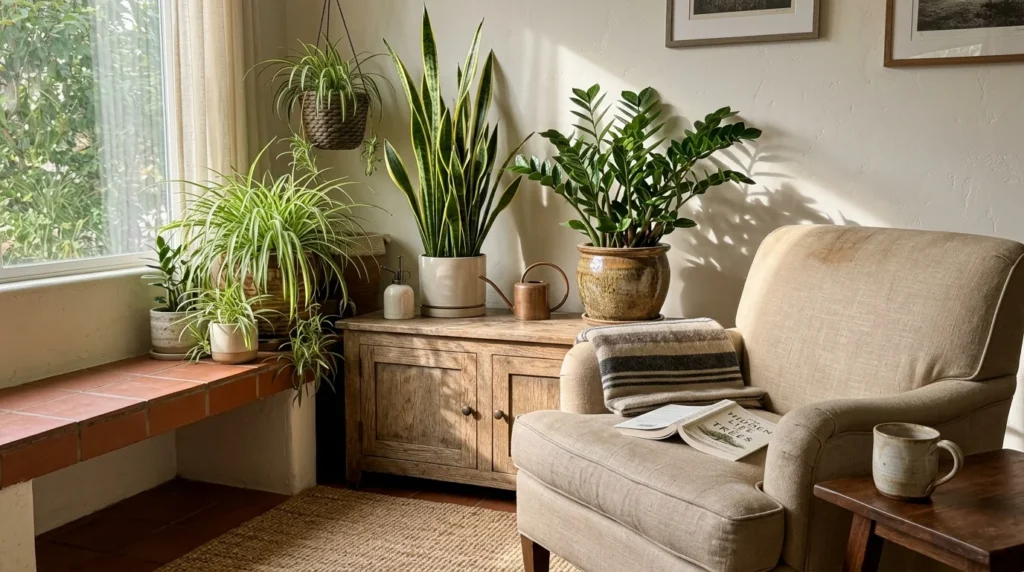
Maintaining adequate humidity stands as the most difficult challenge when growing sensitive tropical houseplants. Calatheas, with their stunning painted foliage, and delicate maidenhair ferns notoriously develop brown, crispy edges when subjected to dry indoor air. However, clustering these moisture-loving plants together creates a self-sustaining microclimate that solves this exact problem.
Plants constantly release moisture into the air through microscopic pores in their leaves—a process known as transpiration. When you group multiple high-humidity indoor plant combinations together, their collective transpiration dramatically raises the localized humidity level in that specific corner of your room. The ferns and calatheas effectively water the air for one another, keeping their foliage soft, pliable, and brilliantly colored.
To enhance this effect even further, place your clustered collection on top of a large pebble tray filled with water. Ensure the water level remains just below the top of the pebbles so the pots do not sit directly in the moisture, which would cause root rot. As the water evaporates from the tray, it floats up through the dense canopy of fern fronds and calathea leaves, perfectly replicating the damp, heavy air of a tropical jungle.
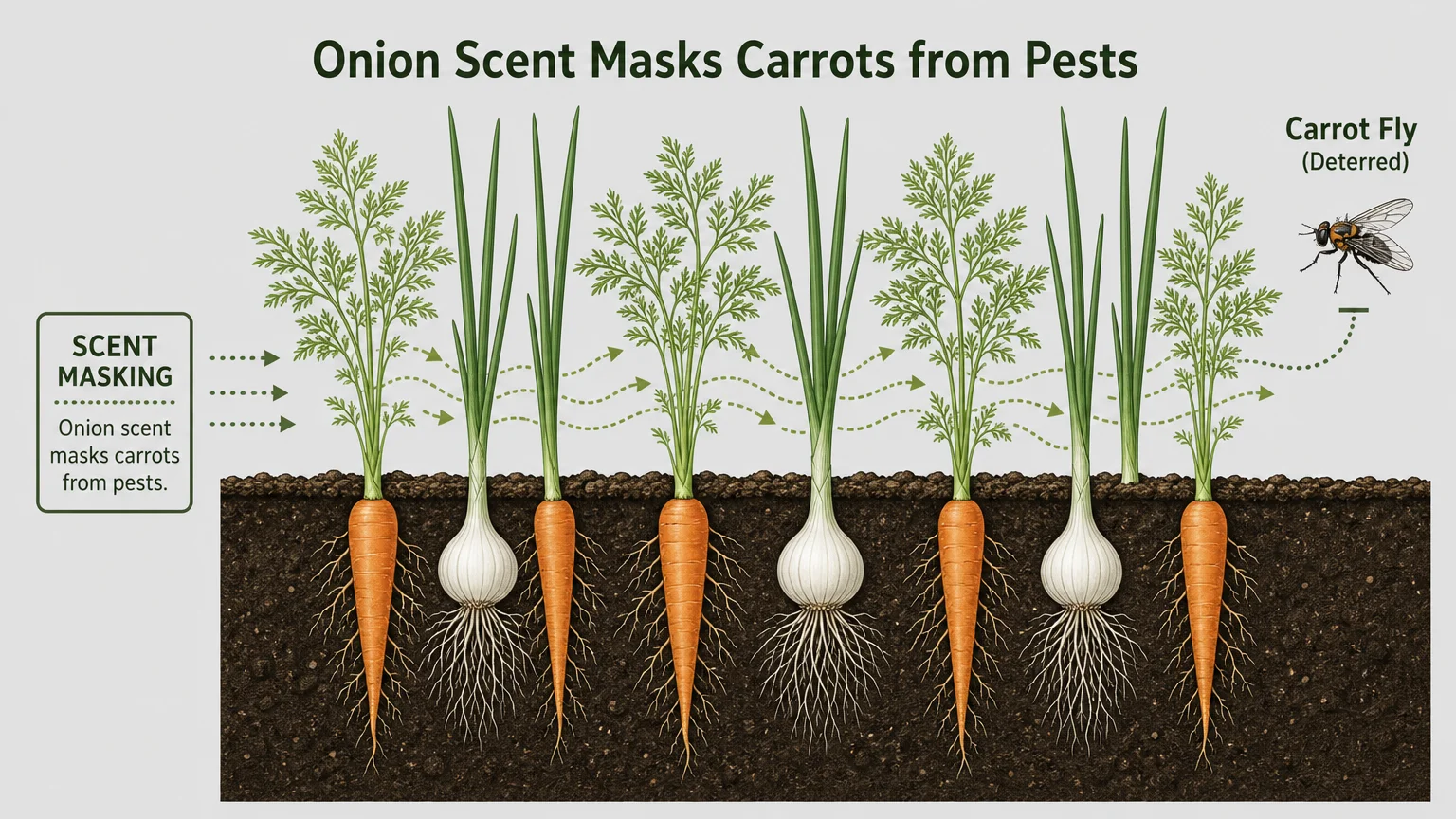
Tip #8: Carrots and Onions
Subterranean pests can devastate a root vegetable crop long before you ever realize a problem exists. The carrot rust fly and the onion fly represent two of the most notorious offenders in the home garden. Fortunately, pairing carrots and onions together in the same garden bed provides mutual, highly effective protection through olfactory camouflage.
The carrot rust fly locates its host by honing in on the sweet, earthy scent of carrot tops, while the onion fly aggressively targets the sharp aroma of alliums. When you interplant these two crops in tight proximity, their wildly different scents mingle and clash, completely confusing the sensory receptors of both insect species. The pungent smell of the onions hides the carrots, and the bushy green carrot tops obscure the onions.
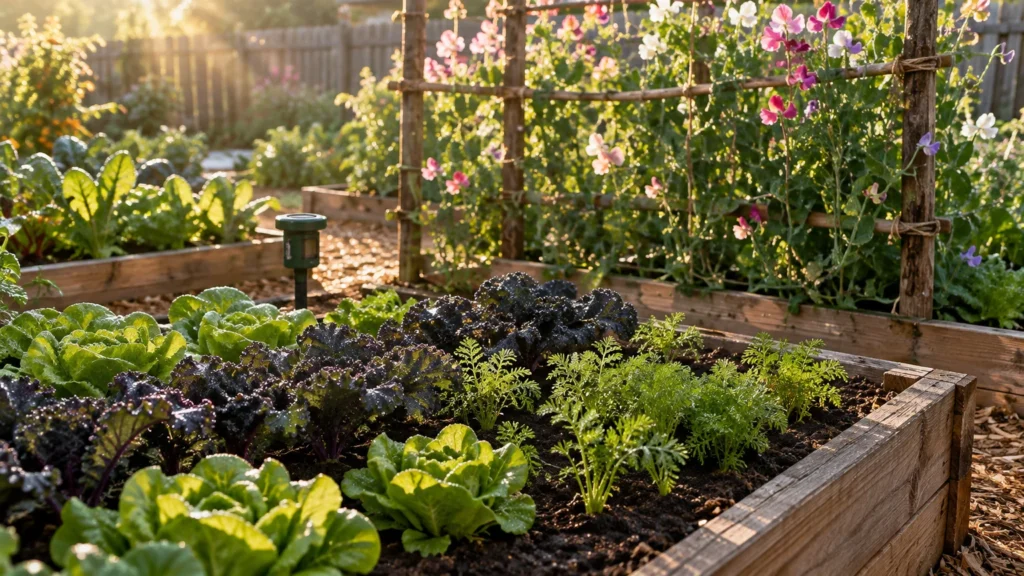
For the best defense, abandon traditional single-crop rows. Instead, plant your carrots and onions in a mixed checkerboard pattern or alternate them every single row. Because carrots develop a deep taproot while onions possess a very shallow, fibrous root system, they will never compete for the same subterranean real estate or nutrients, allowing you to harvest twice the amount of food from a single garden bed.
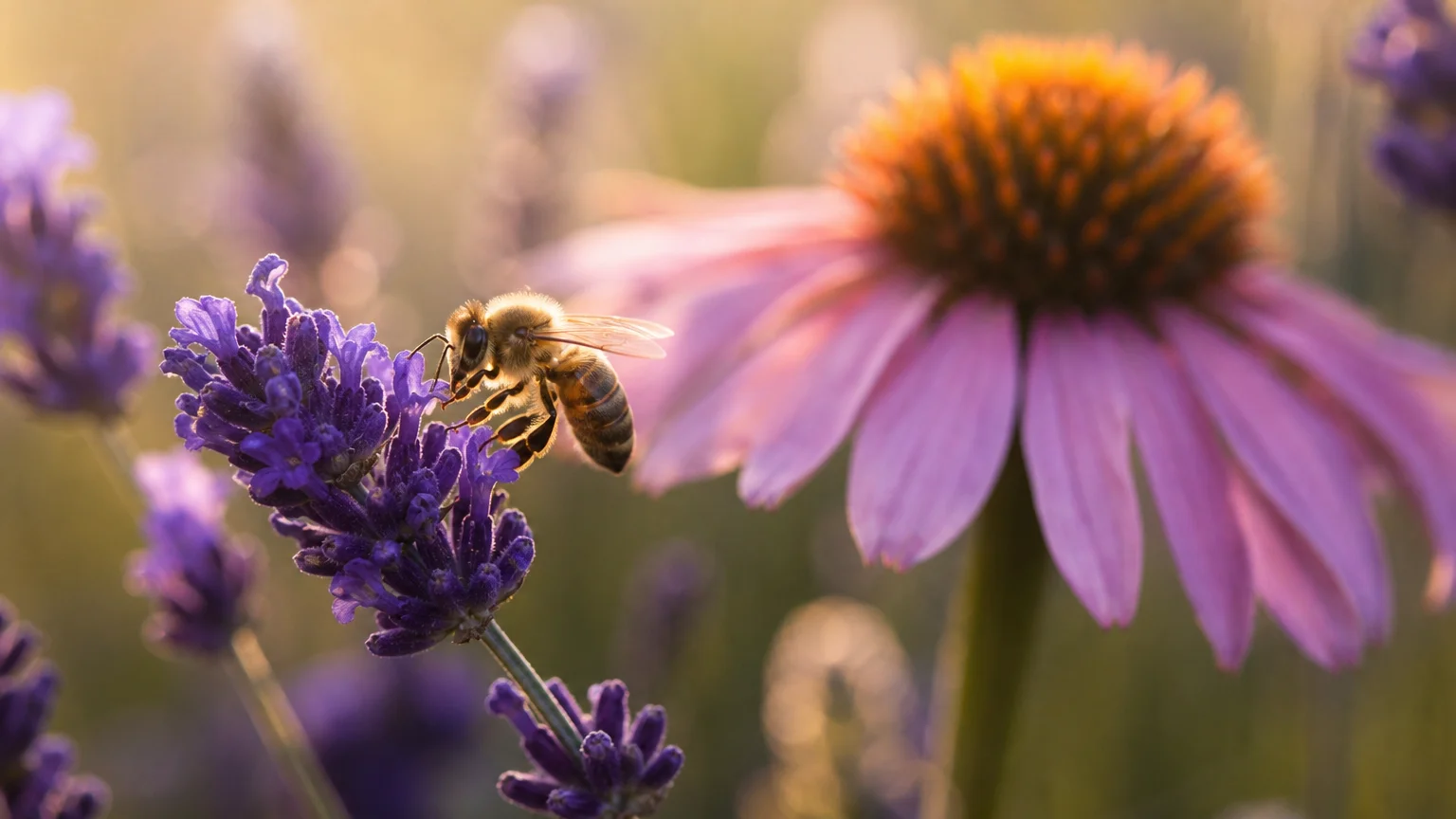
Tip #9: Lavender and Echinacea
Designing a drought-tolerant, pollinator-friendly landscape requires matching plants with identical structural needs. Lavender and Echinacea (coneflower) form one of the most stunning aesthetic plant arrangements available to home gardeners. Both of these tough perennials demand full sun, thrive in lean, well-draining soil, and detest having “wet feet.”
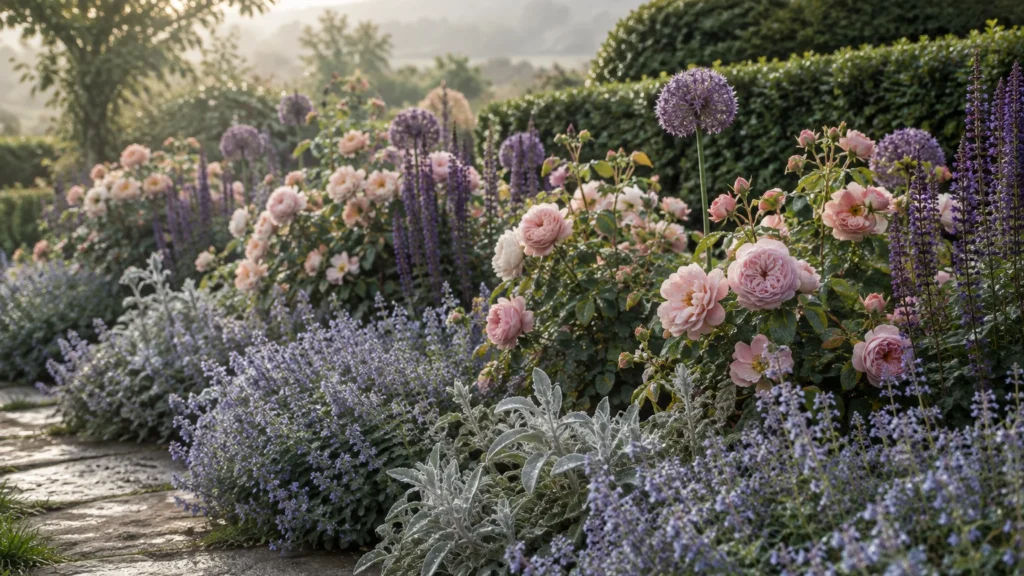
Visually, they create a breathtaking contrast. The soft, silvery-green foliage and delicate purple spikes of the lavender perfectly offset the bold, structural, daisy-like heads of the pink Echinacea. This combination guarantees vibrant color from early summer straight through to the first hard frost of autumn. Because they both possess deep taproots, they require almost no supplemental watering once fully established, making them perfect candidates for water-wise xeriscaping.
Beyond their sheer beauty, this pairing operates as a massive magnet for beneficial wildlife. The lavender attracts hundreds of busy bumblebees, while the wide, flat landing pads of the Echinacea blossoms draw swallowtail and monarch butterflies. By planting these two powerhouse perennials side by side, you ensure your garden remains buzzing with the exact pollinators needed to increase yields in your nearby vegetable beds.
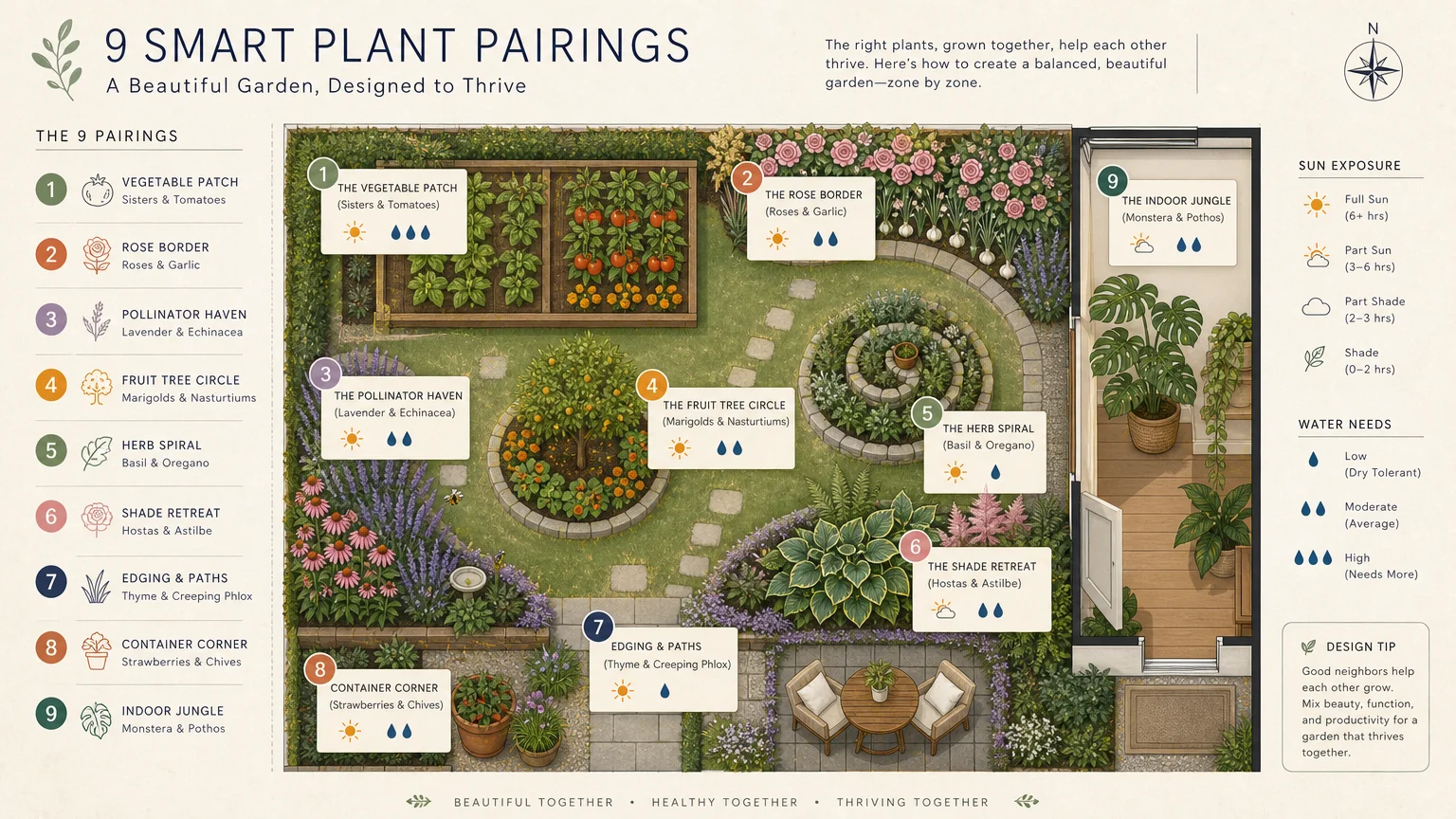
Putting It All Together: Enjoy Your Beautiful Garden
Mastering these nine strategic combinations will fundamentally transform how you approach your planting spaces. By stepping away from isolated planting and embracing the synergistic power of mixed beds, you empower your plants to actively protect, feed, and support one another. The garden shifts from a collection of individual demands into a unified, self-sustaining ecosystem that works hard for you.
As you plan your upcoming season, start small. Choose two or three of these pairings that naturally fit your current climate and spatial constraints. Plant some protective marigolds near your tomatoes, or group your thirsty tropical houseplants together to boost their humidity. Observe how the plants interact, monitor the reduction in pest activity, and take note of the increased vigor in your harvests.
Gardening always involves continuous learning and joyful experimentation. Do not hesitate to test new combinations based on the core principles of matching light, water, and soil needs. Soon enough, you will confidently design complex, beautiful layouts that yield massive harvests, require far less maintenance, and bring incredible beauty to your daily life.
Frequently Asked Questions
Can I pair plants with different watering needs in the same container?
You should never plant species with vastly different watering requirements in the same pot or immediate garden zone. If you pair a moisture-loving fern with a drought-tolerant succulent, one plant will inevitably suffer. The fern will dry out and die if you withhold water, or the succulent will rot if you water frequently enough to keep the fern alive. Always group plants into consistent “hydro-zones” based on their specific thirst levels.
Does companion planting really prevent all garden pests?
Companion planting serves as an excellent foundation for integrated pest management, but it will not magically eliminate every single bug from your property. Instead, it significantly reduces pest populations to manageable levels by masking scents, attracting natural predators, and utilizing trap crops. You should view these pairings as your first line of defense, which dramatically reduces your need to reach for chemical pesticides.
How close should I place my indoor plant combinations?
When clustering indoor plants to increase ambient humidity, place the pots close enough that their outer leaves lightly touch or overlap. However, you must avoid crushing them together so tightly that you completely block all air circulation. Proper airflow remains critical for indoor plants; stagnant, damp air trapped deep inside a tightly packed foliage canopy can lead to fungal issues and powdery mildew.
Are there any plants I should absolutely never pair together?
Yes, some plants exhibit allelopathy, meaning they release biochemicals that actively inhibit the growth of nearby competitors. For example, never plant tomatoes, peppers, or potatoes near a black walnut tree, as the tree’s roots release a toxic compound called juglone. Similarly, keep fennel isolated in its own container or separate garden bed, as it releases compounds that aggressively stunt the growth of most common vegetable crops.
For region-specific advice, consult your local University Extension program (find yours via the USDA directory). For plant databases and inspiration, visit the Missouri Botanical Garden or the Royal Horticultural Society.
Disclaimer: This article provides general gardening advice. Always consider your specific climate, soil conditions, and local pests. Follow safety guidelines when using gardening tools and products.