Transforming your exposed, windy, or sun-baked high-rise space into a lush oasis requires choosing hardy balcony plants that thrive in extreme conditions. Because balconies endure intense microclimates—baking heat, harsh winds, and rapid moisture loss—fragile blooms often struggle to survive. You need resilient greenery that looks gorgeous without demanding constant babysitting. Whether you face relentless afternoon sun or unpredictable gusts, selecting the right low maintenance balcony plants ensures your container garden flourishes year-round. By planting species naturally adapted to harsh environments, you eliminate the frustration of wilting leaves and stunted growth. Read on to discover wind resistant plants that effortlessly elevate your outdoor living area and turn your balcony gardening ideas into reality.
Tip #1: Sedum (Stonecrop)
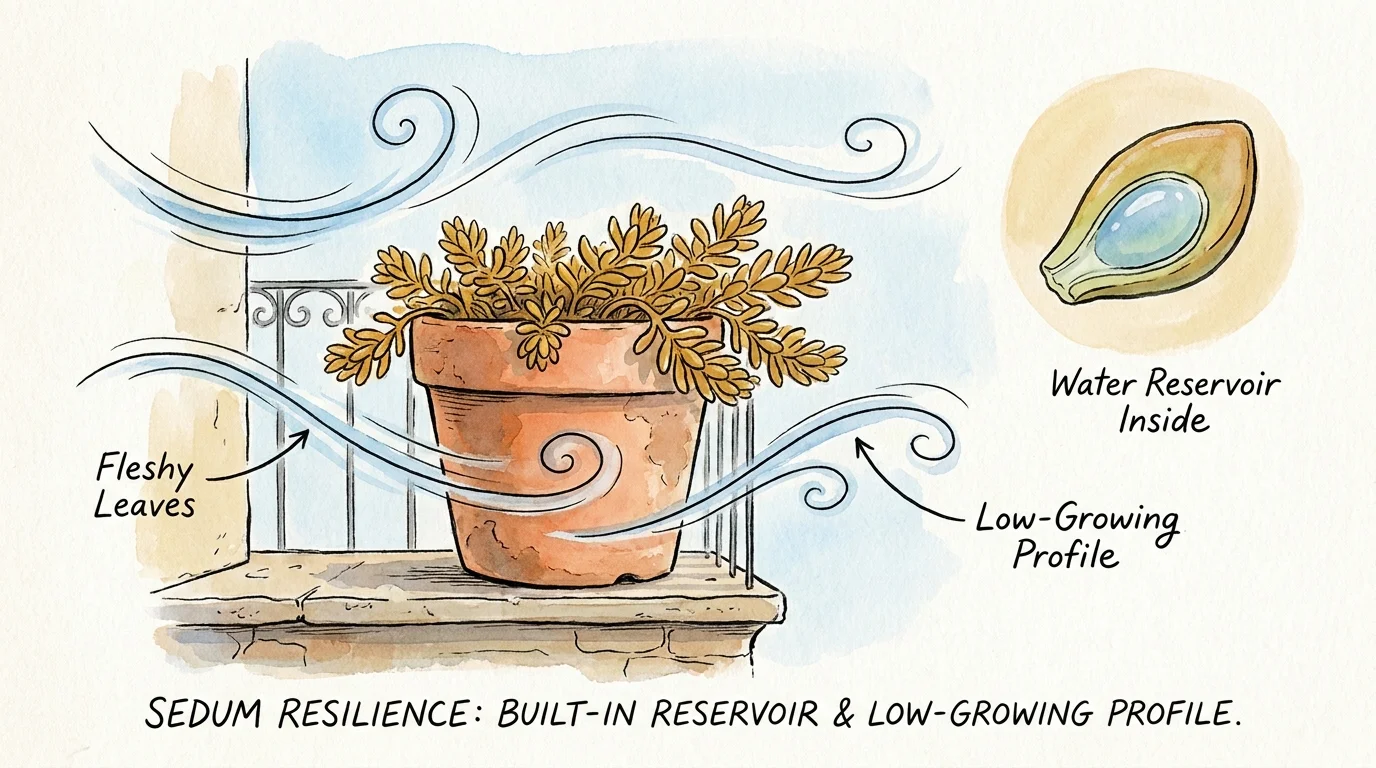
Sedum, commonly known as stonecrop, stands as the ultimate survivor for brutal balcony conditions. These fleshy succulents store water directly in their leaves and stems; this built-in reservoir allows them to endure days of neglected watering and baking heat. When wind whips across your high-rise terrace, the low-growing profile of creeping sedum varieties prevents them from snapping or uprooting. You can choose from hundreds of resilient varieties to suit your specific balcony gardening ideas. Try the vibrant ‘Autumn Joy’ for upright, architectural structure or ‘Angelina’ for a trailing spill of bright golden foliage over the edge of your containers. Plant your sedum in solid terracotta pots filled with a gritty, fast-draining cactus mix to prevent root rot. Because they require minimal nutrients, you rarely need to fertilize them. Place your stonecrop in the sunniest spot on your balcony, and watch it thrive while delicate plants wilt. Their star-shaped, late-summer blooms also attract beneficial pollinators like bees and butterflies to your urban space, adding a layer of dynamic life to your container garden without requiring extra maintenance on your part.
Tip #2: Lantana (Lantana camara)
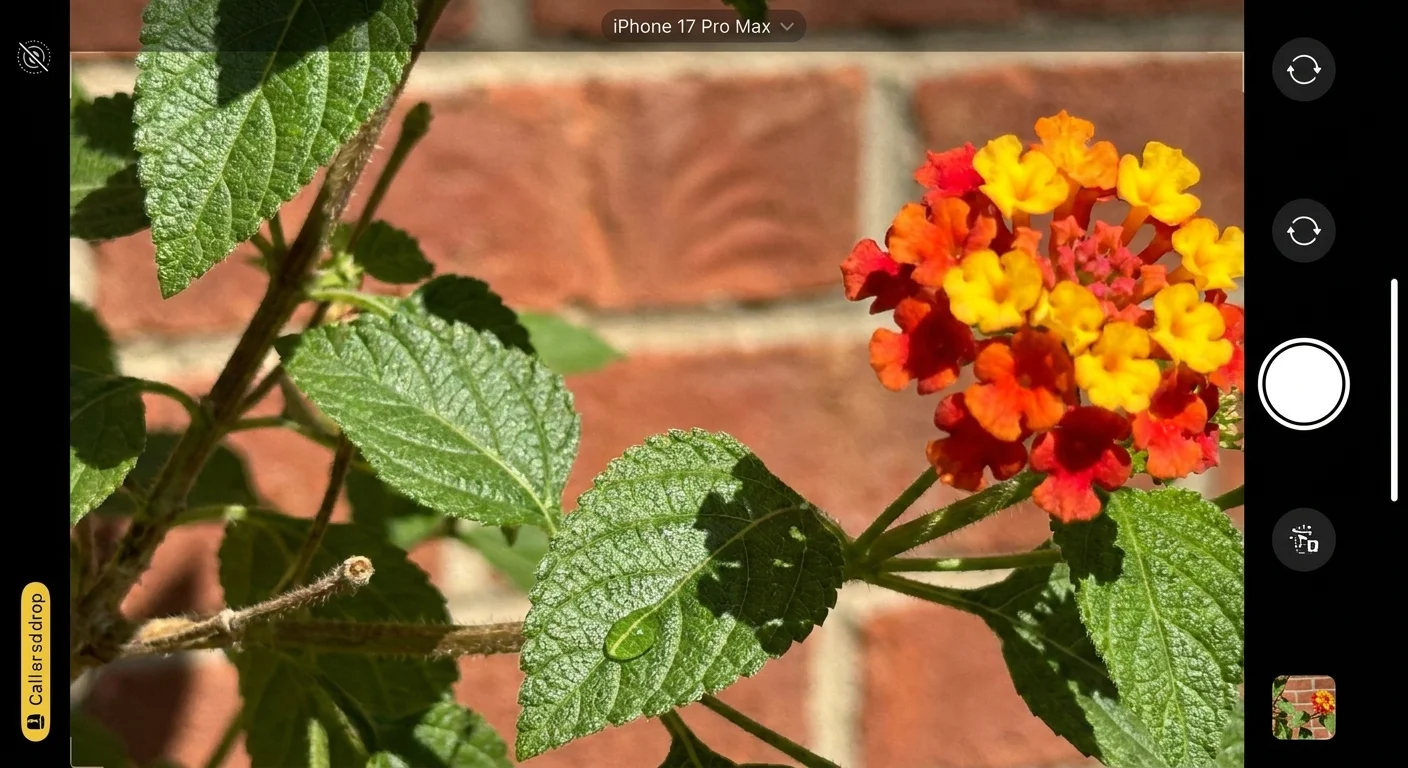
Lantana thrives under the exact conditions that destroy fragile flowers: blistering sunlight, radiant heat bouncing off brick walls, and sporadic watering. This tough, woody perennial produces tight clusters of brightly colored blooms that often transition through breathtaking hues of yellow, orange, pink, and red on the exact same flower head. If your balcony faces south or west, lantana serves as a reliable anchor plant that guarantees continuous, vibrant color from late spring until the first heavy frost of winter. The rough, textured leaves exude a distinct, slightly citrusy scent that naturally deters common urban pests like aphids and spider mites. Because lantana grows vigorously, it requires a spacious container and regular pruning to maintain a tidy, bushy shape. Give your lantana well-draining potting soil, and allow the top two inches of the mix to dry out completely before you water it again. While it tolerates drought exceptionally well, providing a consistent, deep watering schedule maximizes flower production. You will quickly discover that this plant not only survives your harshest balcony microclimate but aggressively flourishes in it.
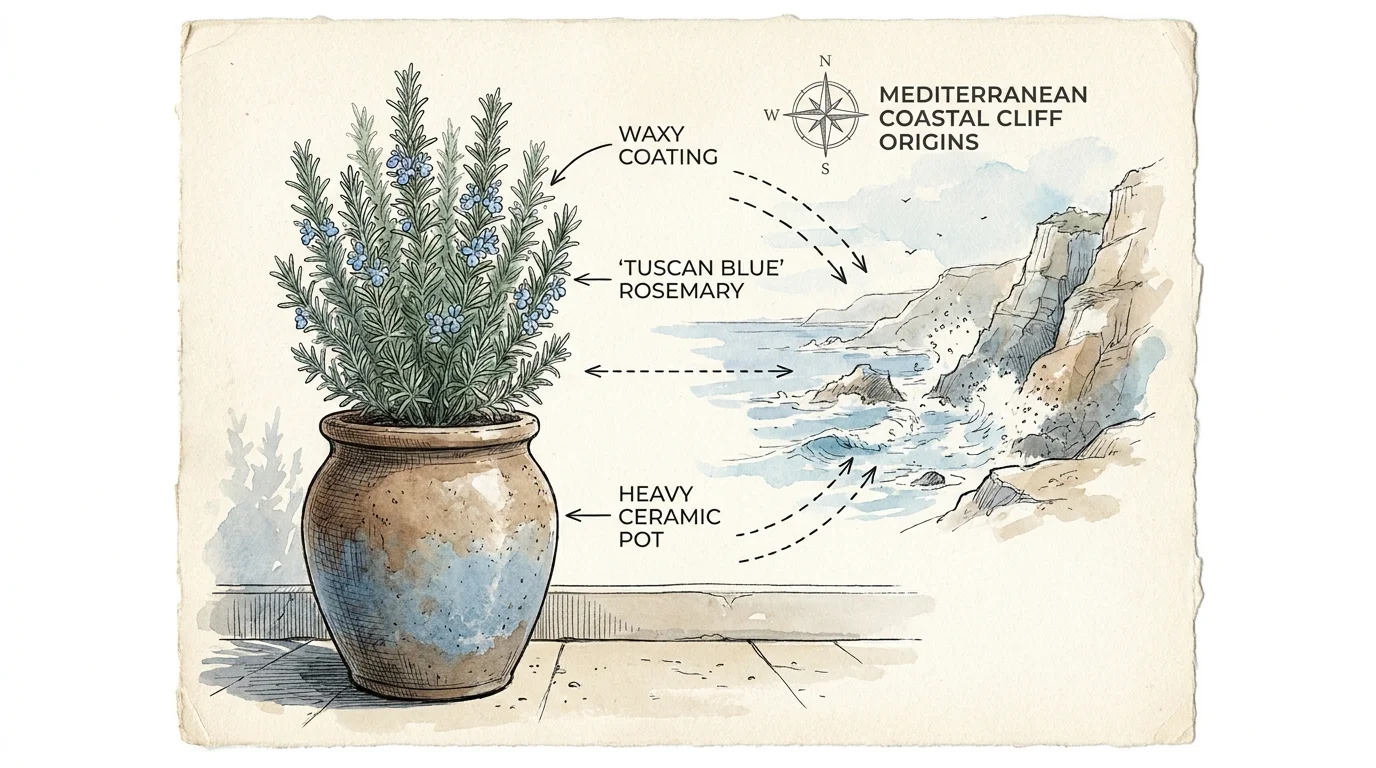
Tip #3: Rosemary (Salvia rosmarinus)
Rosemary brings exceptional dual functionality to your outdoor space, serving as both a rugged ornamental shrub and a highly practical culinary herb. Native to the rocky, coastal cliffs of the Mediterranean, this evergreen plant evolved specifically to withstand punishing winds, salt spray, and intense ultraviolet light. Its needle-like leaves feature a thick, waxy coating that significantly reduces moisture loss during hot, breezy afternoons. You can easily grow a dense, aromatic rosemary bush in a heavy ceramic pot, which provides enough weight to keep the plant stable during strong gusts of wind. Choose an upright variety like ‘Tuscan Blue’ for striking vertical height, or opt for a creeping variety like ‘Prostratus’ to cascade beautifully over your balcony railings. Ensure you plant your rosemary in a coarse potting mix heavily amended with perlite or coarse builder’s sand; soggy, waterlogged roots are its only true weakness. Harvest the fragrant sprigs regularly to encourage lateral branching and a fuller, healthier shape. By incorporating this culinary staple into your balcony design, you gain a resilient performer that smells incredible and elevates your everyday home cooking.
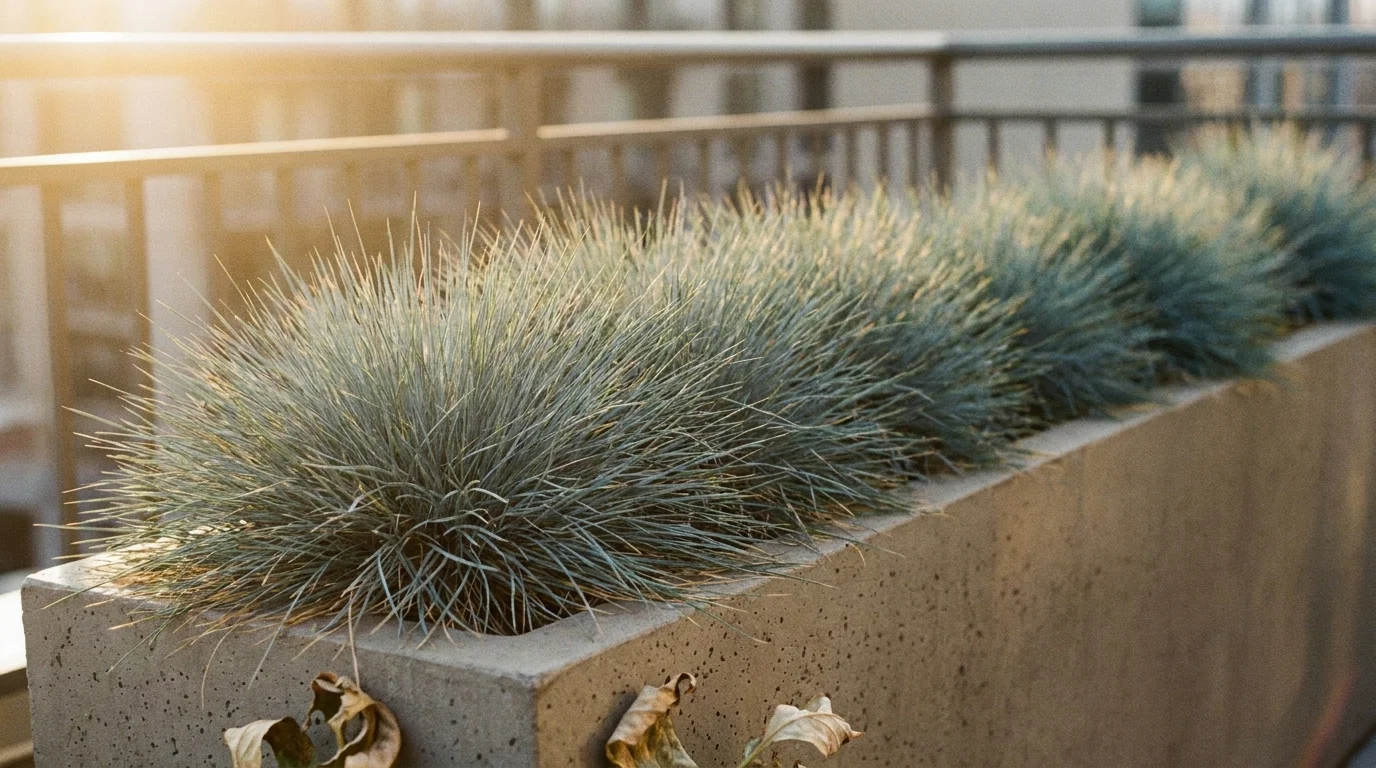
Tip #4: Blue Fescue (Festuca glauca)
Ornamental grasses inject spectacular texture and fluid movement into container designs, and blue fescue ranks among the most durable choices for highly exposed balconies. This compact, clumping grass produces icy blue, needle-thin foliage that looks visually stunning against modern fiberglass planters or rustic terracotta pots. Unlike tall, top-heavy plants that easily snap in high winds, blue fescue gracefully bends and dances in the breeze, making it one of the premier wind resistant plants for elevated spaces. It rarely exceeds a foot in height and width, making it highly manageable for small, restricted areas where square footage is at a premium. The striking silver-blue coloration actually intensifies in dry, nutrient-poor soil and blinding sunlight, meaning you can largely ignore it once it establishes a strong root system. Plant your blue fescue alongside contrasting dark foliage plants or bright green succulents to create striking visual geometry in your pots. Water it sparingly, and simply comb your fingers through the clump in early spring to effortlessly remove any dead, brown blades from the previous growing season.
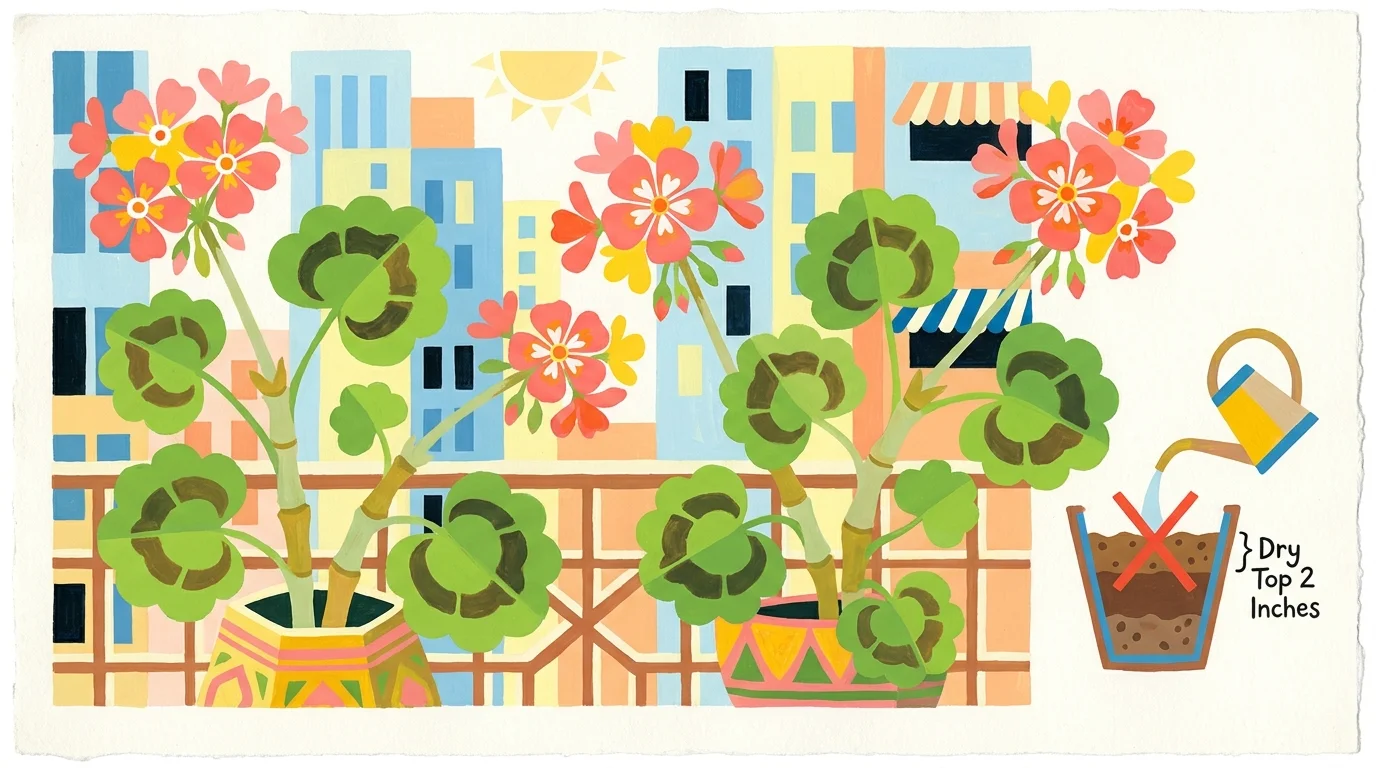
Tip #5: Zonal Geraniums (Pelargonium x hortorum)
Zonal geraniums offer the classic, quintessential balcony aesthetic without the frustrating fragility of typical flowering annuals. Their thick, slightly succulent stems and velvety, zoned leaves hold onto internal moisture remarkably well, allowing them to bounce back quickly if you happen to miss a scheduled watering session. They produce massive, vibrant, spherical flower clusters in bold shades of crimson, salmon, brilliant pink, and pure white. Because their stems are physically robust, they resist snapping in moderate balcony winds much better than delicate, thin-stemmed plants like petunias or impatiens. To extract the absolute best performance from your geraniums, plant them in a nutrient-rich potting mix and provide them with at least six hours of direct sunlight each day. You must practice regular deadheading—snapping off the spent flower stalks right at their base—to force the plant to redirect its energy into pushing out new blooms rather than setting seed. Allow the soil to dry slightly between waterings to prevent fungal issues and root rot. With their upright growth habit and saturated colors, zonal geraniums deliver massive visual impact while performing exceptionally well as hardy balcony plants.
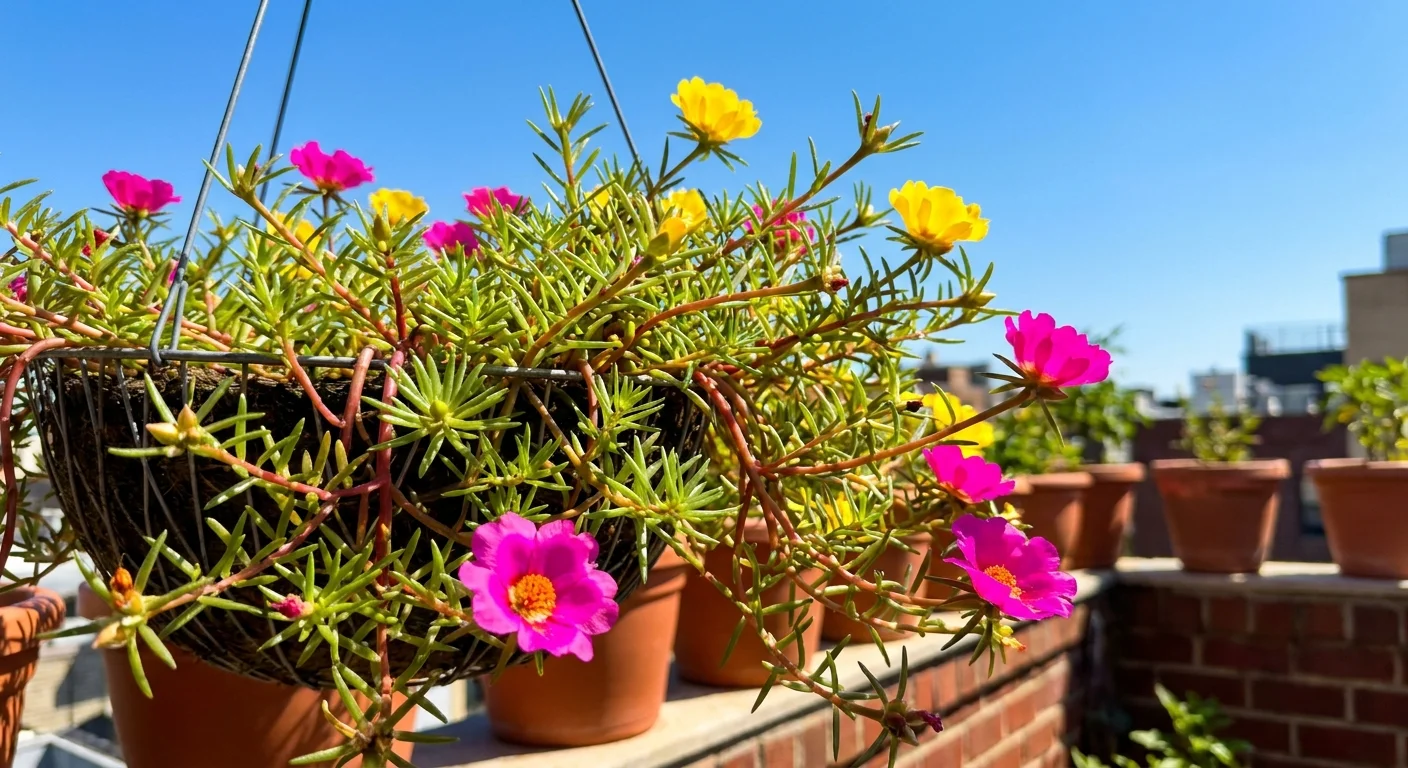
Tip #6: Portulaca (Moss Rose)
When your balcony feels like a sweltering oven during the peak of the summer months, portulaca steps up as the undisputed hero of your container garden. Also known as moss rose, this trailing succulent produces ruffled, neon-colored flowers that open wide in direct sunlight and tightly close on cloudy days or during the evening hours. Portulaca thrives in shallow soils, extreme radiant heat, and blinding sun, making it the perfect candidate for hanging baskets or small railing planters that typically dry out in a matter of hours. The fleshy, cylindrical leaves store ample water, so you can safely leave town for the weekend without worrying about your plants crisping up under the blazing sun. Because its root system remains incredibly shallow, you can easily tuck portulaca around the base of taller potted plants like hibiscus or young citrus trees to act as a living, flowering mulch. Use a sandy, fast-draining soil mix and water thoroughly only when the container feels completely lightweight when physically lifted. This resilient trailing plant instantly brightens up the harshest edges of your outdoor space.
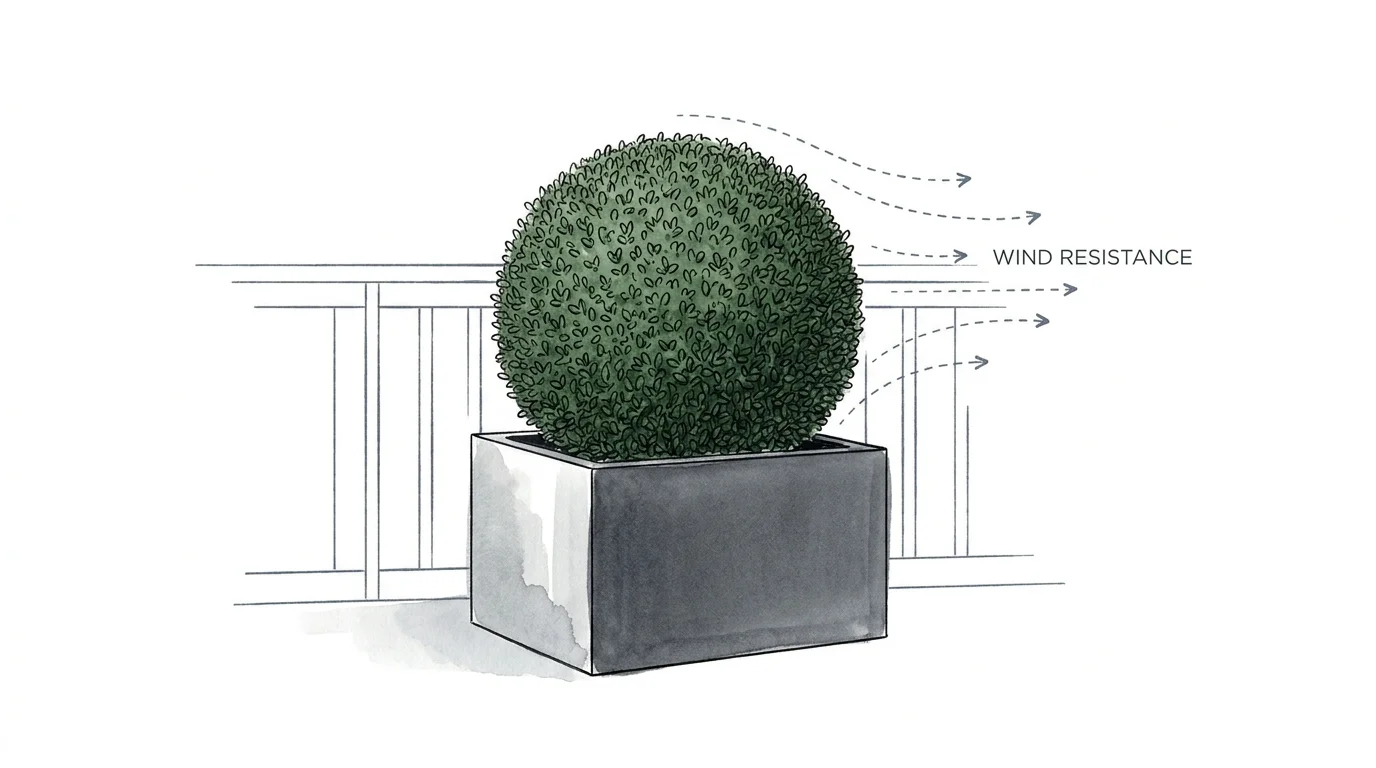
Tip #7: Boxwood (Buxus)
If you desire a formal, structured look or need to create a dense living privacy screen on your balcony, boxwood provides an unbeatable evergreen solution. These incredibly tough shrubs feature thick, leathery foliage that easily withstands powerful winds, heavy urban air pollution, and widely varying temperature extremes throughout the entire year. You can confidently clip and shape boxwoods into crisp spheres, neat cubes, or seamless hedges depending on your personal balcony gardening ideas and available square footage. Cultivars like ‘Green Velvet’ or ‘Winter Gem’ adapt beautifully to restricted life in large containers and stubbornly maintain their vibrant green color even during frosty winter months. Because boxwoods represent a long-term gardening investment, you must plant them in large, insulated planters made of thick resin, poured concrete, or treated wood to protect their sensitive root systems from severe winter freezing and intense summer baking. Keep the soil evenly moist, applying a slow-release granular fertilizer once in the early spring to support strong, healthy foliage growth. By anchoring your balcony layout with a pair of sturdy boxwoods, you introduce timeless, structural elegance to your high-rise sanctuary.
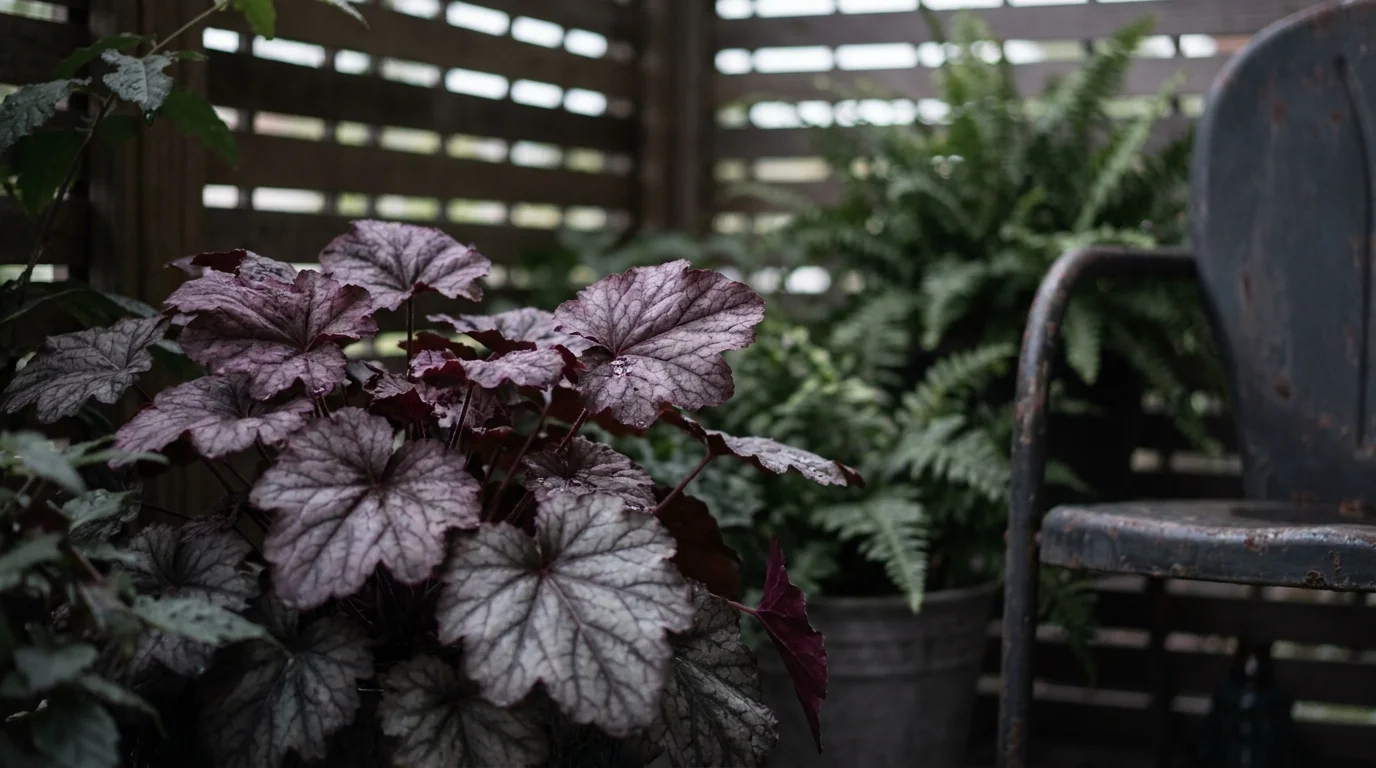
Tip #8: Heuchera (Coral Bells)
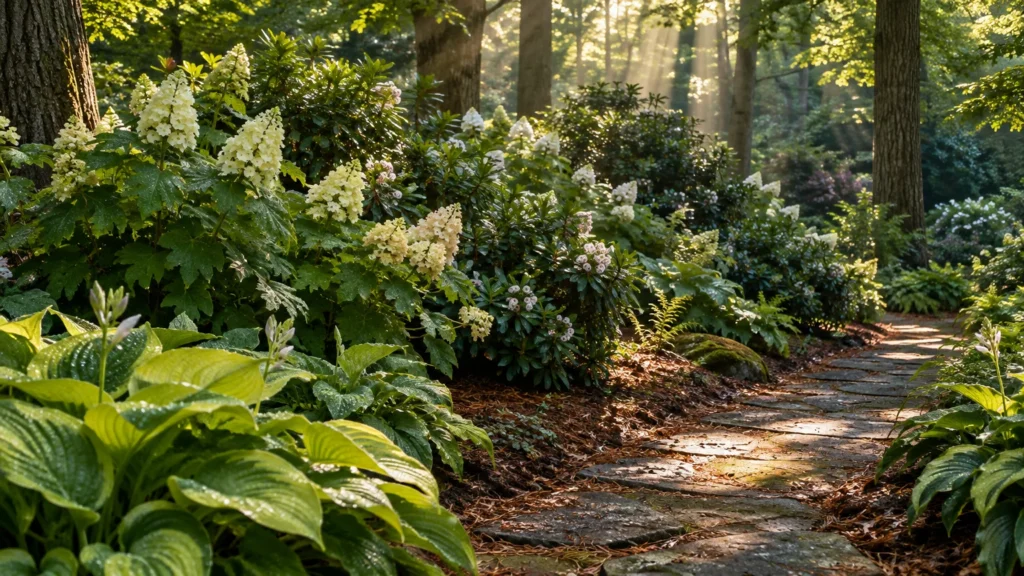
Not all balconies roast under the intense midday sun; if your outdoor space sits in the persistent shadow of another high-rise building or strictly faces north, heuchera delivers spectacular visual results. Commonly known as coral bells, this highly reliable shade-loving perennial relies on striking, ruffled foliage rather than fleeting flowers to provide continuous, year-round color. You can find stunning varieties boasting leaves in deep burgundy, glowing amber, neon lime green, and frosty silver, often heavily veined with dramatically contrasting colors. Heuchera handles the cool, damp, and persistently windy microclimates of shaded balconies with incredible grace. Their low, mounding growth habit keeps them well sheltered from intense upper-level drafts, while their thick woody crowns firmly resist rot if planted in the appropriate, well-aerated soil blend. Position your coral bells in a sheltered spot that receives gentle morning sun or dappled shade throughout the day. Ensure you plant them in a well-draining, compost-enriched potting mix, taking specific care not to bury the woody crown below the soil line. Once their root systems settle deeply into the container, they easily endure brief dry spells without dropping their gorgeous leaves.
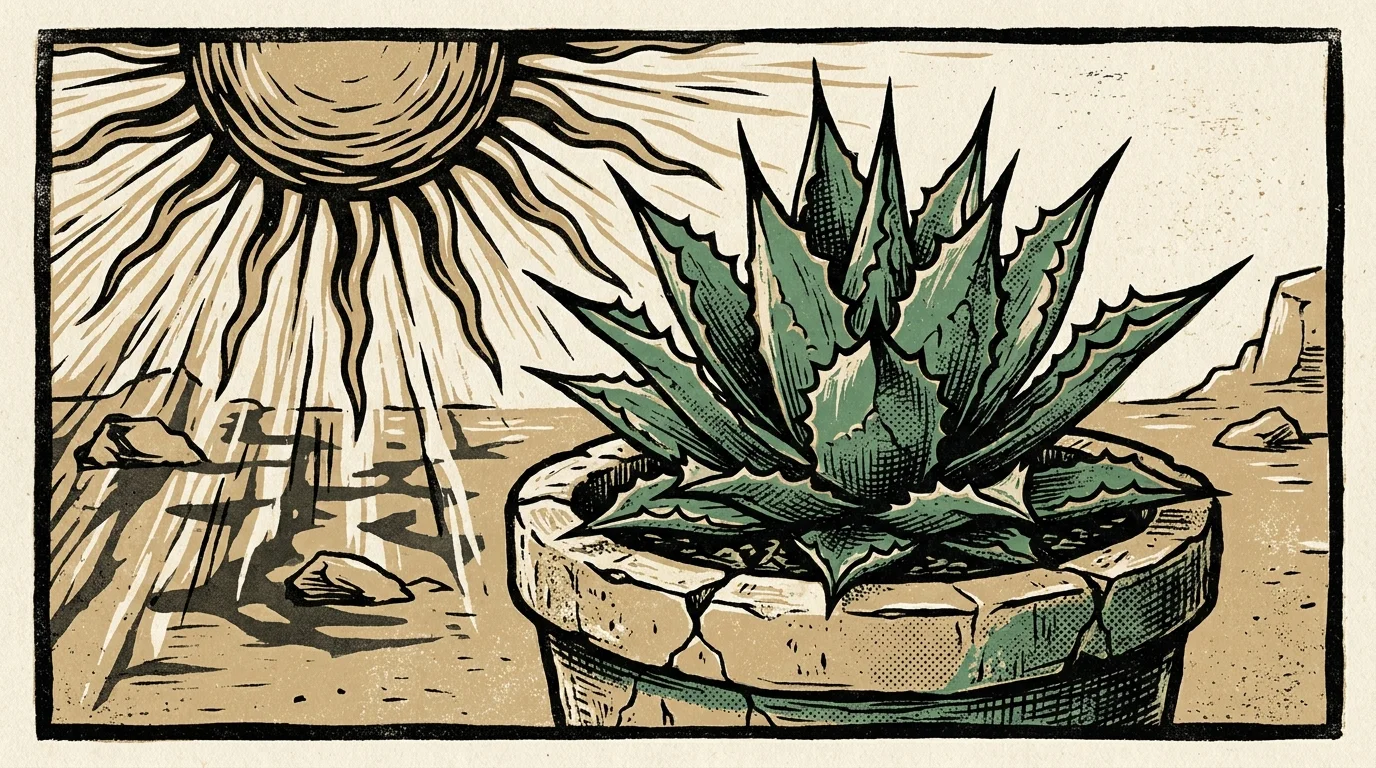
Tip #9: Agave
For the ultimate architectural statement piece in a sun-drenched, punishing environment, absolutely nothing beats the sheer visual majesty of an agave. These bold, highly sculptural succulents are nearly indestructible, effortlessly shrugging off gale-force winds, triple-digit temperatures, and prolonged periods of severe drought. The thick, rigid leaves form a dramatic, perfectly symmetrical rosette that instantly modernizes your balcony decor and requires essentially zero grooming. Specialized varieties like the ‘Blue Glow’ agave stay relatively compact, making them perfectly suited for permanent container life on small terraces. Because they grow at a noticeably slow, deliberate pace, you will not need to repot them frequently, significantly reducing your seasonal gardening maintenance chores. You must absolutely use a highly porous, specialized cactus mix, as heavy, moisture-retaining soils will inevitably rot the core of the plant from the bottom up. Be highly mindful of the sharp terminal spines located directly on the tips of the leaves; if your balcony is narrow or heavily trafficked by small pets, simply use a sturdy pair of nail clippers to safely blunt the sharp points. Agave represents the absolute pinnacle of low maintenance balcony plants, demanding almost nothing while anchoring your garden design.
Putting It All Together: Enjoy Your Beautiful Garden
Cultivating a lush, inviting balcony garden does not require endless hours of exhausting maintenance or a professional degree in horticulture. By intentionally choosing hardy balcony plants tailored directly to the intense microclimates of elevated spaces, you set yourself up for immediate and lasting gardening success. Whether you rely on the cascading neon blooms of portulaca, the structural elegance of evergreen boxwood, or the rugged survivability of ornamental blue fescue, your tailored container garden can easily withstand punishing sun, biting wind, and highly erratic watering schedules.
Remember that your specific container selection plays a vital role in long-term plant health; heavily glazed ceramics, thick-walled resin, and tightly sealed wood help insulate delicate root systems against rapid, destructive temperature swings. Always prioritize excellent drainage by ensuring every single pot features clear, unobstructed holes at the bottom, elevating them slightly on decorative pot feet if necessary. As you actively implement these creative balcony gardening ideas, take the necessary time to observe exactly how the harsh sunlight visibly shifts across your space throughout the changing seasons and gently adjust your layout accordingly. You now possess the practical knowledge and the ultimate resilient plant palette to confidently build a visually stunning outdoor sanctuary. Step out onto your balcony, arrange your new tough plants with pride, and fully enjoy your peaceful, remarkably low-stress urban oasis.
Frequently Asked Questions
How often should I water my balcony plants during the summer?
Balcony containers dry out much faster than traditional in-ground garden beds due to constant wind exposure and highly elevated radiant temperatures reflecting off nearby buildings. During the peak of the summer, you should actively check your plants on a daily basis. Stick your index finger two inches down into the potting mix; if the soil feels completely dry to the touch, provide a deep, thorough watering until fresh moisture visibly runs out of the bottom drainage holes. Keep in mind that drought-resistant succulents like sedum and agave will require far less frequent watering than standard flowering annuals.
What is the best way to secure pots against heavy winds?
High winds can easily topple lightweight plastic pots, causing broken stems and messy soil spills across your clean balcony deck. To properly stabilize your wind resistant plants, opt for substantially heavier containers made of solid terracotta, poured concrete, or thick ceramic. If you strongly prefer utilizing lightweight resin pots for easy mobility, simply place a solid layer of heavy river rocks or dense bricks at the very bottom of the planter before adding your potting soil. Additionally, grouping your pots tightly together in sheltered corners creates a highly effective mutual windbreak and significantly increases overall stability.
Do I need to fertilize my hardy balcony plants?
Yes, because container-bound plants simply cannot draw fresh nutrients from deep within the earth like traditional, free-growing garden plants. Even the absolute toughest low maintenance balcony plants eventually deplete the vital nutrients present in their initial potting soil over time. Apply a balanced, water-soluble fertilizer once a month during the active growing season, which typically spans from early spring straight through late summer. However, heavily reduce your scheduled feeding routine for succulents and native ornamental grasses, as overly rich, nitrogen-heavy soil can actually burn and severely damage their highly sensitive root systems.
For region-specific advice, consult your local University Extension program (find yours via the USDA directory). For plant databases and inspiration, visit the Missouri Botanical Garden or the Royal Horticultural Society.
Disclaimer: This article provides general gardening advice. Always consider your specific climate, soil conditions, and local pests. Follow safety guidelines when using gardening tools and products.