Transforming your front yard from forgettable to breathtaking starts with selecting the right curb appeal plants. First impressions matter, and strategically chosen greenery immediately elevates your property value while welcoming you home every day. You do not need a massive landscaping budget to create a stunning entrance; you just need reliable, visually striking outdoor landscaping plants that thrive in your climate. Whether you want vibrant floral displays or structured evergreen borders, the right botanical choices frame your architecture perfectly. By mixing textures, colors, and varying heights, you build a dynamic landscape that looks beautiful across all four seasons. Let us explore the absolute best front yard plants guaranteed to turn heads and make your garden the envy of the neighborhood.
Tip #1: Boxwood (Buxus)
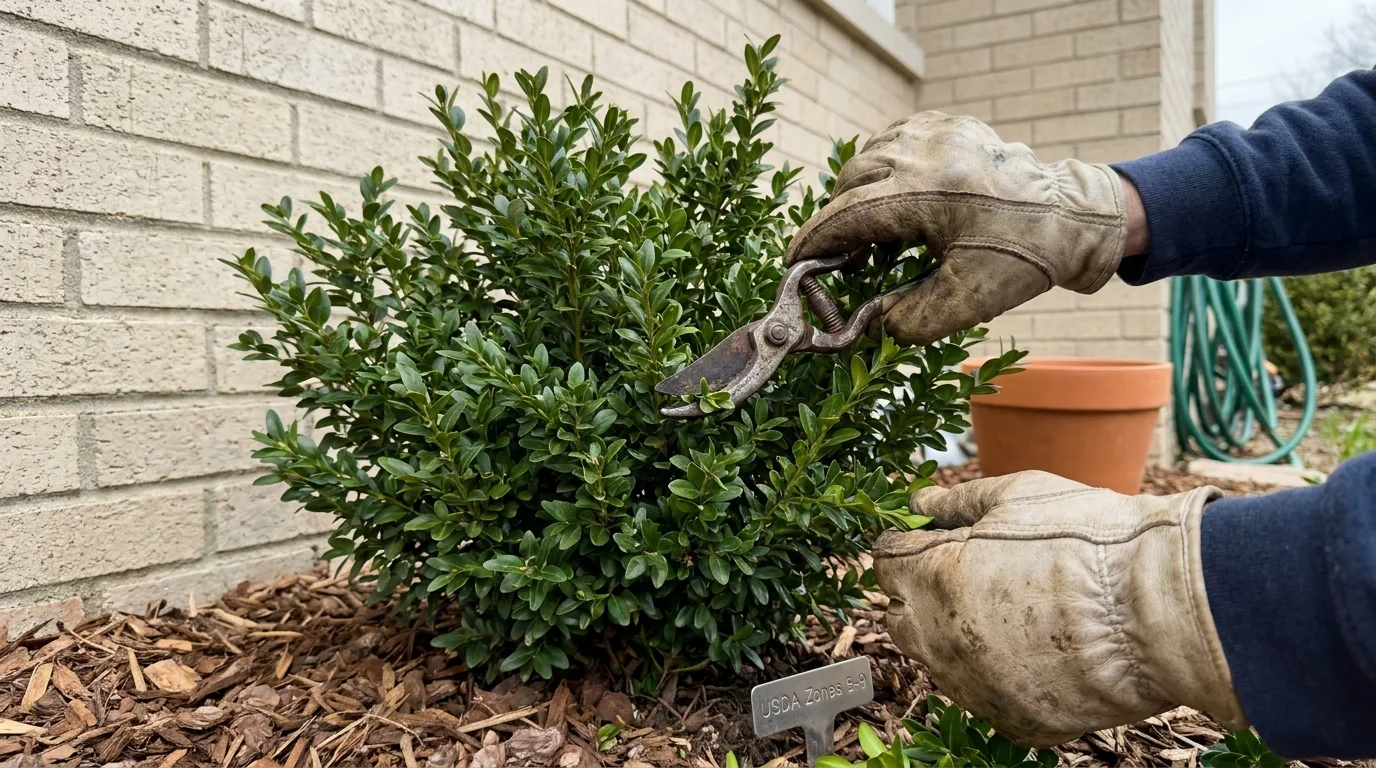
Boxwood shrubs serve as the architectural backbone of any well-designed landscape. These sturdy evergreens provide year-round structure and vibrant green color, making them essential front yard plants for establishing clean lines and formal borders. When you plant boxwoods along a winding front walkway or use them as a foundation planting against your house, you instantly give your property a polished, professional appearance. Their dense foliage creates a solid visual boundary that anchors lighter, airier blooming plants placed behind them.
You can choose from several excellent cultivars depending on your specific climate and design goals. For example, the ‘Green Velvet’ boxwood maintains a naturally rounded shape and resists winter bronzing in USDA Hardiness Zones 5 through 9. ‘Winter Gem’ grows slightly faster and adapts beautifully to shaping and shearing. To keep your boxwoods looking their absolute best, plant them in well-draining soil and apply a layer of organic mulch to retain moisture. You should prune them lightly in late winter or early spring to encourage dense, healthy growth before the summer heat arrives.
Tip #2: Hydrangea
If you want to stop neighborhood walkers in their tracks, you must include hydrangeas in your garden design. These spectacular shrubs produce massive, show-stopping blooms—often measuring up to ten inches across—that provide unparalleled garden curb appeal from mid-summer straight through the first fall frost. Hydrangeas command attention from the street, offering giant globes or cone-shaped panicles in shades of stark white, vibrant pink, deep purple, and sky blue.
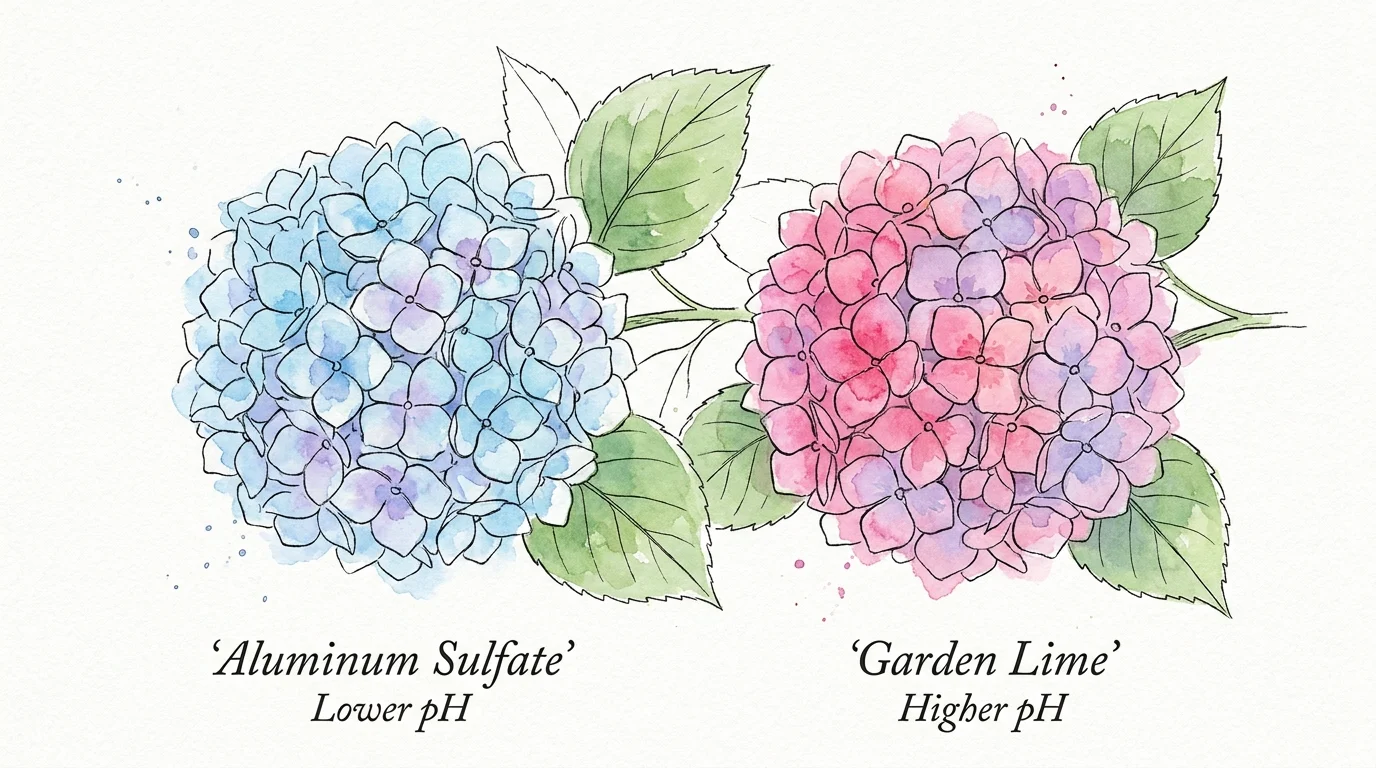
Selecting the right variety ensures incredible blooming success. Panicle hydrangeas, such as the famous ‘Limelight’ cultivar, thrive in full sun and boast lime-green flowers that transition to a rich, dusty pink in the autumn. If your front yard features mature trees that provide dappled afternoon shade, bigleaf hydrangeas like the ‘Endless Summer’ series will flourish beautifully. Bigleaf hydrangeas also offer a fascinating botanical trick; you can actually change their bloom color based on your soil acidity. Adding aluminum sulfate to the soil lowers the pH and turns the flowers a stunning blue, while adding garden lime raises the pH to produce vivid pink blooms. Always provide hydrangeas with consistent moisture, aiming for about one inch of water per week to prevent their large leaves from drooping.
Tip #3: Japanese Maple (Acer palmatum)
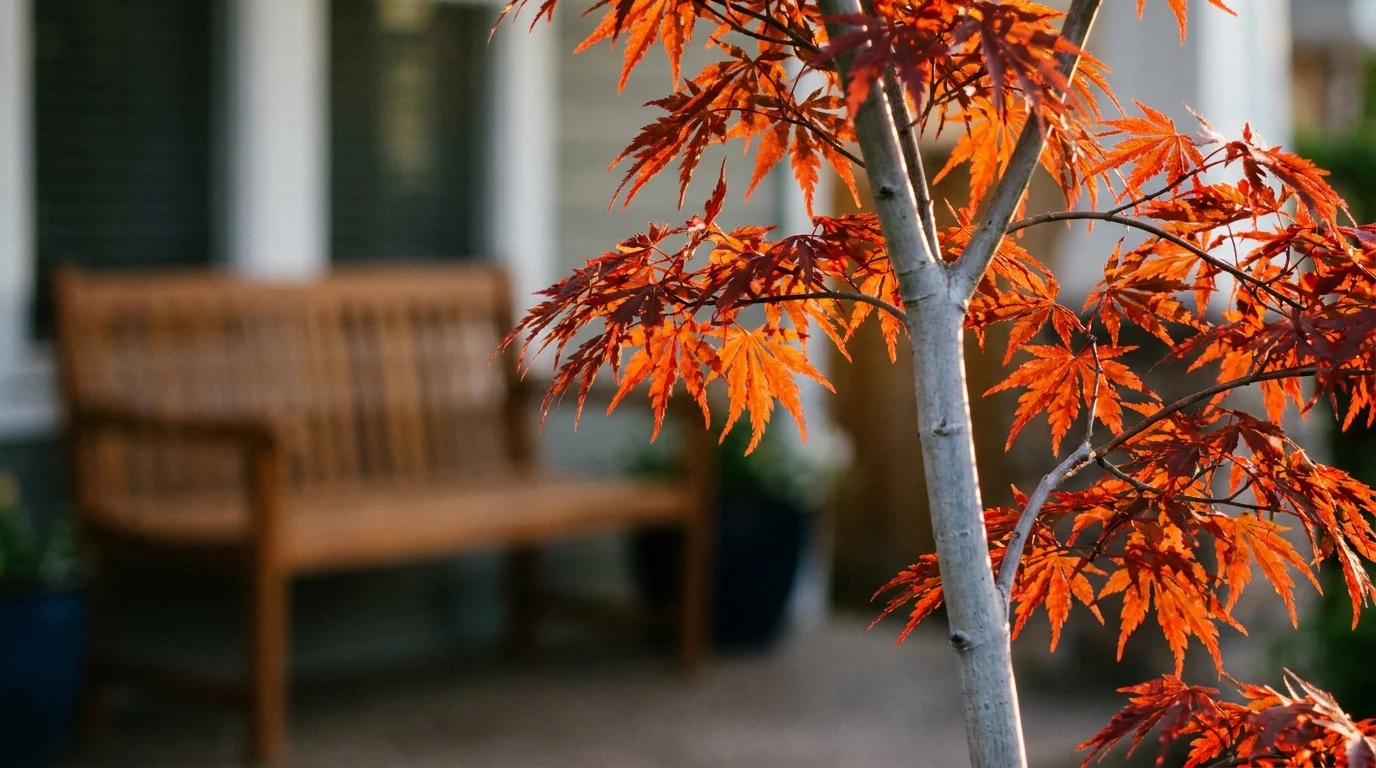
Every outstanding front yard needs a singular, dramatic focal point, and the Japanese Maple fills that role flawlessly. These elegant ornamental trees bring sophisticated beauty, delicate leaf textures, and unmatched seasonal color to your landscape. Planting a Japanese Maple near your front entrance or on the corner of a prominent garden bed adds immediate architectural interest and raises your property’s visual value.
You can find a Japanese Maple to fit almost any space since they range in size from compact, weeping varieties that stay under six feet tall to upright specimens that reach twenty-five feet. The ‘Bloodgood’ cultivar remains a top choice for front yards; it features deep burgundy foliage that holds its color brilliantly through the summer before erupting into a fiery crimson in the fall. For a softer, cascading look, the ‘Crimson Queen’ offers finely dissected, lace-like leaves on sweeping branches. Japanese Maples perform best in slightly acidic, well-draining soil and prefer a location protected from harsh, drying winds. While they tolerate sun, planting them in a spot that receives gentle morning light and dappled afternoon shade prevents their delicate leaves from scorching during mid-summer heatwaves.
Tip #4: Daylilies (Hemerocallis)
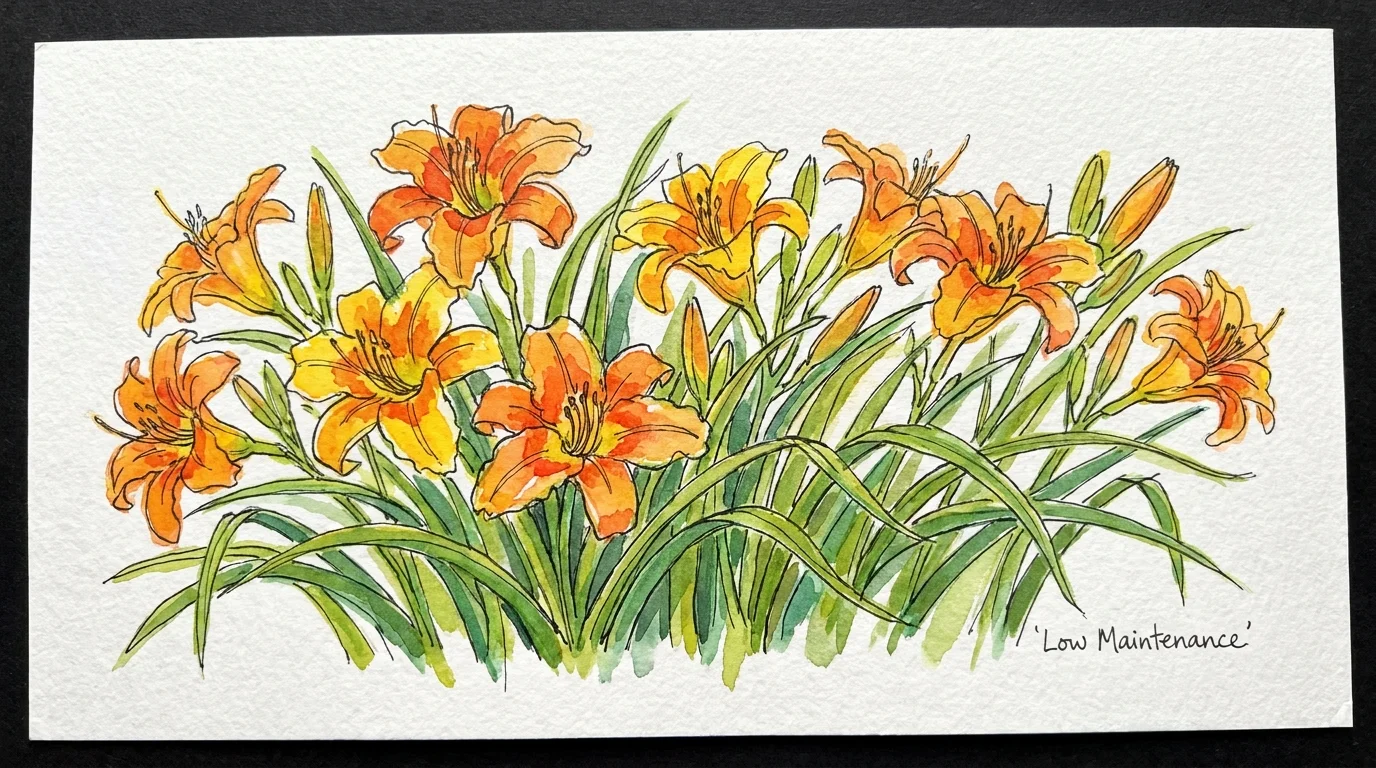
Daylilies represent the ultimate workhorse of the summer garden. They are incredibly tough, brilliantly colorful, and require almost zero maintenance, making them some of the most reliable outdoor landscaping plants available. Even though individual blossoms only last for a single day—hence the name—each mature plant produces dozens of buds that open sequentially, guaranteeing a magnificent floral display that lasts for weeks or even months.
When you plant daylilies in sweeping drifts or mass groupings along your driveway, you create a powerful visual impact that defines your landscape boundaries. The renowned ‘Stella de Oro’ daylily stands out as a phenomenal choice for continuous curb appeal; this compact variety pumps out cheerful, golden-yellow blooms from early summer all the way until frost. Daylilies forgive poor soil conditions, tolerate intense heat, and withstand periods of drought once established. They thrive in USDA Zones 3 through 9 and perform beautifully in full sun to partial shade. To maintain their vigor, simply dig up and divide the clumps every three to four years, which instantly gives you free plants to expand your front yard garden.
Tip #5: Hostas
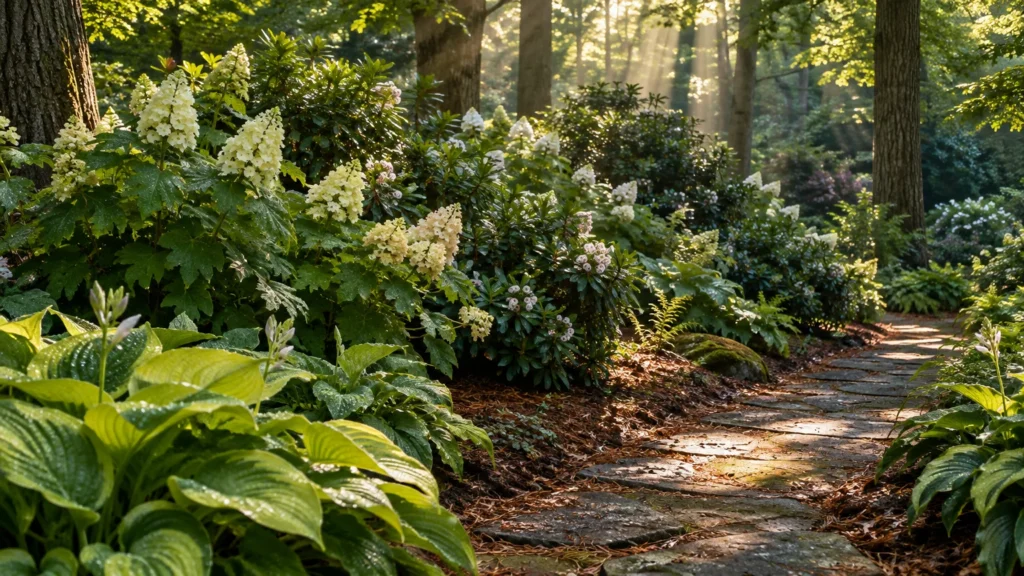
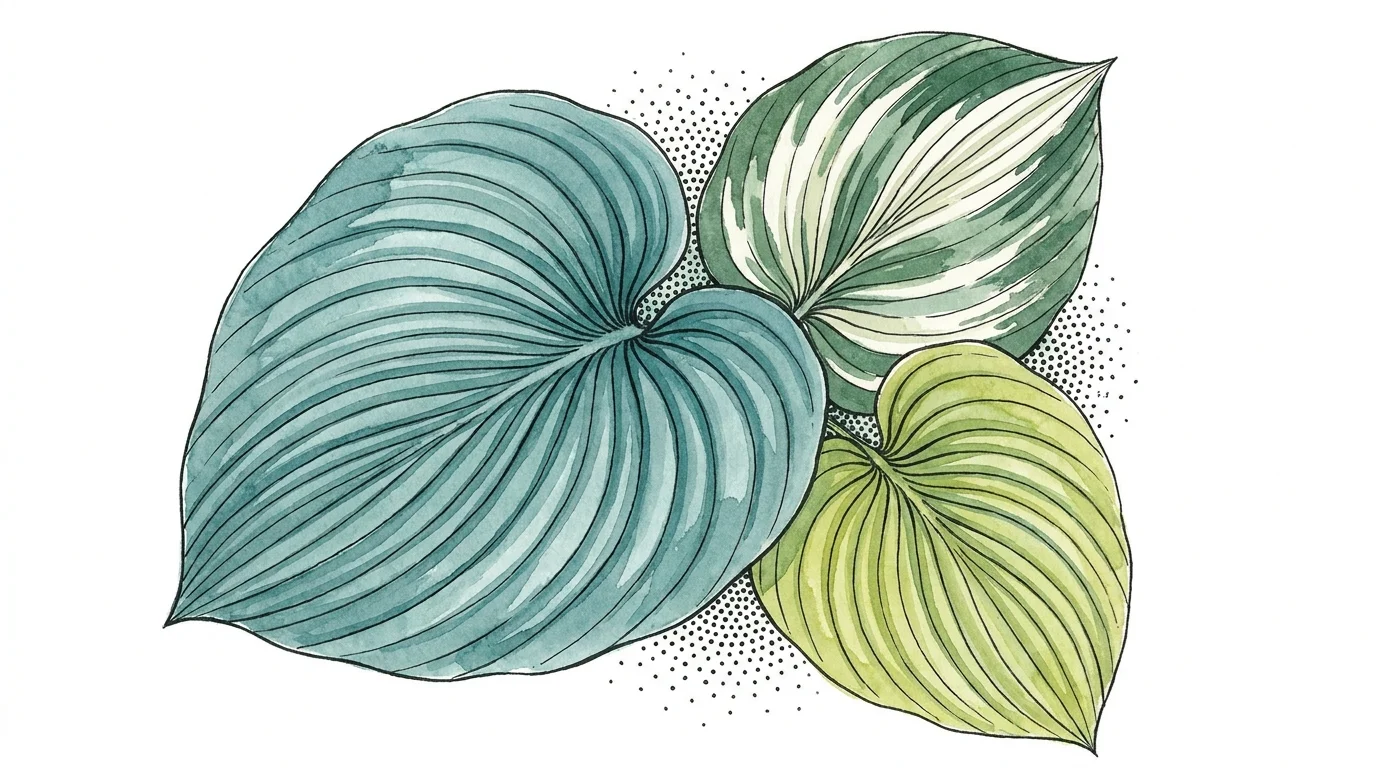
Not every front yard receives glorious, full-day sunlight. If your property features mature shade trees or faces a direction that limits direct light, hostas provide the perfect solution for generating lush garden curb appeal. These herbaceous perennials are grown primarily for their striking, textured foliage rather than their flowers. They offer sweeping leaves in spectacular shades of emerald green, chartreuse, silvery blue, and striking white-and-green variegation.
Layering different hosta varieties creates a rich, tropical feeling even in temperate climates. You might plant the giant ‘Sum and Substance’—which boasts massive, bright chartreuse leaves—at the back of a shady border, and edge the front with the crisp, white-margined ‘Patriot’ hosta. Hostas demand very little from the gardener. They prefer rich, organically amended soil and consistent moisture, though they become surprisingly drought-tolerant as they mature. Because they die back entirely in the winter, you simply clear away the flat, papery leaves in late fall to keep the garden looking tidy. If deer frequent your neighborhood, you will need to apply a natural repellent, as deer find hosta foliage incredibly tempting.
Tip #6: Lavender (Lavandula)
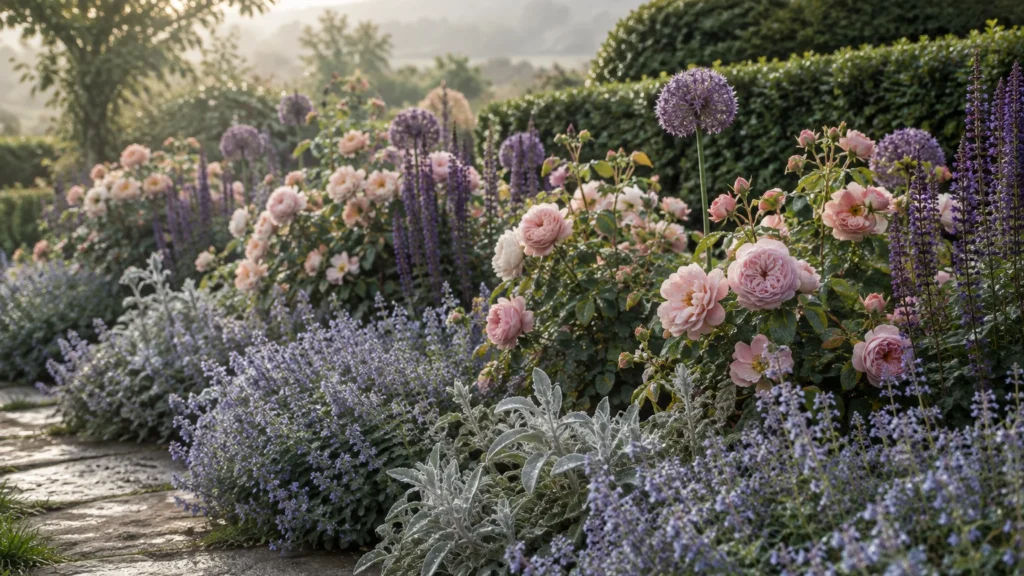
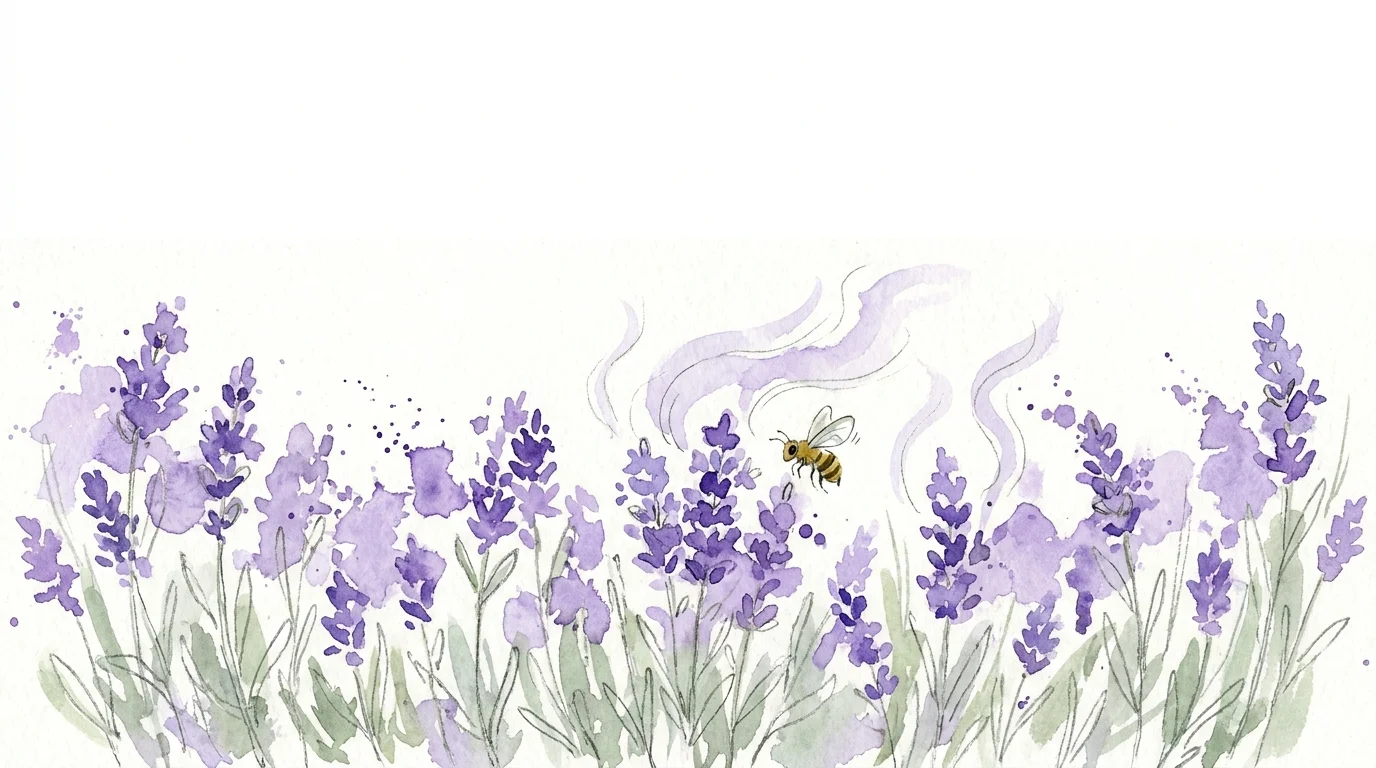
To create a multi-sensory experience that charms guests before they even reach your front door, incorporate lavender into your landscape design. The silvery-green foliage provides excellent contrast against darker evergreen shrubs, while the striking purple flower spikes dance gracefully in the summer breeze. Lavender releases an intoxicating, clean fragrance whenever brushed against, making it a brilliant choice for planting directly alongside front walkways or near a porch seating area.
Beyond its beauty and scent, lavender ranks as one of the most durable, heat-loving beautiful outdoor plants you can grow. Varieties like ‘Munstead’ and ‘Phenomenal’ thrive in hot, dry conditions and actually prefer poor, gravelly soil over rich garden loam. The secret to growing spectacular lavender lies entirely in the drainage; the plants will quickly succumb to root rot if they sit in heavy, wet clay. If your native soil is dense, you must amend it heavily with sand or coarse gravel before planting. Once established, lavender requires almost no supplemental watering. You should shear the plants back by one-third immediately after their first summer bloom finishes; this practice prevents the stems from becoming woody and encourages a neat, rounded habit for maximum curb appeal.
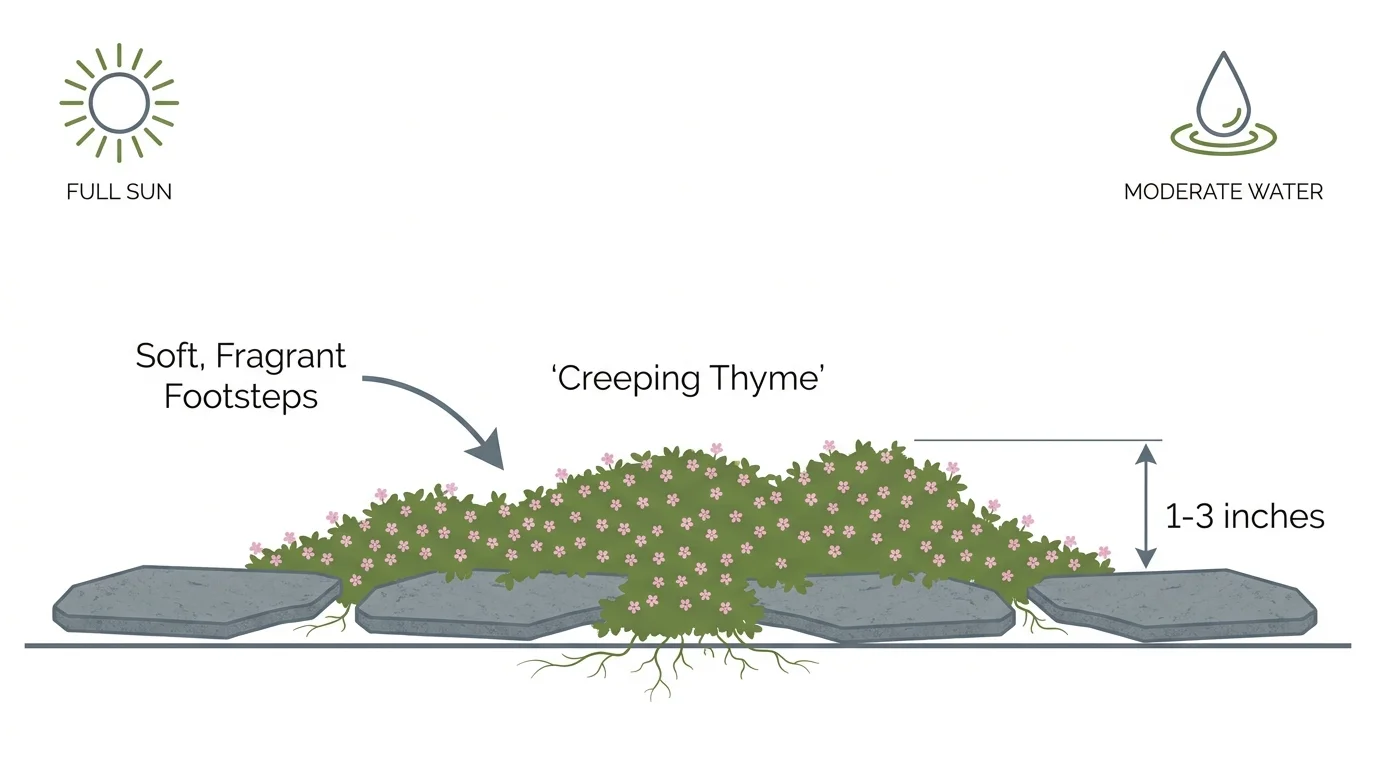
Tip #7: Creeping Thyme (Thymus serpyllum)
Often overlooked in favor of taller shrubs, groundcovers play a crucial role in creating a cohesive, professionally designed landscape. Creeping thyme serves as a phenomenal, low-growing carpet that suppresses unsightly weeds while knitting your various garden elements together. When you tuck creeping thyme between flagstone pavers on a front path or let it cascade gently over a retaining wall, you instantly soften hardscape elements and boost your property’s charm.
This resilient, aromatic herb transforms into a breathtaking blanket of tiny pink, purple, or white flowers in early summer. It handles light foot traffic with ease, releasing a pleasant, herbal scent every time it gets stepped on. Creeping thyme represents a brilliant alternative to traditional turf grass in hot, sunny spots where a lawn struggles to thrive. It requires excellent drainage and full sun exposure to perform at its peak. Because it possesses incredible drought tolerance, creeping thyme serves as an ideal, eco-friendly addition to modern front yard plants, reducing your water bill while drastically upgrading your garden’s aesthetic.
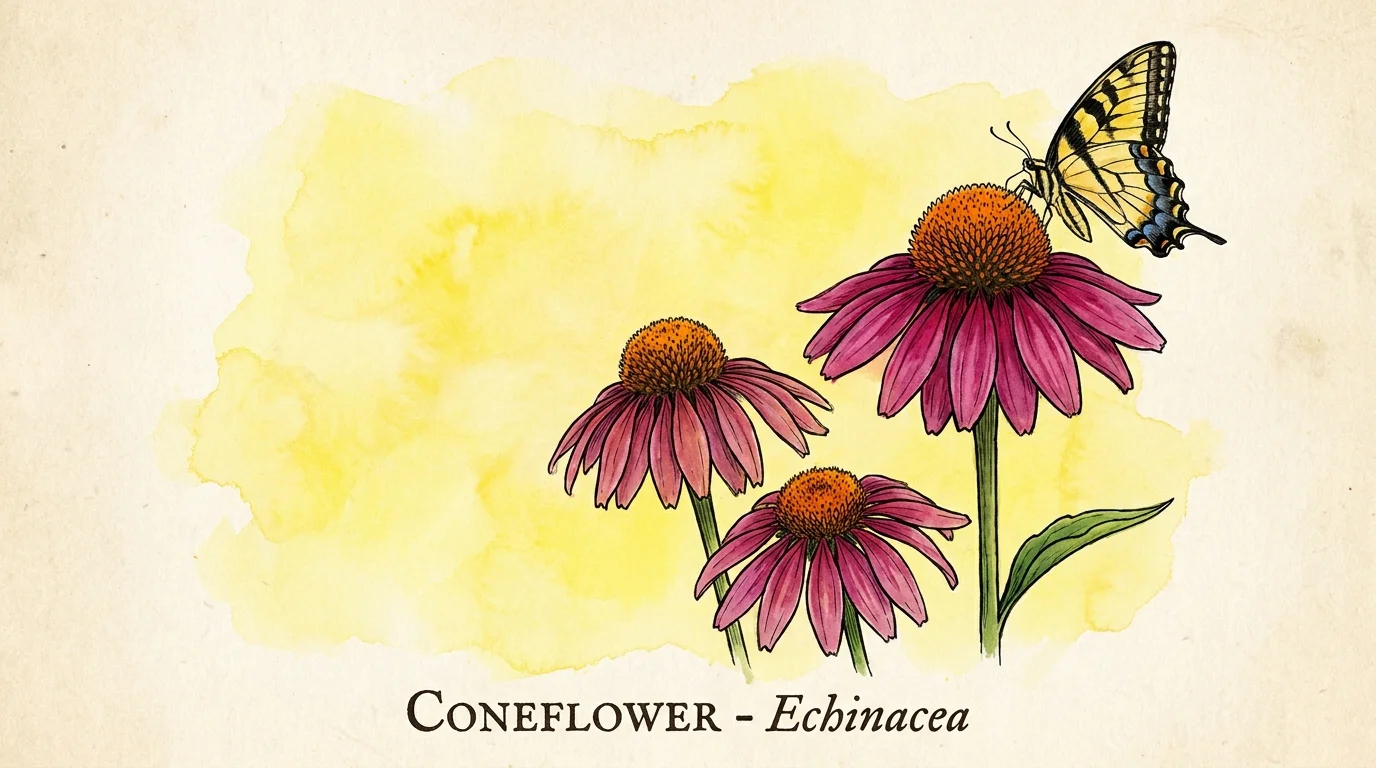
Tip #8: Coneflower (Echinacea purpurea)
For a vibrant, cheerful front yard that practically takes care of itself, you must plant coneflowers. These iconic native perennials boast prominent, raised central cones surrounded by drooping petals, creating a classic daisy-like silhouette that screams summertime. Because they evolved to survive the harsh conditions of the North American prairie, coneflowers push through blazing heat, high humidity, and prolonged dry spells without skipping a beat.
While the classic purple coneflower remains a staple, modern breeding has introduced spectacular varieties in shades of fiery orange, glowing magenta, and crisp white. Planting a diverse mix of coneflowers brings incredible movement and life to your garden curb appeal, as the bright blooms act as a magnet for butterflies, bees, and hummingbirds. Furthermore, the visual interest extends well beyond the summer months. If you resist the urge to cut the fading stems down in the autumn, the dark, structural seed heads remain standing through the snow, providing architectural winter beauty while naturally feeding goldfinches and other overwintering birds. Coneflowers establish deep taproots, meaning you rarely need to water them once their first growing season ends.
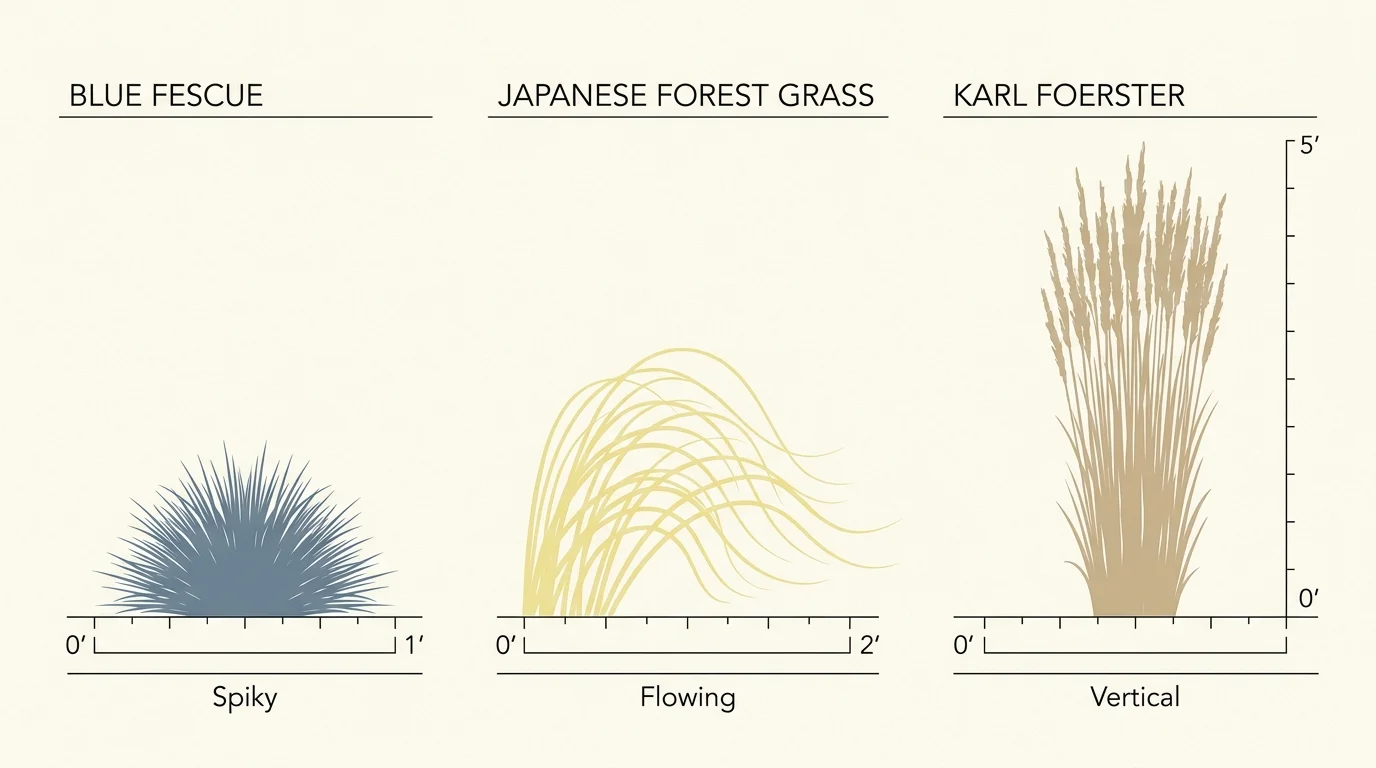
Tip #9: Ornamental Grasses
To truly elevate your front yard from a static display to a dynamic, living landscape, you need the movement and texture that ornamental grasses provide. As late summer approaches and earlier blooming perennials begin to fade, ornamental grasses step into the spotlight, pushing up feathery plumes that catch the golden autumn light. They sway gracefully in the slightest breeze, bringing a soothing, rustling sound and kinetic energy to the garden.
Switchgrass (Panicum virgatum) and Fountain Grass (Pennisetum alopecuroides) stand out as superb outdoor landscaping plants for creating vertical interest and softening the rigid corners of your home’s foundation. You can use tall grasses as a natural, airy privacy screen along a property line, or plant medium-sized clumps to visually anchor large boulders and mailbox posts. Like coneflowers, ornamental grasses shine during the dormant season; their structural blades turn beautiful shades of copper, tan, and almond, looking spectacular against a backdrop of fresh snow. Care is incredibly straightforward. You simply leave the foliage standing all winter long, then use sharp hedge shears to cut the entire clump down to about six inches above the ground in late winter, just before the new green shoots emerge in the spring.
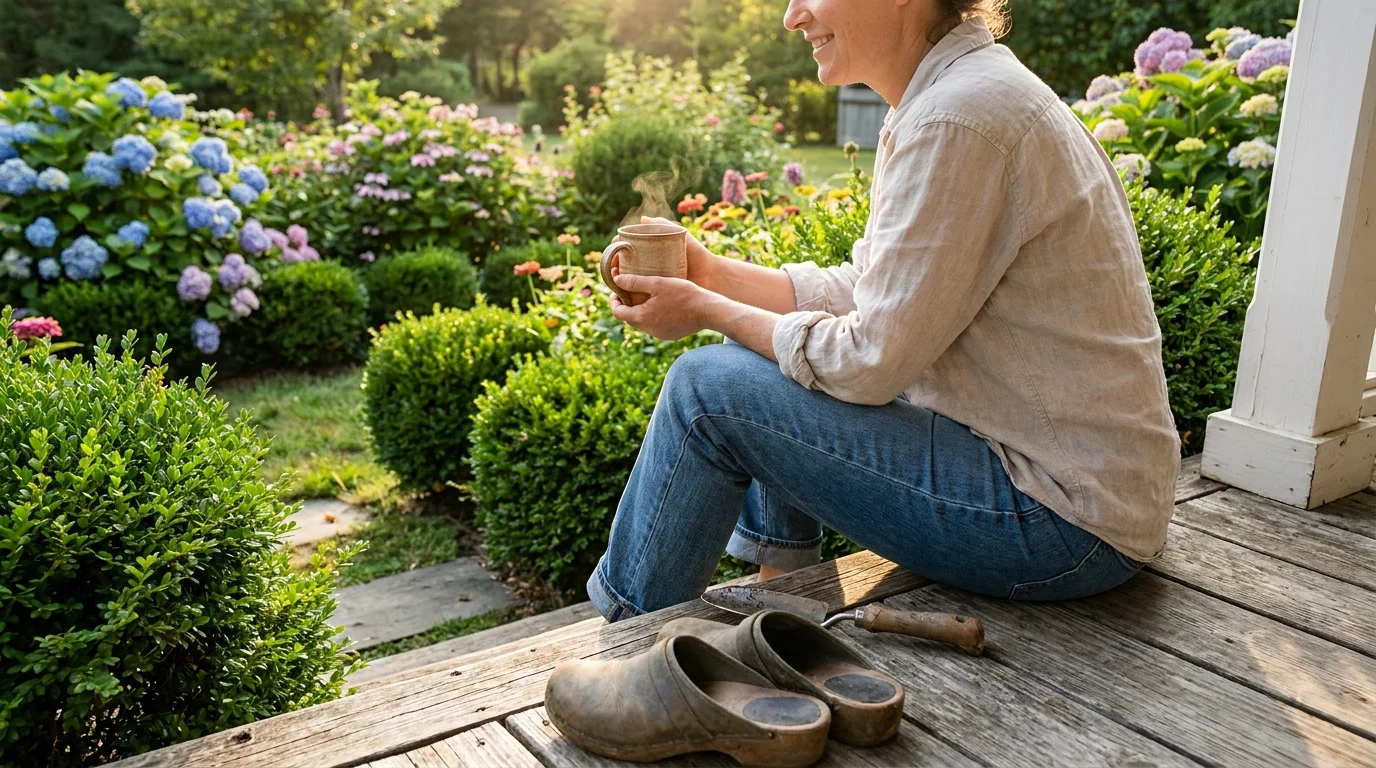
Putting It All Together: Enjoy Your Beautiful Garden
Creating major curb appeal does not require a degree in landscape architecture; it simply requires thoughtful plant selection and a willingness to mix different heights, textures, and bloom times. By anchoring your yard with structured evergreens like boxwood, adding massive pops of seasonal color with hydrangeas and daylilies, and softening the edges with creeping thyme and ornamental grasses, you build a layered, cohesive look. Remember to group plants with similar water and sunlight requirements together so they can thrive naturally with minimal intervention.
Take your time and implement these changes at your own pace. You can start small by redesigning just the beds flanking your front door, then gradually expand your vision outward to the street. As these nine fantastic plants take root and mature, they will reward you with an increasingly beautiful display year after year. Get your hands in the dirt, trust your creative instincts, and watch as your front yard transforms into the most inviting space on the block.
Frequently Asked Questions
How do I choose plants for year-round curb appeal?
To achieve a landscape that looks great in all four seasons, you need to follow the rule of evergreens and structure. Start by ensuring that roughly one-third of your front yard plants retain their foliage year-round; boxwoods, small conifers, and certain groundcovers accomplish this perfectly. Next, layer in perennials that bloom at different times—such as spring bulbs, summer daylilies, and autumn ornamental grasses. Finally, look for plants that offer winter interest through interesting bark or structural seed heads, like the Japanese Maple or the native coneflower.
What are the best low-maintenance plants for a front yard?
The key to a low-maintenance garden lies in choosing plants that naturally match your region’s rainfall and soil type. Native plants generally require the least amount of care. For universally resilient options, daylilies, hostas, coneflowers, and ornamental grasses are practically indestructible once their root systems establish. They naturally resist most pests, endure minor droughts, and require only a simple annual cleanup to look fantastic.
How much space should I leave between outdoor landscaping plants?
Always read the plant tag and space your new greenery based on its mature width, not its current size in the nursery pot. If a hydrangea states it grows four feet wide, plant it at least two feet away from your foundation and two feet away from neighboring plants. While the garden bed might look slightly sparse during the first year, providing adequate space ensures excellent air circulation—which prevents fungal diseases—and keeps you from having to dig up and move overcrowded plants two years down the road.
Can I improve garden curb appeal on a tight budget?
Absolutely. You can dramatically transform your front yard without spending a fortune by focusing on high-impact, fast-growing perennials. Buy smaller plants; a one-gallon perennial will often catch up to a three-gallon plant in just one growing season. Additionally, perennials like daylilies and hostas can be dug up and divided every few years, giving you a continuous supply of free plants to fill out empty spaces in your landscape. Buying seeds for native plants like coneflowers is another highly economical way to generate massive color blocks.
For region-specific advice, consult your local University Extension program (find yours via the USDA directory). For plant databases and inspiration, visit the Missouri Botanical Garden or the Royal Horticultural Society.
Disclaimer: This article provides general gardening advice. Always consider your specific climate, soil conditions, and local pests. Follow safety guidelines when using gardening tools and products.