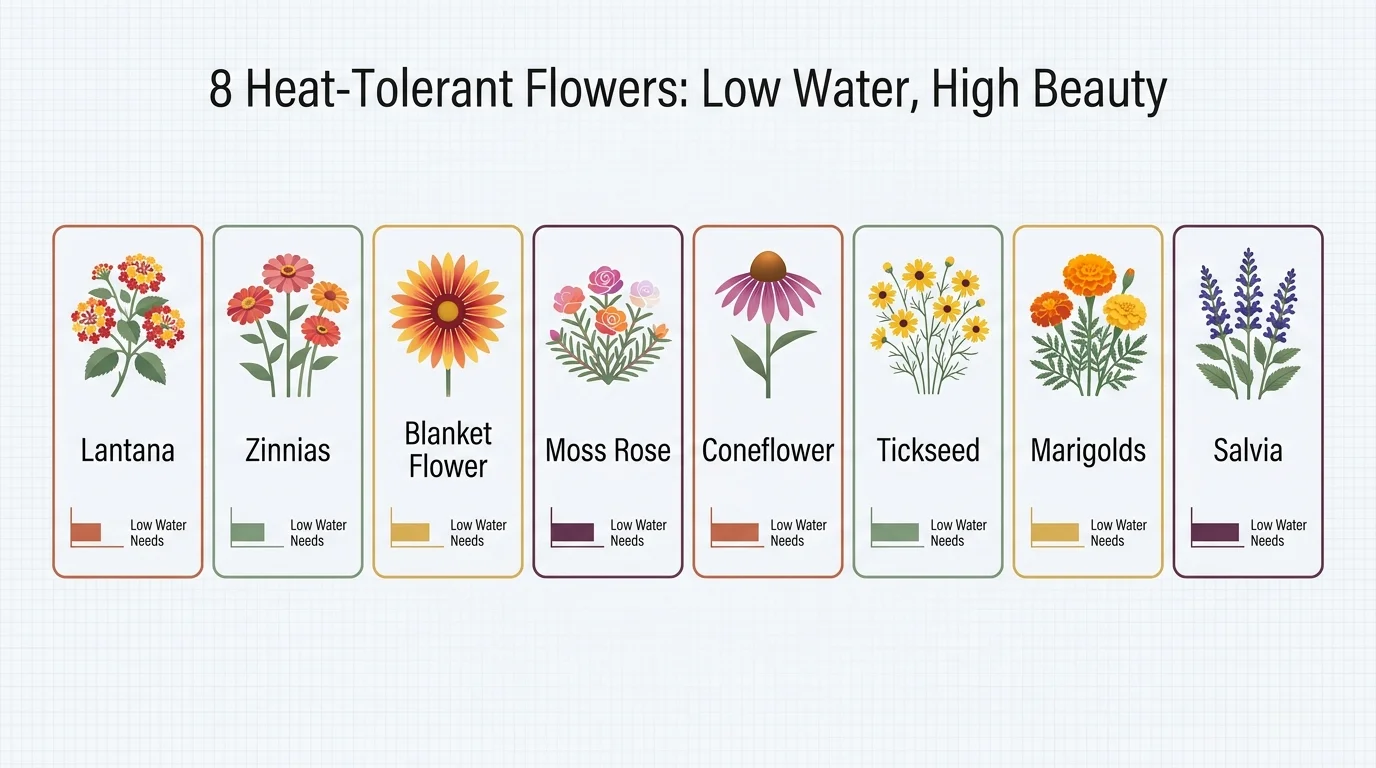
Keeping your garden vibrant when summer temperatures skyrocket requires strategic plant choices, not endless hours of watering. You can maintain a lush, colorful landscape during the hottest months by selecting drought-tolerant, sun-loving varieties that thrive under stress. Extreme heat often wilts delicate blooms, leaving beds looking exhausted by mid-July, but the right botanical lineup solves this problem permanently. By swapping high-maintenance perennials for resilient, heat resistant flowers, you save water and significantly reduce your daily workload. Whether you manage a sprawling suburban plot or just a few sunny patio containers, these eight unstoppable varieties guarantee continuous color from spring until the first autumn frost—ensuring your summer gardening efforts yield spectacular, stress-free results.
Tip #1: Lantana (Lantana camara)
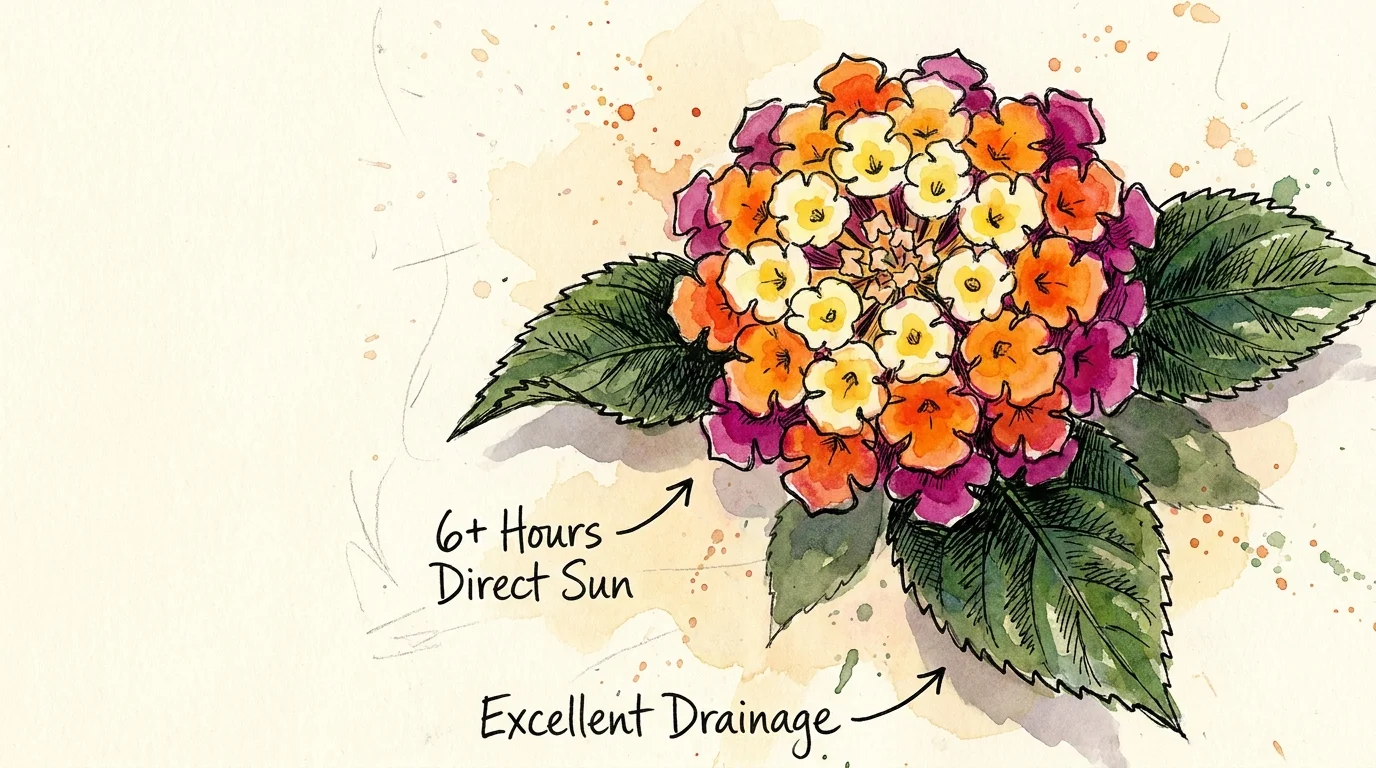
When the midsummer sun scorches typical garden borders, lantana kicks into high gear. This rugged perennial acts as a tender annual in cooler climates but delivers relentless, vibrant color regardless of your growing zone. The plant produces dense clusters of tiny, tubular blooms that frequently shift in hue as they mature—often displaying a kaleidoscope of yellow, orange, pink, and magenta on a single flower head. This color-changing mechanism serves a brilliant practical purpose; it signals to local pollinators exactly which blossoms currently hold the most nectar.
Lantana thrives on utter neglect, making it an exceptional choice for busy homeowners or gardening seniors who prefer to enjoy their landscapes without daily physical chores. You simply plant it in a spot receiving at least six hours of direct sunlight, establish the roots with occasional watering during the first few weeks, and then step back entirely. The foliage possesses a slightly rough texture and a pungent, citrus-and-spice aroma that naturally repels hungry deer and rabbits. Because lantana requires excellent drainage, you should mix coarse sand or fine gravel into heavy clay soils before planting to prevent root suffocation.
Tip #2: Zinnias (Zinnia elegans)
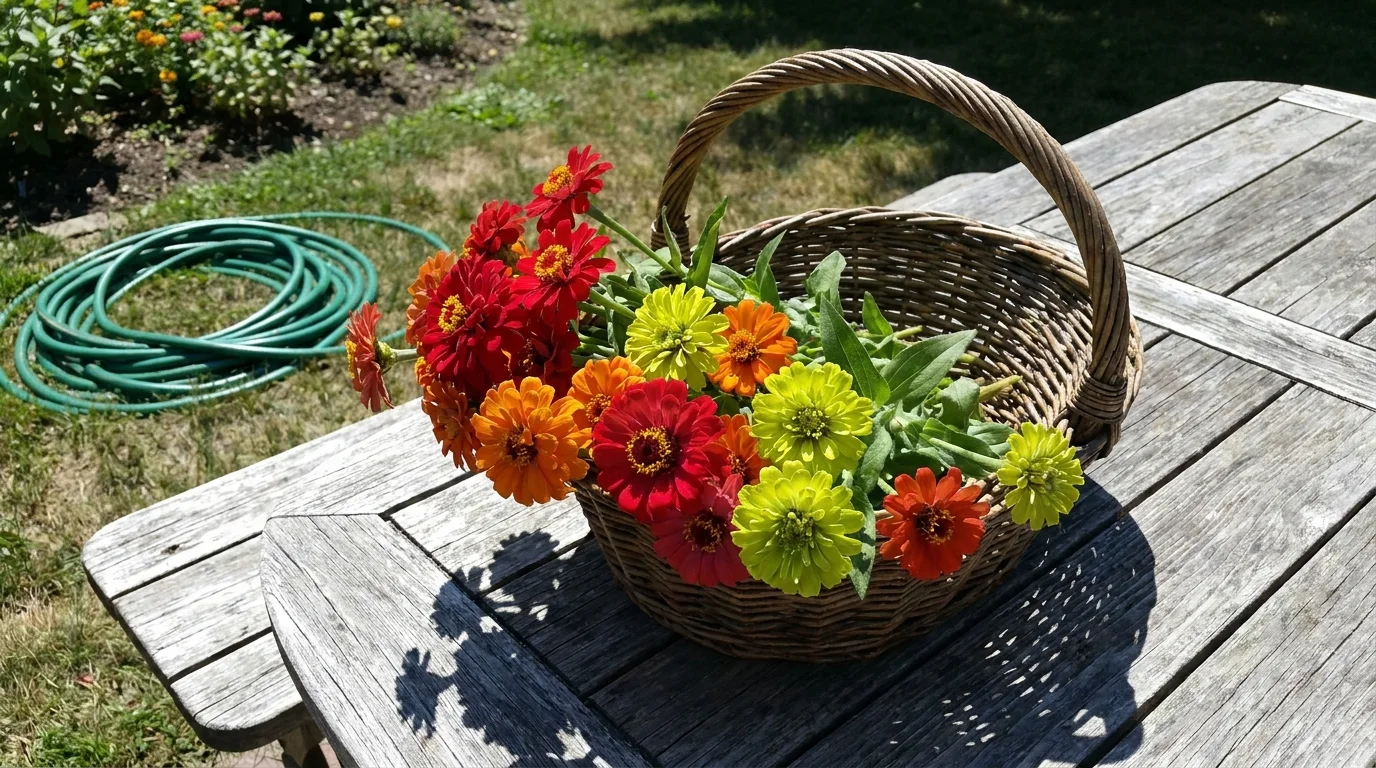
Zinnias offer one of the highest returns on investment in the botanical world. You press a dull, papery seed into warm soil, and within mere weeks, you receive a robust bush loaded with brilliant, multi-layered blossoms. Originating from the hot scrublands of Mexico, zinnias possess an innate genetic tolerance for intense ultraviolet light and soaring ambient temperatures. They never wilt under the brutal August sun; instead, they stretch taller and push out even more flowers in striking shades of cherry red, bright orange, and vivid chartreuse.
To achieve maximum visual impact, cultivate proven, heat-tolerant varieties like the ‘Profusion’ or ‘Zahara’ series. These specific cultivars resist the powdery mildew that sometimes plagues older zinnia types during humid weather. Provide these easy plants with plenty of breathing room to ensure proper air circulation—a critical factor for maintaining healthy foliage. When hydrating your garden, direct your hose strictly at the soil level rather than spraying the leaves. Furthermore, zinnias operate on a highly productive “cut-and-come-again” schedule. You must harvest the flowers frequently for indoor bouquets; the plant immediately responds by branching out and producing a fresh, dense wave of colorful blooms to replace the ones you removed.
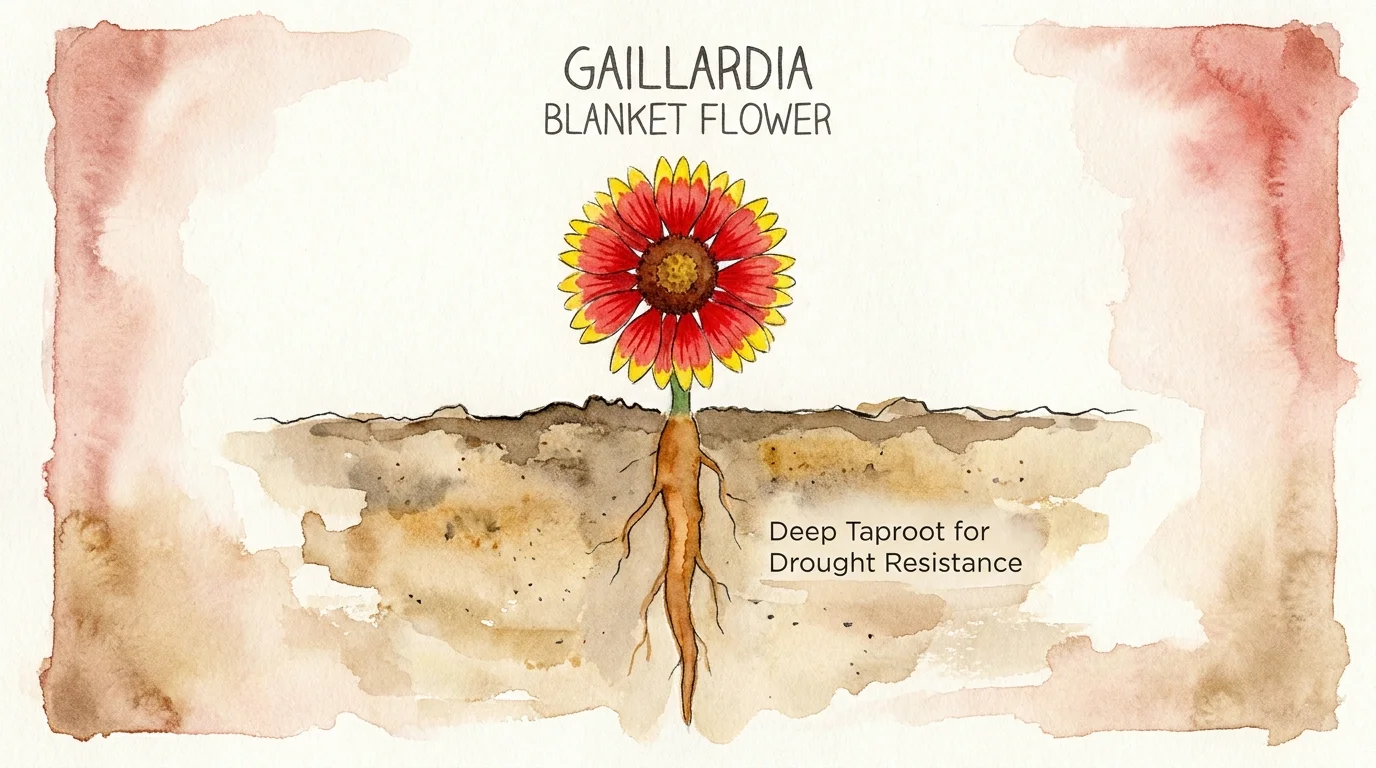
Tip #3: Blanket Flower (Gaillardia)
If you possess a patch of dry, sandy earth that seems hostile to plant life, blanket flower will transform it into a spectacular focal point. Gaillardia earned its common name because its vivid red, orange, and yellow daisy-like blooms resemble the traditional woven blankets of Native American tribes. This North American prairie native evolved to survive punishing droughts and baking heat by sending a deep, vigorous taproot far below the topsoil to seek out hidden moisture reserves.
Do not pamper your blanket flowers. Giving them rich compost and frequent irrigation actually weakens their cellular structure, leading to floppy stems and noticeably fewer blossoms. They require poor to average soil and demand full, unobstructed sunlight to maintain their compact, upright habit. You will find them incredibly easy to manage; simply snip off the faded flower heads—a straightforward process known as deadheading—to prevent the plant from diverting its energy into seed production. This minor task forces the blanket flower to push out fresh buds continuously until the first hard autumn frost arrives, keeping your borders brightly illuminated all summer long.
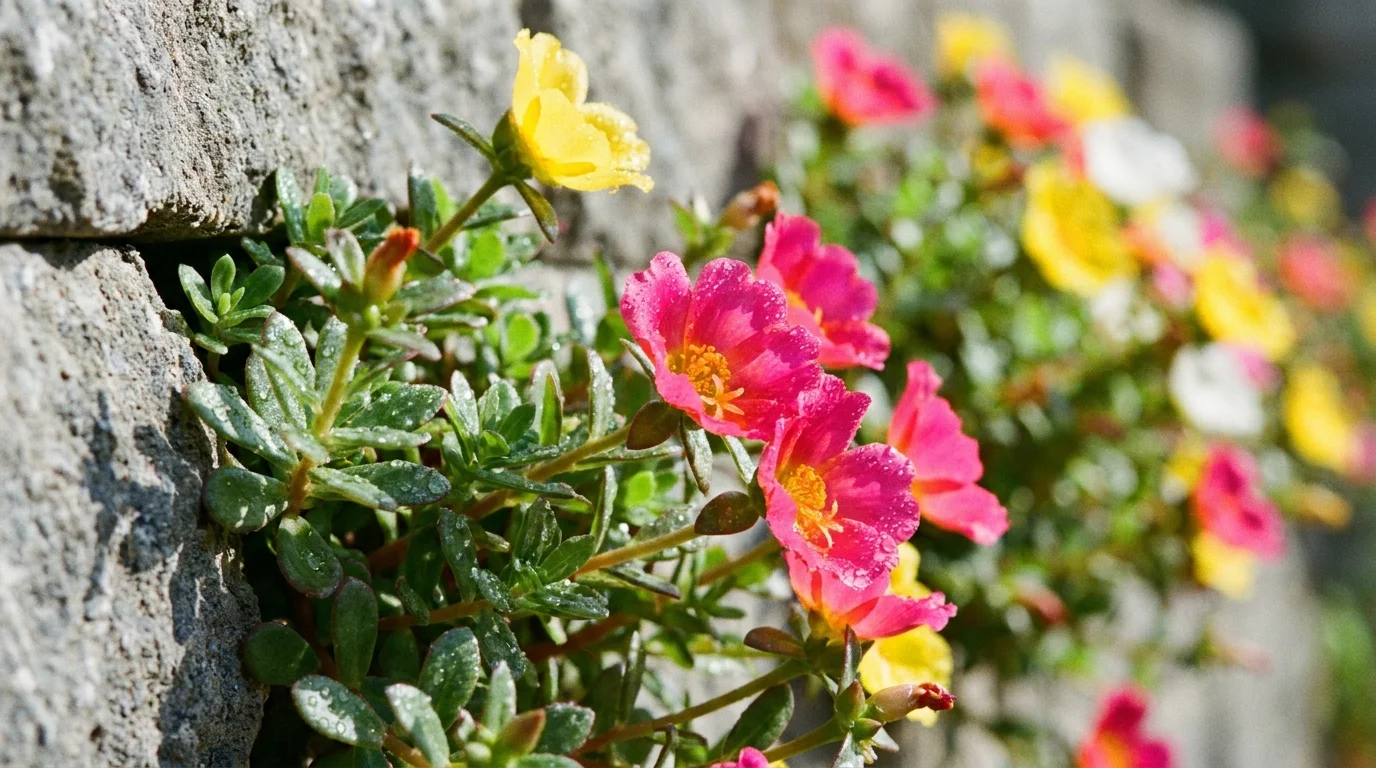
Tip #4: Moss Rose (Portulaca grandiflora)
Portulaca, commonly known as moss rose, looks delicate but possesses the constitution of a true desert survivor. This low-growing groundcover features fleshy, cylindrical leaves that store water with remarkable efficiency. When the soil turns completely dry, the plant draws upon these internal biological reservoirs to stay hydrated and sustain its stunning floral display. The blossoms resemble miniature, ruffled roses in shocking neon shades of pink, yellow, orange, and pristine white.
Because moss rose requires almost no supplemental watering once established, it ranks among the absolute best low maintenance flowers for those tricky, sun-baked zones along concrete driveways, stone retaining walls, or inside shallow terracotta pots. The flowers exhibit a fascinating behavioral trait; they open wide to greet the intense morning sun and close tightly during overcast days or as dusk approaches. You must ensure the planting site drains rapidly. Moss rose quickly succumbs to root rot if forced to sit in soggy, poorly draining soil. Mix coarse grit or perlite generously into your containers or garden beds to mimic the sandy, rocky environments where this resilient succulent naturally thrives.
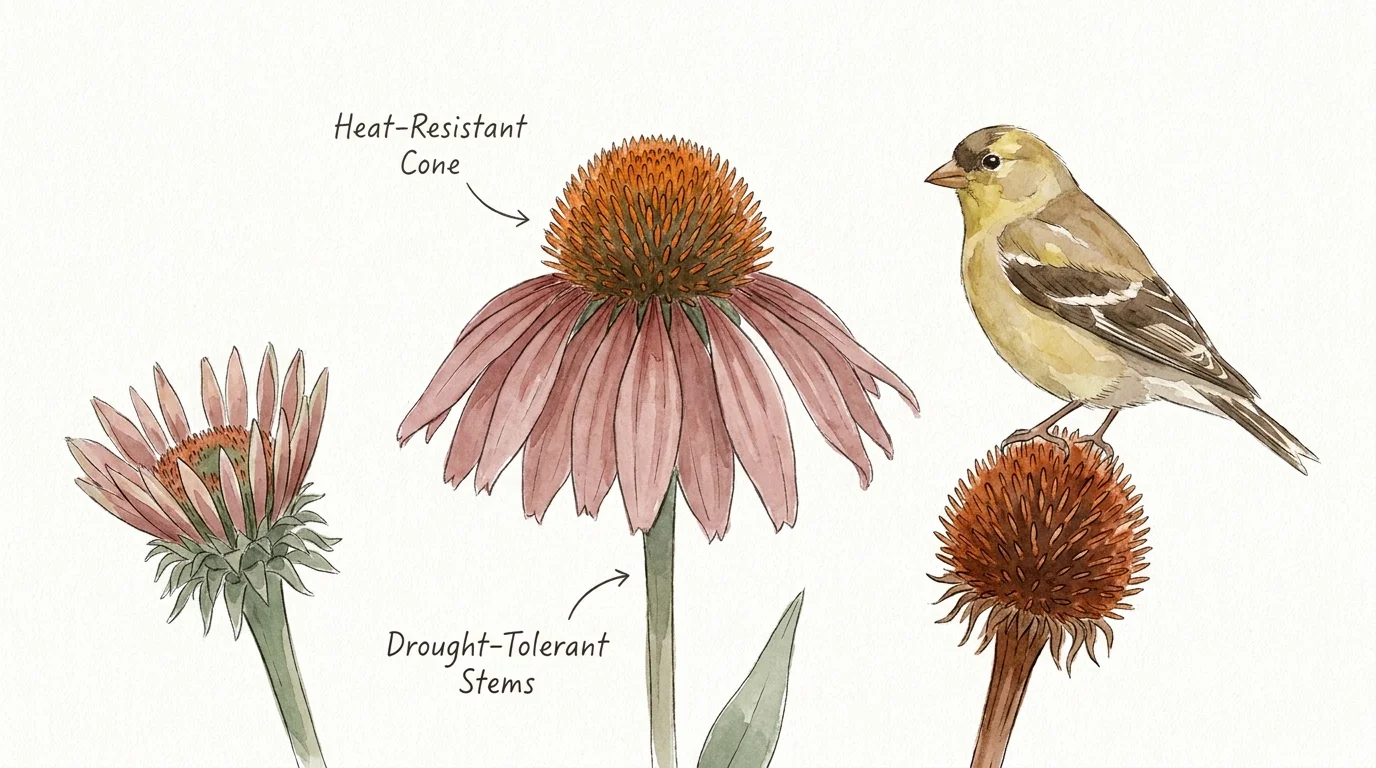
Tip #5: Coneflower (Echinacea purpurea)
No heat-resistant garden is complete without the stately, architectural presence of the purple coneflower. Echinacea purpurea stands tall and unbothered through the most punishing heatwaves, anchoring the mid-summer border with its large, daisy-like petals that droop elegantly away from prominent, spiky central cones. Beyond the classic pale purple, modern botanical breeding efforts have introduced a stunning array of warm colors to the market, including fiery oranges, deep golden yellows, and soft creamy whites.
Coneflowers develop extensive root systems that grant them exceptional drought tolerance. You can confidently skip a watering cycle during a heatwave without risking the structural health of these robust perennials. They also serve as a vital lifeline for local ecosystems during the toughest, driest parts of the year. Butterflies continuously flock to the broad, flat landing pads of the petals to drink nectar, while beneficial predatory insects seek shelter in the dense lower foliage. Leave the dark, mature seed heads standing as autumn approaches; they provide a crucial, natural food source for goldfinches and other native overwintering birds.
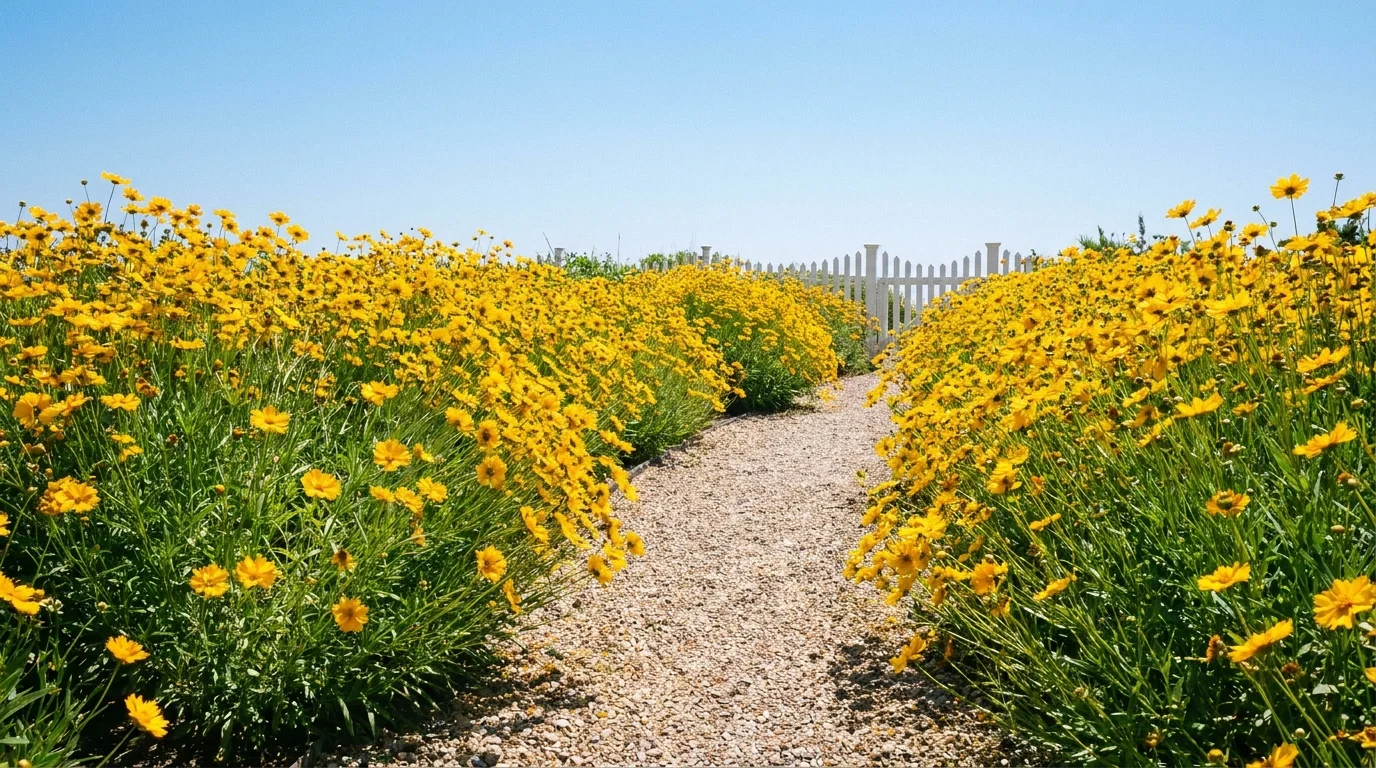
Tip #6: Tickseed (Coreopsis)
Coreopsis, frequently sold at nurseries under the name tickseed, earns its permanent place in the summer garden through sheer blooming endurance. The threadleaf varieties, such as the widely popular ‘Moonbeam’ and ‘Zagreb’ cultivars, feature finely cut, needle-like foliage. This highly specialized leaf structure drastically reduces the surface area exposed to the glaring sun, thereby minimizing plant moisture loss through transpiration. The result is a specimen that remains lush and green while completely smothered in bright, star-shaped yellow flowers.
You will appreciate the rugged reliability tickseed brings to your landscape design. It handles both oppressive, sticky humidity and dry, baking heat with equal grace. To maximize the floral display, allow the first massive flush of late-spring blooms to finish completely. Then, take a sharp pair of garden shears and cut the entire plant back by roughly one-third of its overall height. This rapid pruning technique rejuvenates the tired foliage and stimulates a dense, spectacular second wave of flowers that typically lasts well into late September. Pair tickseed with taller, structural plants to create a striking visual contrast in your sunny borders.
Tip #7: Marigolds (Tagetes)
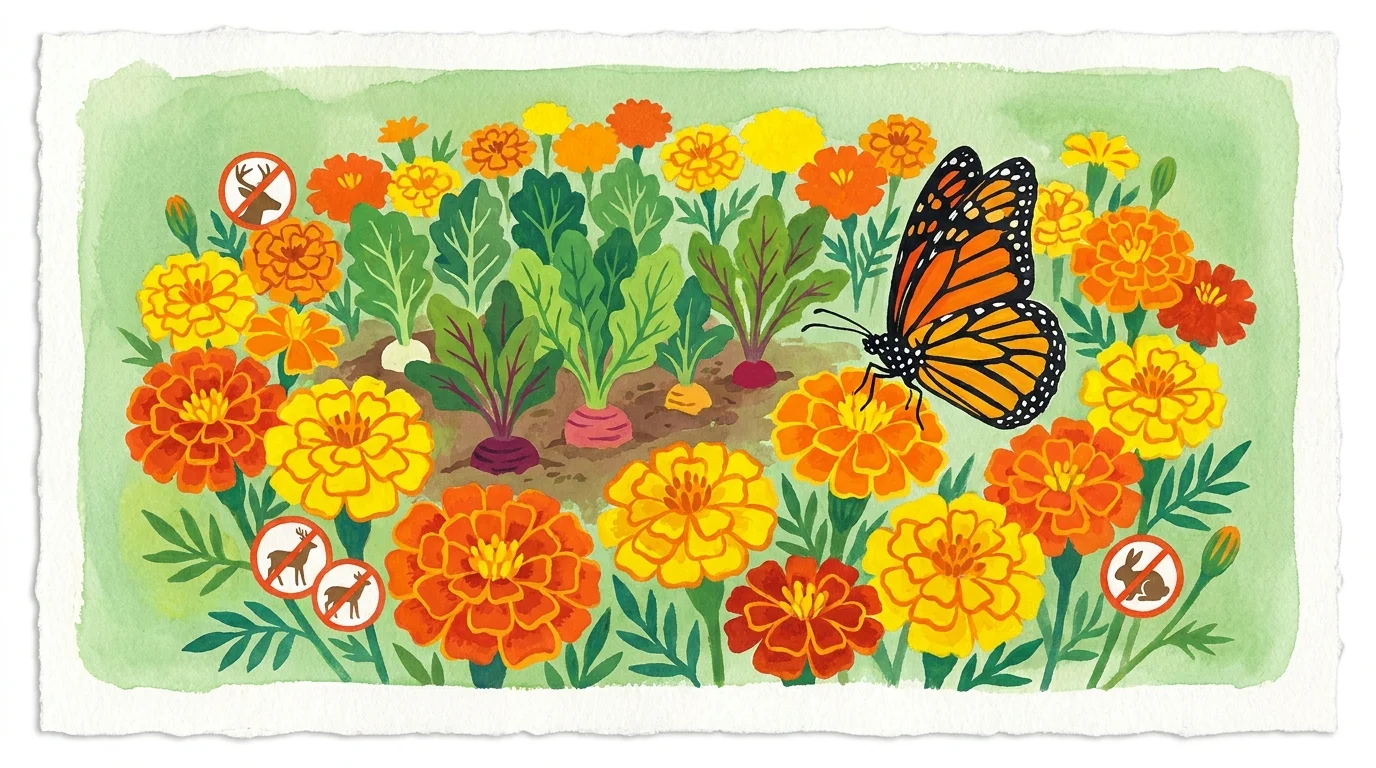
Marigolds remain a timeless garden favorite for very good, scientifically backed reasons. These cheerful annuals actually accelerate their growth when the temperature climbs, thriving effortlessly in environments that cause lesser plants to wither. Whether you choose the massive, pom-pom blooms of tall African marigolds (Tagetes erecta) or the compact, multi-colored blossoms of French marigolds (Tagetes patula), you guarantee your yard a reliable source of brilliant gold, deep mahogany, and fiery orange tones.
Incorporating marigolds into your summer gardening strategy offers practical benefits far beyond mere aesthetics. The roots of French marigolds exude a specific chemical compound that actively repels root-knot nematodes—destructive microscopic soil worms that frequently decimate vulnerable tomato and pepper crops. Consequently, you should plant marigolds generously throughout your raised vegetable beds as companion plants. They demand full sun and moderate watering to perform their best. To keep the blooms looking fresh and prevent fungal rot, always direct your watering can at the soil beneath the foliage; trapping moisture inside the densely packed flower heads often leads to unsightly brown spots and rapid decay.
Tip #8: Salvia (Salvia farinacea)
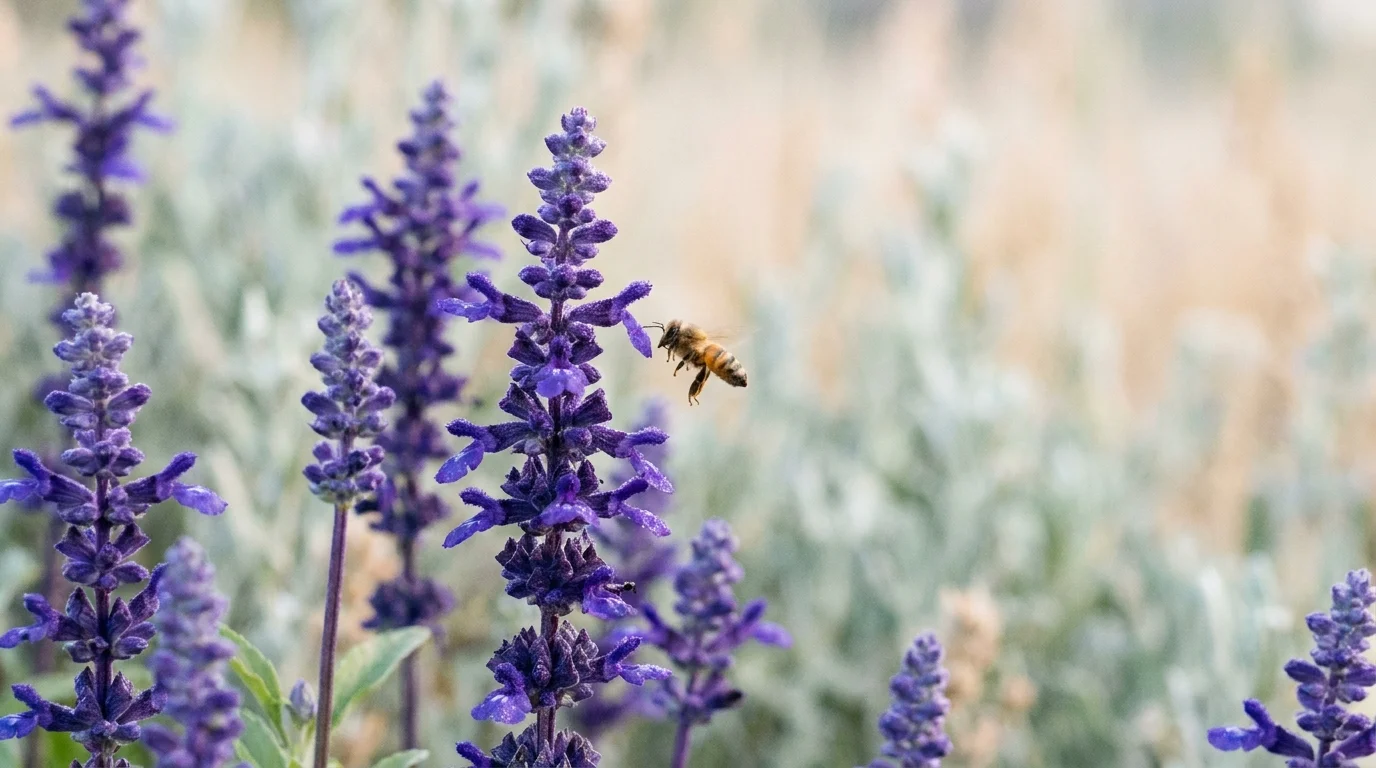
When you need vertical architectural interest and a visual break from the overwhelmingly warm colors of mid-summer, ornamental salvia provides the perfect cool-toned solution. Cultivars of mealycup sage (Salvia farinacea) and woodland sage shoot up striking, slender spikes of deep indigo, vibrant violet, and crisp white. These plants belong to the larger mint family, featuring rigid square stems and slightly fuzzy leaves equipped with tiny glandular hairs. These microscopic hairs act as a built-in shield, deflecting harsh sunlight and trapping a thin layer of moisture near the leaf surface to prevent rapid dehydration.
Salvia withstands intense heat without ever sacrificing its upright, elegant posture. The aromatic essential oils concentrated in the foliage release a pleasant, earthy scent when brushed against, but this very same fragrance serves as a highly effective deterrent against browsing deer and neighborhood rabbits. You can easily encourage continuous flowering by promptly snipping off the flower spikes as soon as the color begins to fade at the base. Plant salvia in large, sweeping drifts to create a dramatic visual impact and draw a constant, mesmerizing stream of hummingbirds to your yard.
Putting It All Together: Enjoy Your Beautiful Garden
Creating a vibrant landscape that utterly defies soaring temperatures does not require magic; it simply requires making informed, strategic plant choices from the start. By prioritizing these eight resilient, sun-loving varieties, you transform a demanding, thirsty garden into a self-sustaining summer oasis. You no longer need to spend your July and August evenings dragging heavy hoses across the lawn in a desperate bid to revive drooping petals. Instead, you can comfortably relax on your patio with a cold beverage, admiring a brilliant display of zinnias, lantana, and coneflowers buzzing with active wildlife.
To fully support your heat resistant flowers, apply a thick, three-inch layer of organic mulch—such as shredded hardwood, cedar bark, or pine straw—around the base of each plant early in the season. Mulch acts as a vital insulating blanket, keeping the underlying roots significantly cooler than the exposed ambient air while drastically reducing soil moisture evaporation. Remember to observe your plants closely throughout the week, letting their subtle cues guide your watering schedule. Embrace the impressive resilience of these botanical survivors, and let your landscape become a lasting source of joy and relaxation rather than a daily battle against the harsh elements.
Frequently Asked Questions
How often should I water drought-tolerant plants during a heatwave?
Even the most resilient plants benefit from supplemental moisture during extreme, prolonged heatwaves. However, your watering technique matters far more than the frequency. You should water deeply and infrequently—typically once or twice a week—allowing the top inch of soil to dry out slightly between sessions. This smart practice forces the plant roots to grow deeper into the earth in search of moisture, creating a stronger, more self-reliant structure. Shallow, daily watering only encourages weak surface roots that easily scorch in the hot summer sun.
Do I still need to fertilize my flowers when it is extremely hot?
No; you should entirely avoid fertilizing your garden during peak summer heatwaves. High temperatures naturally stress all plants, and applying nitrogen-rich fertilizer forces them to push out tender new growth that they simply cannot structurally support without abundant water. This added physiological strain can permanently damage or even kill a struggling plant. Wait until the weather cools significantly in late summer or early autumn before applying any slow-release granular nutrients or liquid feeds.
Can I plant these heat-loving varieties in containers?
Absolutely. Zinnias, moss rose, and lantana perform exceptionally well in decorative pots, window boxes, and hanging baskets. However, you must remember that the total soil volume in a container is highly limited, causing it to heat up and dry out much faster than traditional ground soil. You will likely need to check your potted plants daily during July and August. Ensure every container features large drainage holes at the base, as stagnant, hot water trapped at the bottom of a pot quickly leads to fatal root rot.
Why are my sun-loving flowers wilting in the afternoon?
Midday wilting is a brilliant, natural defense mechanism, not necessarily a definitive sign of a dying plant. When the afternoon sun is at its fiercest, plants deliberately allow their leaves to droop to reduce the surface area exposed to intense ultraviolet rays, thereby slowing down internal water loss. Check the plant again in the early evening once the sun dips lower in the sky. If the foliage has perked back up and looks firm again, the plant is perfectly hydrated. If it remains limp and lifeless, it requires an immediate, deep soaking.
For region-specific advice, consult your local University Extension program (find yours via the USDA directory). For plant databases and inspiration, visit the Missouri Botanical Garden or the Royal Horticultural Society.
Disclaimer: This article provides general gardening advice. Always consider your specific climate, soil conditions, and local pests. Follow safety guidelines when using gardening tools and products.