Container gardening allows you to precisely control soil, moisture, and light, transforming finicky species into thriving indoor centerpieces. While planting directly in the earth seems like the natural choice, many plants actively resist the unpredictable conditions of an open garden. Potted plants give you the power to curate the perfect microclimate, protecting vulnerable roots from aggressive ground pests and fluctuating weather. Whether you live in a sprawling home or practice small space gardening, keeping certain varieties in pots ensures healthier growth and more vibrant foliage. You can cultivate an indoor jungle by understanding exactly which species prefer the cozy, controlled boundaries of a pot over the vast, uncontrollable ground.
Houseplant Secret #1: Mint (Mentha spp.)
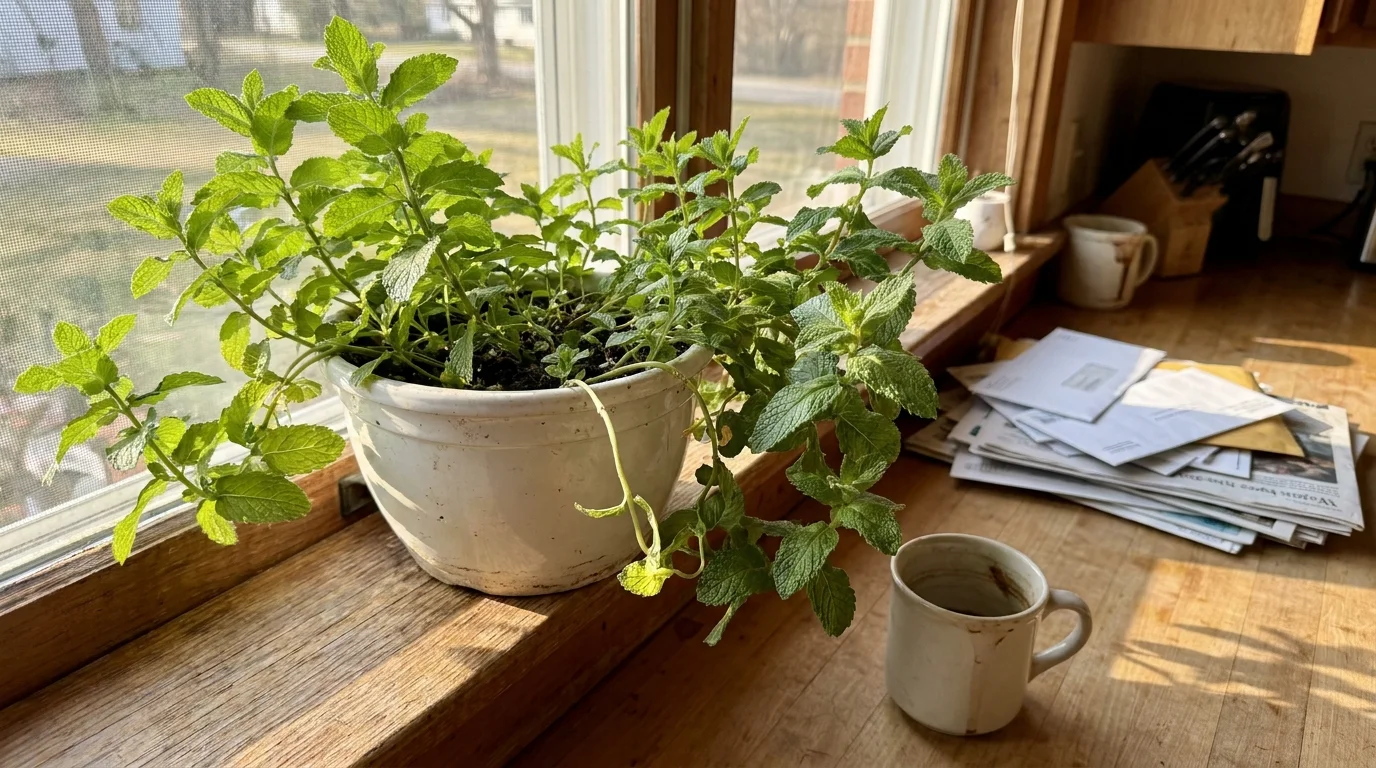
Growing mint directly in your garden bed often leads to a hostile, aggressive takeover. This vigorous herb spreads rapidly through thick underground runners, quickly choking out delicate neighboring species and consuming entire planting zones. Cultivating mint in containers completely neutralizes this invasive tendency while giving you a fresh, aromatic supply of leaves right on your kitchen windowsill. By keeping the plant bound within a pot, you restrict the root system, which keeps the foliage dense, manageable, and exceptionally healthy.
To ensure your potted mint thrives indoors, select a container with excellent drainage holes and utilize a high-quality, moisture-retentive potting mix. Mint prefers consistently damp soil; you should check the moisture level every few days to prevent the roots from drying out completely. Place your pot in a spot that receives bright, indirect light—an east-facing window provides the perfect balance of morning sunshine without scorching the delicate leaves. By keeping this herb confined, you execute one of the most effective easy gardening tips available, allowing you to enjoy maximum culinary flavor with zero outdoor garden drama.
Houseplant Secret #2: Phalaenopsis Orchids
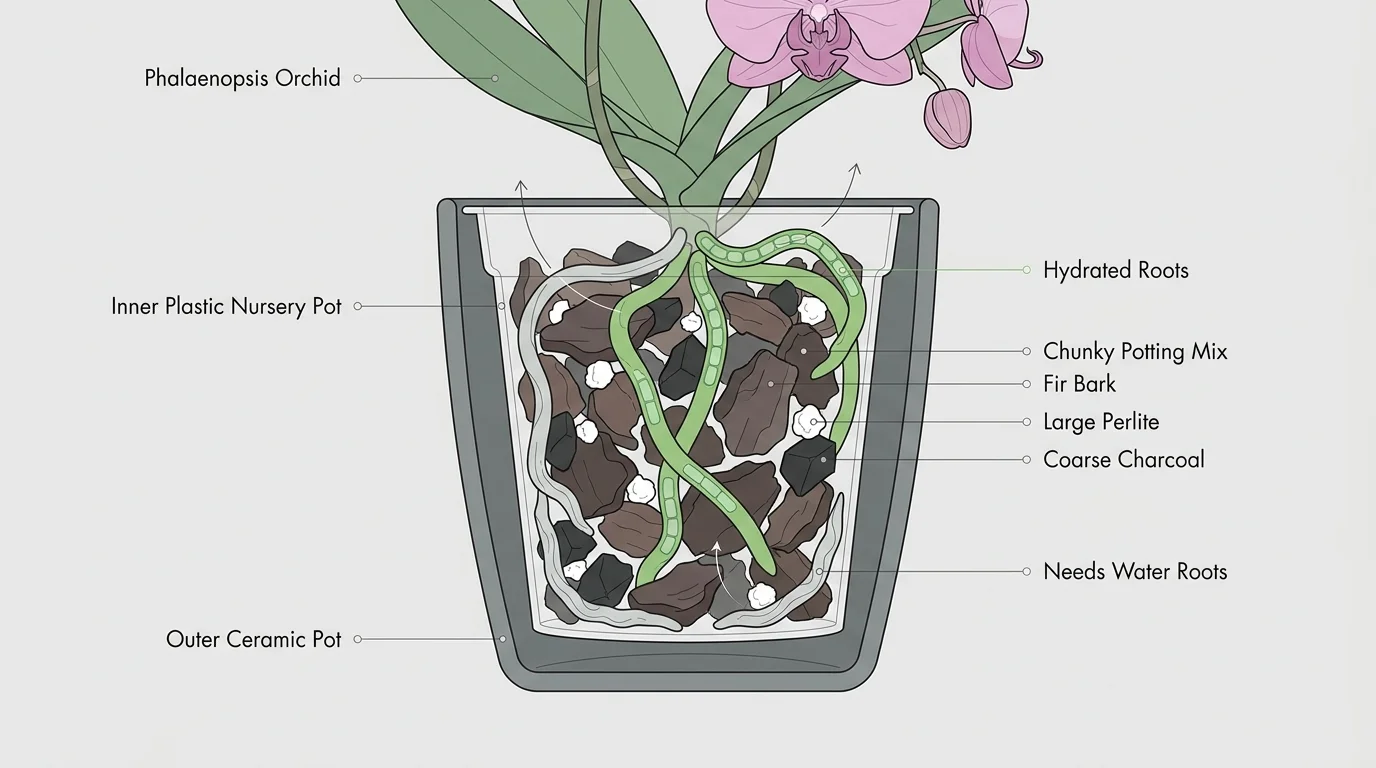
Moth orchids are natural epiphytes, meaning they thrive in the wild by clinging to the rough bark of trees high up in the humid canopies of tropical forests. Planting an orchid directly in traditional, dense ground soil guarantees absolute root suffocation and rapid decay. Potted plants give you the unique ability to precisely replicate their native aerial environment. By using a specialized, chunky potting mix composed of fir bark, large perlite, and coarse charcoal, you facilitate the rapid water drainage and crucial air circulation these elegant roots demand.
Keep your orchid in a transparent plastic nursery pot nested securely inside a heavier decorative ceramic container. This double-potting setup allows you to easily monitor the root health without disturbing the plant; plump, bright green roots indicate adequate hydration, while silvery-gray roots signal that it is time to water. Provide bright, indirect light to encourage vigorous, long-lasting blooming cycles. Small space gardening enthusiasts particularly value orchids because they offer spectacular, architectural floral displays that command attention without demanding significant square footage in your home.
Houseplant Secret #3: Aloe Vera
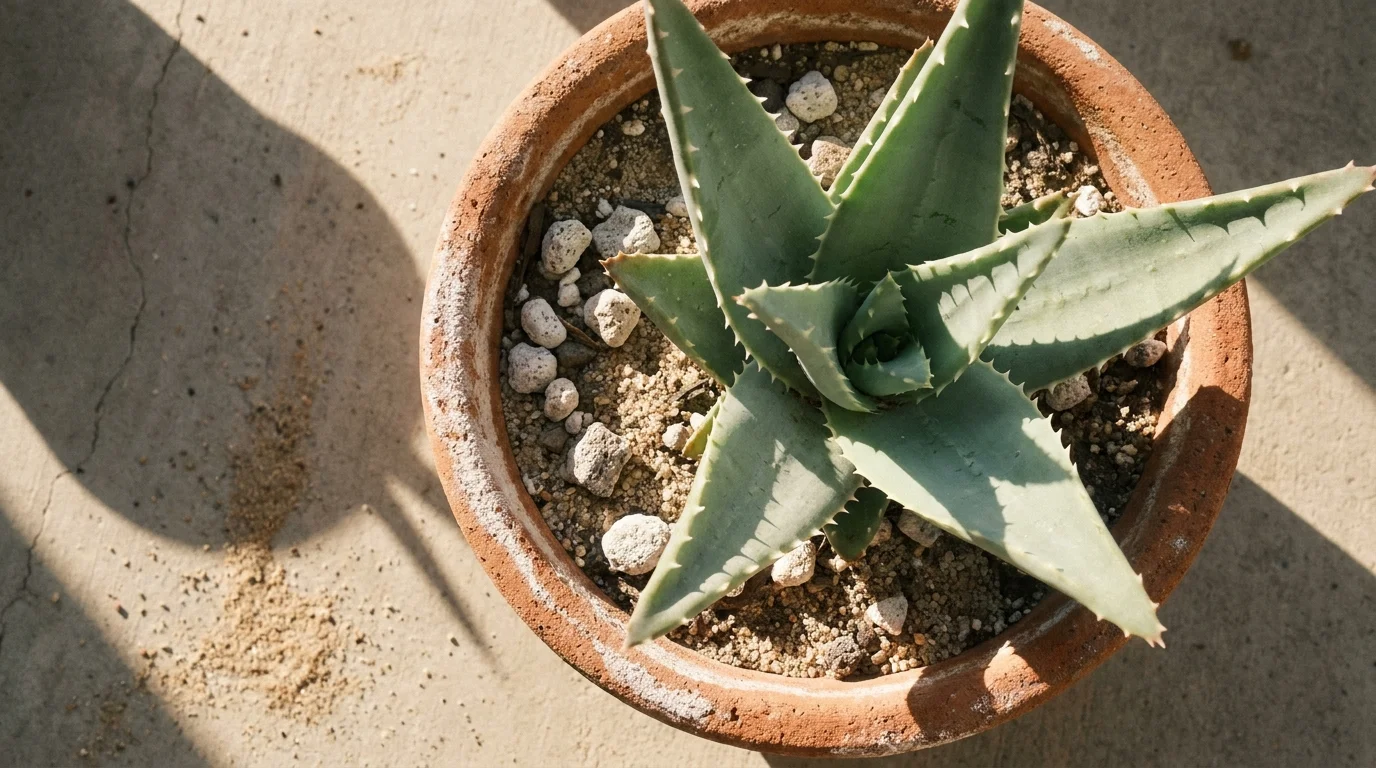
As a resilient desert native, Aloe Vera evolved to survive in arid environments with highly porous, sandy soil. When planted in standard ground earth, particularly in temperate climates, the soil retains far too much moisture, invariably leading to devastating root rot. Moving this architectural succulent into a container allows you to control the exact composition of the growing medium. A blend of standard potting soil heavily amended with pumice, coarse sand, and perlite creates the fast-draining environment this healing plant requires.
Terracotta pots are the absolute best choice for Aloe Vera. The porous nature of unglazed clay actively wicks excess moisture away from the soil, accelerating the drying process and keeping the roots healthy. Place your Aloe in the sunniest window you possess—ideally a south-facing or west-facing spot that receives hours of direct light. Allow the soil to dry out completely between waterings; a deep, infrequent soak mimics the rare but heavy rains of its natural desert habitat. This straightforward approach secures its spot among the best plants for pots.
Houseplant Secret #4: Meyer Lemon Trees
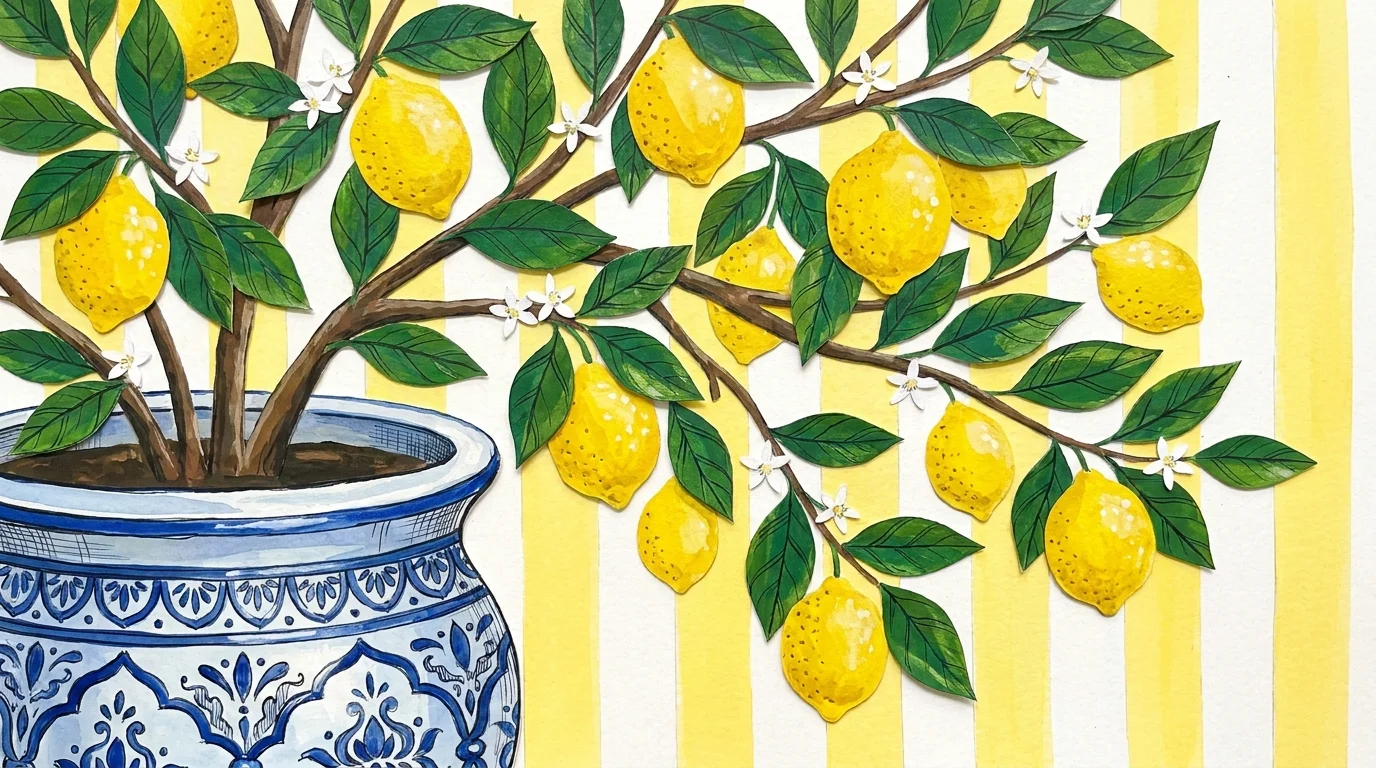
Growing citrus in the ground requires a highly specific climate and perfectly balanced, slightly acidic soil. For most individuals, planting a Meyer Lemon tree outdoors exposes the sensitive plant to fatal winter frosts and heavy, waterlogged clay. Container gardening offers the ultimate solution, granting you the mobility to move the tree indoors before the first freeze and carefully tailor the soil pH. Potted citrus trees thrive when you provide them with a dedicated citrus potting mix that ensures rapid drainage while retaining essential trace nutrients.
Meyer Lemon trees are heavy feeders that demand bright, intense light. When bringing your tree indoors for the colder months, position it directly in front of your brightest window or supplement its environment with a high-quality full-spectrum grow light. Maintain elevated ambient humidity around the foliage to prevent premature leaf drop and deter spider mites. By keeping the roots comfortably contained and the environment rigorously controlled, you can successfully harvest fragrant blossoms and sweet, thin-skinned lemons right in your living room.
Houseplant Secret #5: Spider Plant (Chlorophytum comosum)
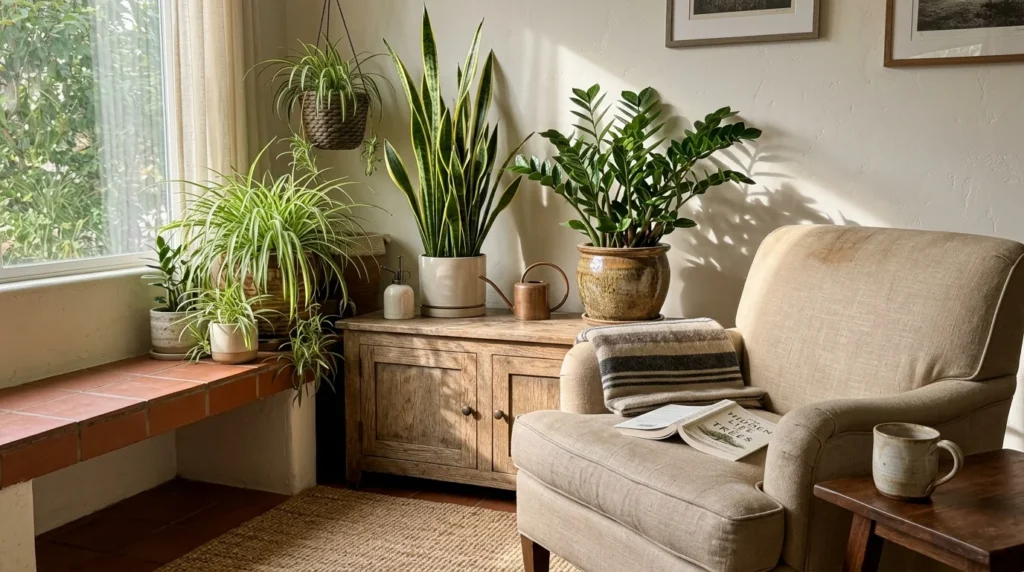
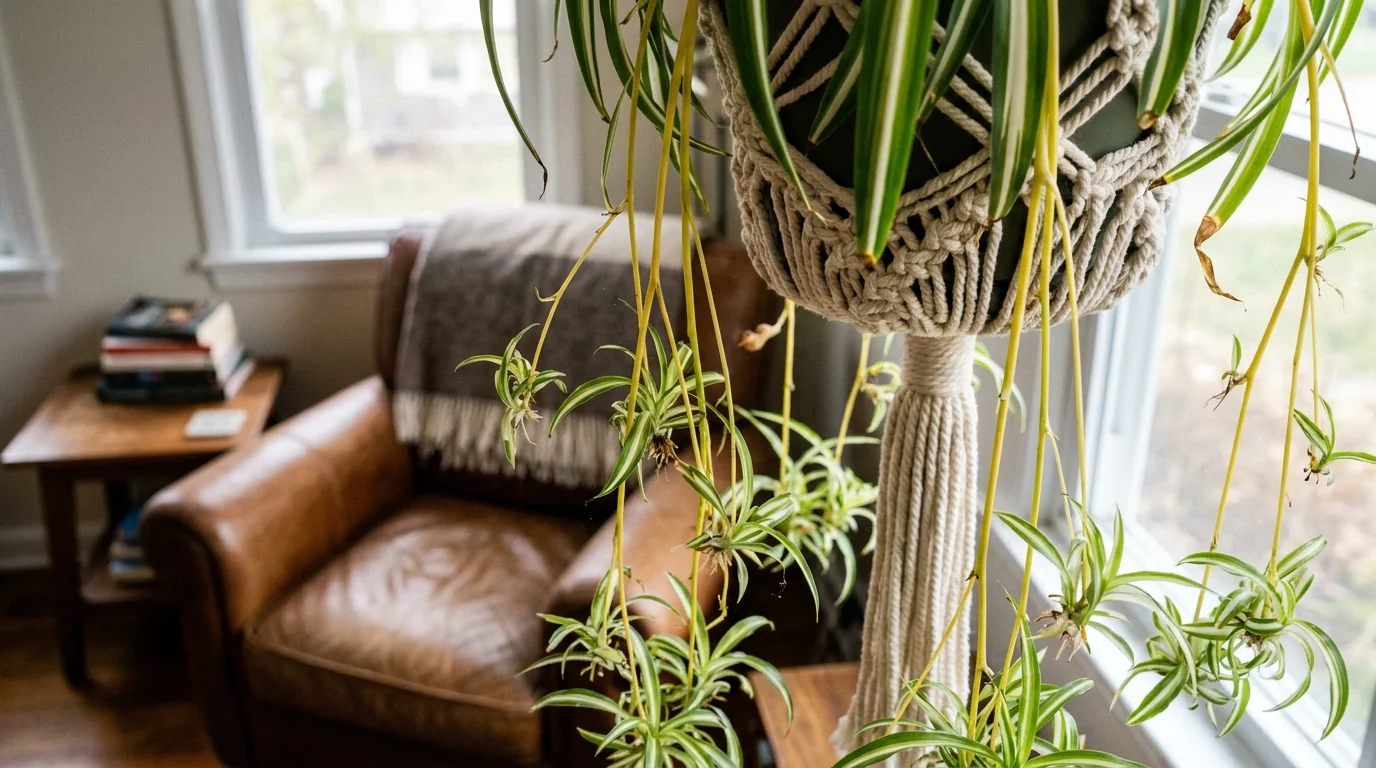
Spider plants develop cascading, grass-like foliage and produce dozens of miniature offsets that dangle beautifully from long, arching stems. If you plant them in the ground, these baby “spiderettes” immediately take root in the surrounding soil, creating a messy, tangled mat of foliage that easily falls victim to ground-dwelling pests like slugs and snails. Growing them in suspended containers allows the plant to naturally trail downward, displaying its unique growth habit perfectly while remaining safely out of reach from hungry insects.
These adaptable houseplants thrive on a bit of neglect, making them ideal candidates for beginners. Use a well-draining potting soil and allow the top two inches to dry completely before you apply water. Spider plants possess thick, tuberous roots designed to store water for extended periods, so overwatering remains their only true weakness. Provide bright, indirect sunlight to maintain the striking white and green variegation on their leaves. Hanging them in a bright corner instantly elevates your vertical space, turning a simple potted plant into a dynamic piece of living art.
Houseplant Secret #6: Bougainvillea
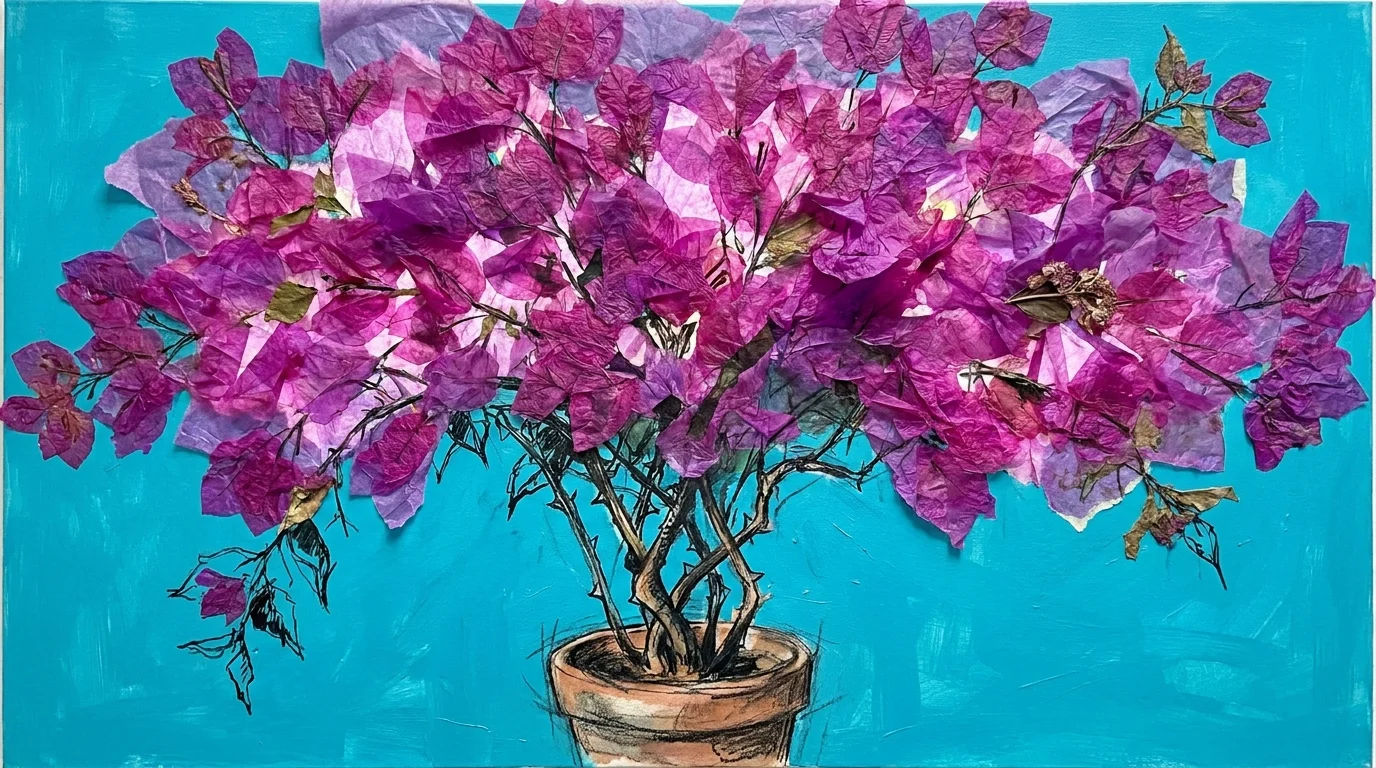
While generally viewed as a sprawling outdoor vine in tropical zones, bougainvillea produces far more spectacular floral displays when tightly confined to a container. Planting this vigorous grower in the open ground often results in massive, unruly foliage growth at the direct expense of its vibrant, papery bracts. Container gardening deliberately restricts the root system, introducing a mild, natural level of stress that biologically triggers the plant into heavy bloom production instead of endless leaf generation.
Cultivating bougainvillea as a potted specimen allows you to provide the intense, direct sunlight it absolutely requires to flourish. Keep the potting soil slightly drier than you would for your other tropical houseplants; excessive water application encourages leaf drop and halts flower development. Apply a high-potassium, bloom-boosting fertilizer during the active spring and summer growing seasons to support the radiant magenta, orange, or stark white bracts. Because they perform so beautifully under root restriction, they consistently rank among the most rewarding flowering plants for indoor and patio containers.
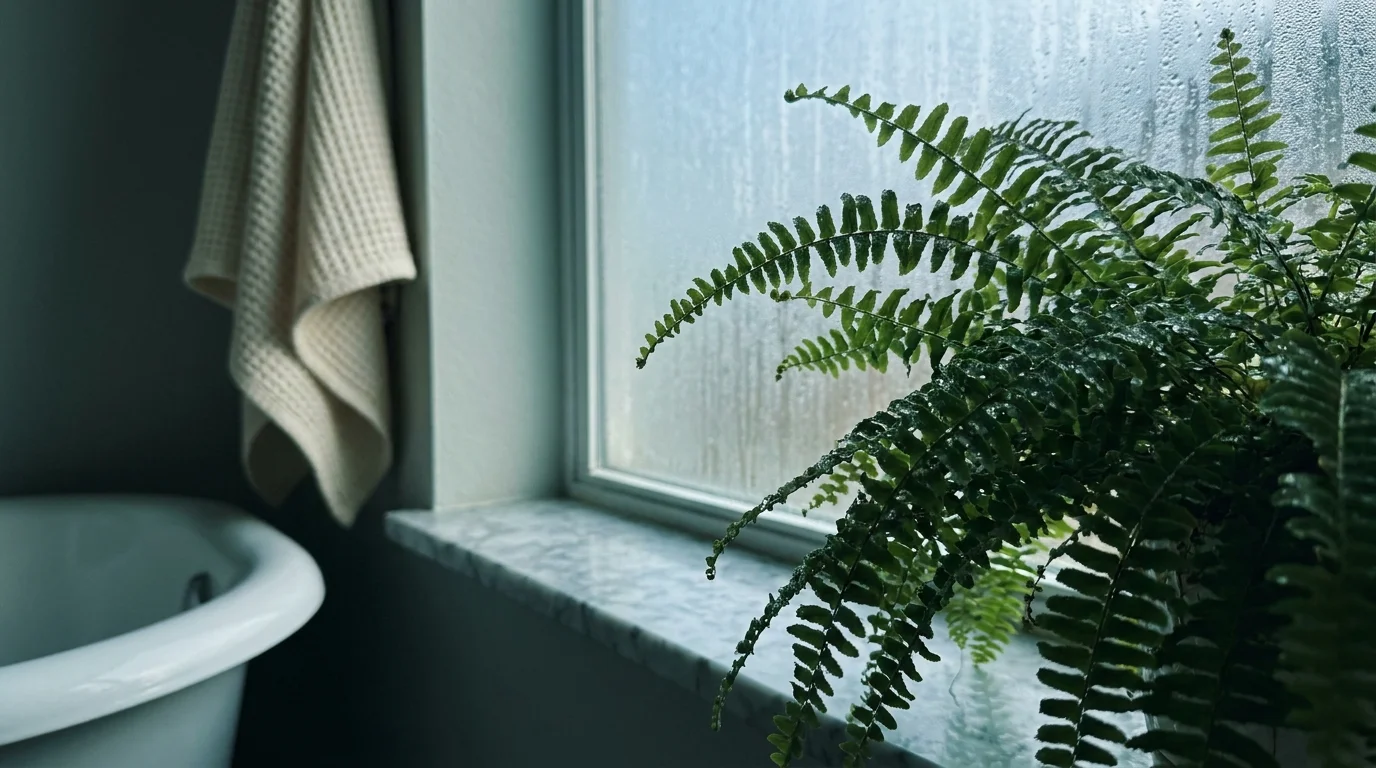
Houseplant Secret #7: Boston Fern (Nephrolepis exaltata)
Boston Ferns require a highly specific balance of consistent soil moisture and exceptional drainage—a combination notoriously difficult to achieve in standard garden beds. Ground soil frequently fluctuates between parched and waterlogged, causing the fern’s delicate fronds to crisp and drop. Cultivating them as potted plants ensures you can provide a peat-based potting mix that holds the exact right amount of water while allowing excess moisture to freely escape through the drainage holes.
Indoor environments allow you to carefully manage the high humidity these lush ferns desperately crave. Keep your Boston Fern away from harsh heating vents or drafty doors, which quickly strip moisture from the air. Instead, place the pot in a naturally humid space like a brightly lit bathroom, or set the container on a wide pebble tray filled with water to create a localized humid microclimate. The controlled environment of a pot keeps the foliage full, vibrant, and incredibly lush throughout the entire year.
Houseplant Secret #8: Weeping Fig (Ficus Benjamina)
The Weeping Fig is infamous for its dramatic sensitivity to environmental changes; a sudden drop in temperature or a shift in sunlight often causes the tree to shed its leaves in protest. Planting a Ficus in the ground leaves it entirely at the mercy of unpredictable weather patterns. Keeping this elegant tree in a container allows you to find the exact perfect location in your home—a stable spot with bright, indirect light and zero temperature fluctuations.
Interestingly, the Weeping Fig actually prefers to be slightly root-bound. Keeping it snug in a container limits its overall size, transforming what would be a massive outdoor tree into a manageable, highly decorative indoor houseplant. Water your Ficus only when the top few inches of the soil feel completely dry to the touch, and establish a strict, unwavering care routine. The stability provided by a heavy, well-placed pot ensures your tree retains its glossy, teardrop-shaped leaves and serves as a magnificent structural focal point in your home.
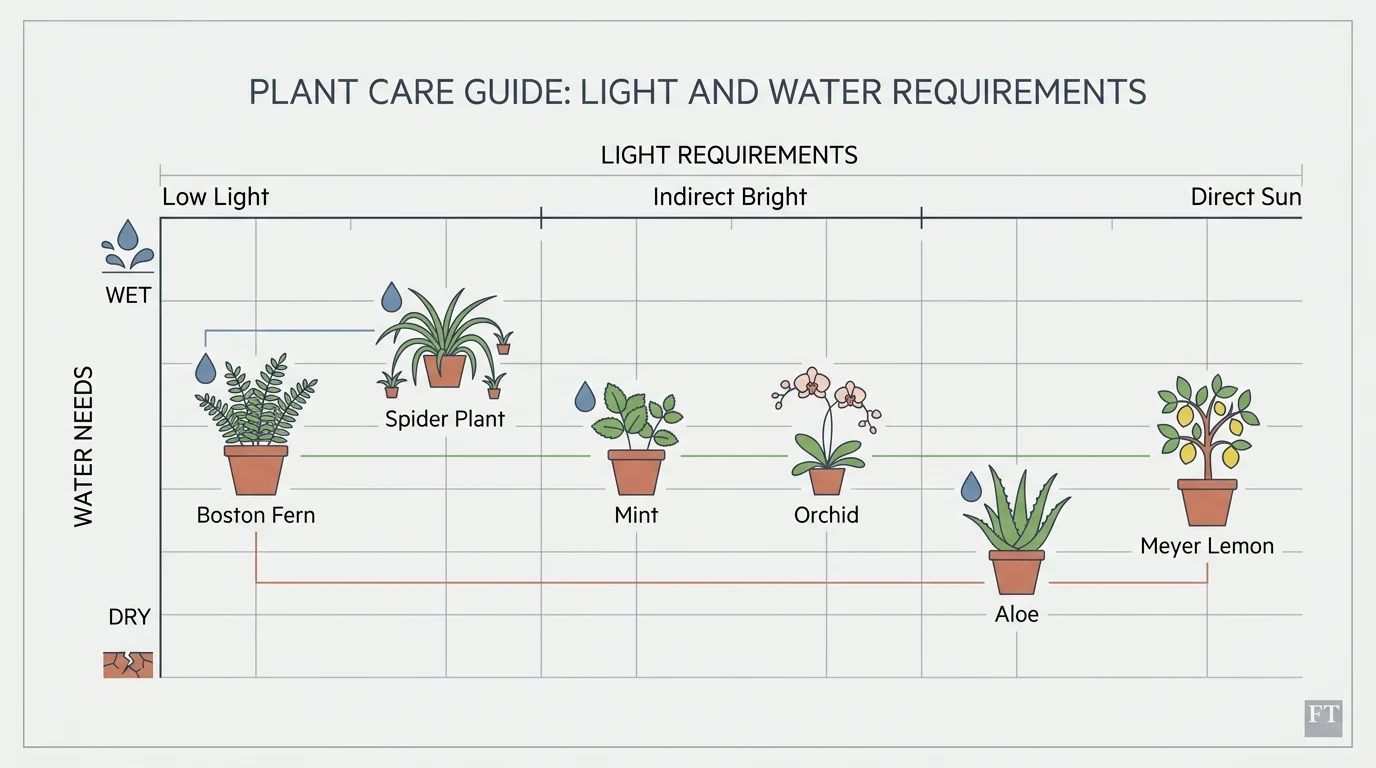
Choosing the Right Plant for Your Space
Selecting the perfect houseplant requires you to honestly evaluate the natural conditions of your home. Before you purchase a new piece of living decor, take a few days to map out the light levels in your various rooms. South-facing windows offer intense, direct sunlight perfectly suited for sun-worshippers like Aloe Vera and Meyer Lemon trees. Conversely, north-facing windows or rooms shadowed by outdoor trees provide the gentle, indirect light that delicate species like Phalaenopsis Orchids and Spider Plants prefer. Matching the plant to your existing light conditions eliminates half the battle of indoor gardening.
You must also factor in your home’s ambient humidity and your own personal daily routine. If you travel frequently or tend to forget watering schedules, drought-tolerant succulents or robust trailing plants will survive your absences beautifully. However, if you love to actively tend to your indoor jungle and enjoy the ritual of daily misting, moisture-loving specimens like the Boston Fern will thrive under your attentive care. Assessing your lifestyle guarantees you choose potted plants that integrate seamlessly into your routine rather than adding an overwhelming burden to your week.
Finally, consider the mature size of the plant relative to your living space. Small space gardening thrives on intentional choices. Opt for vertical growers or plants that excel in hanging baskets to draw the eye upward and maximize your floor space. A well-chosen plant tailored specifically to your room’s exact microclimate will naturally flourish, requiring far fewer interventions and providing years of effortless beauty.
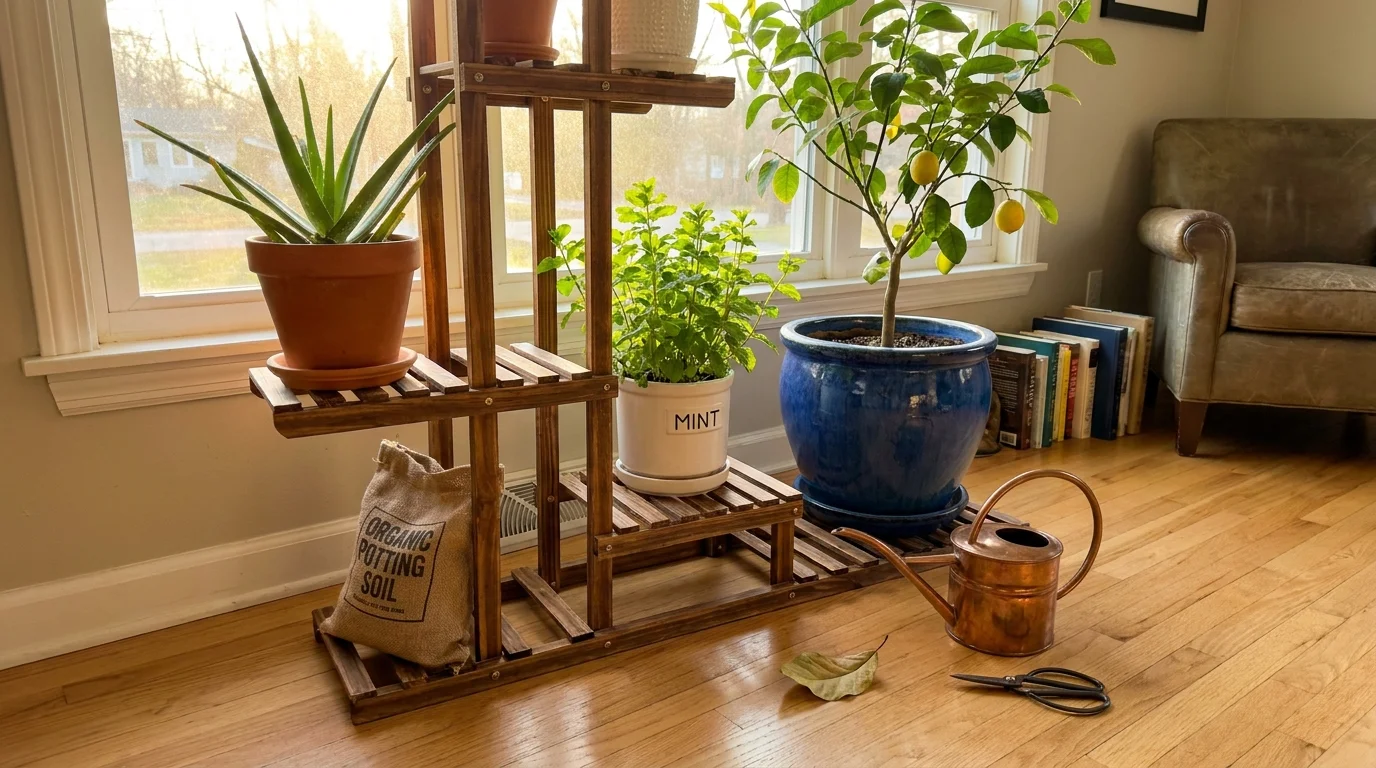
Aesthetic Tips for Styling Your Indoor Plants
Transforming your collection of potted plants into a cohesive design element requires a bit of styling strategy. One of the most effective interior design techniques is the “rule of three.” Grouping your plants in odd numbers creates a visually dynamic display that feels organic and highly curated. When assembling these clusters, intentionally mix plants of varying heights and textures. Pair the tall, woody structure of a Weeping Fig with the cascading, soft foliage of a Spider Plant, and anchor the arrangement with the thick, architectural spikes of an Aloe Vera.
The container you choose holds just as much visual weight as the plant itself. While standard plastic nursery pots provide crucial drainage, they rarely match your home decor. Utilize cachepots—decorative outer containers without drainage holes—to conceal the utilitarian plastic pots. This simple method allows you to swap out baskets, ceramics, or metallic bins as your style evolves, without ever having to disturb the plant’s delicate root system. Just remember to remove the inner nursery pot when watering, allowing it to drain completely in the sink before returning it to the cachepot.
Use varying elevations to give each plant its own moment to shine. Place smaller trailing plants on high bookshelves to let their vines drape elegantly over the edges, and elevate mid-sized pots on modern wooden plant stands to give them more presence in the room. By intentionally placing your greenery at different eye levels, you surround yourself completely with nature, achieving a lush, immersive indoor jungle aesthetic.
Frequently Asked Questions
How do I know exactly when my potted plant needs water?
The most reliable method is to physically test the soil rather than sticking to a rigid calendar schedule. Insert your index finger about two inches deep into the potting mix. If the soil feels dry at that depth, it is time to water most standard tropical houseplants. If you feel moisture, wait a few more days. For heavy containers, you can carefully lift the pot; a fully saturated pot feels noticeably heavier than one filled with dry soil. Developing this tactile intuition prevents both chronic underwatering and dangerous overwatering.
What is the absolute best potting mix for indoor containers?
There is no single universal soil for all plants, but a high-quality, well-draining base mix works wonders for the vast majority of your indoor jungle. Combine two parts standard indoor potting soil with one part perlite and one part orchid bark. This custom blend retains enough moisture to keep roots hydrated while providing the essential air pockets required to prevent root rot. You can then tweak this recipe—adding more sand for succulents or more peat for moisture-loving ferns.
How do I eliminate fungus gnats from my indoor plants?
Fungus gnats thrive in overly damp, decaying organic matter. The most effective way to banish them is to let the top two inches of your soil dry out completely between waterings, disrupting their breeding cycle. You can also apply a layer of coarse sand or decorative gravel to the surface of the soil to prevent adult gnats from laying eggs. For severe infestations, watering your plants with a mixture of water and completely safe mosquito dunks (Bacillus thuringiensis israelensis) effectively targets the larvae without harming the plant.
Are these recommended houseplants safe for my cats and dogs?
While many plants are completely harmless, some popular varieties possess toxic properties if ingested by curious pets. Spider plants and Boston Ferns are famously pet-safe, making them excellent choices for households with animals. However, plants like Aloe Vera and certain Ficus varieties can cause gastrointestinal distress.
For information on plant toxicity to pets, consult the ASPCA’s plant list. Find inspiration at major conservatories like the U.S. Botanic Garden.
Disclaimer: This article provides general advice for houseplants. Every home environment is different, so observe your plants carefully and adjust care as needed.