Plant perennial flowers once and watch them multiply into massive, vibrant displays that require less effort each season. Selecting aggressive but manageable growers turns a sparse backyard into a lush landscape while embracing low maintenance gardening principles perfect for busy homeowners and senior gardeners. Robust plants establish deep root systems that expand annually, filling gaps in your flower beds, choking out weeds, and providing increasing curb appeal without the recurring cost of annuals. You will save time and money by relying on these resilient backyard flowers that thrive on neglect. By carefully choosing species adapted to your local climate and soil type, you easily cultivate a thriving outdoor space that genuinely improves with age.
Outdoor Strategy #1: Hostas for Shady Expansions
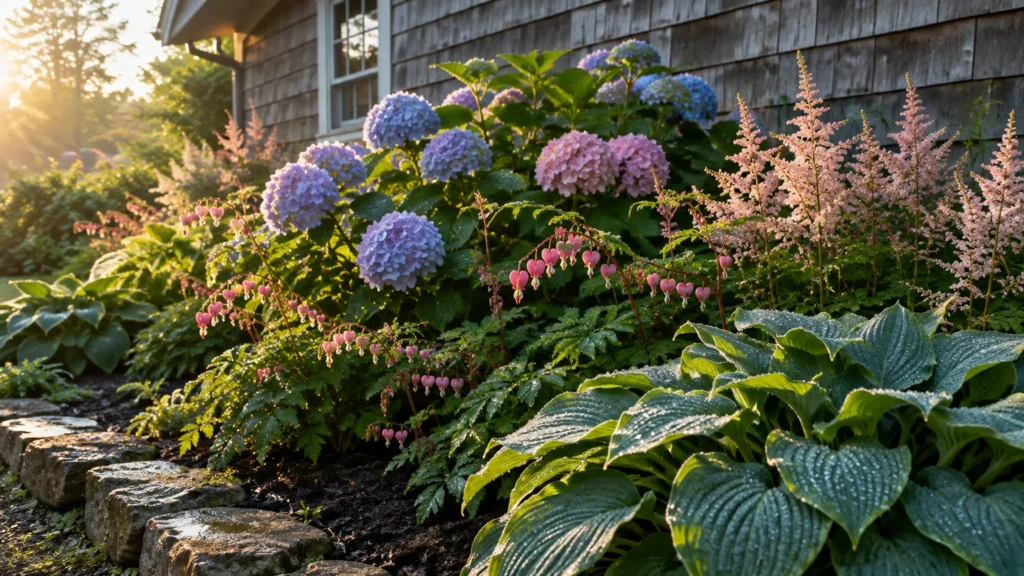
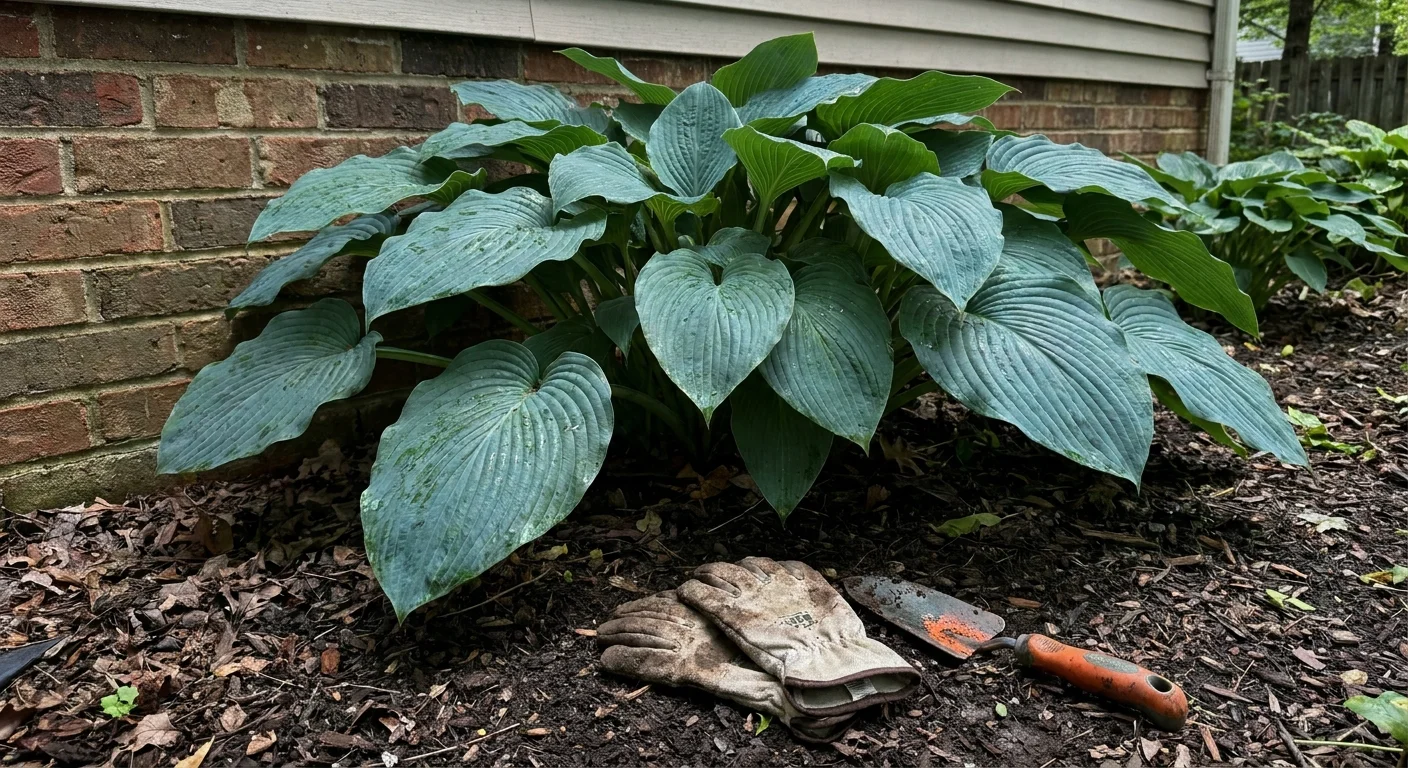
Hostas reign supreme when you need to fill shaded areas beneath mature trees or along the sun-starved north side of your home. These shade-loving powerhouses develop wider, denser foliage crowns every spring, eventually forming an impenetrable ground cover that naturally suppresses aggressive weeds. If you plant a small nursery container of the ‘Empress Wu’ variety, expect it to reach up to four feet tall and six feet wide within five years. Because they demand so little daily intervention, hostas serve as exceptional easy plants for low maintenance gardening.
Provide them with rich, well-draining soil and consistent moisture during their first growing season. Once fully established in USDA Hardiness Zones 3 through 9, they practically care for themselves. When the clumps eventually grow too massive for your allotted space, simply dig them up in early spring, slice the fleshy root ball into equal sections with a sharp spade, and transplant the divisions elsewhere. This straightforward division process allows you to propagate dozens of free plants over a decade, maximizing your landscaping budget while dramatically increasing your property’s curb appeal.
Outdoor Strategy #2: Peonies for Decades of Blooms
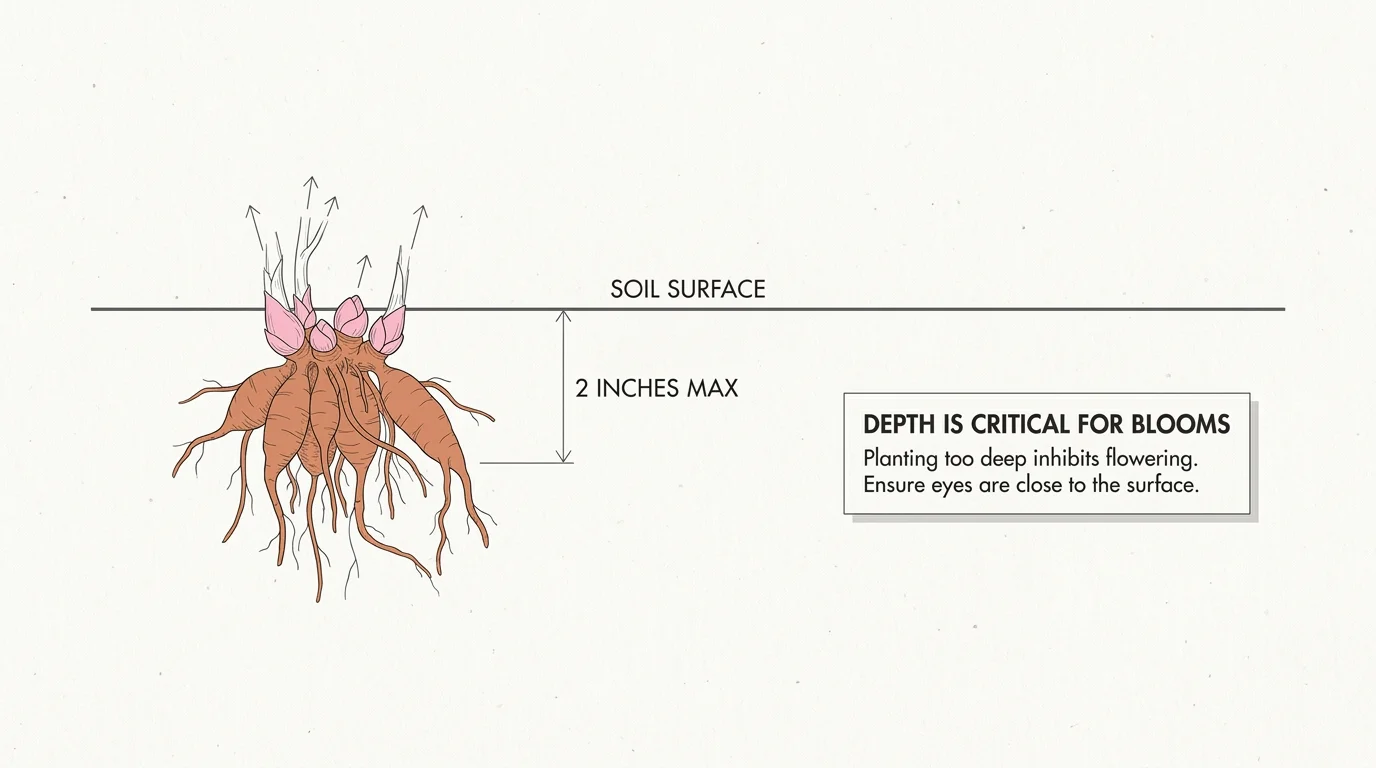
Peonies provide unmatched structural beauty and massive springtime blossoms, functioning almost like small structural shrubs in your garden architecture. Unlike delicate backyard flowers that lose vigor after a few years, a well-situated herbaceous peony routinely lives for fifty years or more, producing an increasing number of heavy flower stems each subsequent spring. You must plant their tuberous roots carefully; burying the “eyes” more than two inches below the soil surface guarantees green foliage but permanently prevents them from blooming.
Position them in a permanent spot receiving at least six hours of direct sunlight daily in Zones 3 through 8. Peonies actually require a prolonged period of winter chill to properly set their buds for the following year, making them ideal anchor plants for northern and midwestern climates. Provide ample air circulation around each plant to prevent fungal issues like botrytis blight. By their fifth year in the ground, robust varieties like ‘Sarah Bernhardt’ will produce dozens of fragrant blossoms, demanding only a supportive metal ring to keep the heavy flower heads from bowing during torrential spring rainstorms.
Outdoor Strategy #3: Daylilies for Unstoppable Multiplication
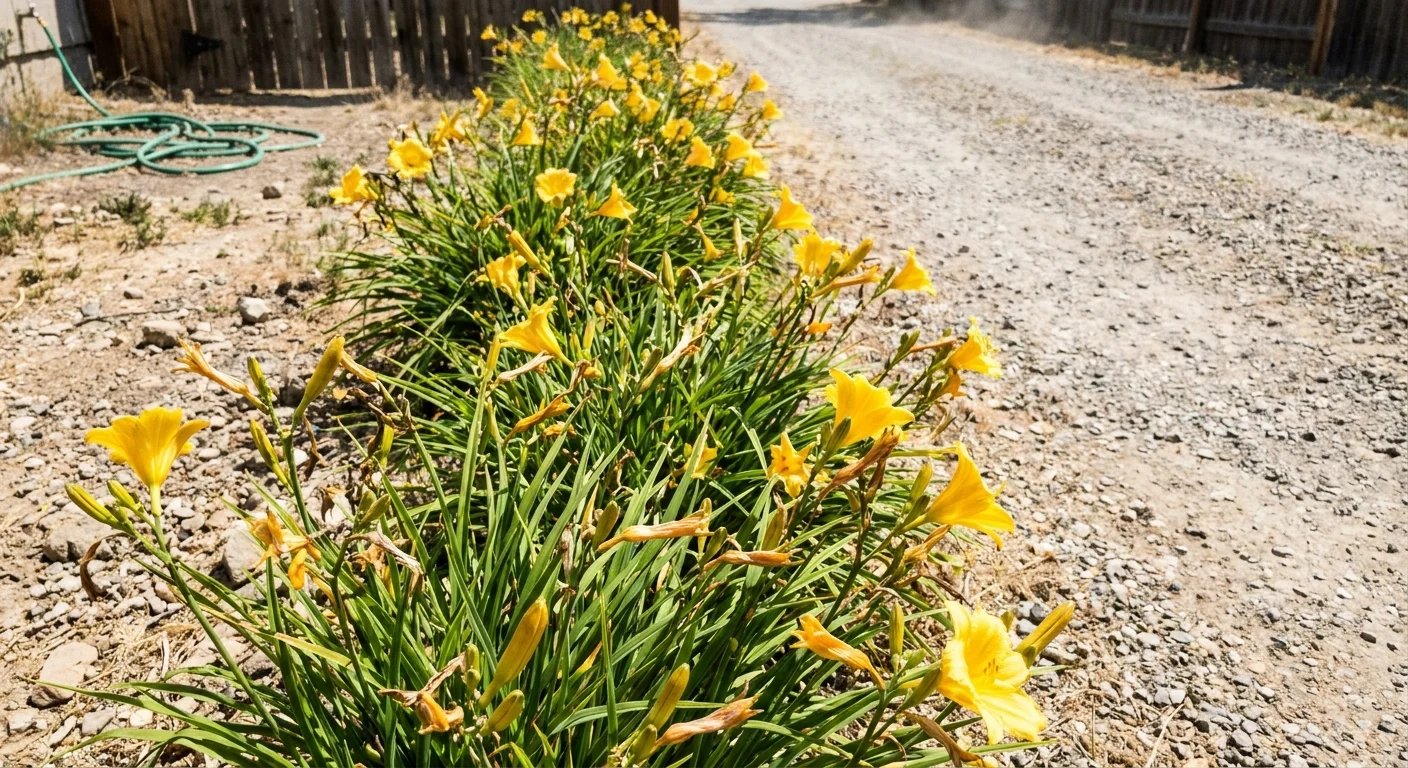
Daylilies earn their reputation as the ultimate survivalists of the residential landscape world. If you struggle with poor clay soil, baking afternoon sun, or irregular watering schedules, these rugged perennial flowers will still expand into formidable, grassy clumps topped with prolific summer blooms. Each individual flower lasts exactly one day, but a mature clump reliably produces hundreds of buds over a span of several weeks. Modern reblooming varieties, such as the widely celebrated ‘Stella de Oro’, flush with yellow flowers in early summer and continue sending up green scapes well into the autumn months.
Thriving easily in Zones 3 through 9, daylilies utilize an aggressive, fleshy root system that stores emergency water, allowing them to endure prolonged seasonal droughts without skipping a beat. Senior gardeners particularly appreciate daylilies because they practically eliminate the need to drag heavy hoses across the lawn in July. To keep them blooming at maximum capacity, dig up the massive root mass in late summer every four years, pull the individual fans apart, and replant them a foot apart to rejuvenate the parent plant.
Outdoor Strategy #4: Black-Eyed Susans for Rapid Spread
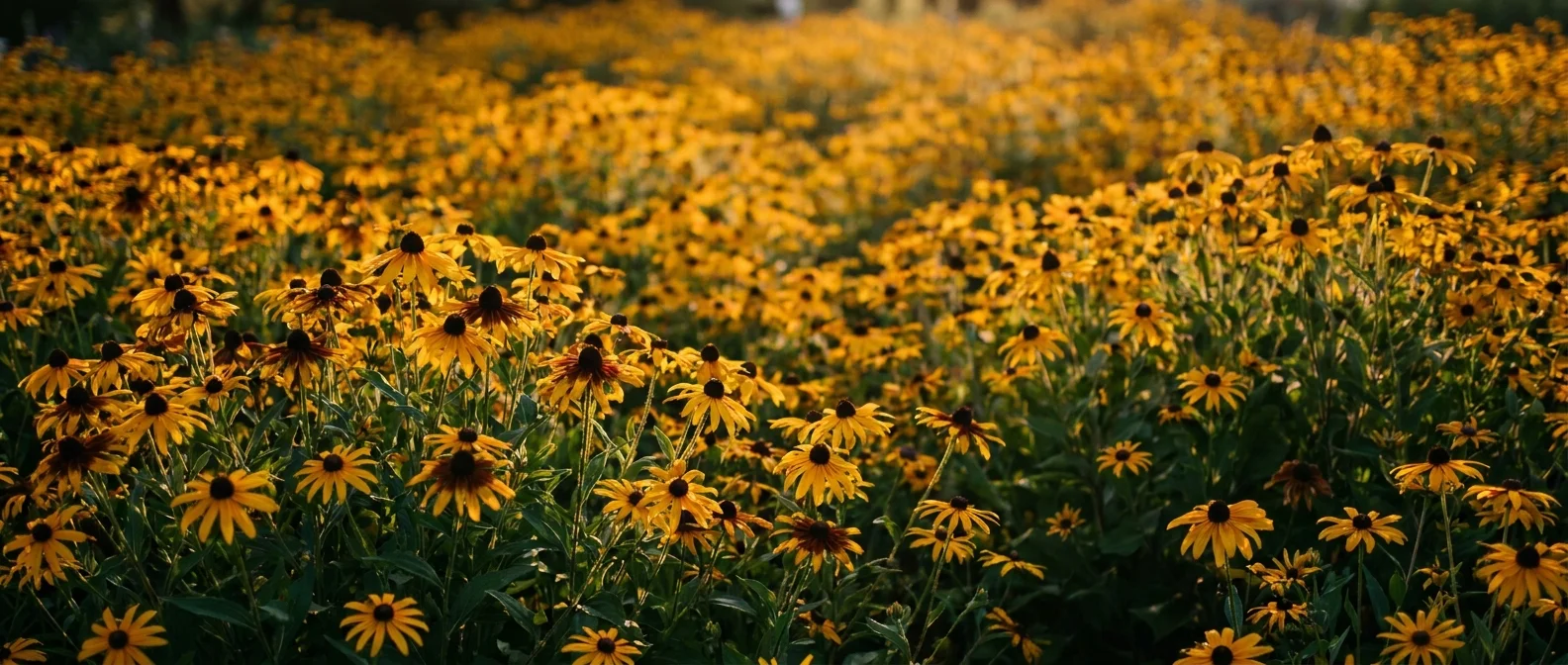
Inject vibrant, golden-yellow energy into your late summer landscape with Black-Eyed Susans. Botanically known as Rudbeckia, these resilient North American native wildflowers spread aggressively through underground rhizomes and prolific self-seeding habits. Planting just three small nursery pots reliably yields a sprawling, cohesive drift of color within three short growing seasons. They thrive across Zones 3 through 9 and perform exceptionally well in heavy clay soils where other sensitive backyard flowers fail to establish deep roots.
Because they bloom continuously from mid-July straight through to the first hard autumn frost, they perfectly bridge the visual gap when early summer perennials fade and autumn foliage has yet to turn color. You will quickly notice a dramatic increase in beneficial local wildlife; the distinct daisy-like flowers provide essential pollen for native bees, while the dried central seed heads attract foraging finches all winter long. Snip off the spent flower heads during the first year to force the plant to expand its root base rather than wasting energy on seed production.
Outdoor Strategy #5: Coneflowers for Resilient Color
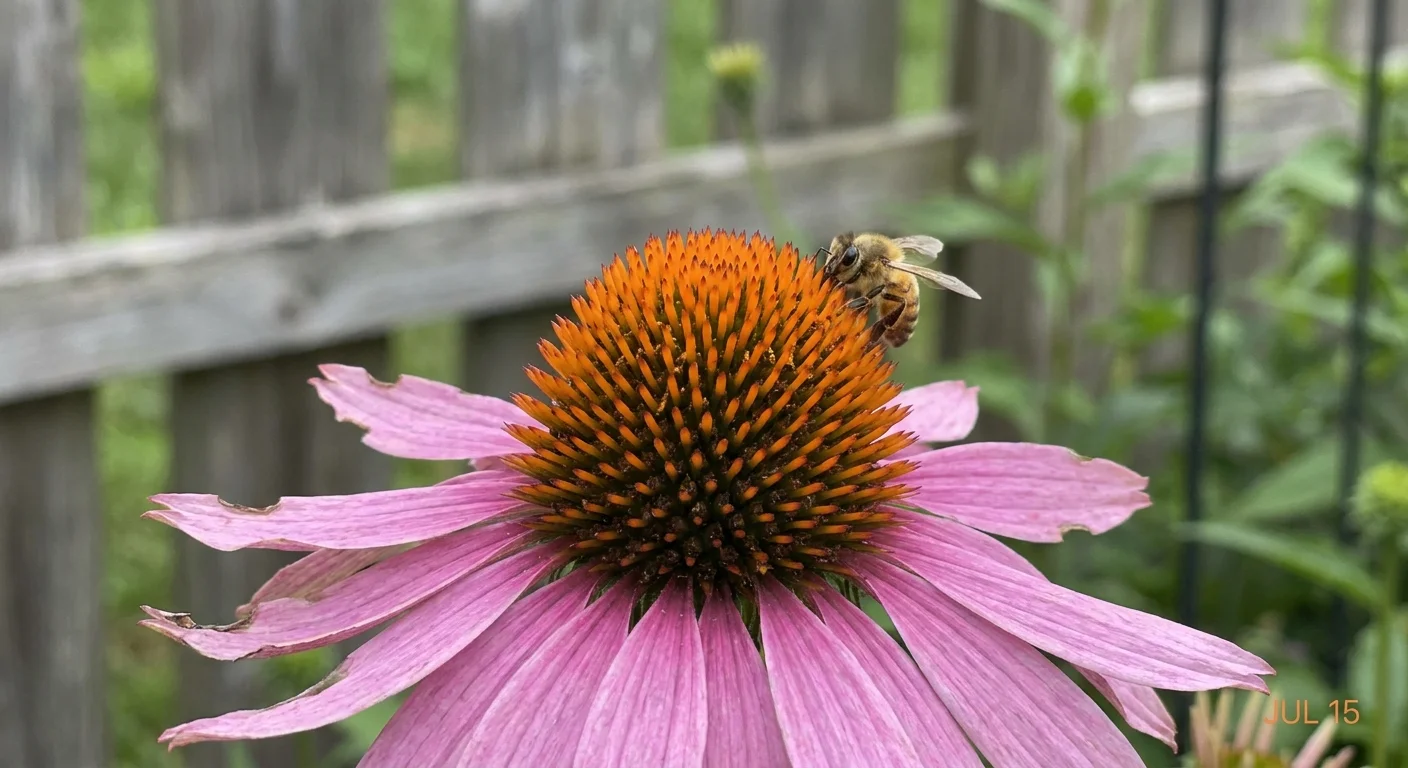
Purple coneflowers offer impressive structural rigidity and incredible drought tolerance thanks to a deeply penetrating taproot system that searches far below the soil surface for moisture. As the years pass, the central crown of the Echinacea plant widens significantly, sending up progressively more thick, bristly flower stalks. Originally evolving on the open prairie, coneflowers absolutely detest overly pampered garden conditions. If you plant them in excessively rich, heavily fertilized garden beds, they grow weak, tall, and immediately flop over in the wind.
Instead, provide them with lean, fast-draining soil in full sun across Zones 3 through 9. Their tough nature makes them indispensable assets for low maintenance gardening. The rigid stems easily withstand harsh summer thunderstorms without requiring unsightly wooden stakes or metal cages. Leave the prominent, spiky central cones standing upright through the snowy winter months. They create beautiful architectural silhouettes against the barren landscape while feeding local bird populations and dropping seeds that gently expand your coneflower colony along the margins.
Outdoor Strategy #6: Upright Sedums for Late-Season Volume
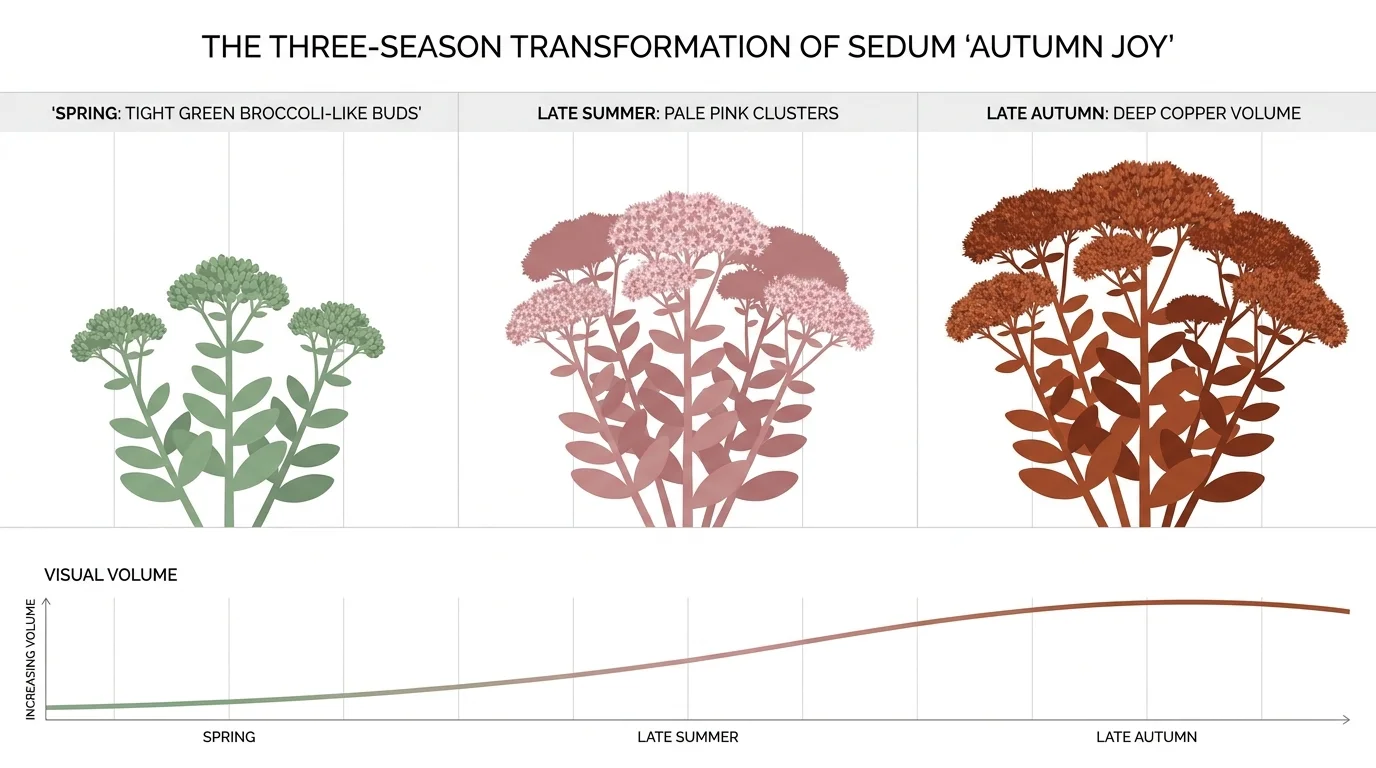
Upright sedums completely transform from tiny spring rosettes into massive, two-foot-wide domes of thick foliage by late summer. Cultivars like ‘Autumn Joy’ represent the absolute pinnacle of easy plants for residential landscapes. They feature thick, fleshy succulent leaves that aggressively hoard moisture, rendering them practically immune to high-summer heatwaves and extended dry spells in Zones 3 through 9. When September arrives, the dense, broccoli-like flower heads transition from pale green to vibrant pink, and eventually age into a deep, rusty red.
As sedums mature over multiple seasons, the central clump can become so incredibly large and heavy that it splits straight down the middle under its own weight. You easily prevent this structural collapse by performing a pruning technique known as the “Chelsea Chop” in late May. Simply cut the green stems back by one-third of their height. This forces the plant to branch out laterally, resulting in a slightly shorter but significantly denser, sturdier perennial that perfectly anchors the autumn garden.
Outdoor Strategy #7: Bleeding Hearts for Early Spring Mass
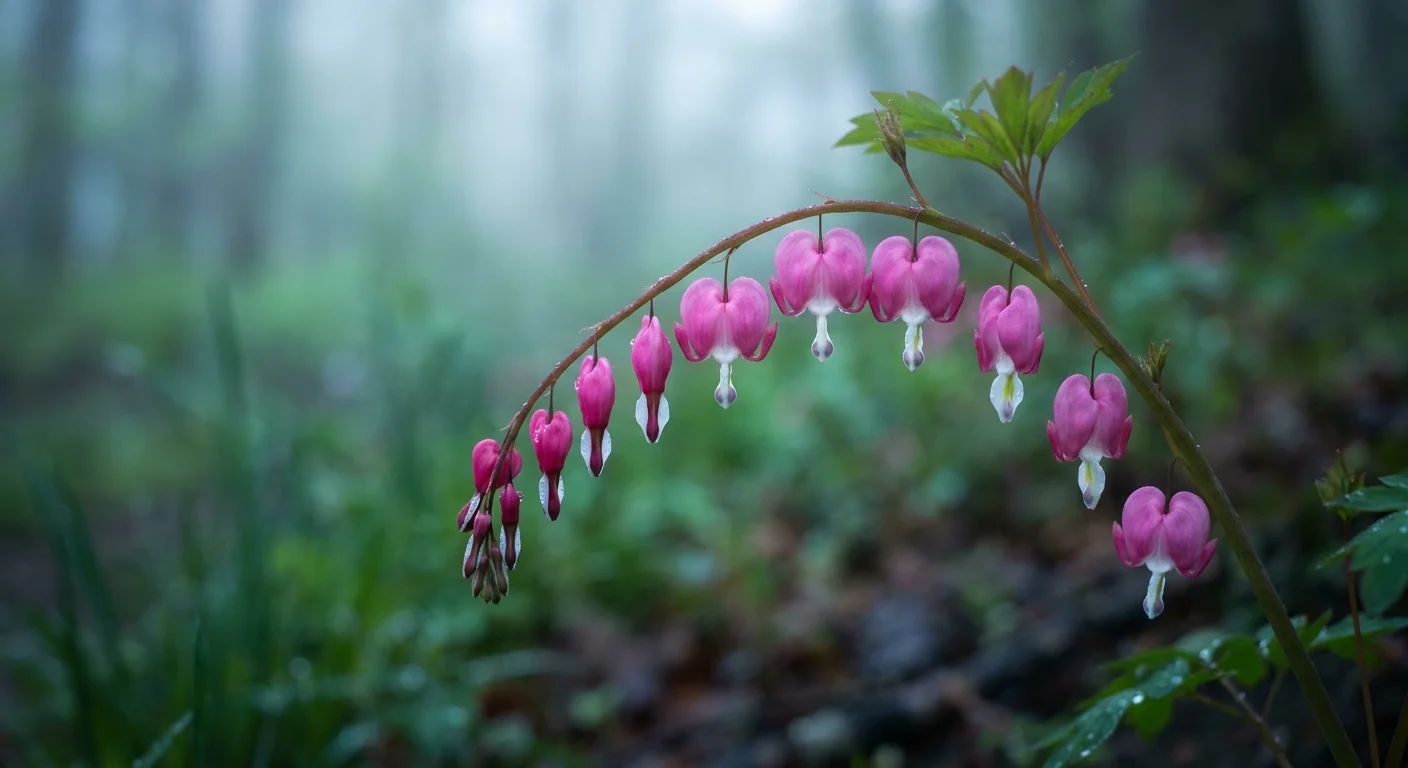
Few early-season plants capture attention quite like the classic Bleeding Heart, instantly recognizable by its elegant arching stems dripping with delicate, heart-shaped pink and white flowers. Do not let their fragile, romantic appearance fool you; these robust woodland perennials grow substantially larger and more striking with each passing spring. Thriving comfortably in the dappled shade of Zones 3 through 9, a mature Bleeding Heart easily spans three feet across, providing massive visual impact precisely when the rest of the garden is barely waking up from winter dormancy.
Because they originate in rich forest environments, you must provide soil packed with organic compost that retains moisture without becoming heavily waterlogged. Plan ahead for their natural life cycle, as they act as spring ephemerals. When the intense, baking heat of mid-summer finally arrives, the foliage turns yellow and the entire plant goes dormant, retreating completely underground to conserve energy. Plant broad-leafed companion perennials like hostas nearby to seamlessly fill the resulting physical space in July.
Outdoor Strategy #8: Switchgrass for Architectural Scale
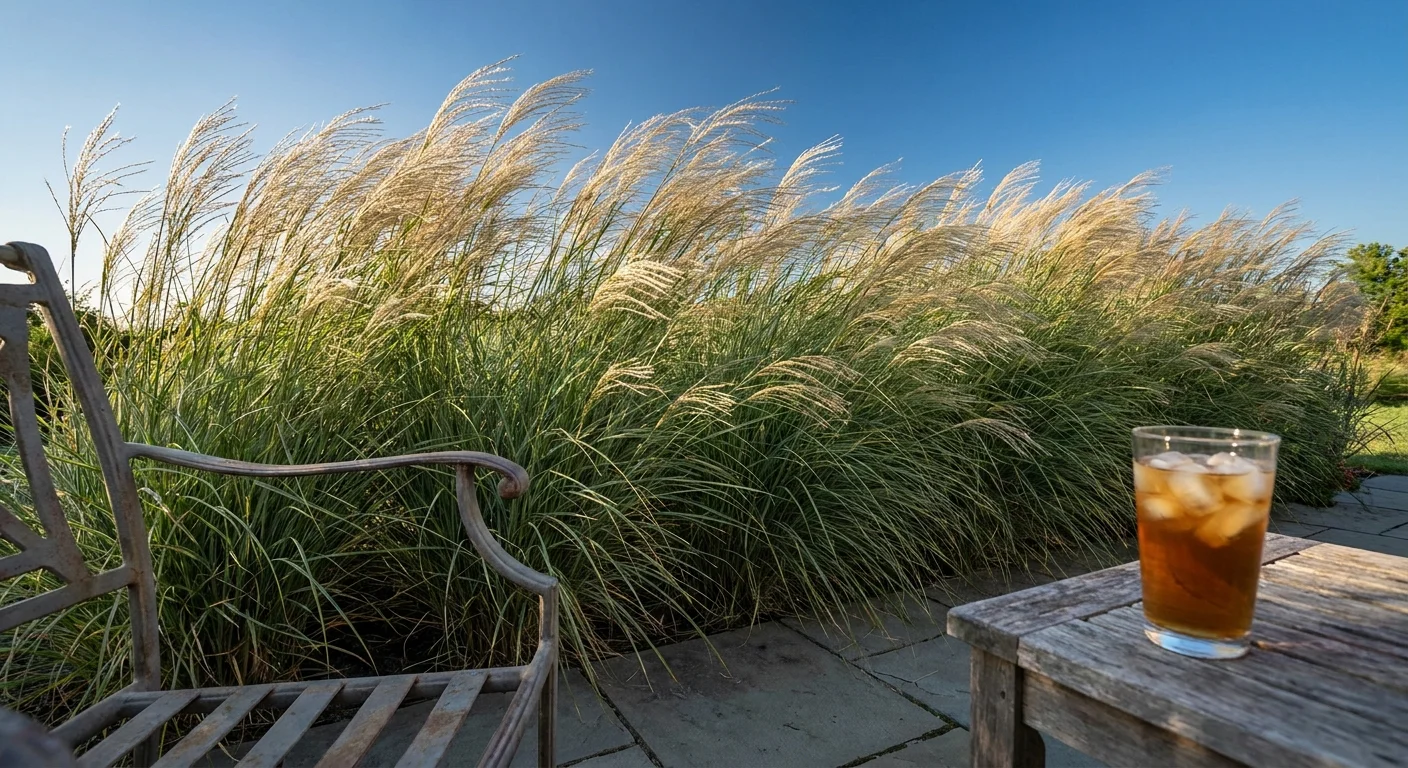
Ornamental grasses introduce crucial kinetic movement, fine texture, and towering height to flat, uninspired outdoor spaces. Switchgrass, particularly the North American native Panicum virgatum, stands out as an aggressive but strictly clumping grower that increases its basal circumference significantly each year without invading neighboring beds. By year four, a single small plant transforms into a dense, five-foot-tall column of swaying greenery that shifts to brilliant burgundy or golden hues in the autumn.
Hardy and reliable across Zones 3 through 9, switchgrass perfectly anchors the back row of large flower beds and serves as an excellent natural privacy screen along stark property lines. It establishes a dense, fibrous root network that effectively locks loose soil in place, completely preventing erosion on steep backyard slopes. Maintaining this massive plant requires exactly one simple chore per year: use sharp hedge clippers to cut the entire clump down to three inches above the ground in late winter, clearing the way for fresh green growth.

Seasonal Considerations for Your Garden
Proper timing dictates the long-term success and continuous expansion of your perennial borders. Treating your garden dynamically through the changing seasons encourages root systems to push deeper and foliage crowns to grow substantially wider.
In the spring, your primary focus must revolve around gentle cleanup and targeted division. Wait patiently until daytime temperatures consistently stay above fifty degrees Fahrenheit before removing dead leaves and hollow stems from the beds, as beneficial native insects overwrite inside the debris. Once you see fresh green shoots breaking the soil surface, immediately identify clumps that have grown entirely too large for their allotted space. Spring provides the safest window to dig up and divide early-blooming perennials, giving the newly separated sections an entire growing season to establish strong roots. Top-dress your freshly cleaned beds with a two-inch layer of rich compost to fuel the rapid vertical growth ahead.
During the scorching summer months, shift your strategy entirely to smart hydration and energy management. Water your flower beds deeply but infrequently. Aim to deliver one inch of water per week applied directly to the soil level, avoiding the leaves. Shallow, daily sprinkling forces plants to develop weak surface roots that dry out rapidly, whereas a deep, weekly soaking forces roots to dive deeply into the cool earth, drastically increasing the plant’s overall mass and drought resilience. Deadhead spent blooms promptly to stop the plant from wasting precious energy on seed production.
When crisp autumn weather arrives, resist the common urge to cut every plant down to the bare dirt. Leave sturdy coneflower stems and ornamental grasses intact to provide essential winter interest and crucial wildlife habitats. Apply a thick layer of shredded bark mulch directly over the root zones to insulate the expanding crowns from the destructive freeze-and-thaw cycles typical of harsh winters.
Dealing with Outdoor Pests and Weather
A thriving outdoor space inevitably attracts local wildlife and faces extreme weather patterns, but you can effortlessly manage these challenges without resorting to harsh synthetic chemicals or exhausting daily labor. Protecting your expanding perennials ensures they survive adversity to return even larger the following year.
Deer and rabbits pose the most immediate physical threat to lush backyard flowers, particularly targeting the tender, moisture-rich new growth on hostas and daylilies. To deter grazing mammals effectively, apply putrescent egg solid-based liquid repellents early in the spring, precisely when the very first shoots break ground. Training the local deer herd that your yard tastes terrible permanently prevents them from establishing a routine feeding pattern on your property. Alternatively, rely heavily on plants they naturally despise; the thick sap of bleeding hearts, the rough, fuzzy leaves of black-eyed Susans, and the sharp, unpalatable blades of ornamental grasses generally remain completely untouched by hungry foragers.
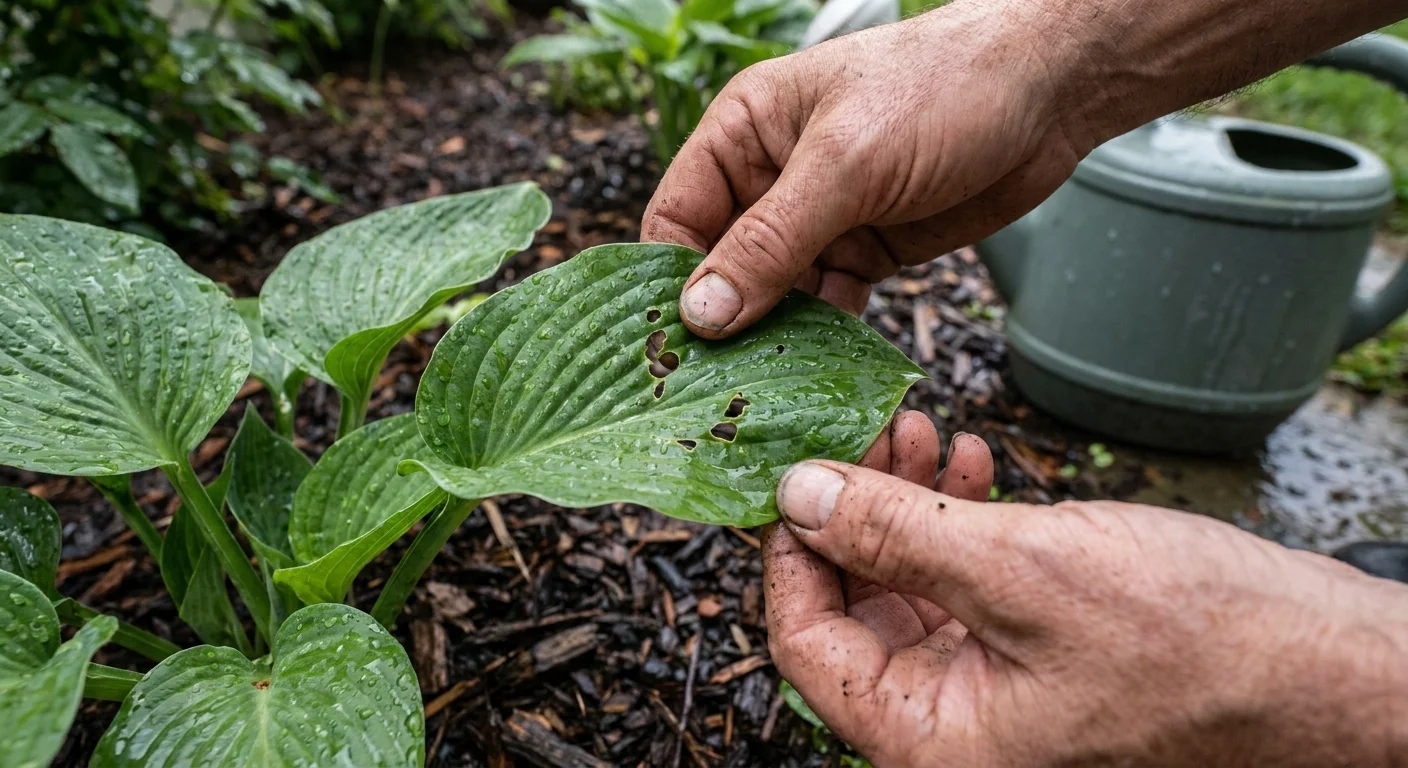
Insects naturally populate any healthy, balanced yard, but aggressive pests like aphids and Japanese beetles can quickly skeletonize green leaves and cripple a plant’s ability to photosynthesize. Inspect the undersides of your broad leaves weekly. A simple, highly pressurized blast of water from your garden hose easily dislodges soft-bodied aphid colonies. Knocking sluggish morning beetles into a small bucket of soapy water safely removes the destructive adults before they have an opportunity to breed in your soil.
Weather extremes demand proactive soil management. During extended summer droughts, an established perennial survives solely on the subsurface moisture trapped safely beneath its own foliage canopy. Maintaining a continuous three-inch layer of organic wood mulch lowers the soil temperature significantly and drastically reduces moisture evaporation. In the unfortunate event of an unexpected late spring frost, do not panic if the tips of your new hosta leaves turn black. The massive, mature root system buried safely underground holds plenty of reserve carbohydrate energy to push out a secondary flush of fresh foliage within just a few weeks.
Frequently Asked questions
How long does it take for perennial flowers to reach their full, mature size?
Experienced landscape designers rely on a common phrase to accurately describe perennial growth rates: “Sleep, creep, leap.” During the very first year in your garden, the plant focuses entirely on growing roots beneath the soil surface (sleeping). In the second year, you will notice modest foliage growth and a handful of flowers (creeping). By the third year, the root system finally achieves critical mass, and the plant suddenly explodes into its full, mature dimensions (leaping). Patience during the first two seasons guarantees massive visual rewards in year three.
How do I know when it is time to divide a perennial that has grown too large?
Watch closely for specific visual cues located in the absolute center of the plant. If an older perennial develops a “doughnut hole”—a dead, woody, or completely empty center surrounded by an outer ring of living green foliage—it desperately needs immediate division. Additionally, if you notice a significant, unexplainable reduction in the total number of blooms compared to previous years, or if the sheer width of the plant begins aggressively choking out its neighbors, you must divide the root ball the following spring to restore its vigor.
Are these fast-growing perennials appropriate for senior gardeners or those with limited mobility?
Absolutely. Selecting robust plants that naturally return larger each year represents the core foundational strategy of low maintenance gardening. Once established, these aggressive growers naturally outcompete and smother weeds, eliminating the painful need to kneel and pull unwanted growth constantly. Because they feature incredibly deep root systems, they drastically reduce the frequency of hand watering. If the eventual division process becomes too physically demanding, you easily hire local help just once every five years to split the heavy clumps, leaving you to enjoy the daily beauty with zero physical strain.
Will I need to purchase expensive fertilizers to support such massive annual growth?
No. In fact, applying heavy doses of synthetic nitrogen fertilizers often damages native and rugged perennials by encouraging fast, weak, floppy top growth entirely at the expense of sturdy, resilient root development. By leaving decaying organic matter in your beds and applying a single top-dressing of standard organic compost each spring, you provide a perfect, slow-release natural nutrient supply that fully sustains their increasing size year after year without burning the roots.
Check your USDA Plant Hardiness Zone at the USDA’s website. For lawn and garden care advice, consult your local University Extension program (listed here). Find native plant information from the National Wildlife Federation.
Disclaimer: This article provides general outdoor gardening advice. Success can vary greatly based on your specific climate, soil type, and local conditions. Always choose plants appropriate for your USDA Hardiness Zone.