Growing your own harvest brings immense satisfaction, but wrangling massive canopies and dragging heavy ladders across the lawn quickly drains the joy from backyard orcharding. You can cultivate a thriving, easy fruit garden by selecting dwarf varieties and naturally disease-resistant species tailored to your specific climate. Scaling down your planting strategy reduces physical strain while maximizing yields in compact spaces, making backyard fruit 60+ incredibly rewarding. You will enjoy crisp apples, sweet figs, and juicy citrus just steps from your back door without dedicating endless hours to pruning or spraying. These seven manageable options transform ordinary plots into highly productive sanctuaries that respect your time and energy.
Outdoor Strategy #1: Dwarf Columnar Apple Trees
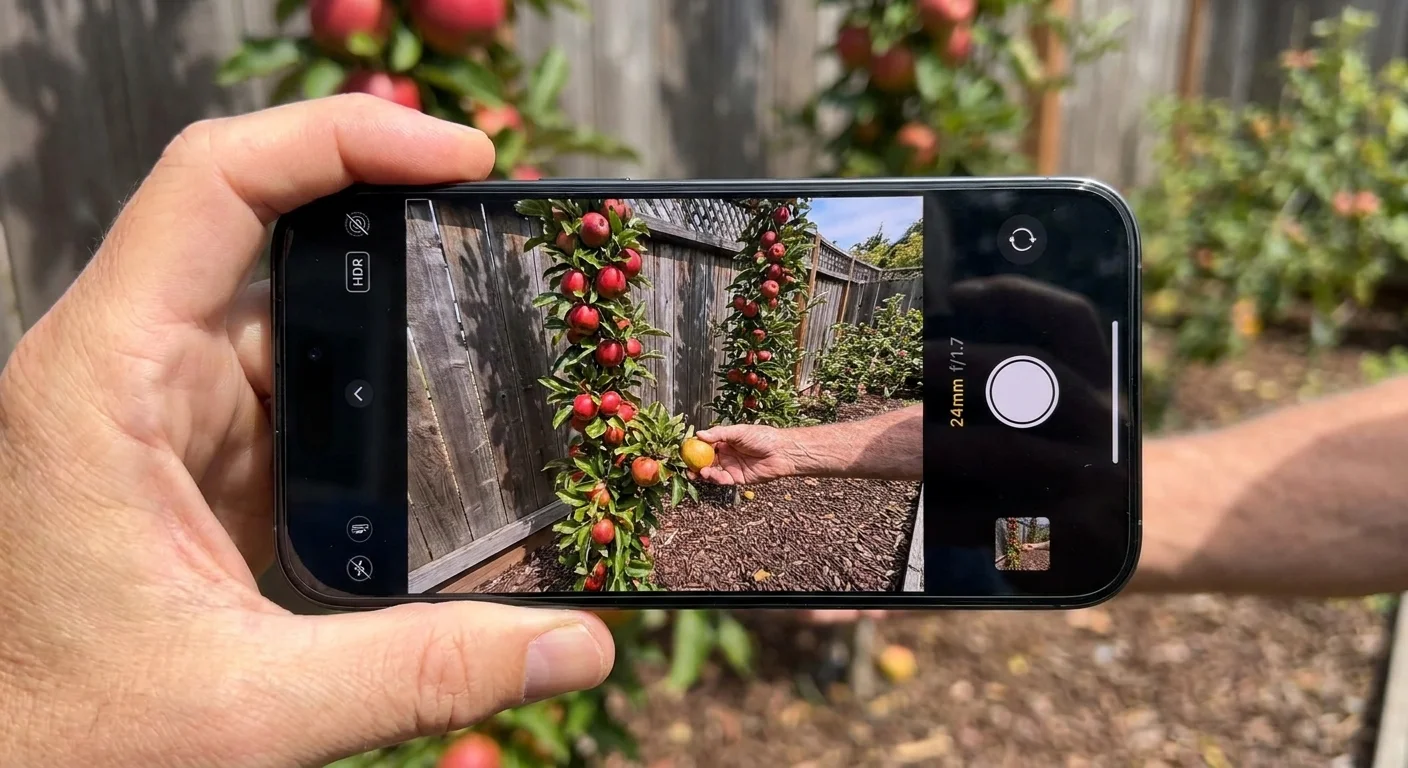
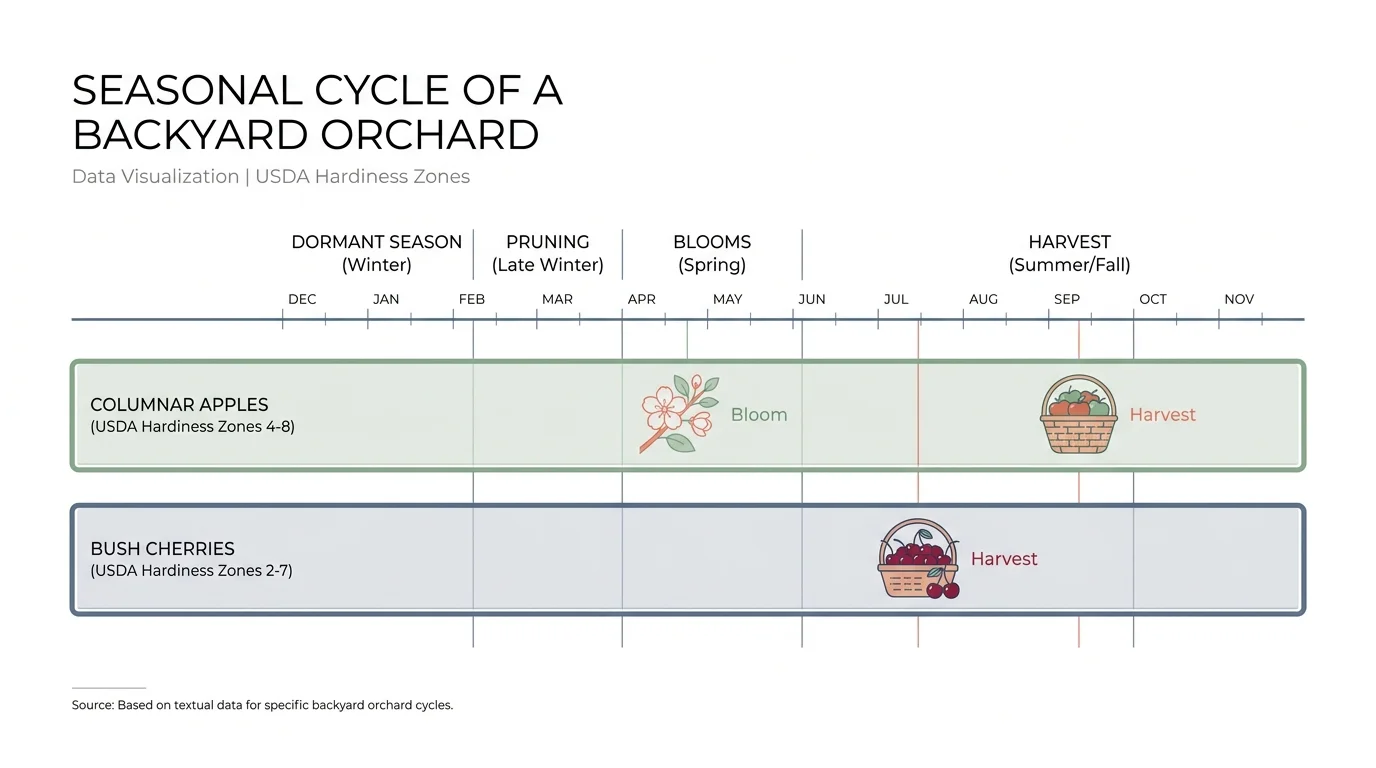
Columnar apples represent a revolution in backyard orcharding because they eliminate the sprawling footprint of traditional apple trees. They grow straight up—often remaining no wider than two feet across—and generally top out around 8 to 10 feet in height. This narrow, vertical growth habit removes the need for complex canopy management and precarious ladder work, keeping your feet planted safely on the ground. You can comfortably prune the branches and harvest the majority of the fruit without ever overextending your reach. Varieties like the ‘Urban Apple’ series or ‘Golden Sentinel’ produce full-sized, exceptionally crisp fruit on tight spurs located right along the main trunk.
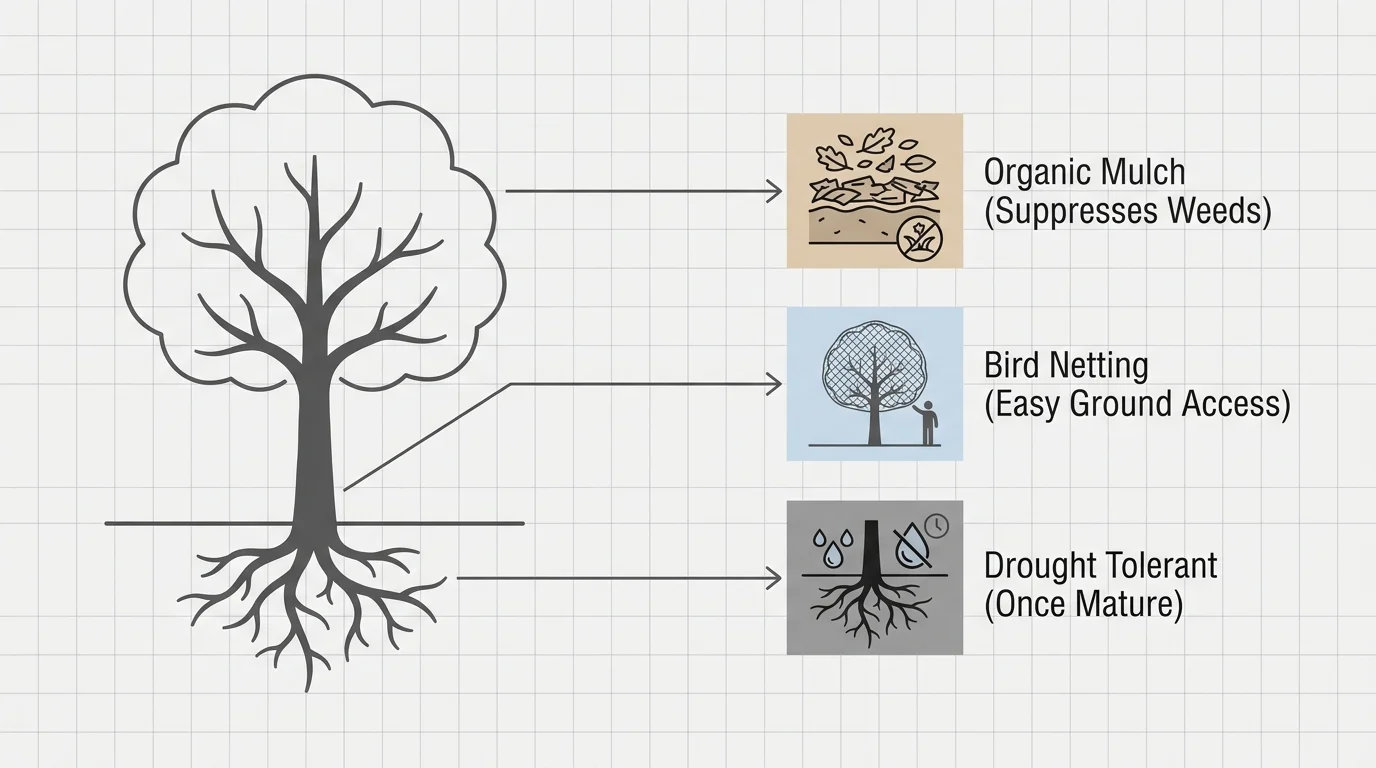
When selecting a planting site, look for well-draining soil that receives at least six to eight hours of direct sunlight daily. Because most columnar apples require cross-pollination to set a successful crop, you will need to plant two different varieties within 50 feet of each other. Cultivating these slender trees keeps maintenance firmly at ground level while delivering impressively heavy yields, making them ideal for small patios or narrow side yards. For those residing in USDA Hardiness Zones 4 through 8, columnar apples provide exceptional winter hardiness and reliable spring blooms. Applying a thick layer of organic mulch around the base of the trunk suppresses weeds and retains crucial soil moisture during the hot summer months, further reducing your weekly landscape chores.
Outdoor Strategy #2: Bush-Type Tart Cherries
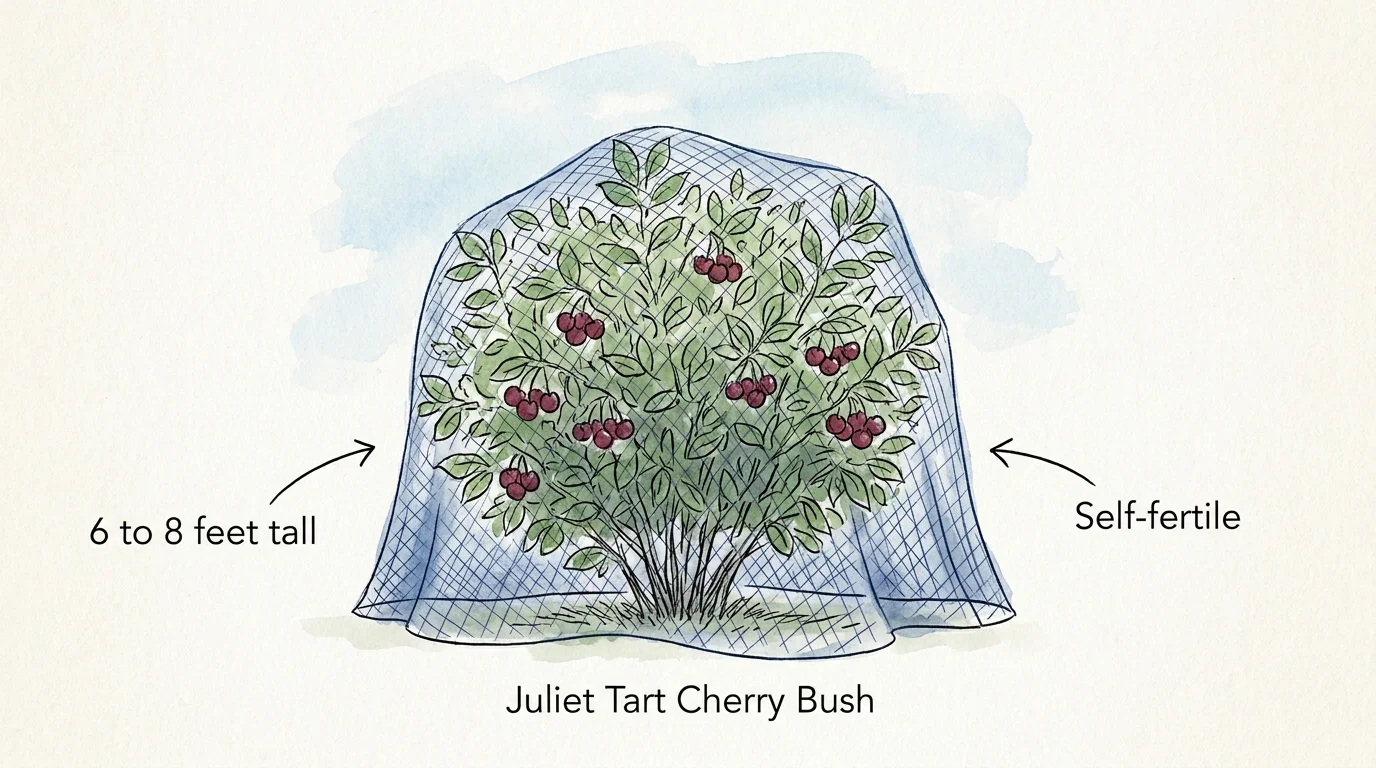
Traditional cherry trees reach towering heights that complicate netting and harvesting, but bush-type tart cherries dramatically change the equation for home gardeners. The Romance series of bush cherries—most notably the ‘Juliet’ and ‘Carmine Jewel’ varieties—grow naturally as compact shrubs rather than standard trees, usually maxing out at an approachable 6 to 8 feet tall. This shrub-like stature means you can easily toss a protective bird net over the entire plant from the ground and pick the deep red, antioxidant-rich fruit right at chest height.
These low maintenance fruit trees require very little pruning beyond removing dead or crossing branches in late winter before the spring buds break. They are also completely self-fertile; you only need to plant one bush to produce a bumper crop of cherries. Thriving in USDA Hardiness Zones 2 through 7, bush cherries are extraordinarily cold-hardy and rarely suffer from the late frost damage that often ruins sweet cherry harvests. The fruit possesses a complex, sweet-tart flavor profile perfectly suited for fresh eating, baking into pies, and preserving as jams. You should plant them in loamy, slightly acidic soil, ensuring they receive steady moisture during their first two years of root establishment. Once mature, their deep root systems make them remarkably drought-tolerant, sparing you from hauling heavy hoses out for supplemental watering.
Outdoor Strategy #3: Container-Grown Meyer Lemons
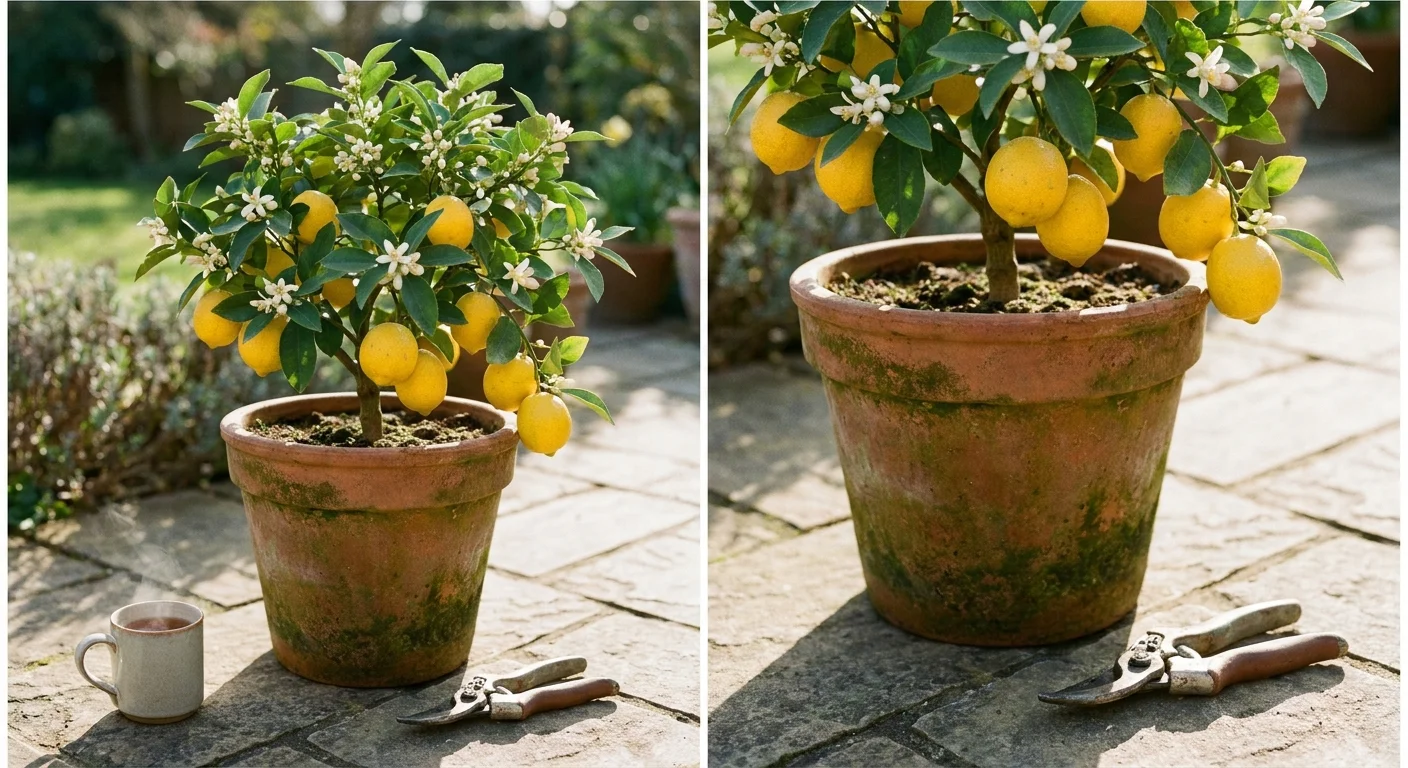
For a manageable way to grow own fruit elderly gardeners often turn to the Meyer lemon tree for its year-round visual appeal and incredible culinary value. A natural cross between a citron and a mandarin orange, Meyer lemons offer a thinner, smoother skin and sweeter juice than standard grocery store lemons. What makes them uniquely suited for your backyard garden is their perfect adaptability to container living. By planting your lemon tree in a large, lightweight resin pot equipped with a heavy-duty rolling caddy, you completely eliminate the physical strain of moving heavy plants around your patio.
This mobility allows you to roll the tree into the sunniest spot on your deck during the spring and summer, and effortlessly glide it indoors or into a bright sunroom when autumn frost threatens. For those outside the warm climates of USDA Zones 8 through 11, overwintering a potted citrus tree indoors is a simple and highly effective strategy. Meyer lemons are self-fertile and bloom intermittently throughout the entire year, filling your outdoor space—and later your living room—with an intoxicating, jasmine-like fragrance. To keep the tree vigorous and green, feed it with a specialized citrus fertilizer every few months and ensure your potting mix drains rapidly. Soggy roots quickly lead to leaf drop, so you must allow the top two inches of the soil to dry out completely before watering the pot again.
Outdoor Strategy #4: Fuyu Persimmons
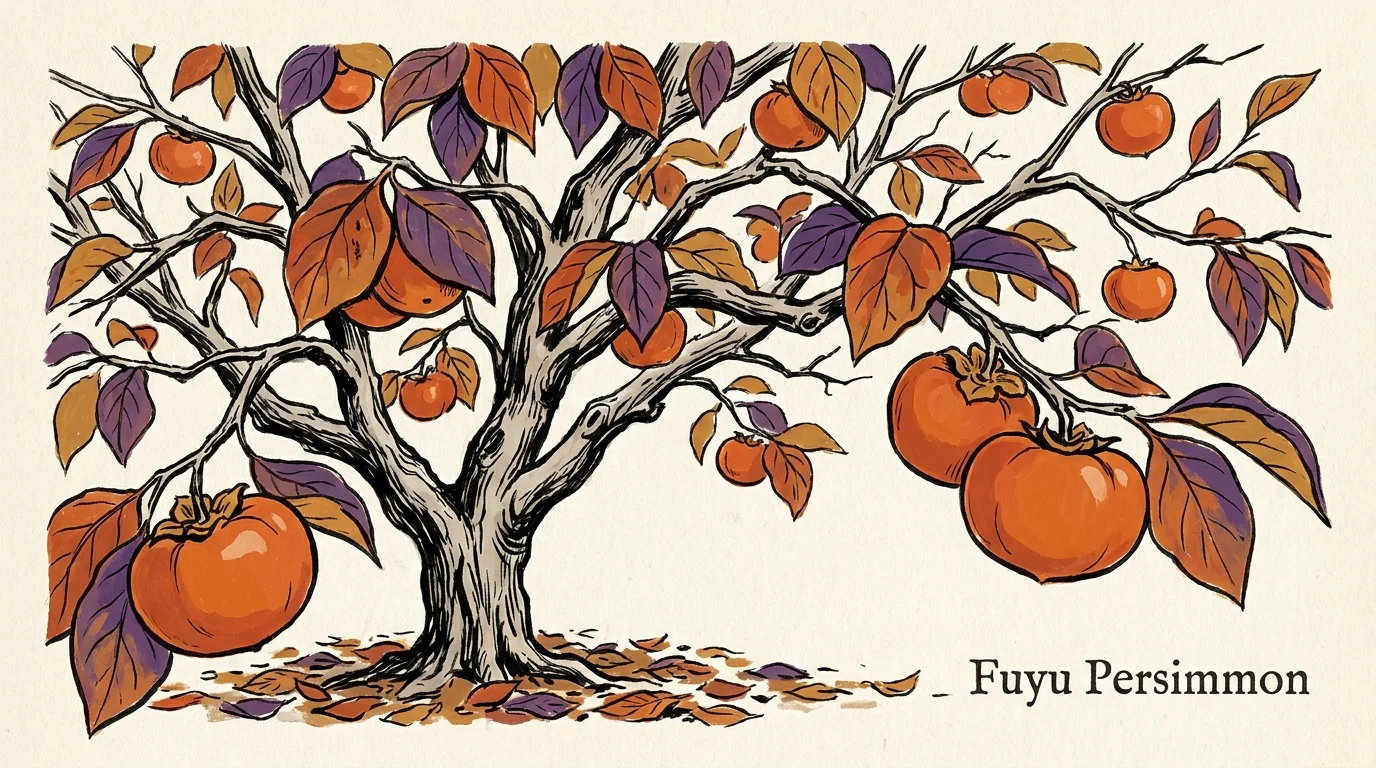
When evaluating fruit trees seniors can manage with absolute ease, the Fuyu persimmon deserves a prominent spot in the landscape. Unlike the astringent Hachiya variety, which must become completely soft and gelatinous before eating, Fuyu persimmons are non-astringent; you can enjoy them while they are still firm and crisp, slicing them exactly like an apple. These trees are celebrated for their virtually pest-free nature, meaning you will rarely, if ever, need to mix up insecticidal sprays or worry about complex disease management.
Persimmons naturally develop a beautiful, umbrella-like canopy that rarely exceeds 15 feet when lightly pruned, keeping the brilliant orange fruit within comfortable reach of an extended hand-picker. Furthermore, the autumn aesthetics of a Fuyu persimmon are unparalleled in the garden. As the leaves transition to striking shades of yellow, orange, and deep red before dropping, the bright fruit remains hanging on the bare branches, looking like decorative ornaments. Hardened for USDA Zones 7 through 10, persimmon trees adapt exceptionally well to a wide variety of soil types, though they perform their best in loamy, well-draining earth. They boast a deep, aggressive taproot, granting them excellent drought resistance once they establish themselves in your yard. You can harvest the fruit late in the fall, delightfully extending your fresh fruit season well past the typical summer berry and stone fruit harvests.
Outdoor Strategy #5: Brown Turkey Figs
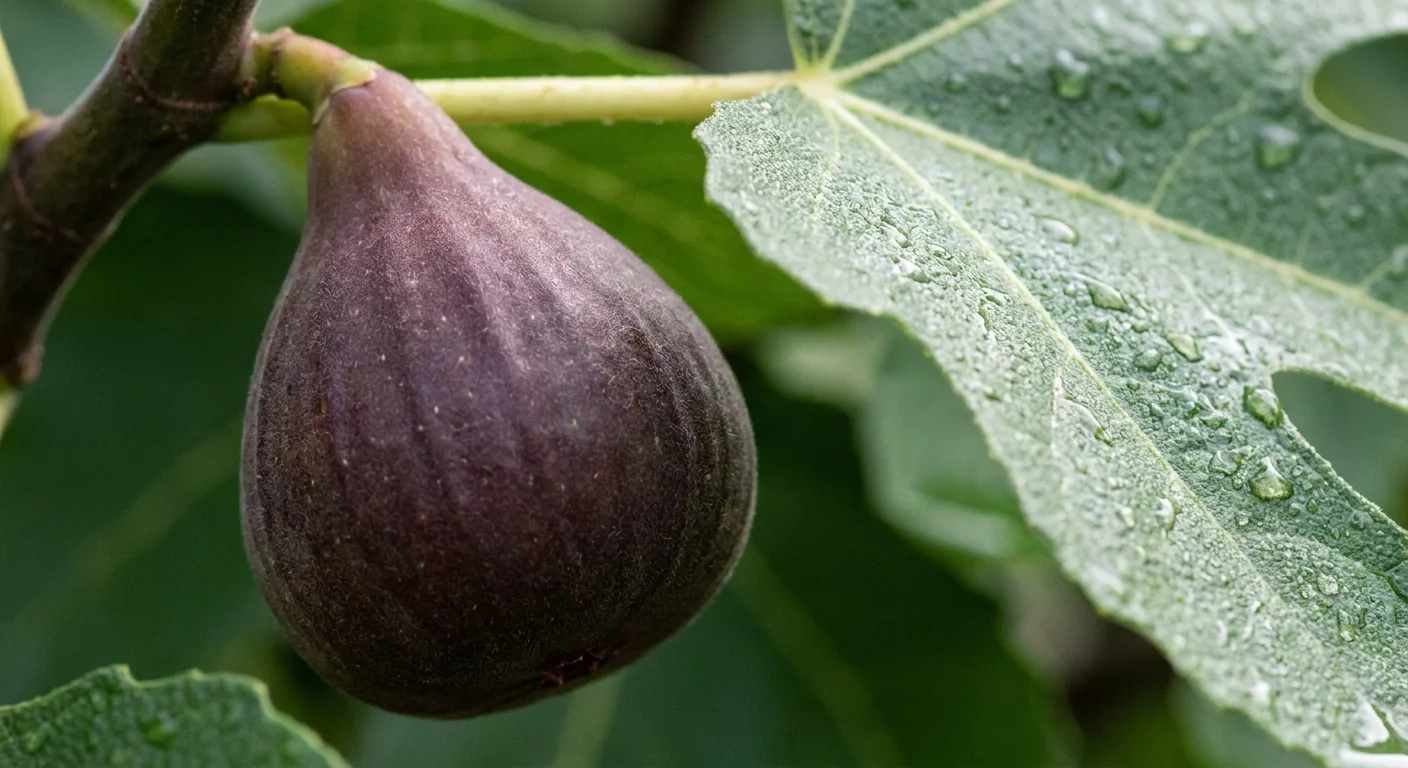
Fig trees offer an ancient, romantic aesthetic to the garden while demanding very little physical labor in return. The ‘Brown Turkey’ variety stands out as exceptionally reliable, producing sweet, rust-colored fruit featuring rich, jammy pink flesh. Figs are highly adaptable plants that can be aggressively pruned to maintain a compact, shrub-like form, keeping the entire harvest right at eye level. This aggressive pruning technique does not sacrifice your yield; in fact, figs produce their main crop of fruit on new wood that grows during the current season.
You simply cut the tree back in late winter to a height that feels manageable for you, and it will flush out with large, tropical-looking leaves and abundant fruit by mid-summer. Hardy in USDA Zones 7 through 10—and adaptable to Zone 6 if you provide a layer of winter protection—Brown Turkey figs thrive in intense summer heat. They handle poor, rocky soils significantly better than most other fruit-bearing species and require almost no supplemental fertilizer to produce a heavy crop. Your primary challenge simply involves harvesting the ripe fruit before local birds and squirrels notice them. The soft, sweet texture of a perfectly ripe fig plucked fresh from your own yard provides a culinary luxury that tough, store-bought fruit simply cannot match. Providing consistent water only while the fruit swells ensures plump, juicy figs.
Outdoor Strategy #6: Dwarf Everbearing Mulberries
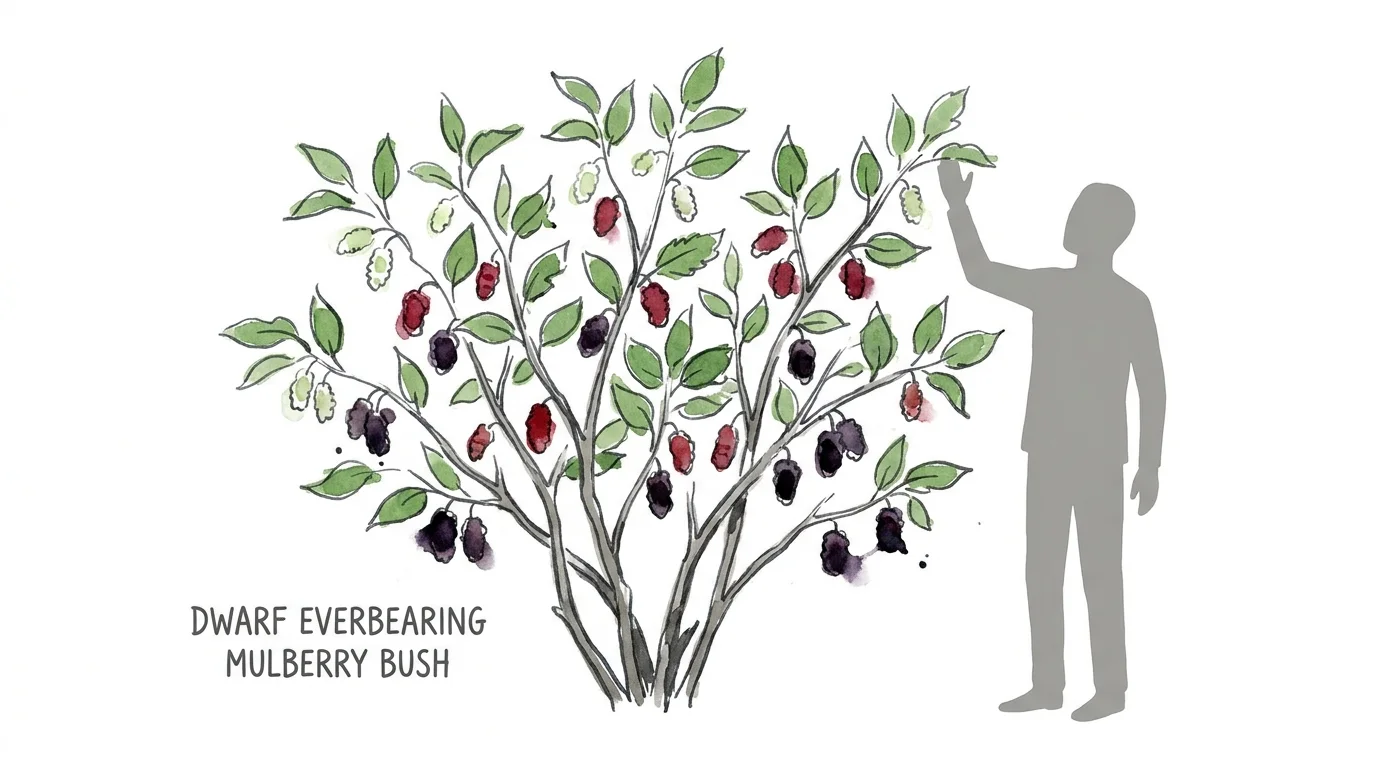
Standard mulberry trees are notorious for growing to massive, unmanageable sizes and dropping messy fruit all over sidewalks and driveways, but the ‘Dwarf Everbearing’ mulberry is a completely different plant designed perfectly for a low-maintenance backyard setting. This specific variety functions much more like a large bush than a soaring canopy tree, growing to a very manageable 6 to 8 feet in height. You can easily trim it with a pair of loppers to whatever specific size suits your landscape design and your physical reach.
True to its descriptive name, it continuously produces wave after wave of sweet, blackberry-like fruit from late spring stretching all the way through early fall. You simply step outside and pluck the berries as they turn dark purple and nearly black. Thriving across a massive range of climates in USDA Zones 5 through 10, dwarf mulberries are incredibly forgiving plants. They tolerate poor soil conditions, require absolutely zero chill hours to set fruit, and bounce back vigorously even if you prune them heavily. Because they fruit so prolifically over a long, extended period rather than ripening all at once, you avoid the overwhelming rush of a massive harvest window that demands immediate processing or canning. Instead, you enjoy a daily handful of sweet mulberries for your morning yogurt or cereal.
Outdoor Strategy #7: Native Pawpaw Trees
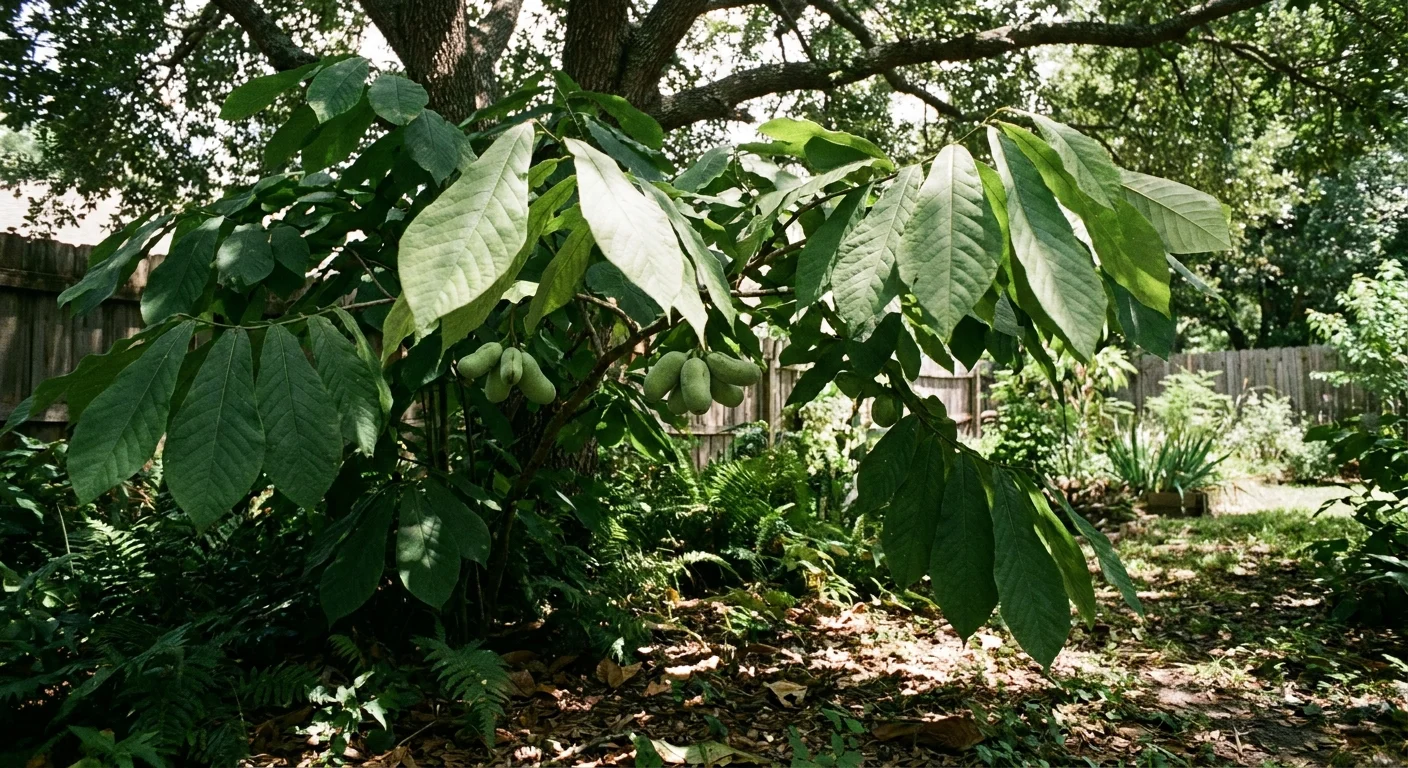
For a truly unique and virtually maintenance-free addition to your yard, you should consider planting native American pawpaw trees. Holding the title as the largest edible fruit native to North America, the pawpaw yields a creamy fruit that tastes like a tropical blend of banana, mango, and melon, yet the tree thrives beautifully in temperate climates across USDA Zones 5 through 9. Pawpaws naturally grow as small understory trees, typically reaching just 15 to 20 feet, making them an excellent choice for yard locations that receive dappled shade rather than blistering sun all day long.
They feature large, drooping green leaves that instantly provide a lush, tropical feel to your outdoor landscape. One of the greatest advantages for mature gardeners is the pawpaw tree’s incredible natural resistance to local pests and diseases; the leaves and bark contain natural compounds that aggressively repel deer and most insects, entirely eliminating the need for chemical sprays or complicated netting structures. You will need to plant at least two different cultivated varieties—such as ‘Shenandoah’ and ‘Susquehanna’—to ensure proper cross-pollination. The trees require moist, organically rich soil, particularly during their first few years of growth. In late summer to early fall, the heavy, green fruits naturally fall to the soft ground when they are perfectly ripe, requiring zero ladder climbing to reap the delicious harvest.
Seasonal Considerations for Your Garden
Maintaining a backyard orchard requires adjusting your care routine as the seasons change, but careful planning dramatically minimizes the physical toll on your body. Spring demands your attention primarily for soil preparation and structural pruning. Before the new buds break open, walk through your yard to inspect your trees, using sharp bypass pruners to remove any dead, diseased, or crossing branches; keeping the inner canopy open ensures excellent airflow and sunlight penetration, which naturally prevents fungal issues from taking hold. As the soil warms up in late spring, applying a slow-release, organic fruit tree fertilizer around the drip line provides the necessary nutrients for the upcoming growing season.
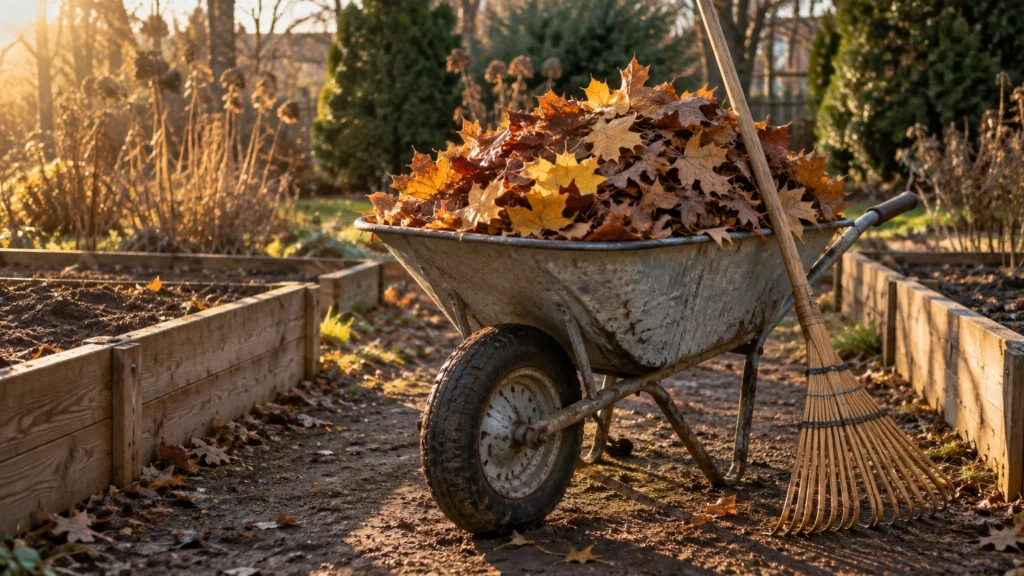
When the intense heat of summer arrives, your focus must shift toward hydration and yield management. Newly planted trees require deep, infrequent watering to encourage strong, drought-resistant root systems. Utilizing drip irrigation lines equipped with inexpensive automated timers entirely removes the physical burden of dragging heavy hoses across the lawn every afternoon. Fall centers on the satisfying harvest and preparing your garden for winter dormancy. Rake up and dispose of fallen leaves and dropped, rotting fruit; leaving debris on the ground invites overwintering pests and fungal spores to attack next year. Finally, winter brings a well-deserved rest. This is the optimal time to apply a dormant horticultural oil spray on clear, mild days to safely smother insect eggs hidden deep within the bark crevices.
Dealing with Outdoor Pests and Weather
Even the most resilient landscape plants face environmental challenges, but utilizing smart, proactive strategies keeps hungry pests and extreme weather from ruining your harvest. Managing local wildlife often presents the biggest hurdle. Birds possess a keen eye for ripening cherries, figs, and berries. Rather than battling them daily, you can install flexible PVC hoops over your bush cherries and simply drape lightweight, UV-resistant bird netting over the frames; this temporary structure is incredibly easy to set up and saves you from the frustrating task of untangling nets from thorny branches. If deer frequently visit your property, placing individual wire cages around young saplings prevents them from nibbling the tender new growth and violently rubbing their antlers against the fragile bark.
Insect management does not require exposing yourself to harsh chemicals. You can control common soft-bodied pests like aphids, scale, and spider mites by spraying a targeted, forceful stream of water from the hose or applying organic neem oil early in the morning before the sun gets too hot. Encouraging beneficial insects, such as ladybugs and green lacewings, by planting native companion flowers nearby establishes a natural predatory balance in your garden ecosystem. Extreme weather also demands minor preparation. Keep lightweight frost blankets handy to drape over smaller trees and blooming bushes when overnight spring temperatures threaten to dip below freezing. During prolonged summer droughts, maintaining a three-inch layer of hardwood mulch around the drip line drastically cools the baking soil and locks in crucial moisture.
Frequently Asked questions
Can I grow fruit trees if I have a very small yard or live in a townhome?
Absolutely. By deliberately selecting dwarf rootstocks, columnar varieties, or container-friendly species like the Meyer lemon and dwarf mulberry, you can maximize your fresh harvest in remarkably tight spaces. Many dwarf varieties thrive perfectly well in large decorative pots placed on patios, provided they receive adequate direct sunlight and consistent, deep watering throughout the summer.
What is the absolute lowest maintenance fruit tree for a beginner?
The native pawpaw and the Fuyu persimmon tie for this specific title. Both of these trees boast incredible natural resistance to common backyard pests and regional diseases, require very little structural pruning to maintain their shape, and generally do not demand a rigorous spraying or fertilizing schedule, making them entirely hassle-free additions to the landscape.
How can I manage watering without hauling heavy hoses around the yard?
Installing a simple, inexpensive drip irrigation system or running a soaker hose connected to a battery-operated water timer at the spigot is an absolute game-changer. These passive systems deliver water directly to the root zone slowly and efficiently, preventing wasteful runoff and entirely removing the physical labor from your weekly watering chores.
Are bare-root trees better than potted trees if I am on a fixed budget?
Bare-root trees offer excellent financial value. They are significantly cheaper than heavy, soil-filled potted trees, much easier to handle and plant due to their light weight, and often establish themselves much faster because their root systems are not constrained in circles by a plastic nursery pot. You just need to remember to purchase and plant bare-root trees during their dormant season in late winter or early spring.
Check your USDA Plant Hardiness Zone at the USDA’s website. For lawn and garden care advice, consult your local University Extension program (listed here). Find native plant information from the National Wildlife Federation.
Disclaimer: This article provides general outdoor gardening advice. Success can vary greatly based on your specific climate, soil type, and local conditions. Always choose plants appropriate for your USDA Hardiness Zone.