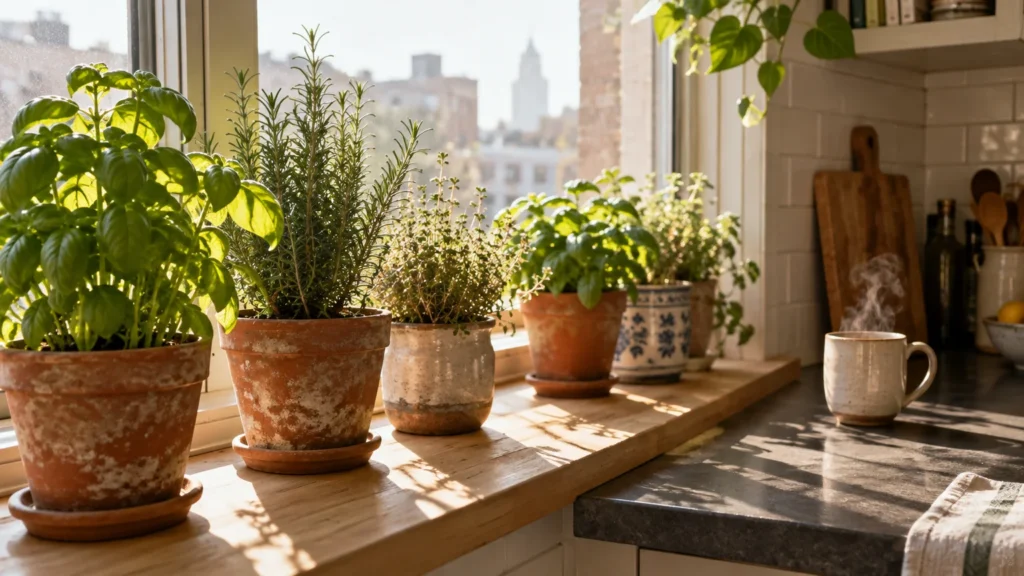
Growing fresh herbs indoors provides immediate culinary rewards and extends your gardening season year-round without the physical strain of heavy yard work. By cultivating a windowsill herb garden, you bring the vibrant flavors and calming aromas of the outdoors directly into your kitchen. This approach allows seniors to enjoy the therapeutic benefits of tending plants while avoiding harsh weather and difficult terrain. You can easily manage moisture levels, monitor for pests, and harvest fresh leaves right at counter height. Whether you want to spice up your evening meals or simply enjoy lush greenery, these nine selections offer the perfect blend of easy maintenance and abundant yields.
Outdoor Strategy #1: Cultivating Sweet Basil
Sweet basil thrives on heat and abundant sunlight; it demands warm soil and regular moisture to produce its highly aromatic, tender leaves. In an outdoor landscape, you must wait until all danger of frost passes before planting basil in your garden beds. By bringing this plant indoors, your south-facing window serves as a protective microclimate that captures solar radiation. This allows the plant to flourish even when outdoor temperatures fluctuate wildly. When evaluating how well these herbs grow, kitchen seniors often appreciate basil for its sheer reliability. You control the environment perfectly. To replicate the rich, well-draining loam it prefers outdoors, use a high-quality potting mix enriched with organic compost. Water the basil only when the top inch of soil feels dry to the touch, mimicking the deep, infrequent watering strategy used in traditional yard care. Harvesting requires minimal physical effort; simply pinch off the top leaves with your fingers to encourage lateral branching and bushier growth.
Outdoor Strategy #2: Confining Vigorous Peppermint
Peppermint acts as a notoriously aggressive spreader in outdoor landscapes. When planted directly in the ground, it utilizes rapidly expanding underground rhizomes to overtake adjacent flower beds. It can quickly choke out delicate native plants, requiring heavy physical labor to eradicate. Growing mint in a windowsill herb garden solves this landscape design problem entirely. You contain its aggressive root system within a simple terracotta pot while still enjoying unrestricted access to its fragrant leaves. Peppermint requires minimal specialized care, adapting incredibly well to the indirect sunlight found in east-facing or west-facing windows. The controlled indoor environment allows you to monitor its moisture needs closely. It prefers consistently damp soil, similar to the low-lying, moist areas it naturally colonizes outdoors. For older adults, this containment strategy completely eliminates the back-breaking work of pulling stubborn runners out of the yard.

Outdoor Strategy #3: Harvesting Resilient Chives
Chives stand out as one of the most reliable and cold-hardy perennials you can include in your landscape planning. In the outdoor garden, their grass-like foliage provides vertical interest, while their purple summer blooms attract beneficial pollinators like bees and butterflies. For an indoor setup, chives offer exceptional versatility and demand very little physical maintenance. If you already have an established clump in your yard, you can easily dig up a small section in the fall, divide the underlying bulbs, and pot them up for your kitchen counter. This simple division technique rejuvenates the parent plant outside while providing you with fresh garnishes inside. Chives prefer cool to moderate temperatures and bright light, remaining exceptionally forgiving if you accidentally miss a watering session. Utilizing a standard pair of kitchen scissors, you can quickly harvest the hollow stems down to about two inches above the soil line.

Outdoor Strategy #4: Cultivating Drought-Tolerant Thyme
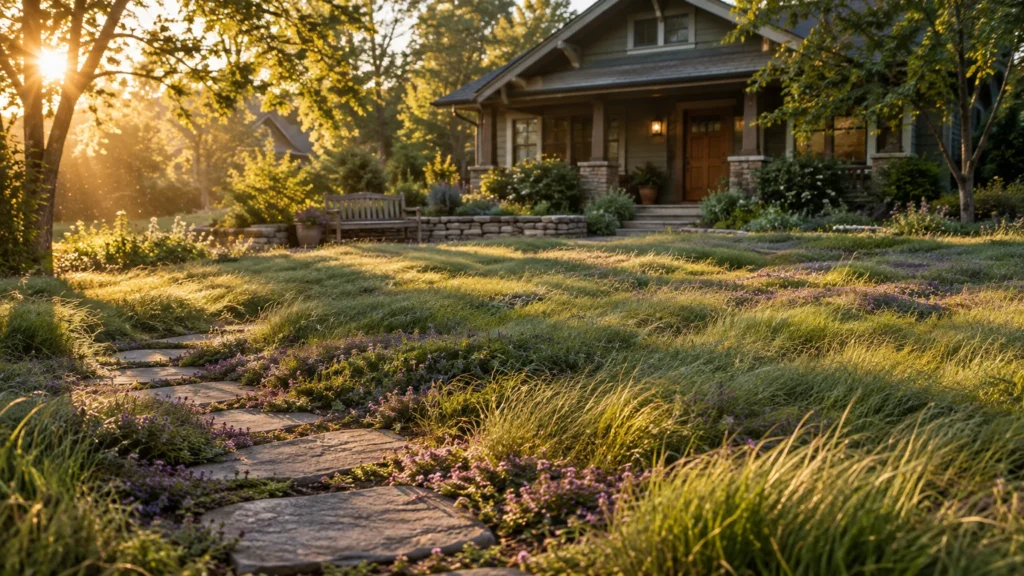
Thyme originates from the rocky, arid landscapes of the Mediterranean region, where it functions beautifully as a low-growing, drought-tolerant ground cover. In a traditional yard setting, landscape designers frequently use creeping thyme between stepping stones or along retaining walls because it requires minimal water and thrives in nutrient-poor, sandy soil. You can apply these exact horticultural principles to your indoor pots. Thyme demands excellent drainage; sitting in waterlogged soil will rapidly lead to fatal root rot. To ensure success, blend standard potting soil with a generous amount of perlite or coarse builder’s sand to accurately mimic its native terrain. Position your pot in the sunniest window available to encourage the development of the essential oils that give thyme its potent, earthy flavor. Because of its remarkably low moisture requirements, thyme stands out as a top choice for easy herbs indoor care routines.

Outdoor Strategy #5: Overwintering Aromatic Rosemary
Rosemary operates as a robust, woody shrub in warm climates, often serving as an evergreen hedge or a structural focal point in outdoor landscape design. However, in cooler regions, rosemary struggles to survive freezing winter temperatures. Moving your rosemary indoors to a bright, sunny ledge represents a classic overwintering strategy that protects your investment and ensures year-round access to its pine-scented needles. This plant requires a delicate balance of moisture; it needs proper hydration but absolutely despises having saturated roots. Providing a highly aerated soil mixture and a pot with large drainage holes perfectly replicates the sloping, well-drained hillsides of its natural habitat. Additionally, indoor environments often suffer from low humidity during the winter months. You can recreate the coastal breezes rosemary loves by resting the pot on a shallow tray filled with pebbles and a small amount of water.

Outdoor Strategy #6: Managing Temperature-Sensitive Cilantro
Cilantro presents a unique challenge in the outdoor garden due to its extreme sensitivity to heat. When summer temperatures climb, outdoor cilantro rapidly bolts, shifting its energy from producing flavorful leaves to developing flowers and bitter coriander seeds. By integrating cilantro into your indoor space, you gain complete control over the ambient temperature, effectively extending the plant’s productive vegetative phase. Placing the pot in a cool, bright location prevents the intense heat stress that triggers bolting in the yard. Cilantro develops a long, delicate taproot, so you must select a deep, narrow container rather than a shallow dish. Because it does not transplant well from the yard, sowing seeds directly into your chosen indoor pot yields the highest success rate. This highly regulated microclimate perfectly aligns with kitchen garden tips 60+ readers appreciate, guaranteeing a steady, reliable supply of fresh foliage.
Outdoor Strategy #7: Showcasing Trailing Oregano
In expansive outdoor settings, oregano serves as an aggressive, sprawling perennial that cascades beautifully over rock walls and fills empty garden borders with dense, aromatic foliage. You can strategically harness this trailing growth habit to create a visually striking feature right in your kitchen. By elevating the pot on a small stand or using a hanging basket near a bright window, you allow the stems to spill gracefully over the edges, replicating its natural tumbling behavior. Oregano requires plenty of direct sunlight to develop the concentrated phenols that provide its signature robust, peppery flavor. It prefers the soil to dry out completely between thorough watering sessions, making it highly resilient to occasional neglect. Regular harvesting actually improves the plant’s long-term health; snipping the stems encourages fresh, tender growth and prevents the lower sections from becoming unpleasantly woody and tough.

Outdoor Strategy #8: Growing Deep-Rooted Parsley
Parsley functions as a biennial plant in the outdoor landscape, meaning it completes its natural life cycle over two full years. Gardeners often plant it along outdoor borders not just for culinary use, but because its rich, textured green foliage provides a dense contrast to brightly colored flowering perennials. When adapting parsley for an indoor environment, you must account for its surprisingly substantial root system. Much like cilantro, parsley develops a long taproot that requires a deep container to thrive. Providing a pot that is at least eight to ten inches deep ensures the roots have adequate space to plunge downward, mirroring the unrestricted growth they would experience in a raised garden bed. Rich in essential vitamins, this versatile plant provides fresh herbs elderly individuals can easily incorporate into daily meals, adding a vibrant, clean finish to hearty soups and grain salads.

Outdoor Strategy #9: Cultivating Evergreen Sage
Sage commands attention in the outdoor garden with its striking, soft silver-green leaves and stunning purple summer flowers. It acts as a resilient, drought-resistant sub-shrub that provides essential winter structure in mild climates. Bringing sage indoors allows you to enjoy its velvety texture and earthy, slightly astringent aroma regardless of the harsh snow or frost outside. To successfully cultivate sage on a windowsill, you must carefully mimic its preferred outdoor conditions: intense, direct sunlight and exceptional air circulation. Crowding sage among too many other pots can trap ambient moisture against its fuzzy leaves, inevitably leading to powdery mildew. Ensure you space your containers appropriately to allow air to flow freely around the foliage. Sage roots exceptionally well from stem cuttings, meaning you can take a small clipping from a healthy outdoor plant in late summer to establish your indoor winter supply effortlessly.

Seasonal Considerations for Your Garden
Successful horticulture requires aligning your care routines with the changing seasons, even when you manage your plants primarily indoors. In the spring, as daylight hours noticeably lengthen, your potted plants will naturally exit their winter dormancy and produce a flush of rapid, vigorous growth. This marks the ideal time to apply a gentle, half-strength organic liquid fertilizer to support the new foliage. If you plan to move any pots outside to a patio or balcony for the summer, you must practice hardening off. Gradually expose them to outdoor sun and wind over a period of seven to ten days to prevent severe transplant shock and irreversible sunburn.
During the peak of summer, intense solar radiation magnifying through window glass can scorch delicate leaves. You may need to draw a sheer curtain during the hottest afternoon hours or temporarily relocate sensitive pots to a slightly shadier spot. In the fall, before the first major frost hits your region, take cuttings from your outdoor yard to root inside, ensuring your kitchen remains highly productive. Winter brings the unique challenge of dry, heated indoor air and significantly shorter days. Keep plants safely away from cold drafts near poorly insulated glass and avoid overwatering.

Dealing with Outdoor Pests and Weather
Even securely placed on a counter, your indoor greens remain surprisingly susceptible to environmental challenges and pests that often originate from the yard outside. When you open windows to let in a warm summer breeze or bring in plants that spent the season on the patio, opportunistic insects frequently hitch a ride. Spider mites thrive in the hot, dry air typical of winter heating systems; they present as tiny, moving dots accompanied by fine webbing underneath the leaves. Aphids cluster around tender new stem growth and relentlessly drain the plant’s vital sap.
You can effectively manage these infestations without resorting to harsh chemical pesticides. A simple, firm blast of water in the kitchen sink dislodges most aphids, while regularly misting your plants increases local humidity and strongly discourages spider mites. For persistent issues, a careful application of insecticidal soap or cold-pressed neem oil provides a safe, organic solution. Weather extremes also dictate your indoor care routine. During periods of heavy outdoor rain and high ambient humidity, the soil in your pots will evaporate moisture much slower; adjust your watering schedule accordingly to prevent fungal root diseases. Conversely, during a dry, freezing winter, central heating rapidly dehydrates both the foliage and the root zone.
Frequently Asked questions
How often should I water my indoor containers compared to outdoor beds?
Watering frequency depends heavily on the specific plant, the size of the container, and the ambient room temperature. Unlike outdoor garden beds that benefit from deep groundwater reserves and occasional rainfall, potted plants rely entirely on your intervention. As a general rule, push your index finger about an inch into the soil. If it feels completely dry to the touch, apply water until it drains out the bottom. Mediterranean natives require less frequent watering, while thirsty plants need much more consistent moisture.
Do I need special soil for windowsill pots compared to outdoor yard beds?
Yes. Never use heavy topsoil dug directly from your outdoor garden beds. Outdoor soil compacts tightly inside a container, severely restricting necessary oxygen flow to the roots and preventing proper water drainage. Always use a high-quality, commercial potting mix designed specifically for containers. These blends typically contain peat moss, coconut coir, perlite, and vermiculite to ensure the soil remains consistently light, airy, and well-drained.
Can I transfer my indoor plants to the outdoor garden in the spring?
Absolutely. Moving your established plants outside represents a fantastic way to accelerate your landscape’s spring growth. However, you must acclimate them gradually to the harsher outdoor conditions. Start by placing the pots in a shaded, wind-protected area for just a few hours a day. Slowly increase their direct exposure to sunlight and wind over a full week to prevent cellular damage.
Check your USDA Plant Hardiness Zone at the USDA’s website. For lawn and garden care advice, consult your local University Extension program (listed here). Find native plant information from the National Wildlife Federation.
Disclaimer: This article provides general outdoor gardening advice. Success can vary greatly based on your specific climate, soil type, and local conditions. Always choose plants appropriate for your USDA Hardiness Zone.