Introduction: Transforming Your Yard with These Ideas
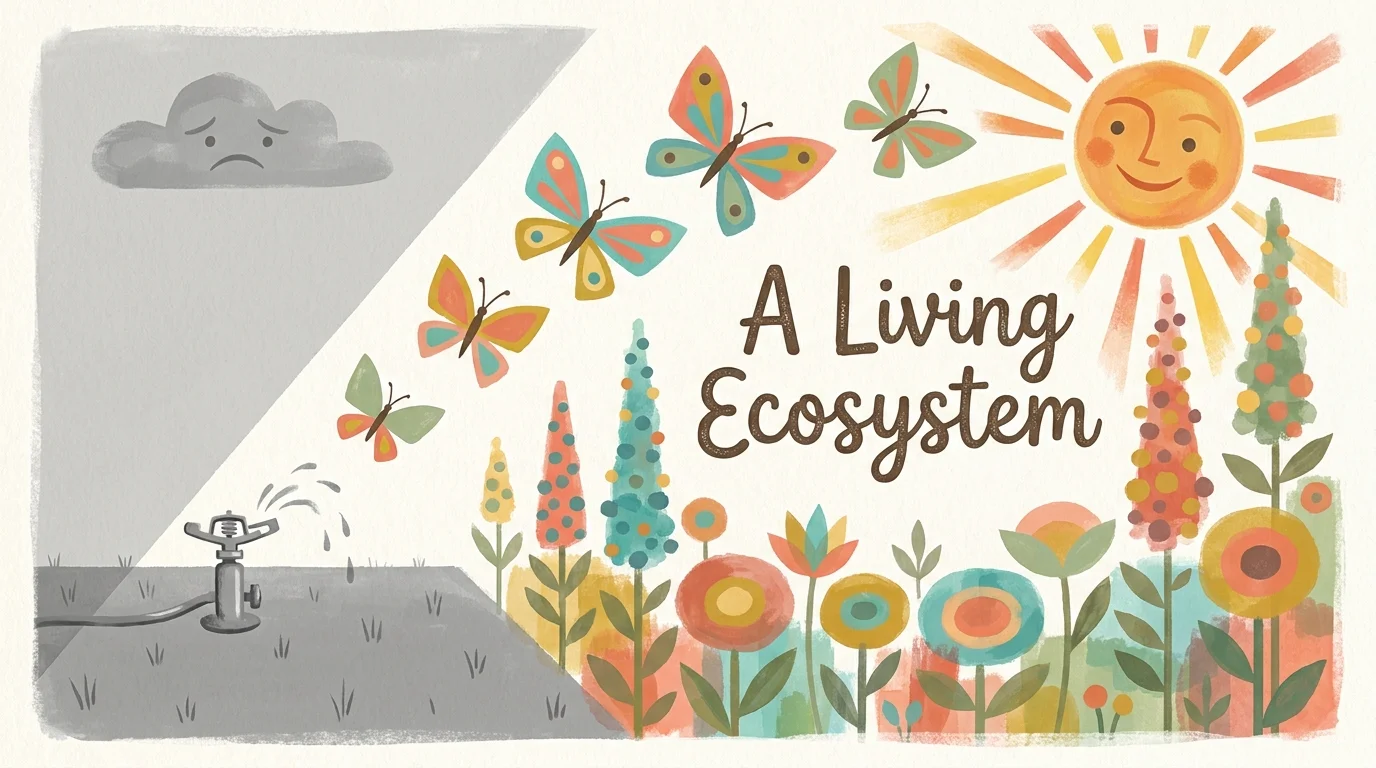
Your outdoor space holds immense potential to become more than just a patch of grass. By intentionally selecting the right plants, you can transform an ordinary yard into a vibrant, living ecosystem that brings constant motion and vivid color right to your back door. Cultivating a colorful garden provides a profound sense of satisfaction; it connects you to the local environment and supports crucial wildlife populations. If you want to attract butterflies, you need to think strategically about flower shape, bloom time, and the specific needs of these delicate insects.
Butterflies require two main things to thrive in your yard: nectar-rich flowers to feed adult butterflies and specific host plants to nourish their caterpillars. When you provide both, you create a complete lifecycle habitat rather than a mere rest stop. Designing an accessible, low-maintenance flowering garden seniors and busy homeowners can manage easily means focusing on robust, drought-tolerant perennials and reliable annuals that do not require constant fussing. You do not need a sprawling estate to make an impact. Even a modest suburban plot, a courtyard, or a series of well-planned containers on a balcony can serve as a vital pollinator corridor.
I am going to share eight highly effective strategies centered around specific plants that landscape designers trust to draw in these winged visitors. These selections offer a mix of structural height, varied bloom times, and striking textures. By integrating these eight beautiful butterfly garden plants into your landscape design, you will build a resilient and captivating outdoor sanctuary.
Outdoor Strategy #1: Plant Native Milkweed (Asclepias spp.)
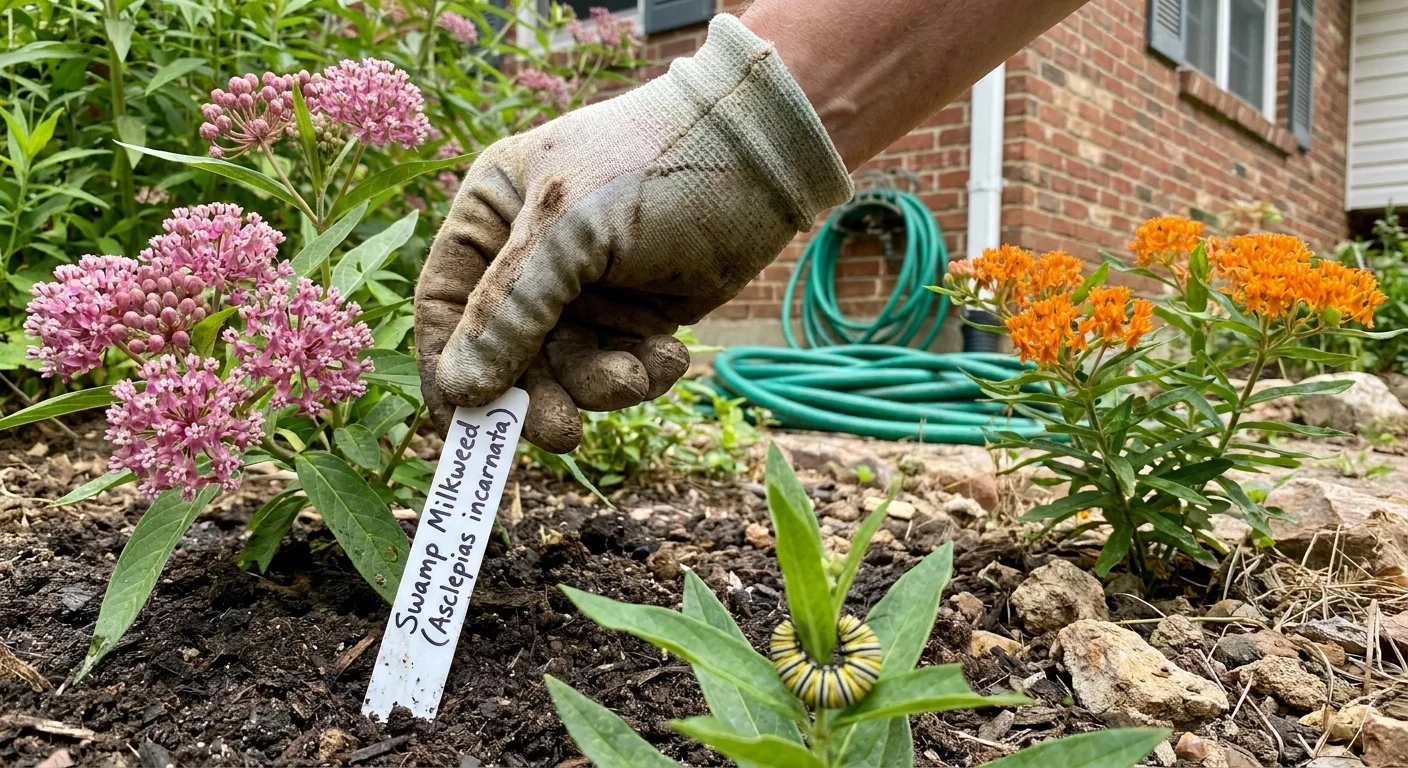
If you want to support monarch butterflies, planting milkweed is an absolute necessity. Milkweed serves as the exclusive host plant for monarch caterpillars; without it, they cannot reproduce. However, milkweed offers far more than just foliage for hungry caterpillars. The intricate, clustered blooms produce copious amounts of nectar that attract a diverse array of pollinator plants enthusiasts, including swallowtails, painted ladies, and native bees.
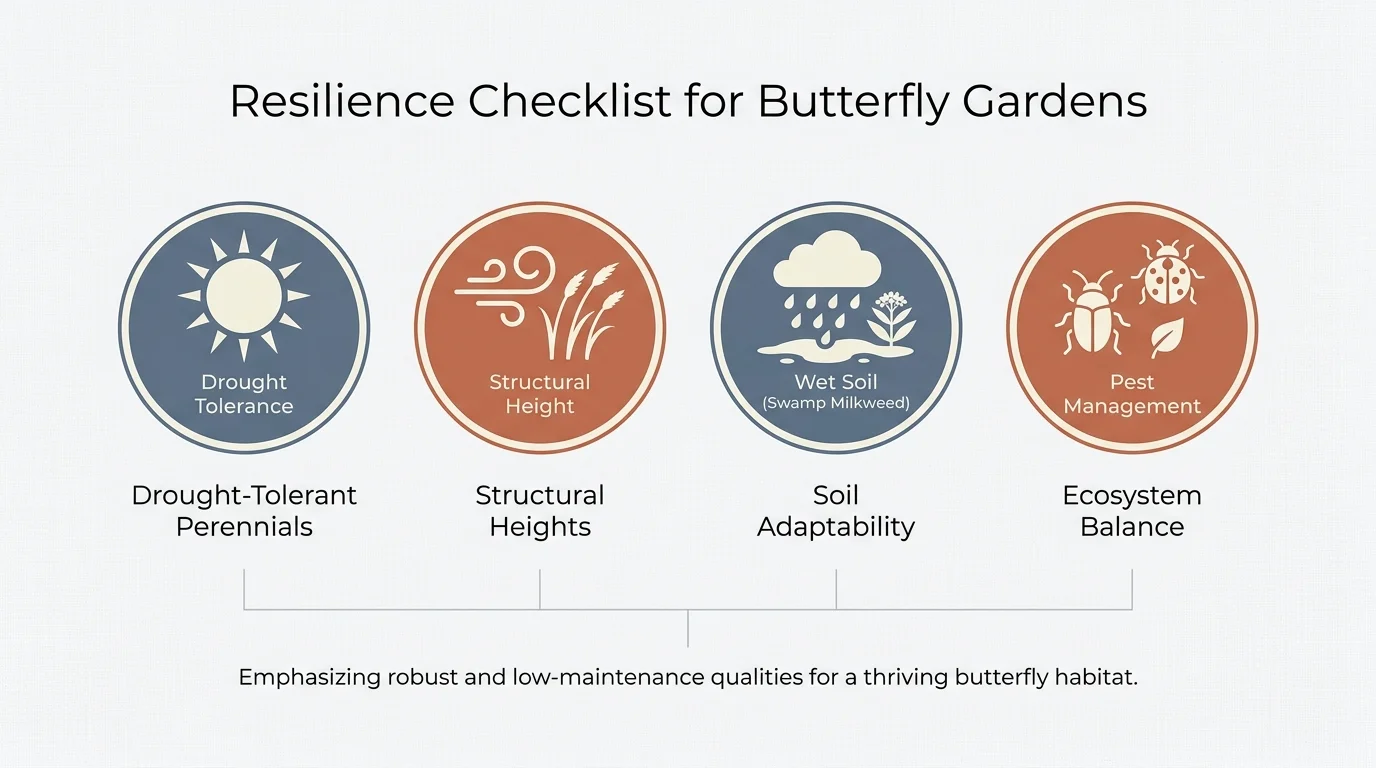
You must choose the right milkweed species for your specific soil and climate conditions. For wet, heavy clay soils or low-lying areas, Swamp Milkweed (Asclepias incarnata) thrives brilliantly and produces vibrant pink and mauve floral clusters. If you have dry, sandy, or rocky soil, opt for Butterfly Weed (Asclepias tuberosa). This rugged perennial boasts spectacular bright orange flowers and maintains a neat, clumping habit that fits perfectly into formal borders. Common Milkweed (Asclepias syriaca) is highly fragrant and excellent for naturalized meadow areas, but be aware that it spreads aggressively through underground rhizomes.
When planting milkweed, site it in full sun. Most species develop a deep taproot to survive prolonged dry spells, which makes them incredibly drought-tolerant once established but very difficult to transplant. Put them in the ground where you want them to stay. By dotting different varieties of milkweed throughout your yard, you guarantee a continuous food source for both larval and adult butterflies across USDA Hardiness Zones 3 through 9.
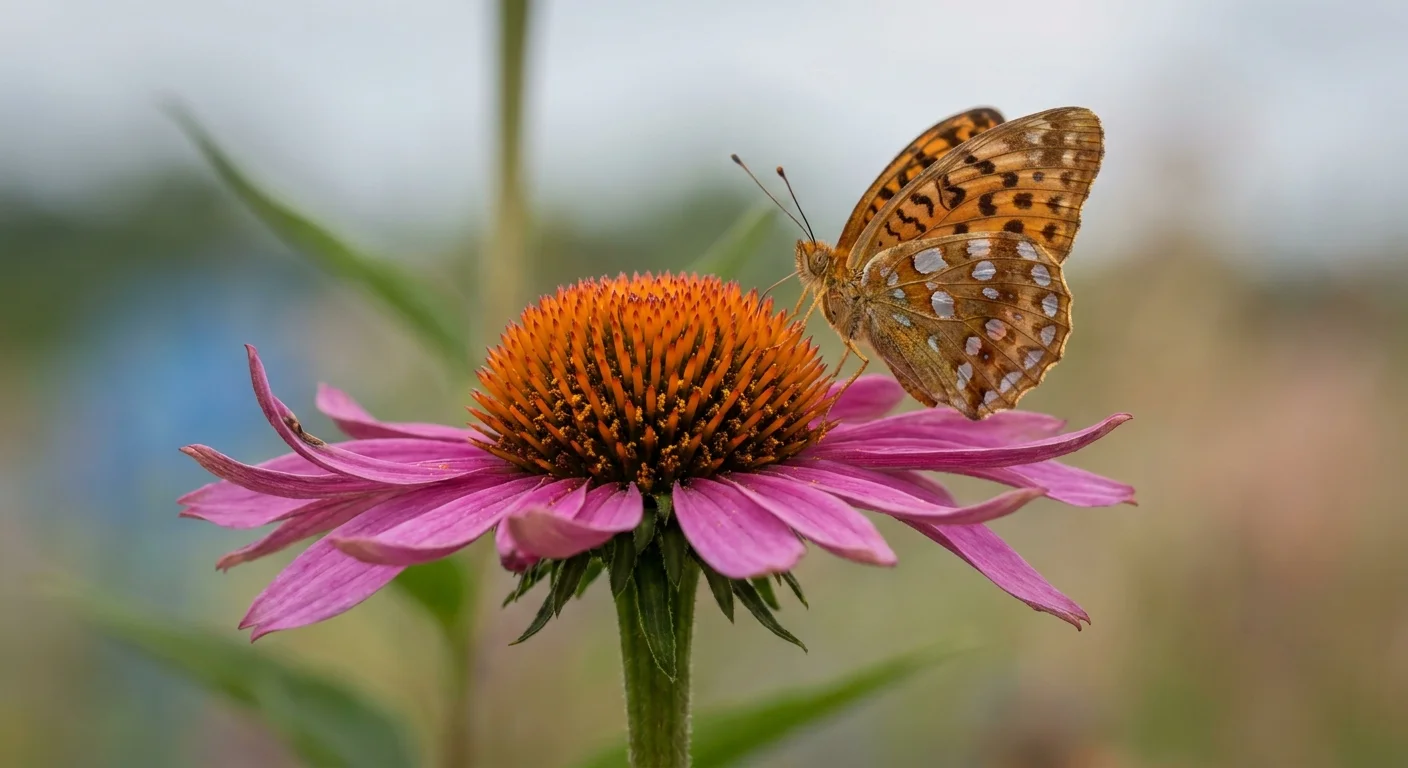
Outdoor Strategy #2: Cultivate Purple Coneflower (Echinacea purpurea)
Purple Coneflower stands as a titan of the summer garden. This tough, reliable native perennial features large, daisy-like flowers with raised, bristly centers. The architecture of the flower is exactly what butterflies seek—the wide, flat petals provide a perfect, stable landing pad, allowing them to rest comfortably while they sip nectar from the prominent central cone.
Echinacea blooms reliably from mid-summer straight through to the first frost, precisely when many butterflies are highly active. Fritillaries, monarchs, and swallowtails frequent these blooms daily. Coneflowers thrive in poor, rocky, or lean soils; in fact, overly rich, heavily fertilized soil causes them to grow leggy and flop over. Plant them in full sun and give them plenty of space for air circulation to prevent fungal issues.
To maximize the visual impact and nectar availability, group coneflowers in drifts of three, five, or seven plants. This massing technique acts as a glowing beacon for passing butterflies. When the blooming season concludes, resist the urge to cut the stems down immediately. The dried, blackened seed heads provide an essential winter food source for goldfinches and add wonderful structural interest to a snow-covered yard.
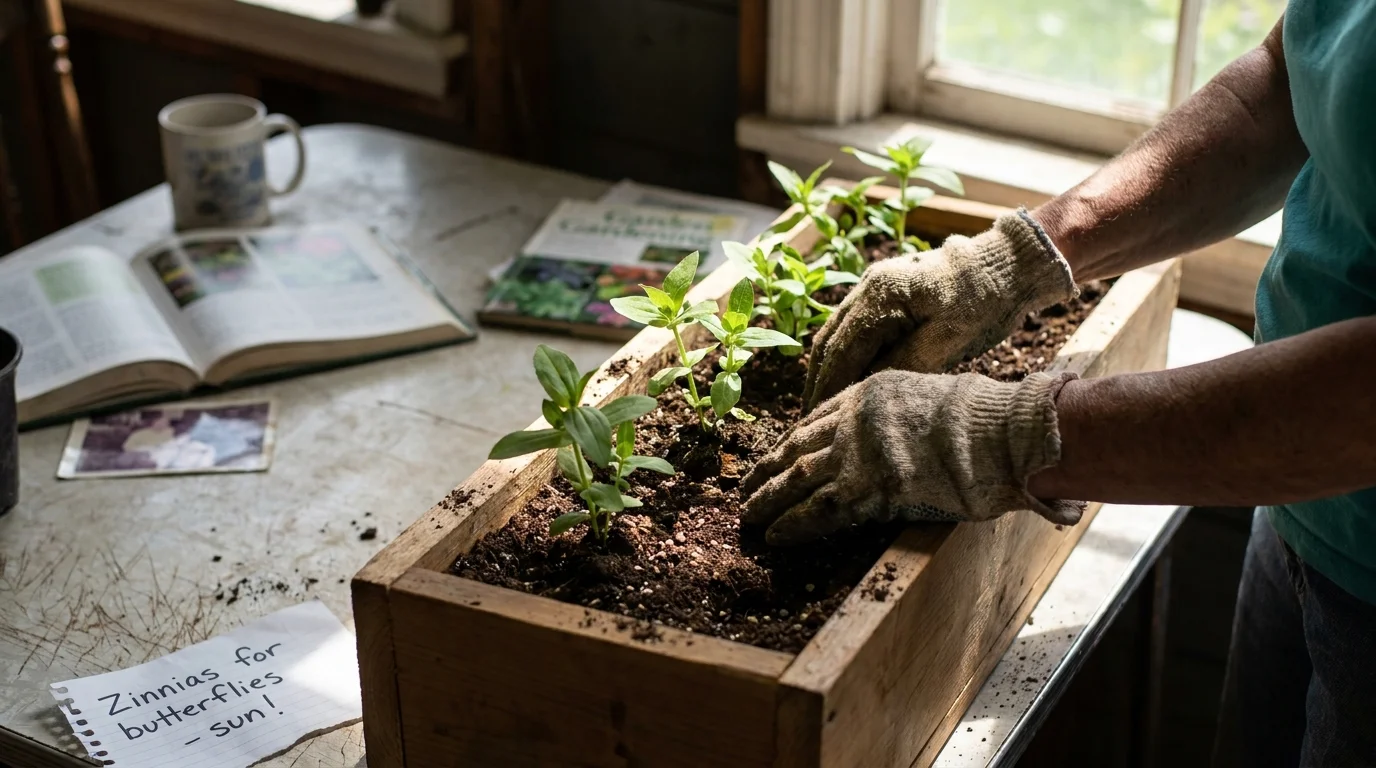
Outdoor Strategy #3: Grow Vibrant Zinnias (Zinnia elegans)
Do not underestimate the power of annuals in a pollinator garden. Zinnias are incredibly fast-growing, budget-friendly, and pump out a relentless supply of nectar. Because they grow easily from direct-sown seeds, they offer a fantastic way to quickly fill gaps between young perennials or to inject massive waves of color into a new flower bed.
When selecting zinnia seeds specifically to attract butterflies, you must pay attention to the flower structure. Avoid the highly bred, “fully double” varieties that look like pom-poms. While these are visually striking, the dense layers of petals block the nectar tubes, making it impossible for butterflies to feed. Instead, choose single-flowered or semi-double varieties like ‘Cut and Come Again’, ‘State Fair’, or the ‘Profusion’ series. These varieties leave the nectar-rich center disk fully exposed.
Zinnias demand full, blazing sun and well-draining soil. They thrive in the peak heat of summer when many cool-season plants begin to fade. To encourage non-stop blooming, practice regular deadheading—simply snip off the spent blooms to signal the plant to produce more flowers. Water zinnias at the base of the plant using a soaker hose or drip irrigation; keeping the foliage dry prevents powdery mildew, a common issue in humid climates.
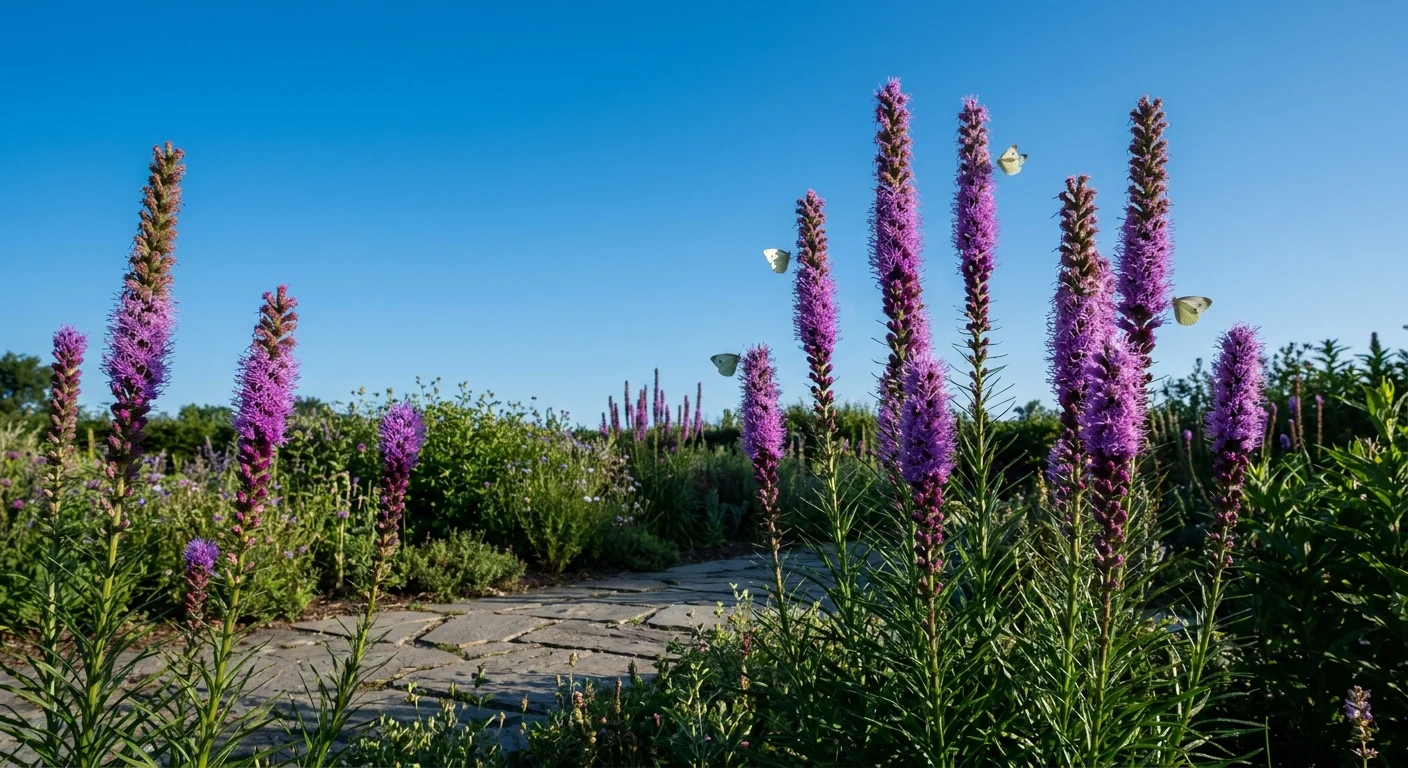
Outdoor Strategy #4: Incorporate Blazing Star (Liatris spicata)
Adding vertical interest breaks up the visual monotony of mounding plants and creates a highly dynamic landscape design. Blazing Star, also known as gayfeather, serves this purpose flawlessly. This native perennial shoots up rigid, grassy stems that erupt into fuzzy, purple-pink floral spikes stretching two to four feet into the air. Interestingly, Liatris blooms from the top down, a rare trait in the botanical world.
These fluffy spikes act as magnets for tiger swallowtails, silver-spotted skippers, and monarchs migrating in late summer. Blazing Star naturally grows in prairie environments, which means it thrives in hot, dry conditions and actually prefers low-fertility soils. If you plant Liatris in rich garden loam and water it heavily, the tall stalks will likely rot or require staking to stay upright.
Plant Blazing Star corms (bulb-like structures) in the spring, nestling them about two inches deep in well-draining soil. They pair magnificently with the flat, horizontal blooms of Echinacea and the golden tones of Black-Eyed Susans, creating a classic, resilient, and highly attractive prairie-style grouping that requires minimal supplementary watering.
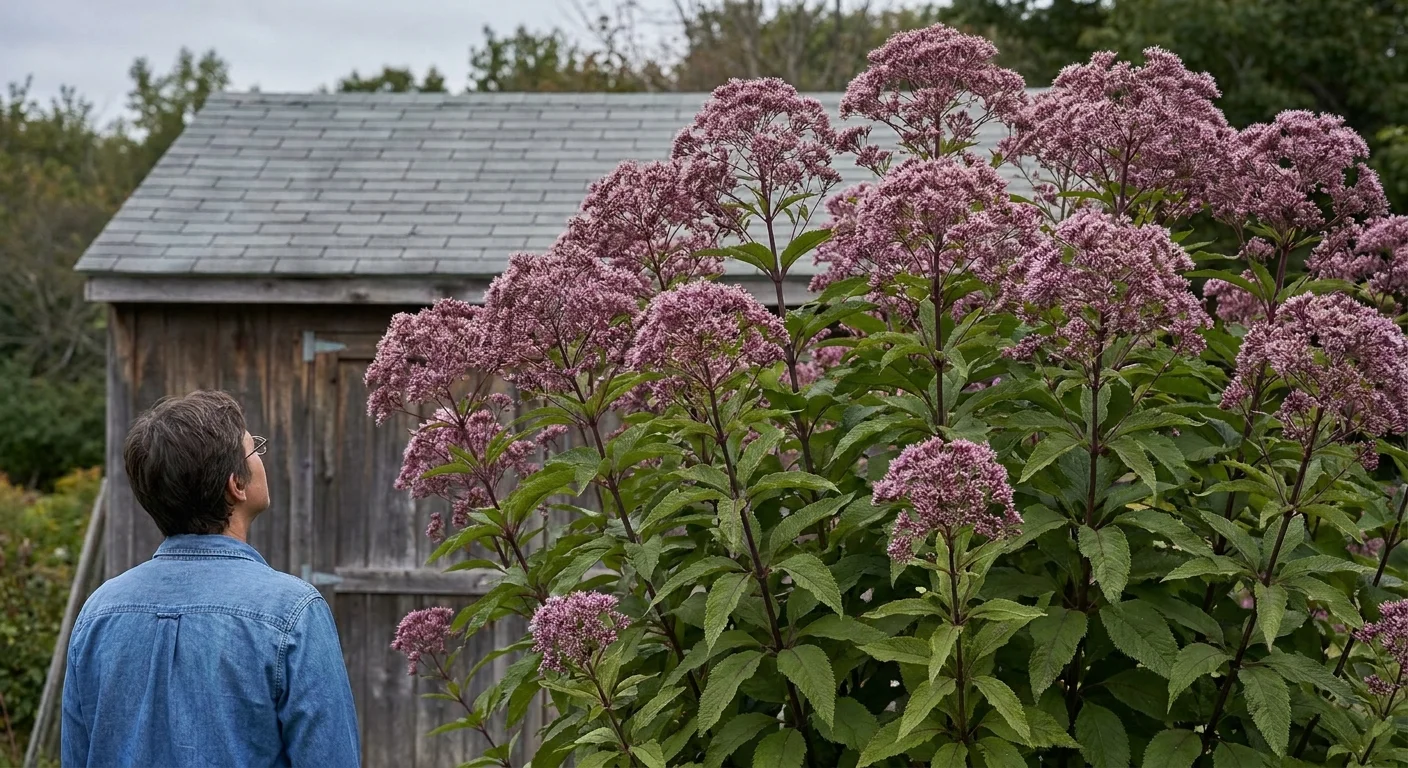
Outdoor Strategy #5: Plant Joe-Pye Weed (Eutrochium purpureum)
Every well-designed garden needs a backdrop, a towering presence that anchors the back of the border. Joe-Pye Weed fulfills this role magnificently. Depending on the variety and moisture levels, this majestic native perennial can reach heights of five to seven feet. In late summer and early autumn, it produces massive, dome-shaped clusters of tiny, vanilla-scented pink and purple flowers.
These massive flower heads provide a sprawling banquet table for butterflies. On a warm August afternoon, it is common to see a single Joe-Pye Weed plant hosting half a dozen different butterfly species simultaneously. Unlike the drought-loving prairie plants, Joe-Pye Weed naturally inhabits damp meadows, stream banks, and the edges of woodlands. It requires consistent moisture to look its best and makes a stellar addition to rain gardens or low spots in your yard where water tends to collect.
If a seven-foot giant sounds too imposing for your suburban lot, do not worry. Landscape nurseries now offer fantastic compact cultivars. Look for ‘Little Joe’ or ‘Baby Joe’, which deliver the same massive flower heads and butterfly-attracting power on sturdy, proportional stems that max out around three to four feet tall.
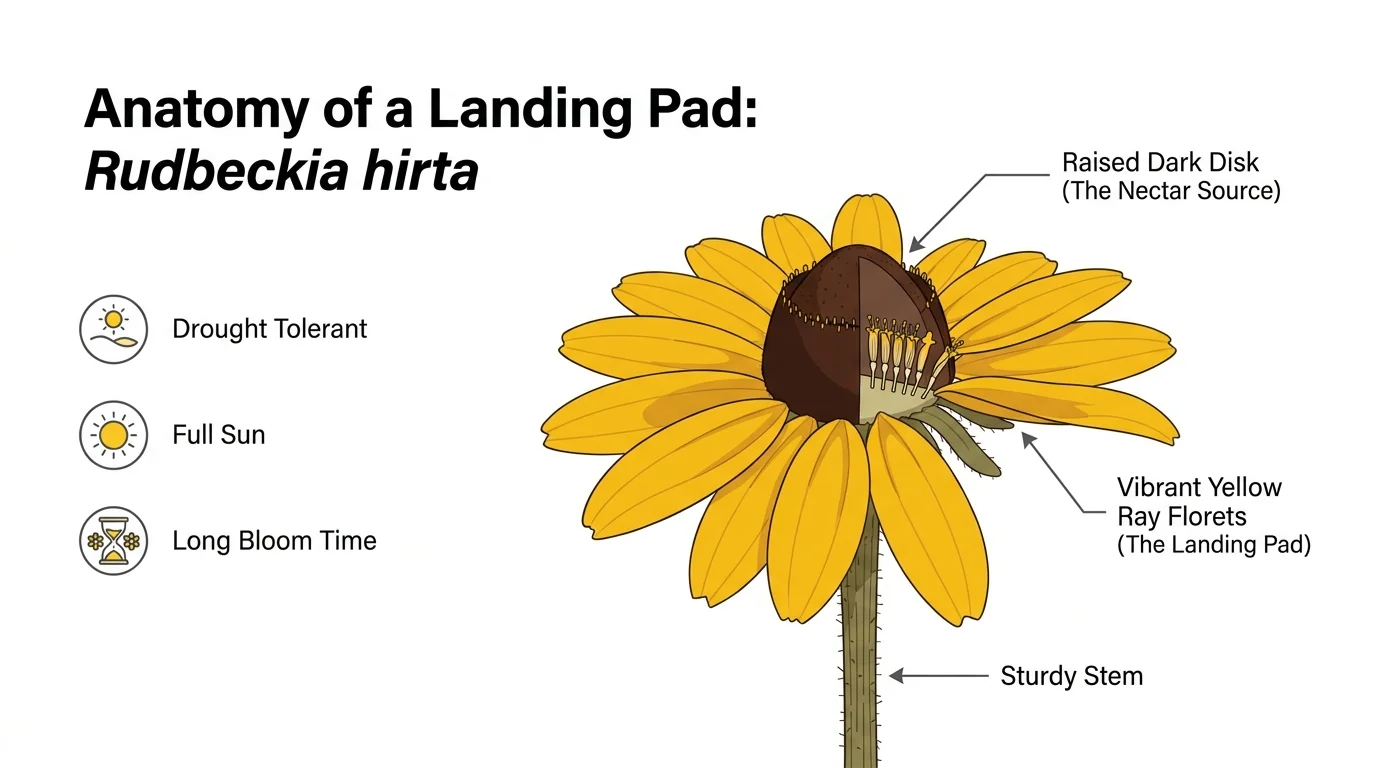
Outdoor Strategy #6: Add Black-Eyed Susans (Rudbeckia hirta)
No colorful garden is truly complete without the cheerful, bright yellow blooms of the Black-Eyed Susan. Like coneflowers, these plants belong to the aster family and feature the flat landing pads and raised nectar-rich cones that butterflies love. They bloom profusely from mid-summer until the first heavy frost, bridging the gap between the early summer flush and the late autumn garden shutdown.
Rudbeckia species vary; some are true perennials, while others act as biennials or short-lived perennials. The popular cultivar Rudbeckia fulgida ‘Goldsturm’ is a highly dependable perennial that spreads gently via underground rhizomes to form an impressive, weed-suppressing ground cover. Rudbeckia hirta often lives for only a few seasons but drops copious amounts of seed, ensuring a fresh crop of flowers pops up year after year.
These resilient plants handle heat, humidity, and drought with grace. They are not particular about soil pH and will grow in heavy clay or sandy loam as long as they receive at least six hours of direct sunlight daily. Plant them alongside purple and blue flowering plants—like Russian Sage or Liatris—to create a striking, high-contrast color palette that pleases the human eye just as much as it attracts pollinators.
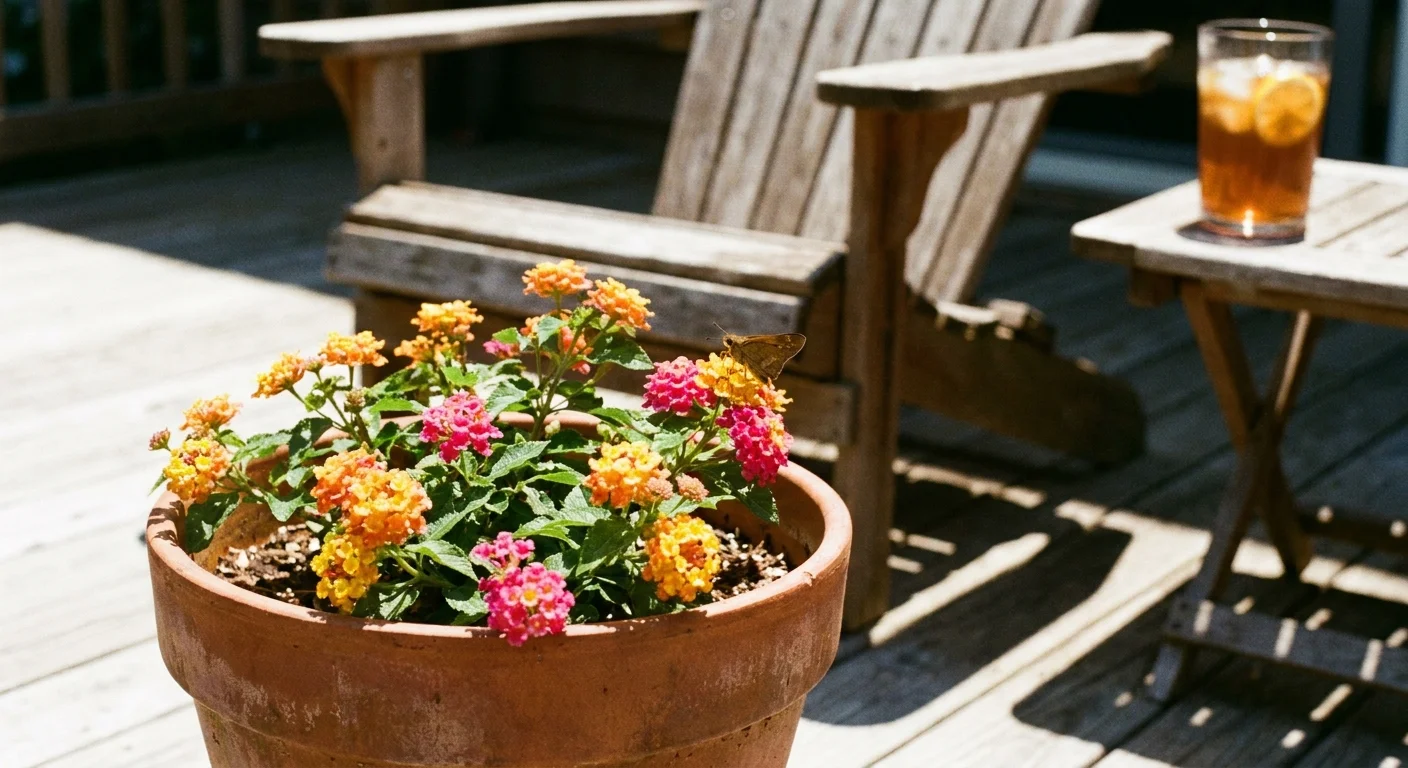
Outdoor Strategy #7: Feature Lantana (Lantana camara)
When the dog days of summer arrive and other plants wilt under the relentless heat, Lantana kicks into high gear. This incredibly rugged plant produces clusters of tubular flowers that often feature a mesmerizing mix of yellow, orange, pink, and red in a single bloom head. The tiny, tubular flowers are perfectly shaped for the long proboscis of a butterfly.
Lantana operates as a perennial in tropical and subtropical regions (USDA Zones 8 through 11) and as a fast-growing annual in cooler northern climates. It possesses a naturally trailing or mounding habit, making it an exceptional choice for hanging baskets, elevated window boxes, or cascading over the edges of a retaining wall. This versatility makes it ideal for patios and tight spaces where you still want to draw in wildlife.
Because Lantana is toxic to grazing animals, it boasts excellent deer and rabbit resistance. However, gardeners in warm, frost-free climates (such as Florida and parts of California) must be cautious. Lantana camara can escape cultivation and become invasive in these specific regions. If you live in a warm zone, strictly purchase sterile cultivars like ‘New Gold’ or ‘Gold Mound’, which produce no seeds and cannot spread into local native ecosystems.
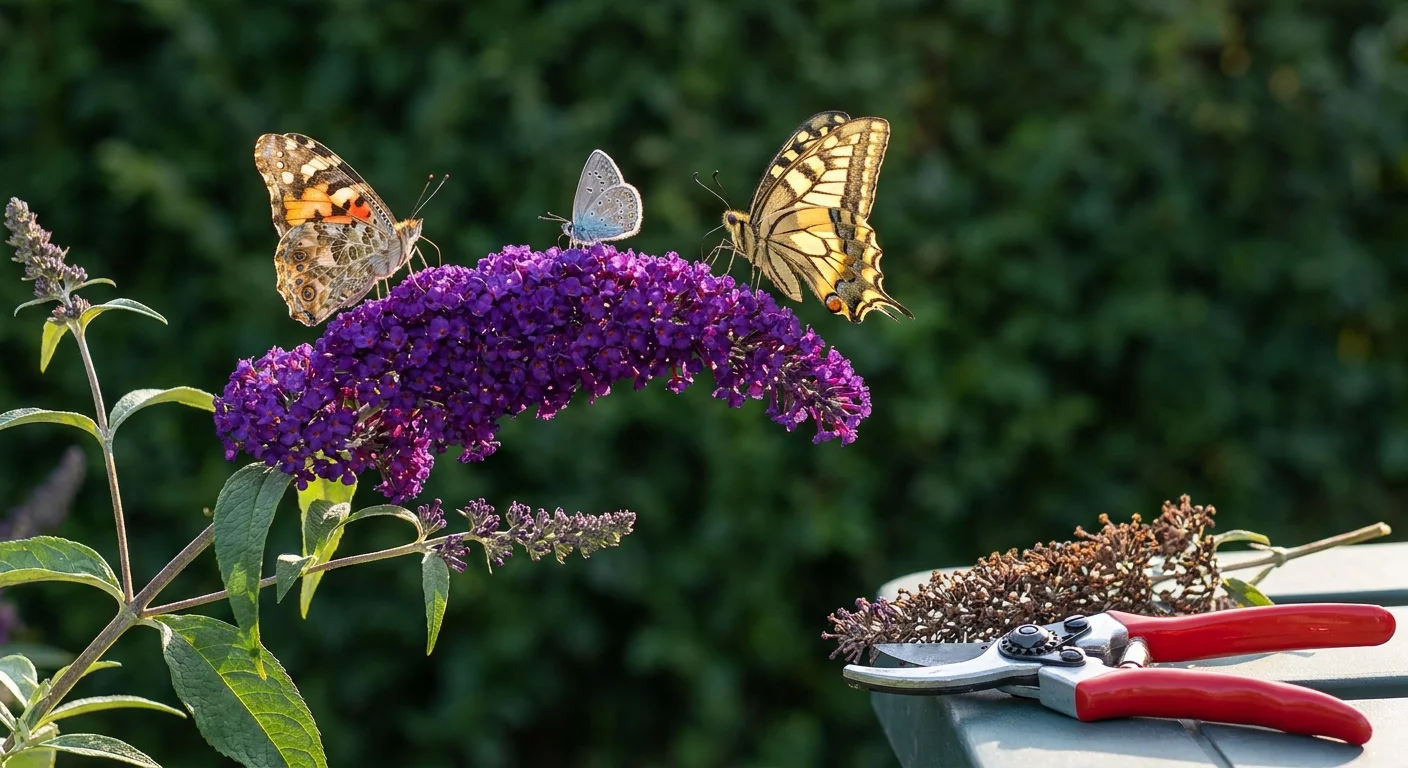
Outdoor Strategy #8: Integrate Butterfly Bush (Buddleja davidii) Responsibly
The Butterfly Bush earns its straightforward name for a very good reason—it is an unparalleled nectar factory. The long, arching panicles of intensely fragrant purple, pink, or white flowers act like an irresistible perfume to monarchs, swallowtails, and red admirals. A mature Buddleja in full bloom will literally hum with insect activity.
However, responsible garden design requires us to acknowledge the ecological impact of our plant choices. In several regions of the United States, particularly the Pacific Northwest and parts of the Eastern Seaboard, traditional Butterfly Bush varieties are classified as noxious weeds because they spread aggressively into wild areas, displacing native plants that caterpillars need to survive.
To capture the beauty and nectar-producing power of Buddleja without harming the environment, you must seek out sterile, non-invasive cultivars. Exceptional options include the ‘Lo & Behold’ series or the cultivar ‘Miss Ruby’. These sterile varieties produce a fraction of the seed of traditional types and often stay much more compact. For the best floral display, treat Butterfly Bush as a herbaceous perennial in cooler zones: prune it hard, cutting the woody stems down to about 10 to 12 inches from the ground in late winter or early spring. This forces vigorous new growth, resulting in larger, more prolific flower spikes.
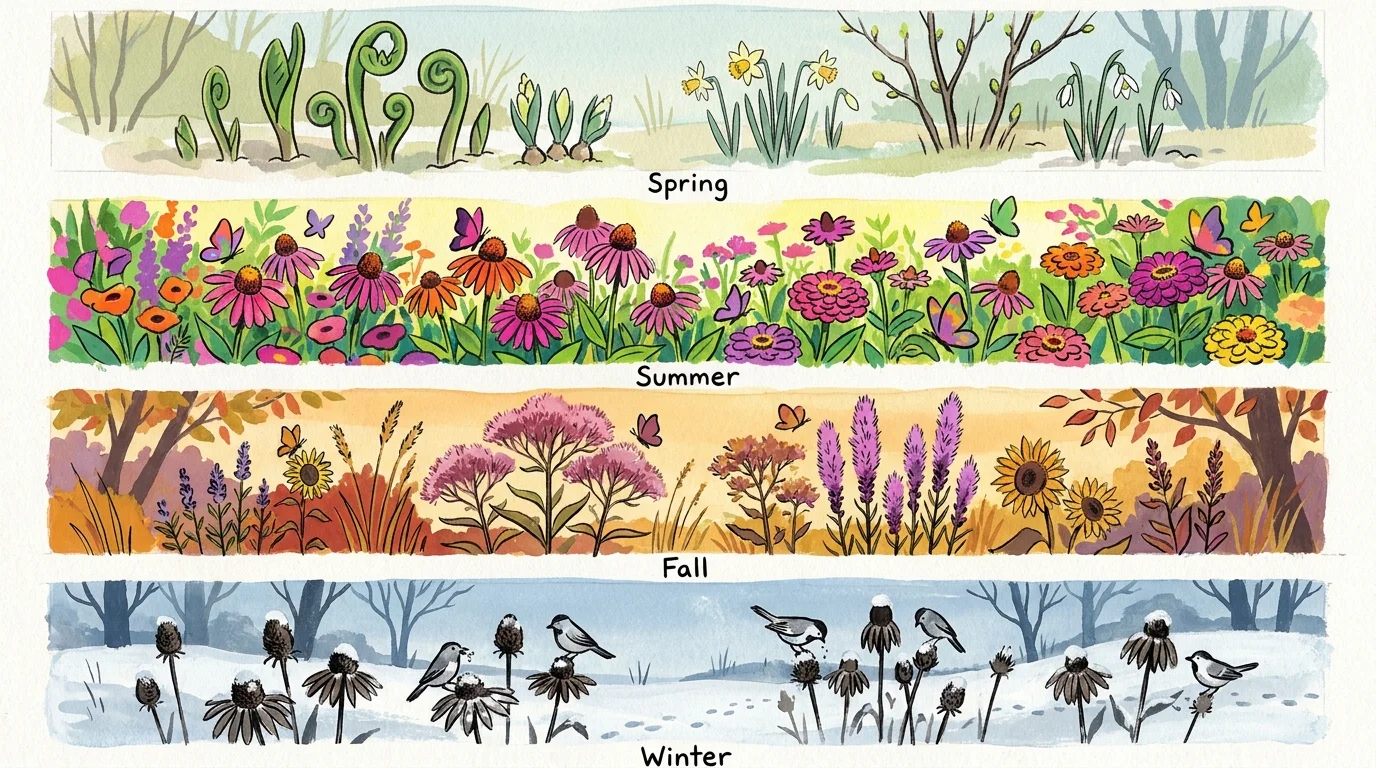
Seasonal Considerations for Your Garden
Maintaining a landscape full of butterfly garden plants requires a proactive, season-by-season approach. Your tasks will shift dramatically as the weather changes, ensuring that your outdoor space remains a safe, productive haven year-round.
Spring: This is your season for preparation and structural work. Wait until the daytime temperatures consistently reach the 50s before aggressively cleaning up your flower beds; many beneficial insects and butterfly pupae overwinter in hollow stems and leaf litter. Once the weather warms, cut back old perennial growth, divide overcrowded plants like Echinacea and Rudbeckia, and plant new native perennials. Top-dress your beds with a thin layer of organic compost to improve soil structure.
Summer: Summer demands vigilance regarding water and bloom management. While many pollinator plants are drought-tolerant once established, newly planted specimens need deep, consistent watering to develop strong root systems. Water deeply once a week rather than lightly every day. Practice regular deadheading on zinnias, coneflowers, and butterfly bushes to redirect the plant’s energy from seed production back into creating fresh, nectar-rich flowers.
Fall: Autumn is widely considered the best time for planting new trees, shrubs, and hardy perennials. The soil is still warm, encouraging root growth, while the cooler air reduces heat stress on the foliage. Stop deadheading your flowers in September; allow the plants to form seed heads to feed local birds. Leave fallen leaves in garden beds wherever possible. This leaf litter provides a crucial insulating blanket for overwintering swallowtail chrysalises and luna moths.
Winter: Winter is a time of rest for the garden and planning for the gardener. Evaluate what worked and what failed during the previous season. Order your native seeds and begin stratifying those that require a period of cold moisture to germinate (like milkweed). Enjoy the architectural beauty of the standing dried stems against the snow, knowing they are harboring the next generation of pollinators.
Dealing with Outdoor Pests and Weather
When you invite nature into your yard, you inevitably invite the entire food web, which includes common garden pests and harsh weather challenges. The absolute golden rule of gardening for butterflies is to eliminate the use of broad-spectrum pesticides. You cannot selectively poison pests without also poisoning the caterpillars and adult butterflies you are trying to attract. Even organic pesticides like neem oil or insecticidal soap will kill caterpillars upon contact.
Instead, practice Integrated Pest Management (IPM). If you notice bright yellow aphids clustered tightly on your milkweed stems—a very common occurrence—do not panic. These oleander aphids rarely kill an established plant. You can physically squish them with your gloved fingers, blast them off the stems with a sharp stream of water from the hose, or simply leave them alone. Before long, predatory insects like ladybug larvae and parasitic wasps will arrive to feast on the aphid buffet, balancing the ecosystem naturally.
Weather extremes also pose significant threats. To combat prolonged summer droughts, apply a two- to three-inch layer of natural shredded hardwood mulch around the base of your plants. Ensure the mulch does not touch the plant stems to prevent rot. Mulch suppresses weeds, drastically cools the soil surface, and locks in vital moisture. During intense, unseasonable heat waves, provide a shallow water source. Fill a shallow saucer with pebbles and a little water to create a safe “puddling” station where butterflies can drink and extract essential minerals without drowning.
Frequently Asked questions
Do I need a large, sprawling yard to successfully attract butterflies?
Not at all. Butterflies are highly mobile and will easily locate nectar sources in urban and suburban environments. If you only have a balcony or a tiny courtyard, you can grow plants like Zinnias, trailing Lantana, and dwarf varieties of Butterfly Bush in large terra-cotta or resin containers. Focus on grouping your pots together to create a concentrated splash of color that is easily visible from the sky.
I see plenty of adult butterflies in my garden, but I never find any caterpillars. What am I doing wrong?
You likely have an abundance of nectar plants but a lack of host plants. Adult butterflies will visit almost any appropriately shaped flower to drink nectar, but they will only lay their eggs on highly specific plant families. For example, to get monarch caterpillars, you must plant milkweed. To support black swallowtail caterpillars, you need to plant members of the carrot family, such as dill, parsley, fennel, or native Golden Alexander.
Are these butterfly-attracting plants safe for my pets?
Toxicity varies greatly among plant species. Milkweed (Asclepias) contains cardiac glycosides that are toxic to dogs, cats, and horses if ingested in large quantities. Lantana foliage and unripe berries are also highly toxic to pets and livestock. Conversely, plants like Echinacea, Zinnias, and Black-Eyed Susans are generally considered non-toxic and safe. Always research the specific toxicity of a plant on the ASPCA website before introducing it to a yard where curious puppies or grazing animals roam unsupervised.
How long will it take for my new garden to start attracting wildlife?
If you plant blooming annuals like zinnias and lantana, you may see butterflies visiting within a matter of days. Perennials take a bit longer to establish their root systems and produce prolific blooms. Typically, native perennial gardens follow the “sleep, creep, leap” rule. The first year they establish roots, the second year they show moderate growth, and by the third year, they explode with vibrant color and become a buzzing hub of pollinator activity.
Check your USDA Plant Hardiness Zone at the USDA’s website. For lawn and garden care advice, consult your local University Extension program (listed here). Find native plant information from the National Wildlife Federation.
Disclaimer: This article provides general outdoor gardening advice. Success can vary greatly based on your specific climate, soil type, and local conditions. Always choose plants appropriate for your USDA Hardiness Zone.