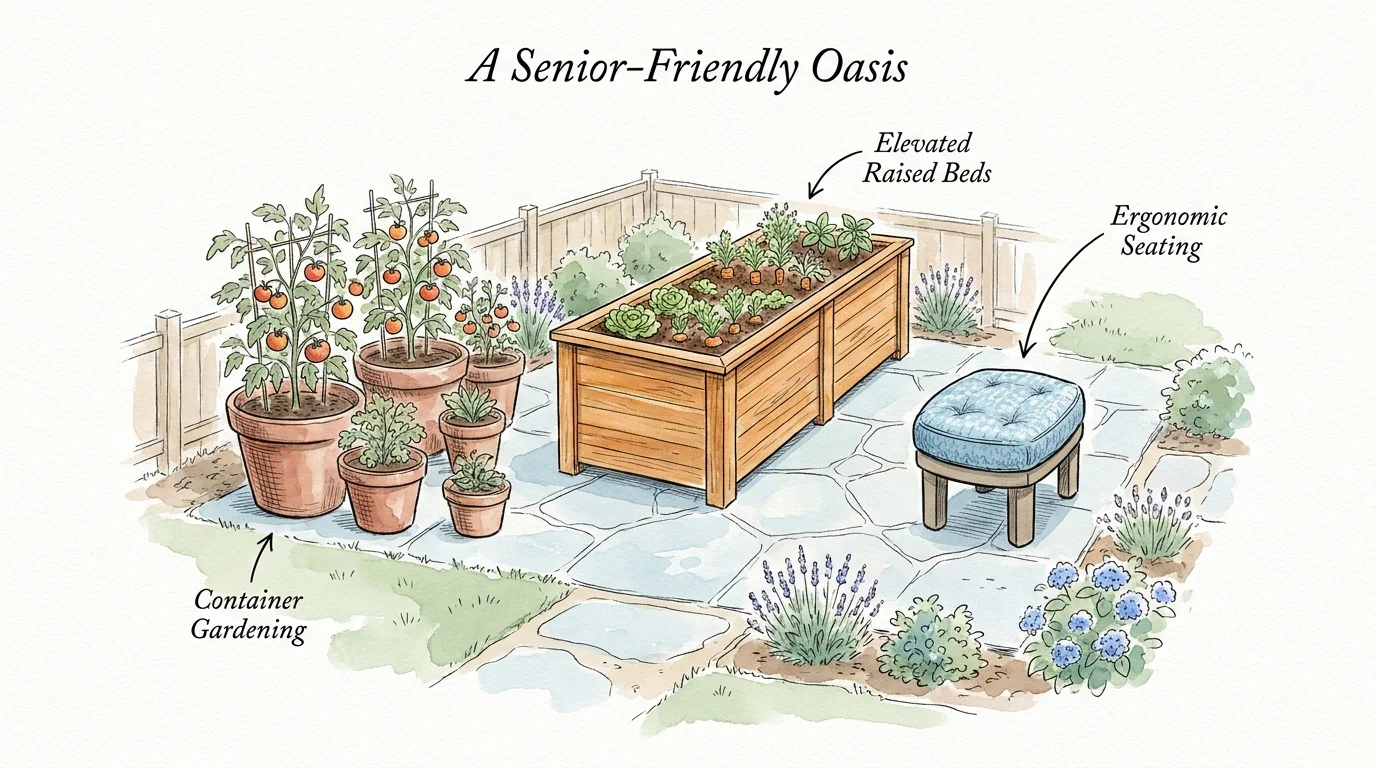
Introduction: Transforming Your Yard with These Ideas
The desire to grow your own food never fades, but the physical reality of maintaining an outdoor space naturally changes as we age. Adapting your methods allows you to enjoy the physical and mental benefits of gardening without subjecting your body to unnecessary strain. Establishing a backyard garden 60+ requires a strategic shift; you must move away from labor-intensive, sprawling crops and focus instead on compact, high-yield plants that thrive in manageable spaces. By incorporating elevated raised beds, lightweight soil mixes, and ergonomic tools, you can transform your yard into a highly productive oasis that respects your energy levels.
The foundation of an easy vegetable garden lies in selecting the right plant varieties. You want crops that naturally resist disease, require zero heavy lifting, and offer a continuous harvest throughout the warmest months of the year. When you carefully curate your plant list, you eliminate the need for precarious step stools, heavy trellises, and endless hours of weeding on your hands and knees. Instead, you get to focus on the joy of stepping outside, snipping fresh produce, and bringing it straight into your kitchen.
This summer, you can optimize your outdoor space by selecting crops specifically suited for low-impact cultivation. From crisp greens to vibrant fruiting plants, the right selections will maximize your harvest while minimizing your effort. Let us explore the most reliable, accessible, and delicious plants you can integrate into your landscape this season.
Outdoor Strategy #1: Bush Beans for Effortless Harvesting
When selecting vegetables seniors grow with ease, bush beans rank at the very top of the list. Unlike traditional pole beans that require you to construct tall trellises and reach high above your head to harvest, bush beans maintain a compact, sturdy profile. They grow to a highly manageable height of 18 to 24 inches and stand entirely on their own. This compact growth habit makes them incredibly easy to reach from a standard garden stool or a wheelchair when planted in a raised bed.
Planting bush beans requires very little effort. You simply press the large seeds about one inch into warm soil, spacing them roughly two to three inches apart. They germinate rapidly once the soil temperature consistently reaches 65 degrees Fahrenheit. Because beans are legumes, they actually improve your soil health by fixing nitrogen from the atmosphere directly into their root systems. This unique trait means you completely bypass the chore of hauling heavy bags of supplemental fertilizer across your yard.
Cultivars like “Provider” or “Blue Lake 274” deliver massive yields in an incredibly short timeframe—often maturing in just 50 to 55 days. Once the plants begin producing, you can simply lift the foliage with one hand and snap the crisp pods off with the other. The more frequently you harvest your bush beans, the more aggressively the plant will produce new flowers and pods. You secure a continuous supply of fresh, tender vegetables throughout the entire summer without ever needing to stretch, pull, or dig.

Outdoor Strategy #2: Determinate Cherry Tomatoes for Container Gardens
Growing large heirloom tomatoes often involves wrestling with heavy wire cages, pruning aggressive vines daily, and supporting heavy branches that threaten to snap under their own weight. For a much simpler approach, you should cultivate determinate cherry tomatoes. Determinate varieties grow to a predetermined height—usually around three to four feet—and then stop growing vertically. They require minimal staking and absolutely no aggressive pruning, making them an essential component of a summer garden seniors can easily manage.
Cherry tomatoes thrive brilliantly in container settings. You can plant a robust variety like “Patio Princess” or “Tiny Tim” in a five-gallon bucket or an elevated planter box located right on your back deck. Keeping the plants close to your kitchen door dramatically reduces the distance you need to travel to water and harvest. Provide your tomatoes with six to eight hours of direct sunlight and consistently moist soil. Ensuring they receive about one to two inches of water per week prevents common issues like blossom end rot and splitting skins.
The harvesting process provides immediate, lightweight rewards. Plucking small, bite-sized cherry tomatoes requires nothing more than a gentle twist of the wrist. You avoid the heavy lifting associated with carrying baskets full of massive slicing tomatoes. Cherry tomatoes ripen in large clusters, allowing you to quickly fill a small bowl for fresh summer salads, roasting, or healthy afternoon snacking directly from your patio.

Outdoor Strategy #3: Radishes for Rapid, Reliable Yields
If you want a crop that delivers near-instant gratification with virtually zero maintenance, radishes are your perfect solution. These crisp, peppery root vegetables boast one of the fastest maturity rates in the botanical world; many varieties go from a dry seed to a fully harvestable vegetable in just 25 to 30 days. Because they develop so quickly, radishes naturally outpace common garden weeds, saving you from tedious hours of pulling intrusive grasses from your garden beds.
Radishes possess exceptionally shallow root systems. This characteristic makes them uniquely suited for shallow, tabletop planters that completely eliminate the need to bend over. You can fill a narrow, six-inch-deep window box with a loose potting mix, scatter the seeds thinly across the surface, and cover them with a light dusting of soil. Consistent moisture is the only strict requirement; allowing the soil to dry out completely will cause the radishes to develop an overly spicy, woody flavor.
When the vibrant red shoulders of the radish push through the top of the soil, they are ready to pull. Extracting them requires a simple, effortless tug on the leafy green tops. Varieties like “French Breakfast” and “Cherry Belle” offer a mild, crisp bite that elevates any summer dish. Because they require so little space and time, you can practice succession planting—sowing a new pinch of seeds every two weeks—to guarantee a steady, manageable supply of fresh produce all summer long.

Outdoor Strategy #4: Leaf Lettuce for Continuous Summer Salads
Cultivating tight heads of iceberg lettuce often ends in frustration; they take months to mature and frequently rot from the inside out if the weather turns overly humid. Loose-leaf lettuce, however, provides a resilient, highly accessible alternative. Varieties like “Black-Seeded Simpson,” “Salad Bowl,” and “Red Sails” grow in beautiful, open rosettes. They offer magnificent texture and a constant supply of fresh greens for your kitchen.
Leaf lettuce thrives in the cooler microclimates of your yard. While most vegetables demand aggressive, full sun, lettuce prefers a bit of gentle shade during the blistering heat of July and August. You can plant your lettuce in shallow containers situated beneath taller plants or on a shaded porch. This strategic placement prevents the lettuce from “bolting”—the process where the plant rapidly goes to seed and turns bitter in extreme heat. Keeping your lettuce containers elevated at waist height makes watering and maintenance a breeze.
The true genius of loose-leaf lettuce lies in its harvesting technique, commonly known as “cut-and-come-again.” Instead of uprooting the entire plant, you simply take a pair of sharp kitchen scissors and snip off the older, outer leaves while leaving the center crown entirely intact. The plant will continue to push out new growth from the center. You can harvest a fresh, personalized salad two or three times a week without ever breaking a sweat or disturbing the soil.

Outdoor Strategy #5: Bush Zucchini for High Yields with Low Effort
Zucchini holds a legendary reputation for overwhelming productivity, but traditional vining squash can easily take over your entire garden, creating tangled trip hazards across your pathways. To capture the massive yields without the unruly mess, you must choose bush zucchini varieties. Cultivars like “Astia” or “Fordhook” form a neat, compact canopy that rarely spreads beyond a three-foot diameter. This upright growth habit keeps the fruit concentrated in the center of the plant, making it highly visible and exceptionally easy to reach.
You only need one or two bush zucchini plants to feed an entire family for the summer. Plant the seeds in mounds of well-draining soil enriched with a few handfuls of compost. Zucchini plants are heavy drinkers, so providing a consistent water supply directly to the base of the plant is critical. Avoid overhead watering; keeping the broad leaves dry is your best defense against powdery mildew, a common fungal issue that thrives in humid summer air.
Timing your harvest correctly drastically reduces your physical workload. You should always cut zucchini from the stem when they are small and tender—ideally six to eight inches long. At this size, the skin is soft, the seeds are nearly non-existent, and the weight of the vegetable is negligible. Removing the fruit early also stimulates the plant to produce even more blossoms, guaranteeing a bumper crop of manageable, delicious squash.

Outdoor Strategy #6: Sweet Bell Peppers for Upright, Manageable Growth
Sweet bell peppers provide outstanding structural integrity, making them an excellent choice for a low-maintenance landscape. Unlike sprawling vines that require constant tying and heavy metal cages, pepper plants feature thick, woody main stems that naturally support their own canopy. This sturdy, upright architecture keeps the heavy fruit elevated off the soil and well within an easy, comfortable reaching distance.
Peppers absolutely love the heat, which allows them to thrive during the peak summer months when more delicate plants begin to struggle. You should plant your peppers in a location that receives full, direct sunlight, spacing them roughly 18 inches apart to allow for proper airflow. They establish deep root systems that make them remarkably drought-tolerant once mature; providing a deep soaking just once or twice a week is generally sufficient to keep them highly productive.
One of the greatest advantages of growing sweet peppers is their extended harvesting window. Unlike certain vegetables that over-ripen and rot if not picked on a specific day, bell peppers gracefully hold their fruit on the branch for weeks. You can pick them when they are crisp and green, or simply leave them alone to slowly ripen into brilliant shades of red, yellow, or orange. This flexibility means you never feel rushed or pressured to harvest on a day when you would prefer to rest indoors.

Outdoor Strategy #7: Swiss Chard for Heat Tolerance and Extended Harvests
When the intense summer heat causes traditional greens like spinach and kale to wither, Swiss Chard steps in as the ultimate resilient substitute. Chard possesses a deep, robust root system that powers through drought and extreme temperatures with remarkable ease. It serves as both a high-yield food crop and a stunning ornamental feature; varieties like “Bright Lights” produce brilliant, neon-colored stems in shades of crimson, gold, and magenta that beautiful your outdoor space.
You can sow Swiss Chard seeds directly into your raised beds or large pots once the threat of frost has completely passed. They are incredibly unfussy regarding soil quality, though they do appreciate a light top-dressing of organic compost mid-season to fuel their rapid foliage production. As the plants mature, they grow vertically, frequently reaching heights of up to two feet. This vertical growth pushes the lush, dark green foliage up to a highly accessible level.
Harvesting Swiss Chard relies on the exact same low-impact method used for loose-leaf lettuce. By snapping the thick, outer stems off at the base with one hand, you encourage the central core of the plant to keep generating new leaves. A single chard plant can continuously produce fresh, nutrient-dense greens from late June all the way until the first hard frost of late autumn. You get a massive return on your initial planting investment with virtually no ongoing physical labor.

Seasonal Considerations for Your Garden
Success in the garden relies heavily on respecting the natural rhythm of the seasons and adjusting your activity levels accordingly. During the spring, your primary focus should be preparing your soil before the oppressive heat sets in. Instead of engaging in back-breaking double-digging, simply spread a three-inch layer of organic compost over the surface of your raised beds. Allow the spring rains and natural soil microbes to pull the nutrients downward; this no-till approach preserves your soil structure and protects your lower back.
As summer arrives, you must prioritize your own health and hydration while managing your outdoor space. The intense midday sun drains energy rapidly and can easily lead to heat exhaustion. You should restrict your active gardening tasks—such as planting, pruning, and harvesting—to the cool, early morning hours before 10 AM, or wait until the late evening when the shadows lengthen. During the hottest part of the day, your only job is to sit in the shade and watch your garden grow.
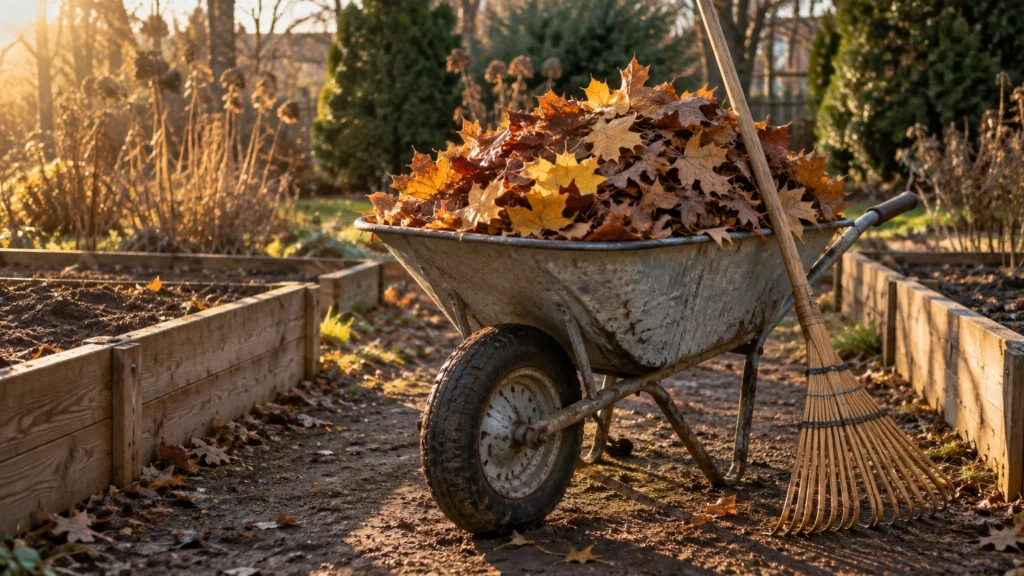
When the season shifts toward autumn, you can effortlessly transition your garden beds for the winter. As your summer vegetables finish their life cycle, do not struggle to rip massive root balls out of the ground. Instead, use sharp loppers to cut the plants off cleanly at the soil line. Leaving the roots in the ground allows them to decompose naturally over the winter, enriching the soil and keeping it aerated for the following spring. Pacing your seasonal chores ensures your garden remains a source of joy rather than a burden.

Dealing with Outdoor Pests and Weather
Managing the inevitable challenges of insects and unpredictable weather does not require heavy chemical sprayers or exhausting physical battles. The smartest approach to pest control involves utilizing lightweight, physical barriers. Floating row covers—made from ultra-lightweight spun polyester—are an absolute game-changer. By simply draping this inexpensive fabric over your vulnerable crops, you instantly block out aphids, cabbage moths, and even curious deer. The fabric is light enough to let sunlight and rain pass through freely, meaning you can leave it in place for weeks with zero maintenance.
When battling summer droughts, you must remove the physical burden of hauling heavy watering cans across your yard. Carrying a two-gallon watering can puts immense strain on your shoulders and spine. Instead, invest in a simple, inexpensive drip irrigation system. You can easily weave lightweight soaker hoses through your vegetable beds and connect them directly to a battery-operated faucet timer. This automated setup delivers a slow, deep watering exactly where the plants need it—at the root zone—while you relax inside your air-conditioned home.
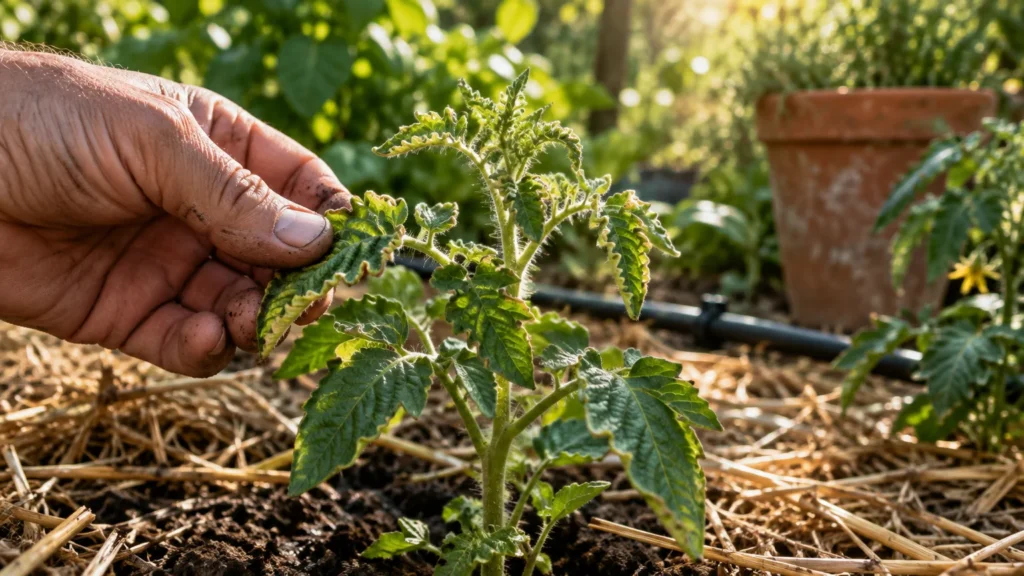
Finally, never underestimate the power of organic mulch to regulate your garden’s environment. Spreading a two- to three-inch layer of clean straw, shredded leaves, or cedar bark across all exposed soil surfaces solves multiple problems simultaneously. The mulch acts as a heavy blanket, locking moisture into the soil during dry spells and keeping the root zones cool. Furthermore, mulch completely suffocates dormant weed seeds, eliminating the physically taxing chore of bending over to pull weeds every weekend.
Frequently Asked questions
How deep should raised beds be for optimal accessibility?
For maximum physical comfort, elevated planter boxes or raised beds on sturdy legs should ideally sit at waist height—roughly 30 to 36 inches off the ground. This height allows you to plant, water, and harvest from a standing position or while seated on a tall stool, completely eliminating the need to bend your spine or drop to your knees. If you are building traditional raised beds directly on the ground, aim for a minimum depth of 12 to 18 inches; this provides ample room for deep root systems while raising the soil line just enough to make reaching the plants slightly easier.
What is the most effective way to improve heavy clay soil without digging?
If you are dealing with dense, heavy clay soil, you should immediately abandon the exhausting practice of deep tilling. Instead, adopt a technique called sheet mulching. Lay down a thick layer of plain, unwaxed cardboard directly over the clay and top it with four to six inches of high-quality compost and shredded leaves. Over the course of a single season, earthworms and beneficial fungi will naturally break down the cardboard and pull the rich organic matter deep into the heavy clay, effectively tilling the soil for you.
Can I grow these summer vegetables on a shaded patio?
Most summer vegetables—particularly fruiting crops like tomatoes, peppers, and zucchini—require a minimum of six to eight hours of direct, unfiltered sunlight to produce a meaningful harvest. If your outdoor space is heavily shaded by large trees or neighboring buildings, you should skip the fruiting crops entirely. Instead, focus all your energy on growing loose-leaf lettuce, Swiss Chard, and radishes. These specific crops actually appreciate a cooler, shaded environment and will thrive with as little as three to four hours of dappled sunlight per day.
Are there specific garden tools recommended to reduce hand fatigue?
Yes; upgrading your hand tools is one of the best investments you can make for an accessible garden. Look for trowels and cultivators featuring thick, brightly colored, ergonomic grips made of soft rubber. A thicker handle prevents you from closing your fist tightly, which dramatically reduces the joint pain associated with arthritis. Additionally, tools with long, extended handles allow you to reach across deep garden beds without leaning forward or stretching uncomfortably.
Check your USDA Plant Hardiness Zone at the USDA’s website. For lawn and garden care advice, consult your local University Extension program (listed here). Find native plant information from the National Wildlife Federation.
Disclaimer: This article provides general outdoor gardening advice. Success can vary greatly based on your specific climate, soil type, and local conditions. Always choose plants appropriate for your USDA Hardiness Zone.